How to Select Leisure Park Equipment for Safe, High-Throughput Visitor Areas
Selecting leisure park equipment for a busy venue is a capacity-and-risk decision before it is a design decision. A visually striking attraction that creates long queues, requires frequent closures, or is difficult to supervise can undermine the wider project. The most suitable equipment fits the expected visitor flow, site constraints, operating model, and maintenance capability while giving guests a clear and manageable experience.
For project teams, the useful question is not “Which attraction is most impressive?” It is: Which mix of attractions can operate safely and predictably during the busiest periods? That question changes how suppliers, layouts, technical documents, and budgets should be evaluated.
Start with the operating scenario, not the product catalogue
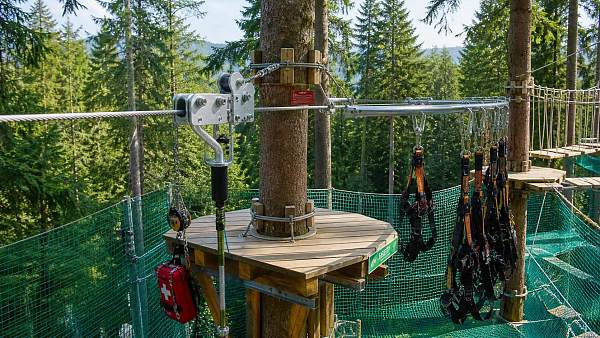
Leisure park equipment covers a broad range of installations, including playground structures, climbing activities, inflatable attractions, family rides, water-play features, ropes courses, interactive games, soft-play zones, and supporting guest-area systems. These categories cannot be assessed with one generic checklist because their operational demands differ significantly.
Before comparing products, define how the area will work on its peak day. Map the visitor journey from entry to exit: where guests queue, receive instructions, store personal items, enter the activity, use the attraction, exit, and rejoin the park. An equipment choice that appears efficient in an isolated product demonstration may create congestion once queuing, supervision, and circulation are included.
Clarify these operating conditions early:
- Expected guest profile, including age bands, group sizes, mobility needs, and likely accompanying adults.
- Whether the area serves short, high-volume visits or longer dwell times with timed sessions.
- Peak-load patterns, such as school holidays, weekends, events, or weather-driven demand.
- Available indoor or outdoor footprint, ceiling height, ground conditions, drainage, and access routes.
- Staffing model, including the number of trained operators available during busy periods.
- Whether the attraction must remain functional across different seasons or weather conditions.
These inputs establish whether the project needs a fast-turnover attraction, a high-capacity free-flow zone, a bookable premium experience, or a combination of all three. Buying equipment before resolving this question often leads to a layout that looks complete but is operationally unbalanced.
Evaluate throughput as a complete system
High throughput is often misunderstood as the maximum number of people who can physically occupy an attraction. In practice, usable capacity is constrained by the slowest part of the guest journey. A ride may accommodate many guests, but throughput falls when loading is slow, safety checks take too long, exit paths cross incoming queues, or each session depends on repeated staff intervention.
Ask suppliers to explain the normal operating cycle in practical terms. The explanation should cover entry rules, loading sequence, supervision positions, reset time, evacuation procedure, cleaning requirements, and the conditions that reduce operating speed. A headline capacity figure has limited value unless the project team understands the assumptions behind it.
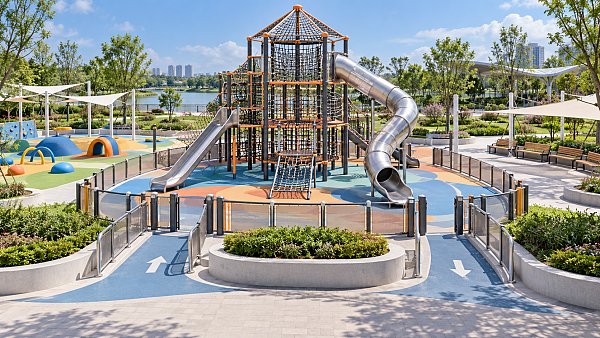
A balanced equipment plan usually includes different pacing. High-energy, staff-intensive attractions can create excitement and spending opportunities, but they should be supported by free-flow areas that absorb guests without creating another bottleneck. In a family-focused venue, for example, a structured climbing feature may work well beside an open play zone and a nearby seating area, allowing different members of a group to remain engaged without joining the same queue.
Safety depends on the installation and operation, not only the equipment
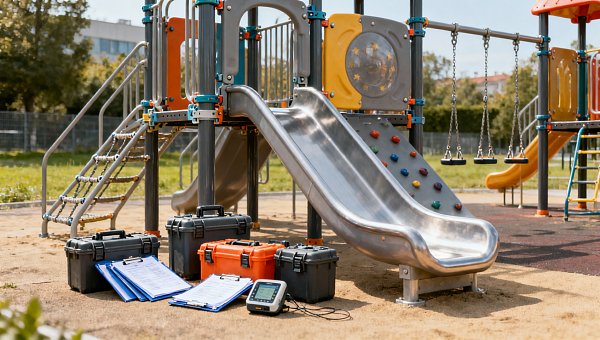
Safety evaluation should not stop at a supplier’s product documentation. The same equipment can perform very differently depending on foundation quality, anchoring, clearance zones, site drainage, surrounding finishes, crowd management, operator training, and maintenance discipline.
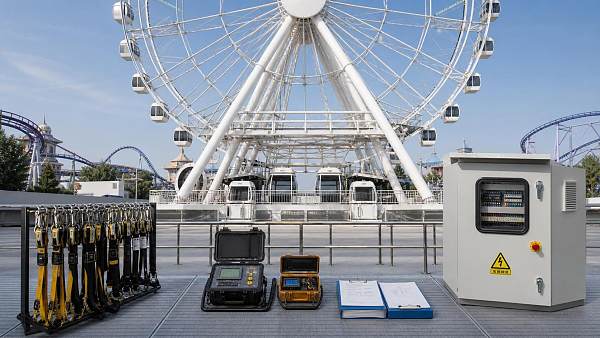
Request a clear technical package that allows the design and construction teams to assess the full installation. This should describe structural loads, anchoring requirements, electrical or water connections where relevant, required clearance, access for inspection, age or height restrictions, operational limits, and maintenance access. Documentation that is visually polished but vague on site interfaces creates risk later in the project.
For equipment involving height, speed, water, moving components, or controlled entry, evaluate how foreseeable misuse is managed. Guests may enter from the wrong side, ignore instructions, carry loose items, attempt to help a child, or gather around an exit. Good design reduces the opportunity for unsafe behaviour through physical layout, intuitive barriers, clear sightlines, controlled access, and sensible separation between activity zones.
International safety compliance is relevant, but it should be treated as part of a wider project review rather than a simple purchasing label. The project team needs documentation appropriate to the destination market and the specific attraction category, as well as evidence that the delivered configuration matches the approved design. Customisation can affect structural, operational, and access assumptions. A compliant base product does not automatically make every modified installation suitable.
Design for supervision before finalising the layout
Many operational problems arise because staff are expected to supervise an attraction from a position that does not provide a complete view. Blind corners, multiple levels, decorative screening, queue barriers, and overlapping guest routes can all make routine monitoring harder.
During layout review, identify where operators will stand, what they can see from that position, and how quickly they can reach a guest who needs help. This is especially important for indoor play structures, obstacle courses, water-play areas, and mixed-age activity zones. A design may require additional staff simply because visibility is poor, increasing operating cost for the life of the attraction.
Separate users by activity intensity where practical. Very young children, independent older children, teenagers, and adults waiting nearby have different movement patterns. Combining them in one open area can appear space-efficient but may lead to conflicts, supervision difficulty, and a less comfortable guest experience. Zoning does not always require walls; changes in elevation, entrance control, circulation direction, and equipment scale can create useful separation.
Durability should be assessed against the real environment
Equipment durability is not just a question of heavy-duty materials. It depends on how those materials respond to actual exposure and how easily the attraction can be inspected, cleaned, repaired, and reopened.
Outdoor installations may face moisture, ultraviolet exposure, wind-driven debris, temperature changes, corrosion, and uneven ground movement. Indoor facilities often face different pressures: constant contact, food or drink contamination, cleaning chemicals, shoe traffic, humidity, and high noise levels. A finish that performs well in a controlled showroom may be unsuitable for a coastal site, a humid water-play environment, or a heavily used indoor family entertainment centre.
Assess wear components separately from the main structure. Nets, pads, grips, belts, fasteners, flooring, seals, electronic controls, and signage may have different replacement cycles and availability. A project manager should ask which parts can be replaced on site, which require specialist labour, and whether a minor defect can isolate the entire attraction. This is often more useful than comparing a broad warranty statement.
Maintenance access is a design requirement
Equipment that cannot be safely reached cannot be maintained efficiently. Confirm access to inspection points, motors, filters, drainage elements, fasteners, panels, and control systems before approving the layout. Consider how replacement parts enter the building or park, where maintenance staff work, and whether repairs can occur outside guest routes.
A low-maintenance claim should be examined in operational terms: what daily checks are required, what parts need routine attention, what cleaning process is expected, and what conditions trigger a temporary closure. The aim is not to eliminate maintenance. It is to avoid a design in which ordinary upkeep causes disproportionate disruption.
Accessibility should be planned as part of the experience
Accessible leisure design is more than providing a ramp near the entrance. Guests and accompanying family members need a usable route into the area, clear information, appropriate viewing positions, practical circulation space, and activities that allow meaningful participation where the concept permits.
Review access across the full experience: arrival, ticketing, queueing, transfer points, seating, toilets, exits, and emergency routes. Consider sensory conditions as well as physical access. High noise, flashing effects, crowd compression, and unclear transitions can make an otherwise accessible venue difficult for some guests to use comfortably.
Not every attraction will suit every visitor, and forcing identical participation can create operational problems. A stronger approach is to create a portfolio of experiences with different levels of physical demand, sensory intensity, and support requirements. This gives families practical choices without reducing the clarity of safety rules.
Compare suppliers on project readiness, not presentation quality
When sourcing leisure park equipment, a supplier should be assessed as a project partner. Strong visual concepts and attractive unit prices do not compensate for incomplete drawings, unclear responsibilities, weak installation coordination, or uncertain spare-parts support.
A structured comparison should cover the product and the supplier’s ability to support the project through delivery, installation, commissioning, and ongoing operation. Useful evaluation points include:
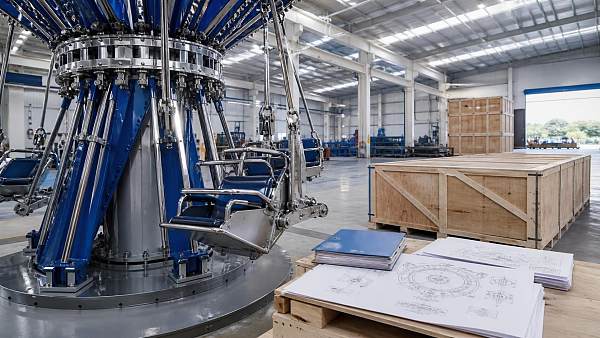
- Design drawings that show dimensions, interfaces, access requirements, and operational zones.
- Clear scope boundaries between the equipment supplier, civil contractor, electrical contractor, landscape team, and operator.
- Ability to adapt equipment without compromising the intended operating model.
- Installation methodology, commissioning support, and handover documentation.
- Availability of consumables, replacement parts, and technical assistance after opening.
- Consistency between the proposed concept, technical specification, and final delivered configuration.
Global sourcing can widen the choice of manufacturers and custom fabricators, but it also increases the importance of document control and interface management. Platforms such as Global Commercial Trade can help procurement teams compare specialist leisure suppliers and review capability information across commercial experience sectors. The final decision should still be anchored in site-specific requirements, operating responsibility, and a technical review that connects the supplier’s proposal to the full project plan.
A practical selection sequence for project teams
Equipment selection moves more smoothly when decisions are made in the order that operational risk appears. Start by defining the guest groups, peak demand pattern, and desired dwell time. Then test the site layout for circulation, queuing, supervision, emergency access, and maintenance access. Only after those conditions are credible should the team compare attraction concepts, finishes, and custom branding.
Next, ask shortlisted suppliers to respond to the same operational brief rather than allowing each proposal to define its own assumptions. Require them to identify exclusions, site dependencies, staffing expectations, operating restrictions, and maintenance needs. This makes comparisons more meaningful and exposes proposals that are attractive only because important scope has been left out.
Before placing an order, review the complete package with the stakeholders who will build and operate the area. The operator may identify an impractical queue route; the contractor may identify an access conflict; the maintenance team may find an unreachable service point. Resolving those issues on drawings is far less disruptive than resolving them after installation.
The right equipment is the option that can keep working under pressure: safe enough to manage confidently, accessible enough to welcome a broad guest mix, durable enough for its environment, and efficient enough to support the revenue and experience goals of the wider park. That is the standard that should guide every final selection decision.
Search News
Hot Articles
- Outdoor RidesHow to Select Leisure Park Equipment for Safe, High-Throughput Visitor AreasOct 03, 2026
- Fashion & Gem JewelryDiamond Tester Wholesale: How to Vet Accuracy, Calibration, and MOQ Before OrderingOct 02, 2026
- Hotel Room AmenitiesHow Hotels Can Choose Amenity Bottles That Balance Brand Image and Refill CostsOct 01, 2026
Popular Tags
Need ExpertConsultation?
Connect with our specialized leisureengineering team for procurementstrategies.
Recommended News
 Oct 03, 2026How to Select Leisure Park Equipment for Safe, High-Throughput Visitor AreasLeisure park equipment selection guide for safe, high-throughput venues—explore capacity, supervision, durability, accessibility, and supplier criteria.● Theme Park Strategist
 Sep 18, 2026What Drives Animatronic Dinosaur Manufacturer Prices for Theme Park Projects?Animatronic dinosaurs manufacturer price guide: compare motion, materials, controls, installation, and lifecycle costs to plan a durable theme park attraction.● Theme Park Strategist
 Sep 06, 2026Do Amusement Ride Safety Compliance Requirements Change Every Year?Do amusement safety compliance requirements change annually? Learn what really changes, from standards and inspections to permits, upgrades, and local approvals.● Theme Park Strategist
 Sep 02, 2026How Long Does It Take to Receive Full Safety Documents From an OEM?How long does it take to get full safety documentation from OEM partners? Discover realistic timelines, common delays, and practical steps to secure compliant files faster.● Theme Park Strategist
 Sep 03, 2026Designing Adventure Park Safety Systems for Zip Lines, Ropes Courses, and Daily InspectionsAdventure park safety systems: learn how to design safer zip lines and ropes courses with daily inspections, defect controls, rescue readiness, and staff training.● Theme Park Strategist
 Aug 22, 2026What to Look for When Choosing Three Seat Jet Skis for Rental or Resort UseThree seat jet skis for rental or resort use should balance stability, safety, maintenance, and guest comfort. Learn how to choose models that boost uptime and guest satisfaction.● Theme Park Strategist
 Aug 17, 2026What Parts Matter Most in a Roller Coaster and How Do They Affect Ride Safety?Roller coaster parts determine ride safety more than most riders realize. Explore how tracks, restraints, brakes, wheels, and control systems work together to protect every ride.● Theme Park Strategist
 Aug 15, 20262026 China Sports Expo Sees 45.74% More Overseas Pre-registered Buyers as POB Expands Procurement Matching2026 China Sports Expo boosts overseas pre-registered buyers by 45.74% as POB expands procurement matching for fitness, outdoor, and venue suppliers.● Theme Park Strategist
 Aug 14, 2026What Should Buyers Check Before Choosing a Flying Chair Ride Exporter?Flying chair ride exporter buyers should check safety, structure, export support, and spare parts before purchase to reduce risk and choose a reliable supplier.● Theme Park Strategist
 Aug 04, 2026EU Issues EN 1176-1:2026 for Playground SafetyEU Issues EN 1176-1:2026 for Playground Safety: learn how the new standard impacts Outdoor Rides, CE certification, inventory checks, and EU compliance before March 2027.● Theme Park Strategist
 Aug 03, 2026CPSC Adopts ASTM F1487-26 for Imported Outdoor RidesOutdoor Rides face a major U.S. compliance shift as CPSC adopts ASTM F1487-26. Learn the new certification, testing, and customs risks before November 1, 2026.● Theme Park Strategist
 Jul 26, 2026Revised EN 1176:2026 Triggers Re-Certification for Outdoor RidesOutdoor Rides face immediate EN 1176:2026 re-certification for new CE applications. Learn how testing, documentation, and EU market access rules now affect exports and delivery plans.● Theme Park Strategist
 Jul 21, 2026CPSC Recall Flags Structural Risk in Outdoor RidesCPSC recall flags structural risk in outdoor rides: learn how ASTM F1487-23 failures affect importers, distributors, and compliance teams across the U.S., Canada, and Australia.● Theme Park Strategist
 Jul 19, 2026How to Choose Outdoor Fitness Equipment for Parks Based on Users, Space, and BudgetOutdoor fitness equipment for parks: learn how to choose the right mix based on users, space, and budget to improve safety, usage, and long-term value.● Theme Park Strategist
 Jul 15, 2026Ocean Freight Spike Pressures Outdoor Rides ExportsOcean Freight Spike Pressures Outdoor Rides Exports as Shanghai-Rotterdam rates surge 42%. See how rising freight costs, delays, and rerouting risks could reshape Europe-bound delivery plans.● Theme Park Strategist
 Jul 14, 2026EN 1176 Revision Takes Effect for Outdoor Ride Weld TestingEN 1176 revision takes effect for outdoor ride weld testing from Sept 1, 2026. Learn ISO 5817 level B, third-party NDT report rules, and key EU compliance steps.● Theme Park Strategist
 Jul 12, 2026Vietnam Requires AI Anti-Collision Systems for Imported Outdoor RidesVietnam Requires AI Anti-Collision Systems for Imported Outdoor Rides from Sept. 15, 2026. Learn compliance rules, VAST certification needs, and how importers can avoid delays.● Theme Park Strategist
 Jul 11, 2026Vietnam Tightens Rules for Imported Outdoor RidesVietnam Tightens Rules for Imported Outdoor Rides: learn how Vietnam’s 2026 compliance update adds AI anti-collision, Vietnamese logs, and local maintenance duties for importers and manufacturers.● Theme Park Strategist
 Jul 09, 2026How to Evaluate a Lazy River Equipment Supplier for Safety, Flow Design, and MaintenanceLazy river equipment supplier selection affects safety, flow design, and maintenance costs. Learn what to compare, what to ask, and how to choose a reliable partner.● Theme Park Strategist
 Jul 08, 2026RCEP Update Cuts ASEAN Tariffs to Zero for Outdoor RidesRCEP update cuts ASEAN tariffs to zero for outdoor rides from China. Learn how FSC-CoC, PEFC traceability, and e-CO compliance affect exports, sourcing, and buyer decisions.● Theme Park Strategist
 Jul 07, 2026RCEP Guide Adds Dual Wood Traceability for Outdoor RidesOutdoor Rides exporters face a new RCEP traceability rule: dual FSC-CoC and PEFC-STS 2023 codes for wood components. See what changes before Oct. 1, 2026.● Theme Park Strategist
 Jul 06, 2026Vietnam Tightens RCEP Rules for Wooden Ride PartsVietnam Tightens RCEP Rules for Wooden Ride Parts: learn how FSC Chain-of-Custody and QR code requirements now affect outdoor rides, RCEP imports, and shipment compliance.● Theme Park Strategist
 Jul 06, 2026How to Evaluate a Bumper Cars on Ice Manufacturer for Safety, Capacity, and ROIBumper cars on ice manufacturer selection starts with safety, capacity, and ROI. Learn how to compare suppliers, reduce risk, and choose a partner built for long-term commercial success.● Theme Park Strategist
 Jul 04, 2026Electric Drift Bumper Cars vs Traditional Bumper Cars: Which Fits Your Venue Better?Electric drift bumper cars or traditional bumper cars? Compare installation, safety, maintenance, guest appeal, and ROI to choose the best fit for your venue.● Theme Park Strategist