IAAPA Expo 2026 Opens in Orlando With Record 630,000 Square Feet
IAAPA Expo 2026 opened in Orlando on November 17, 2026, with a record exhibition area of 630,000 square feet, according to the supplied event information. The expanded gathering brings amusement equipment suppliers, attraction operators and technology providers into the same marketplace, making product specifications, purchasing terms and delivery readiness relevant points of scrutiny. The information supplied does not identify a new policy, regulation, standard or certification requirement; its immediate value for the industry is as a signal to examine how commercial and compliance expectations may develop around the products on display.
A larger exhibition and a first use of the West Hall
The event opened at the Orange County Convention Center. Its exhibition area reached 630,000 square feet, described in the supplied information as the largest in IAAPA Expo history. The expo also used the West Hall for the first time.
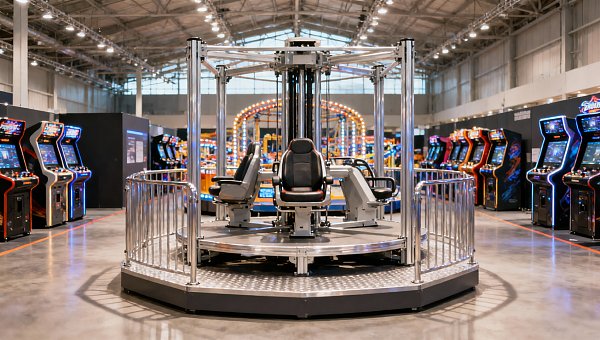
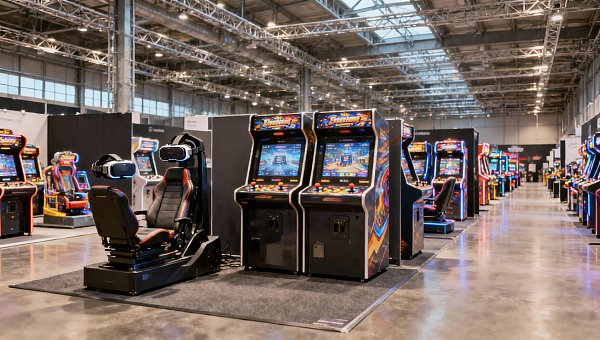
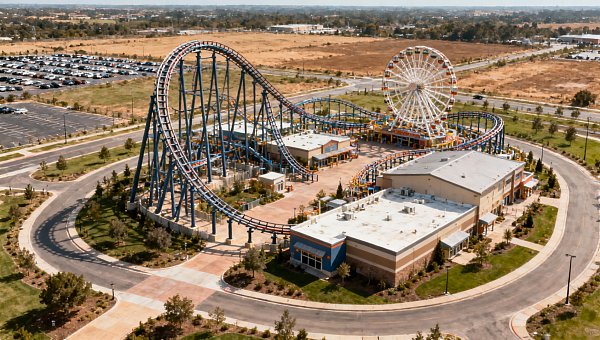
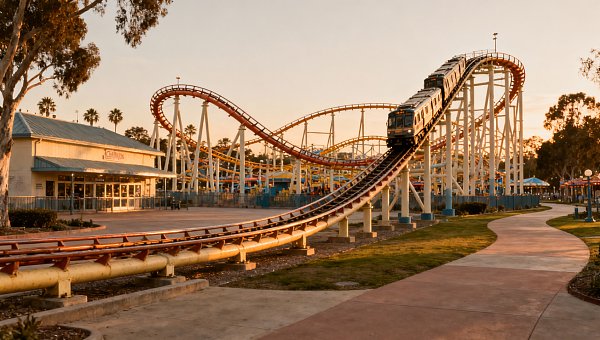
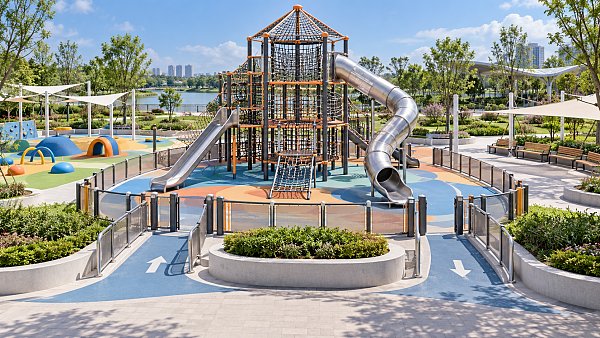
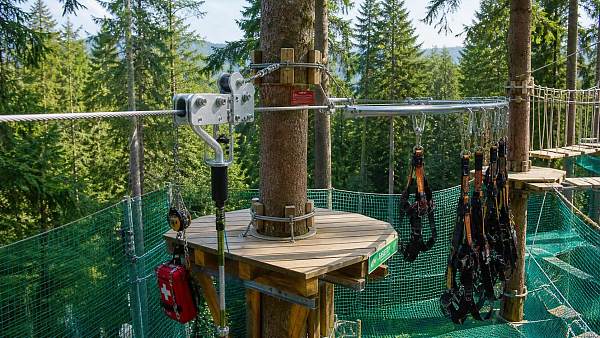
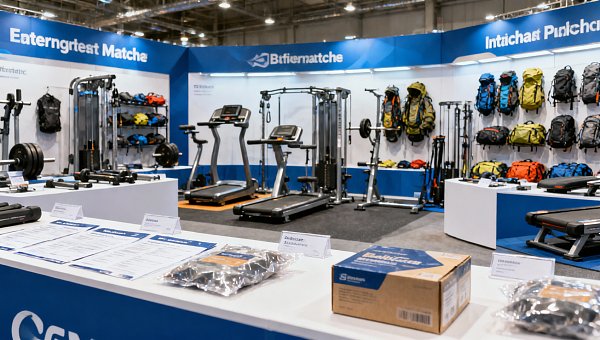
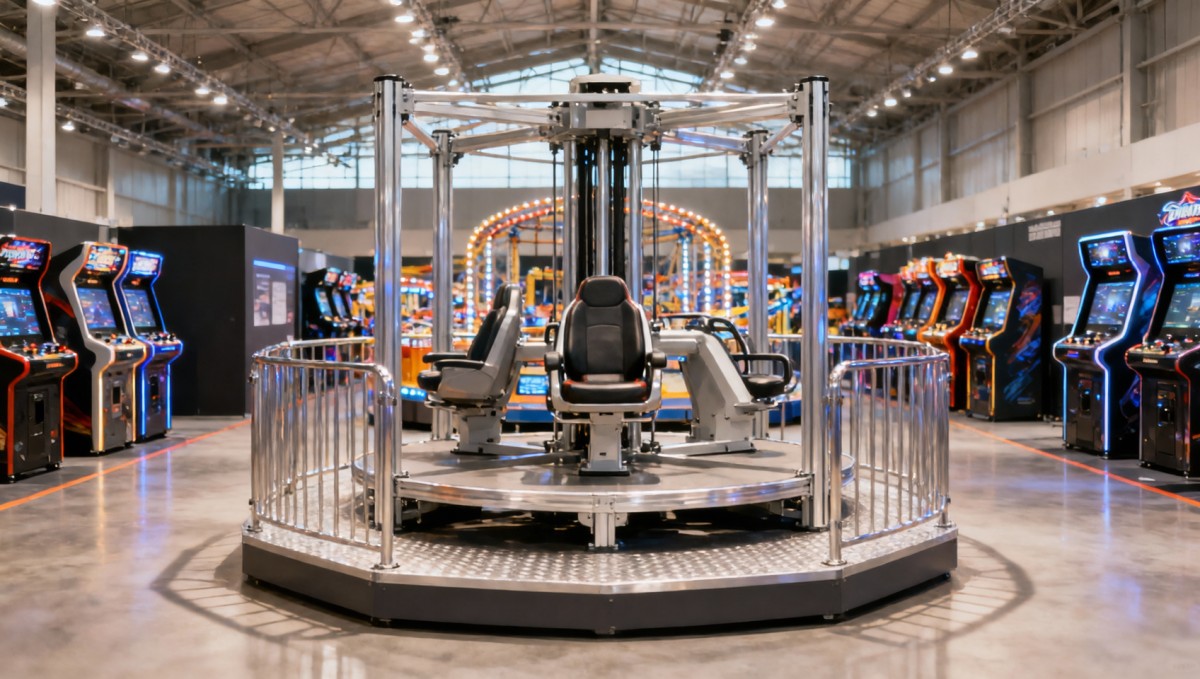
The gathering brought together amusement equipment companies, attraction operators and technology suppliers from around the world. Products and experiences presented included outdoor amusement facilities, indoor amusement equipment, arcade offerings and virtual reality experiences. The supplied summary describes the event as reflecting continued activity in investment in amusement and attractions.
Where a broader product showcase may affect purchasing decisions
From an industry perspective, the scale and range of the exhibition may give participants more opportunities to compare products and discuss projects. That possibility should be separated from evidence of an actual rule change: the supplied event information does not establish that any authority, standards body or buyer has introduced new requirements. The implications below are therefore potential commercial and compliance considerations, not confirmed outcomes of the expo.
Equipment suppliers face closer specification comparisons
Manufacturers and suppliers of outdoor and indoor equipment may find that a wider selection encourages prospective customers to compare technical documents as well as product features. A buyer considering several alternatives could ask how a proposed attraction fits its intended site, operating conditions and maintenance arrangements. Those questions may affect quotation preparation, product configuration and the scope of a supply agreement.
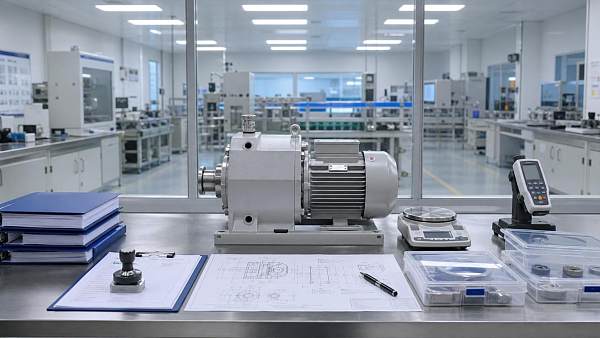
For suppliers, the practical issue is whether claims made during a demonstration can be matched to the documents available for the proposed delivery. Analysis suggests that product descriptions, drawings, operating instructions and evidence of relevant testing are useful starting points for discussion. The applicable requirements would still need to be identified for each project; the exhibition itself does not establish which documents or certifications a particular product must carry.
Operators must connect demonstrations with site needs
Attraction operators may use the gathering to assess outdoor rides, indoor equipment and immersive experiences against their own space and operating plans. A demonstration can help establish what a product does, but it does not by itself settle whether the proposed installation is suitable for a particular venue. Buyers may need to examine the configuration being offered, the responsibilities for installation and the information needed for operation and maintenance.
From a procurement perspective, this could move technical questions earlier in the buying process. An operator comparing an indoor attraction with a virtual reality experience, for example, may need different information about the physical installation, operating procedures and support arrangements. These are considerations for evaluating a purchase, not new obligations announced by the expo.
Integration and support may shape the final offer
Technology providers and equipment integrators may also be affected if customers seek to combine physical attractions with interactive or virtual reality components. Analysis suggests that the dividing line between suppliers' responsibilities could become an important part of a project discussion: who supplies each component, who checks that components work together, and who handles faults after delivery.
For service providers, the relevance lies in the possible gap between a product shown at an event and the complete system a venue expects to receive. A purchasing agreement that identifies interfaces, documentation and support responsibilities may help the parties assess that gap. The supplied information does not confirm that such arrangements have changed across the industry.
Cross-border buyers may need project-specific checks
Because the event brings together participants from around the world, some discussions may involve products crossing borders. If a proposed transaction does so, buyers and sellers may need to establish which destination requirements, commercial documents and delivery terms apply. The event summary does not identify any change to trade rules, customs procedures or certification recognition, so no general change can be inferred from the size of the exhibition.
Analysis suggests that early agreement on the product description and supporting records could reduce uncertainty when a buyer evaluates an overseas offer. The same applies to identifying who will arrange installation support or address a defect after delivery. Whether any particular document, test or approval is needed depends on the product and the relevant transaction and requires separate verification.
Turning expo discussions into reviewable purchase terms
Check the proposed product against the actual project
A useful first step for a prospective buyer is to record precisely what was presented and what is being quoted. The outdoor equipment, indoor equipment, arcade products and virtual reality experiences described in the event information may involve different configurations and support needs. Buyers can ask suppliers to identify the version covered by an offer, its intended operating conditions and any components that are excluded.
From an analytical standpoint, this comparison matters because an attractive demonstration may be only one part of a complete attraction. Before treating an offer as ready for purchase, the parties can review site assumptions, installation responsibilities and any dependencies on other equipment. These checks help define the scope of the deal; they do not imply that a new expo-specific rule has taken effect.
Verify evidence before relying on compliance claims
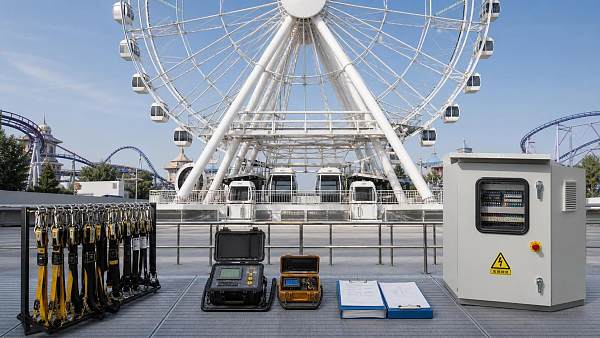
Where a supplier refers to compliance, testing or certification, the buyer can request enough detail to determine what the claim covers and whether it applies to the proposed configuration and destination. Relevant material may include technical documentation, test reports or certificates where appropriate to the project. The supplied event information does not name a standard or certification scheme, so the need for any specific evidence remains a matter for independent review.
Suppliers may likewise benefit from checking that their product literature is consistent with the equipment offered and from identifying any questions that require further confirmation. Analysis suggests that distinguishing verified documentation from information still being prepared can make procurement discussions clearer and reduce the risk of assuming that a demonstration establishes compliance.
Define delivery, installation and support responsibilities
The record exhibition area may create a broader setting for initial commercial conversations, but it does not establish delivery capacity or project schedules. Buyers considering an order can therefore ask for a proposed delivery timetable and clarify which party is responsible for transport, installation, commissioning and subsequent support. Suppliers can assess those expectations against the scope they are prepared to offer.
For products combining equipment and digital experiences, the parties may also wish to identify how updates, replacement components and fault reporting will be handled. These are suggested contract discussions, not requirements confirmed by the event summary. Their relevance will vary according to the product, the venue and the agreement reached.
Monitor later statements and purchasing documents
Companies interested in opportunities arising from the expo can follow subsequent official statements and review project-specific purchasing or tender documents as they become available. What deserves closer attention is whether any later material specifies technical criteria, documentation, certification evidence or delivery conditions that affect an actual transaction.
At present, the supplied information does not provide those details. A prudent response is to keep potential requirements open for verification and avoid treating the exhibition's scale as proof that a new compliance framework has been adopted.
What the record footprint does and does not signal
Editorial analysis suggests that the reported record exhibition area is best understood as an event and market-activity signal, rather than an implemented regulatory change or a confirmed signal of enforcement. The summary identifies a large gathering and a range of products; it does not report an announcement changing the rules under which those products are sold, installed or operated.
The distinction matters for planning. A larger venue may offer more opportunities to compare suppliers, yet exhibition space alone cannot establish the number or value of eventual purchases, the availability of financing, or the compliance status of individual products. Similarly, the first use of the West Hall describes the event's footprint; the supplied information does not connect it to a change in trade or technical requirements.
Subsequent information could alter the assessment. Relevant developments to watch include any verified official announcement, changes in applicable technical or certification guidance, terms in actual tenders, and feedback from operators and suppliers after the event. Each would need to be assessed on its own terms and linked to the products and markets it covers.
Reading the expo as a starting point for diligence
The reported opening of IAAPA Expo 2026 brings a record-sized showcase of amusement and attraction products to Orlando and provides a focal point for conversations across equipment, operations and technology. For businesses considering a purchase or supply opportunity, its most immediate significance may lie in comparing offers and identifying questions that require project-specific answers.
The balanced response is to treat the event as a prompt for commercial and technical due diligence. Any claim that rules, certification practices or delivery obligations have changed should be supported by separate, relevant evidence before it is incorporated into a purchasing decision or contract.
Basis for this report and points to verify
This article is based on the user-provided news title, event date and event summary. No specific official source link was provided in the input, and the event details and record claim require continued verification. Potential sources for follow-up include official event announcements, industry association information, standards organization documents and relevant regulatory or trade authority publications.
Further reporting should examine any policy details, certification guidance, changes to tender documents, trade implementation, industry feedback and evidence of how companies apply relevant requirements. No such subsequent developments are confirmed by the material supplied for this article.
Search News
Hot Articles
Popular Tags
Need ExpertConsultation?
Connect with our specialized leisureengineering team for procurementstrategies.
Recommended News
 Nov 19, 2026IAAPA Expo 2026 Opens in Orlando With Record 630,000 Square FeetIAAPA Expo 2026 brings a reported record 630,000 square feet of attractions to Orlando. Explore key buying considerations for suppliers and operators.● Theme Park Strategist
 Nov 18, 2026IAAPA Expo 2026 Opens in Orlando as Largest Attractions Industry ExpoIAAPA Expo 2026 in Orlando showcases rides, arcade equipment and VR technology. Discover what buyers and suppliers should know before making a deal.● Theme Park Strategist
 Nov 15, 2026Six Flags Reviews Parks for Possible Sale as Buyer Pool Remains LimitedSix Flags reviews parks and real estate for possible sale amid debt pressure. Discover why a limited buyer pool could affect any potential deals.● Theme Park Strategist
 Nov 08, 2026Six Flags to Close California's Great America After 2027 SeasonCalifornia's Great America will close after the 2027 season. Discover the final operating date, why Six Flags is closing the park, and how to plan your visit.● Theme Park Strategist
 Nov 07, 2026Choosing High Speed Electric Go Karts: Speed, Battery Life and SafetyCompare high speed electric go karts by speed, battery life and safety. Discover how to choose a reliable kart that fits your track and keeps sessions running smoothly.● Theme Park Strategist
 Nov 01, 2026Buying Fiberglass Water Slides from China: How to Evaluate SuppliersBuying fiberglass water slides from China? Learn how to assess suppliers, compare total costs, verify compliance, and plan installation with confidence.● Theme Park Strategist
 Oct 29, 2026TEA: Water Parks and Museums Outpace Theme Parks in 2025 Attendance GrowthTEA’s 2025 Global Experience Index shows water parks and museums outpacing theme parks in attendance growth. Explore the key figures and implications for attraction operators.● Theme Park Strategist
 Oct 28, 2026Choosing an Electric Trackless Train Supplier: Safety, Warranty, and Spare PartsChoosing an electric trackless train supplier? Compare safety evidence, warranty terms, and spare parts support to reduce downtime and buy with confidence. Explore what to check before ordering.● Theme Park Strategist
 Oct 26, 2026Aurora Park Phase One Opens at Former SeaWorld Site in OhioAurora Park at Ohio’s former SeaWorld site is scheduled to open phase one on October 25, 2026. Discover its restored dock, pavilion and new public recreation spaces.● Theme Park Strategist
 Oct 25, 2026Six Flags to Add Seat Belts to Goliath and Eight Other Coasters to Improve SafetySix Flags reportedly plans to add seat belts to Goliath and eight other coasters. Explore the planned safety upgrades, ride closures and potential retrofit implications.● Theme Park Strategist
 Oct 23, 2026Comcast Q3 Earnings: Universal Theme Park Revenue Falls 4.4% to $2.6 BillionComcast Q3 earnings: Universal theme park revenue reportedly fell 4.4% to $2.6 billion. Explore what ticket discounts and pricing pressure could mean for operators, ticket sellers and suppliers.● Theme Park Strategist
 Oct 21, 2026IAAPA Launches Insurance Solution for North American Attractions IndustryExplore IAAPA Insurance Solution, a dedicated insurance and risk management offering for North American attractions operators, and discover what it could mean for your business.● Theme Park Strategist
 Oct 20, 2026Energylandia Announces Rokan, Set to Be Europe’s Tallest and Longest B&M Wing CoasterDiscover Energylandia’s Rokan, set to become Europe’s tallest and longest B&M wing coaster. Explore the 62-metre thrill ride planned for spring 2027 in the new Volana themed area.● Theme Park Strategist
 Oct 23, 2026Can Amusement Ride Suppliers Meet Safety Rules Without On-Site Audits?Can a supplier pass amusement safety compliance without on-site audit? Explore accepted evidence, remote checks, and required inspections to make safer sourcing decisions.● Theme Park Strategist
 Oct 03, 2026How to Select Leisure Park Equipment for Safe, High-Throughput Visitor AreasLeisure park equipment selection guide for safe, high-throughput venues—explore capacity, supervision, durability, accessibility, and supplier criteria.● Theme Park Strategist
 Sep 18, 2026What Drives Animatronic Dinosaur Manufacturer Prices for Theme Park Projects?Animatronic dinosaurs manufacturer price guide: compare motion, materials, controls, installation, and lifecycle costs to plan a durable theme park attraction.● Theme Park Strategist
 Sep 06, 2026Do Amusement Ride Safety Compliance Requirements Change Every Year?Do amusement safety compliance requirements change annually? Learn what really changes, from standards and inspections to permits, upgrades, and local approvals.● Theme Park Strategist
 Sep 02, 2026How Long Does It Take to Receive Full Safety Documents From an OEM?How long does it take to get full safety documentation from OEM partners? Discover realistic timelines, common delays, and practical steps to secure compliant files faster.● Theme Park Strategist
 Sep 03, 2026Designing Adventure Park Safety Systems for Zip Lines, Ropes Courses, and Daily InspectionsAdventure park safety systems: learn how to design safer zip lines and ropes courses with daily inspections, defect controls, rescue readiness, and staff training.● Theme Park Strategist
 Aug 22, 2026What to Look for When Choosing Three Seat Jet Skis for Rental or Resort UseThree seat jet skis for rental or resort use should balance stability, safety, maintenance, and guest comfort. Learn how to choose models that boost uptime and guest satisfaction.● Theme Park Strategist
 Aug 17, 2026What Parts Matter Most in a Roller Coaster and How Do They Affect Ride Safety?Roller coaster parts determine ride safety more than most riders realize. Explore how tracks, restraints, brakes, wheels, and control systems work together to protect every ride.● Theme Park Strategist
 Aug 15, 20262026 China Sports Expo Sees 45.74% More Overseas Pre-registered Buyers as POB Expands Procurement Matching2026 China Sports Expo boosts overseas pre-registered buyers by 45.74% as POB expands procurement matching for fitness, outdoor, and venue suppliers.● Theme Park Strategist
 Aug 14, 2026What Should Buyers Check Before Choosing a Flying Chair Ride Exporter?Flying chair ride exporter buyers should check safety, structure, export support, and spare parts before purchase to reduce risk and choose a reliable supplier.● Theme Park Strategist
 Aug 04, 2026EU Issues EN 1176-1:2026 for Playground SafetyEU Issues EN 1176-1:2026 for Playground Safety: learn how the new standard impacts Outdoor Rides, CE certification, inventory checks, and EU compliance before March 2027.● Theme Park Strategist