Aurora Park Phase One Opens at Former SeaWorld Site in Ohio
Aurora Park at Geauga Lake in Aurora, Ohio, is scheduled to mark its first-phase grand opening on October 25, 2026, from 13:00 to 17:00, according to the supplied event information. The conversion of the former amusement property into a public recreation park offers a practical development for recreation operators, restoration contractors and suppliers to assess. However, the information identifies no new policy, regulation, standard or certification requirement. Its relevance to compliance and procurement therefore lies in the potential implications of the change in use, rather than a confirmed change in industry rules.
A Former Amusement Site Returns as Public Recreation Space
The 48-acre project occupies land formerly associated with SeaWorld Ohio and Six Flags. The supplied account describes the conversion of a site left unused for decades into a public recreation park.
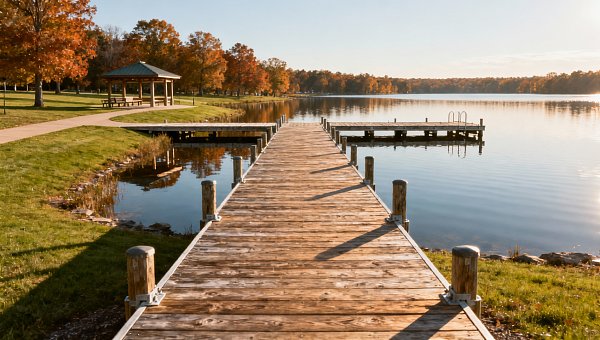
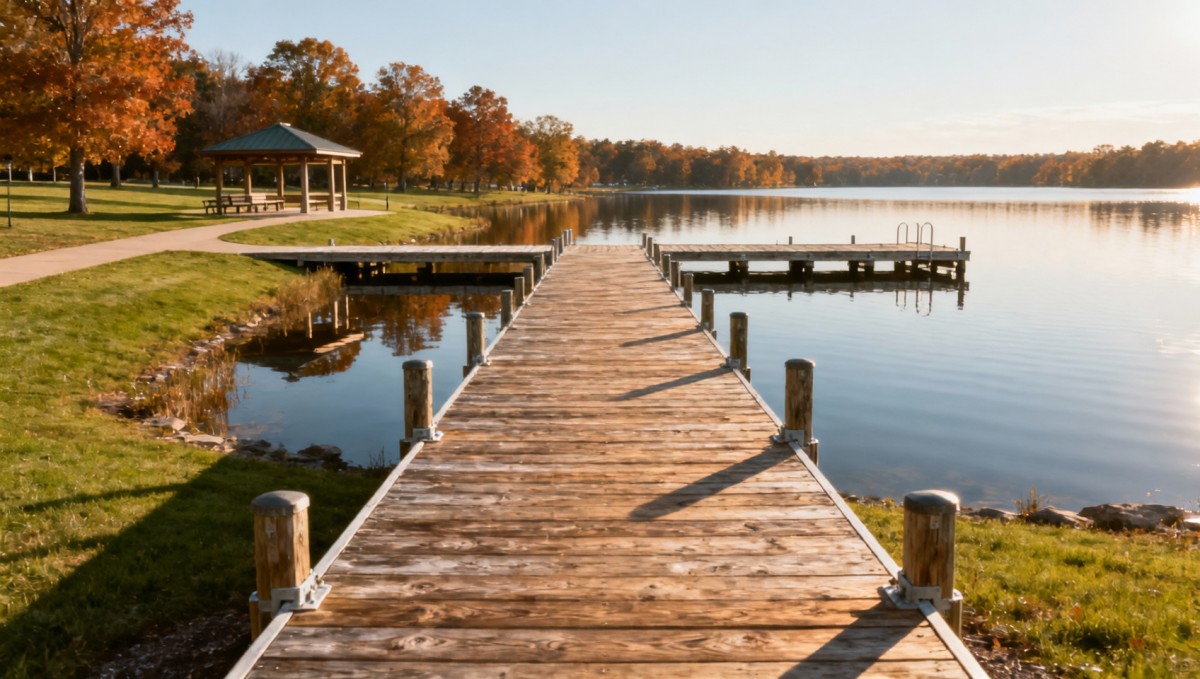
The first phase includes a restored dock, a pavilion and a historic gatehouse converted into an open-air leisure area. The grand opening is listed for October 25, 2026, with an event window of 13:00 to 17:00.
The Change in Use Raises Questions About Project Requirements
Restoration work and the basis for acceptance
From an industry perspective, adapting existing structures for public recreation may affect how contractors define work scopes, document completed repairs and demonstrate suitability for the intended use. For businesses assessing comparable projects, the restored dock and converted gatehouse make the relationship between retained structures and their new functions particularly relevant. The supplied information does not establish which inspections, approvals or acceptance criteria apply to Aurora Park.
Suppliers and the specification of replacement components
Analysis suggests that suppliers serving restoration projects may need to align proposed materials and components with both existing structures and the intended recreational use. This could affect specification reviews, installation documentation and maintenance information. No purchasing program, approved supplier list or product certification requirement is identified in the input, so the opening should not be treated as evidence of an available supply contract.
Public access and ongoing service delivery
For recreation operators and maintenance providers, the transition may bring attention to access arrangements, inspection responsibilities and upkeep of the dock, pavilion and leisure area. These are potential operational considerations arising from the described facilities. The event information does not confirm an operating model, service contract or allocation of maintenance responsibilities.
What Businesses Should Verify Before Making Commitments
Establish the applicable requirements
As a practical recommendation, contractors and suppliers considering involvement should verify the requirements relevant to their proposed work through project documentation. The announcement alone does not establish a new compliance obligation or show that any particular approval has been issued. Any assessment of accessibility, structural condition or public-use requirements would need supporting information beyond the supplied summary.
Match documentation to the actual facilities
For any prospective work, businesses could check whether specifications clearly distinguish restoration, replacement and ongoing maintenance. Where relevant to their scope, useful supporting material could include condition assessments, material specifications, inspection records and maintenance instructions. These are suggested verification areas, not documents confirmed as available or mandatory for this project.
Separate the opening milestone from future procurement
Analysis suggests that companies should distinguish the first-phase opening from any potential later work. The input provides no subsequent construction schedule, tender notice, purchasing volume or delivery deadline. Capacity planning and quotations should therefore depend on verified project requirements rather than an assumption that the opening signals further orders.
An Implementation Milestone, With No Confirmed Regulatory Change
As an editorial assessment, this event is best understood as a site-reuse milestone. It illustrates the practical transition from a former entertainment property to public recreation space, but it does not establish a broader policy direction or a newly implemented industry rule.
What deserves closer attention is whether subsequent project information clarifies operating responsibilities, maintenance arrangements, applicable approvals or procurement opportunities. Such information could help businesses assess how the new use translates into specific contractual and compliance expectations. Until then, claims about new certification demands, market-wide purchasing changes or regulatory effects would exceed the evidence provided.
A Concrete Reuse Project With a Limited Basis for Wider Conclusions
The first phase gives industry participants a defined example of existing leisure infrastructure being adapted for public recreation. Its potential commercial relevance lies in restoration, facility upkeep and related services. At this stage, a proportionate response is to monitor verified project requirements and assess opportunities against documented scopes, while keeping broader market and regulatory conclusions provisional.
Evidence Behind This Account and Details Still to Verify
This article is based solely on the user-provided news title, event date and time, and event summary. No specific official source link was included in the input, and the reported details remain subject to further verification. The stated opening date is presented as a scheduled event rather than independent confirmation that the ceremony has taken place.
Relevant material for subsequent verification could include official project announcements, applicable approval records, procurement documents and operating information. Further reporting should establish whether any project-specific requirements, tender changes, maintenance arrangements or industry feedback emerge. None of those additional details is confirmed by the supplied information.
Search News
Hot Articles
Popular Tags
Need ExpertConsultation?
Connect with our specialized leisureengineering team for procurementstrategies.
Recommended News
 Oct 26, 2026Aurora Park Phase One Opens at Former SeaWorld Site in OhioAurora Park at Ohio’s former SeaWorld site is scheduled to open phase one on October 25, 2026. Discover its restored dock, pavilion and new public recreation spaces.● Theme Park Strategist
 Oct 25, 2026Six Flags to Add Seat Belts to Goliath and Eight Other Coasters to Improve SafetySix Flags reportedly plans to add seat belts to Goliath and eight other coasters. Explore the planned safety upgrades, ride closures and potential retrofit implications.● Theme Park Strategist
 Oct 23, 2026Comcast Q3 Earnings: Universal Theme Park Revenue Falls 4.4% to $2.6 BillionComcast Q3 earnings: Universal theme park revenue reportedly fell 4.4% to $2.6 billion. Explore what ticket discounts and pricing pressure could mean for operators, ticket sellers and suppliers.● Theme Park Strategist
 Oct 21, 2026IAAPA Launches Insurance Solution for North American Attractions IndustryExplore IAAPA Insurance Solution, a dedicated insurance and risk management offering for North American attractions operators, and discover what it could mean for your business.● Theme Park Strategist
 Oct 20, 2026Energylandia Announces Rokan, Set to Be Europe’s Tallest and Longest B&M Wing CoasterDiscover Energylandia’s Rokan, set to become Europe’s tallest and longest B&M wing coaster. Explore the 62-metre thrill ride planned for spring 2027 in the new Volana themed area.● Theme Park Strategist
 Oct 23, 2026Can Amusement Ride Suppliers Meet Safety Rules Without On-Site Audits?Can a supplier pass amusement safety compliance without on-site audit? Explore accepted evidence, remote checks, and required inspections to make safer sourcing decisions.● Theme Park Strategist
 Oct 03, 2026How to Select Leisure Park Equipment for Safe, High-Throughput Visitor AreasLeisure park equipment selection guide for safe, high-throughput venues—explore capacity, supervision, durability, accessibility, and supplier criteria.● Theme Park Strategist
 Sep 18, 2026What Drives Animatronic Dinosaur Manufacturer Prices for Theme Park Projects?Animatronic dinosaurs manufacturer price guide: compare motion, materials, controls, installation, and lifecycle costs to plan a durable theme park attraction.● Theme Park Strategist
 Sep 06, 2026Do Amusement Ride Safety Compliance Requirements Change Every Year?Do amusement safety compliance requirements change annually? Learn what really changes, from standards and inspections to permits, upgrades, and local approvals.● Theme Park Strategist
 Sep 02, 2026How Long Does It Take to Receive Full Safety Documents From an OEM?How long does it take to get full safety documentation from OEM partners? Discover realistic timelines, common delays, and practical steps to secure compliant files faster.● Theme Park Strategist
 Sep 03, 2026Designing Adventure Park Safety Systems for Zip Lines, Ropes Courses, and Daily InspectionsAdventure park safety systems: learn how to design safer zip lines and ropes courses with daily inspections, defect controls, rescue readiness, and staff training.● Theme Park Strategist
 Aug 22, 2026What to Look for When Choosing Three Seat Jet Skis for Rental or Resort UseThree seat jet skis for rental or resort use should balance stability, safety, maintenance, and guest comfort. Learn how to choose models that boost uptime and guest satisfaction.● Theme Park Strategist
 Aug 17, 2026What Parts Matter Most in a Roller Coaster and How Do They Affect Ride Safety?Roller coaster parts determine ride safety more than most riders realize. Explore how tracks, restraints, brakes, wheels, and control systems work together to protect every ride.● Theme Park Strategist
 Aug 15, 20262026 China Sports Expo Sees 45.74% More Overseas Pre-registered Buyers as POB Expands Procurement Matching2026 China Sports Expo boosts overseas pre-registered buyers by 45.74% as POB expands procurement matching for fitness, outdoor, and venue suppliers.● Theme Park Strategist
 Aug 14, 2026What Should Buyers Check Before Choosing a Flying Chair Ride Exporter?Flying chair ride exporter buyers should check safety, structure, export support, and spare parts before purchase to reduce risk and choose a reliable supplier.● Theme Park Strategist
 Aug 04, 2026EU Issues EN 1176-1:2026 for Playground SafetyEU Issues EN 1176-1:2026 for Playground Safety: learn how the new standard impacts Outdoor Rides, CE certification, inventory checks, and EU compliance before March 2027.● Theme Park Strategist
 Aug 03, 2026CPSC Adopts ASTM F1487-26 for Imported Outdoor RidesOutdoor Rides face a major U.S. compliance shift as CPSC adopts ASTM F1487-26. Learn the new certification, testing, and customs risks before November 1, 2026.● Theme Park Strategist
 Jul 26, 2026Revised EN 1176:2026 Triggers Re-Certification for Outdoor RidesOutdoor Rides face immediate EN 1176:2026 re-certification for new CE applications. Learn how testing, documentation, and EU market access rules now affect exports and delivery plans.● Theme Park Strategist
 Jul 21, 2026CPSC Recall Flags Structural Risk in Outdoor RidesCPSC recall flags structural risk in outdoor rides: learn how ASTM F1487-23 failures affect importers, distributors, and compliance teams across the U.S., Canada, and Australia.● Theme Park Strategist
 Jul 19, 2026How to Choose Outdoor Fitness Equipment for Parks Based on Users, Space, and BudgetOutdoor fitness equipment for parks: learn how to choose the right mix based on users, space, and budget to improve safety, usage, and long-term value.● Theme Park Strategist
 Jul 15, 2026Ocean Freight Spike Pressures Outdoor Rides ExportsOcean Freight Spike Pressures Outdoor Rides Exports as Shanghai-Rotterdam rates surge 42%. See how rising freight costs, delays, and rerouting risks could reshape Europe-bound delivery plans.● Theme Park Strategist
 Jul 14, 2026EN 1176 Revision Takes Effect for Outdoor Ride Weld TestingEN 1176 revision takes effect for outdoor ride weld testing from Sept 1, 2026. Learn ISO 5817 level B, third-party NDT report rules, and key EU compliance steps.● Theme Park Strategist
 Jul 12, 2026Vietnam Requires AI Anti-Collision Systems for Imported Outdoor RidesVietnam Requires AI Anti-Collision Systems for Imported Outdoor Rides from Sept. 15, 2026. Learn compliance rules, VAST certification needs, and how importers can avoid delays.● Theme Park Strategist
 Jul 11, 2026Vietnam Tightens Rules for Imported Outdoor RidesVietnam Tightens Rules for Imported Outdoor Rides: learn how Vietnam’s 2026 compliance update adds AI anti-collision, Vietnamese logs, and local maintenance duties for importers and manufacturers.● Theme Park Strategist