How Long Does It Take to Receive Full Safety Documents From an OEM?
A shipment can look ready on the factory floor while a project remains stuck on paper. This often happens when a buyer asks for “the safety documents” near the end of production and discovers that the OEM has only a partial test report, an unsigned declaration, or a certificate that applies to a similar model rather than the exact item being purchased.
The delay is more than administrative. Hotel openings, campus installations, retail fit-outs, entertainment venues, and specialist equipment rollouts may depend on goods clearing internal compliance review before they can be shipped, installed, or accepted. When documents arrive late, procurement, quality, legal, logistics, and the supplier may all be working from different assumptions. The practical question is not simply whether paperwork exists, but whether it is complete, current, traceable, and relevant to the destination market.
For teams asking how long does it take to get full safety documentation from OEM partners, the realistic answer ranges from a few working days for an established, unchanged product with a well-managed file to several weeks or longer when products require testing, technical changes, translation, corrective work, or coordination with an independent laboratory. The fastest route is usually not chasing documents harder at the end. It is defining the required document pack before tooling, samples, and production decisions lock in.
Start by separating existing evidence from evidence that still has to be created
“Full safety documentation” is not a universal folder with the same contents for every category. A powered kitchen appliance, upholstered seating product, classroom furniture item, amusement component, audio device, lighting product, and luxury accessory can each require different supporting records. Requirements also vary by destination, intended use, materials, voltage, user group, and the way a product is presented or installed.
That is why the first supplier response can be misleading. An OEM may say it has a certificate, but that certificate may cover another model, another factory site, a previous material specification, or a different market. It may also be valid evidence for one element of compliance without being the complete file your organization needs.
Before discussing lead time, divide the request into two groups:
- Existing documents: reports, certificates, material declarations, technical drawings, labels, manuals, factory records, or quality-control procedures already held by the supplier.
- Documents requiring action: revised test reports, new laboratory testing, translated manuals, updated risk assessments, corrected labels, supplier declarations, or evidence linked to a customized configuration.
That distinction changes the schedule immediately. Retrieving a controlled PDF from a properly managed document system is a short task. Re-testing a modified product or establishing whether a component substitution affects an existing report is not.
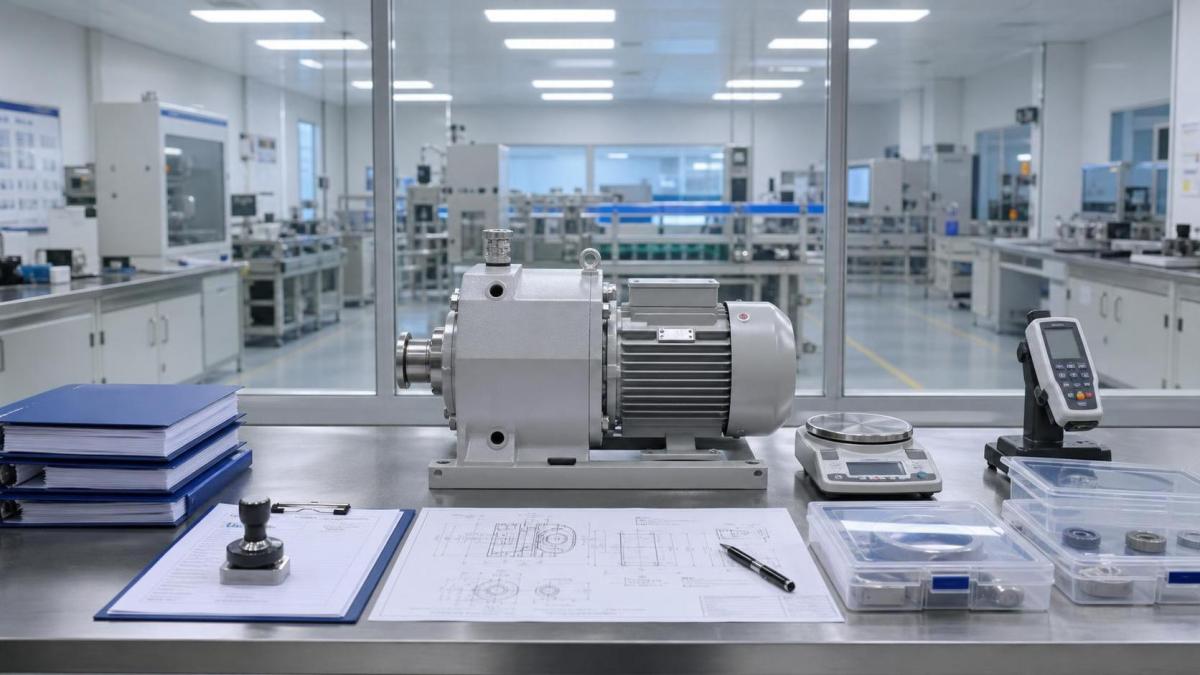
Typical timing depends on the condition of the product file
There is no responsible fixed promise, but procurement teams can plan around several common situations. The key is to ask the OEM which situation applies, rather than accepting a general statement that documents are “available.”
A supplier with an organized compliance process can often provide the first document set promptly. Yet “first set” does not mean “approved set.” Buyers commonly need to compare model numbers, rated specifications, component lists, manufacturing locations, test dates, and applicable product descriptions. That review can expose gaps even when the OEM responded quickly.
The delays that cause the most trouble are usually avoidable
Many documentation problems are created by timing rather than bad intent. The buyer requests proof after approving a custom finish. The factory changes a power supply due to component availability. A sales contact sends a report without checking whether the tested configuration matches the purchase order. By the time the discrepancy is noticed, production may already be underway.
A report does not match the ordered configuration
This is one of the most frequent issues with configurable commercial products. A report might name a different wattage, fabric, cable, plug, frame, coating, battery, or accessory. Sometimes the difference is insignificant; sometimes it changes the basis on which the product was tested. Only the party responsible for technical assessment can make that determination. A buyer should not assume that visual similarity proves compliance equivalence.
The factory name, model number, or revision is inconsistent
Model references can change between development, quotation, purchase order, packaging artwork, and final manuals. Factory names may also appear differently across documents because of corporate structures or manufacturing arrangements. These discrepancies do not automatically invalidate the documents, but they should be explained in writing. If the chain of identity cannot be followed from ordered product to supporting evidence, the file is difficult to defend during internal review or a later inquiry.
Testing begins after production has started
Testing an early sample can reveal issues that require design adjustment, material replacement, label changes, or revised instructions. If testing begins only when mass production is nearly complete, even a minor finding can become a shipment delay. The risk is greater for products involving electrical systems, moving parts, elevated loads, heat, chemicals, child use, food contact, or installation-specific safety considerations.
Documents are treated as a sales attachment instead of controlled records
Files shared in a messaging thread often lose context. A document may be old, incomplete, or superseded, and nobody is certain which version the factory used for production. A better process identifies a document owner, issue date, revision status, and clear connection to the ordered product. This does not need to be bureaucratic; it simply prevents an outdated attachment from being mistaken for current evidence.
Build the request before asking the OEM for a deadline
A broad request such as “please send all certificates” often produces a broad but unusable response. Give the OEM a structured request that allows engineering or compliance staff to identify gaps early. The request should be tied to the actual purchase, not a generic product brochure.
Begin with a short product identity sheet. Include the supplier’s model number, buyer reference, product description, photographs or approved drawings where useful, destination market, intended commercial use, rated electrical details if applicable, selected materials and finishes, accessories, and any installation conditions. If several variants will be ordered, list them separately. Treat each variant as a question to be confirmed rather than assuming one file covers all.
Then ask the OEM to provide a document index before it uploads every file. The index can state:
- the document name and type;
- the model or configuration covered;
- the issuing organization or responsible party;
- the issue date and revision number;
- whether it applies directly, applies by documented product-family rationale, or requires updating;
- any expected completion date for outstanding items.
This approach makes delays visible. Instead of receiving a mixed folder and finding problems one attachment at a time, the buyer can see which documents are ready, which are pending, and which need technical confirmation.
A practical sequence from quotation to shipment
The most reliable process begins before the purchase order is released. During supplier selection, ask whether the OEM maintains documentation by model and revision, who controls the files, and whether its quoted configuration has supporting evidence for the intended market. A supplier does not need to disclose confidential details at this stage, but it should be able to explain the status of its compliance file clearly.
Once specifications are being finalized, create a document matrix that links each required item to a responsible party and a review point. The OEM may provide test evidence, declarations, manuals, drawings, and traceability information. A third-party laboratory may provide reports or certificates. The buyer’s compliance team or external adviser may decide whether the collected material satisfies a particular market or project requirement. Keeping those roles separate reduces the common mistake of assuming the factory alone can determine every legal or contractual requirement.
Before production, freeze the attributes that can affect documentation. This includes more than the main product design. Material grades, foam or fabric selections, coatings, power components, chargers, plugs, glass, fasteners, packaging warnings, instruction language, and branding may all matter depending on the product. If substitutions are permitted, require the OEM to notify the buyer before making them and to state whether the substitution changes the supporting file.
During production, request updates against the document index rather than asking repeatedly for “any news.” For an item still pending, the useful questions are: Has testing been booked? Has a sample been submitted? Is a laboratory question outstanding? Has a technical nonconformity been identified? Is the manufacturer revising the design or simply awaiting issue of the report? Those answers provide a much more realistic forecast than a single promised date.
Before shipment release, reconcile the final product against the approved file. Check the model designation, final bill of materials where relevant, rating labels, user instructions, packaging markings, factory identity, and revision dates. If the product was altered after documents were reviewed, reopen the affected part of the file. Shipment should not be released merely because documents were received at some earlier point.
When a “complete” file is still not enough
Some buyers need more than product safety evidence. A hotel operator may have internal fire-performance, installation, maintenance, or insurance requirements. An educational project may require particular information relating to use conditions or cleaning materials. A venue operator may need structural, operational, or inspection records for equipment integrated into a larger installation. These requirements can sit alongside formal market-entry obligations but are not automatically supplied in an OEM’s standard document pack.
For this reason, distinguish between regulatory evidence, contractual project requirements, and internal procurement standards. Put all three into the original request. Otherwise, a supplier may deliver the documentation it normally provides and still miss a requirement that matters to your project team.
It is also sensible to decide who will review technical evidence. An internal quality manager may be equipped to assess routine documentation, while unusual product risks, high-consequence installations, or unfamiliar jurisdictions may justify review by a qualified compliance specialist. The purpose is not to create unnecessary gatekeeping. It is to avoid interpreting complex safety evidence through a commercial lens alone.
Signals that should prompt a pause
A late document is not always a warning sign. Laboratories, translations, and technical reviews take time. But certain responses should lead to closer scrutiny: the OEM refuses to identify the model covered by a report; document dates and product revisions conflict; the factory cannot explain who issued a certificate; a report has missing pages; labels shown in photographs differ from label artwork; or the supplier offers to “handle it after shipment.”
Another concern is a request to accept a document for a related item without a technical explanation of the relationship. Product-family evidence can be legitimate in some circumstances, but it should be supported by a clear rationale from the appropriate responsible party. A vague statement that products are “basically the same” is not enough for a controlled procurement file.
If the supplier is responsive but disorganized, the issue may be solved by giving it a clear index, naming a single document contact, and setting staged review dates. If it cannot provide traceable basic information about the product it is manufacturing, the buyer should reassess whether the compliance risk is acceptable before further commitments are made.
Set a deadline that reflects the real work
The best deadline is not “send everything immediately.” It is a sequence: initial index, available documents, gap assessment, pending evidence, buyer review comments, corrected package, and final shipment-release file. This lets both sides identify whether the bottleneck is document retrieval, technical review, testing, or product modification.
When timing is critical, ask the OEM to identify the longest-lead evidence first. A manual revision may be quick; a new test or design correction may control the entire schedule. Prioritize the unknowns that could stop production or shipment, then resolve formatting and noncritical administrative items afterward.
In practice, full safety documentation arrives fastest when it is treated as part of product development and purchase control, not as a final logistics task. A defined product identity, a destination-specific request, controlled revisions, and early review create a clearer path for the OEM and a more reliable decision for the buyer. That preparation will not eliminate every delay, but it makes the remaining timeline understandable—and far less likely to surprise the project at the point when goods are ready to move.
Search News
Hot Articles
- Musical InstrumentsProfessional String Instruments: How to Evaluate Tone, Response, and ProjectionOct 17, 2026
- Restaurant FurnitureBuying Hotel Lobby Furniture Wholesale: MOQs, Freight Costs, and Lead TimesOct 16, 2026
- Pro Stage AudioDesigning Theater Sound Systems for Clear Dialogue and Even Audience CoverageOct 15, 2026
Popular Tags
Need ExpertConsultation?
Connect with our specialized leisureengineering team for procurementstrategies.
Recommended News
 Oct 03, 2026How to Select Leisure Park Equipment for Safe, High-Throughput Visitor AreasLeisure park equipment selection guide for safe, high-throughput venues—explore capacity, supervision, durability, accessibility, and supplier criteria.● Theme Park Strategist
 Sep 18, 2026What Drives Animatronic Dinosaur Manufacturer Prices for Theme Park Projects?Animatronic dinosaurs manufacturer price guide: compare motion, materials, controls, installation, and lifecycle costs to plan a durable theme park attraction.● Theme Park Strategist
 Sep 06, 2026Do Amusement Ride Safety Compliance Requirements Change Every Year?Do amusement safety compliance requirements change annually? Learn what really changes, from standards and inspections to permits, upgrades, and local approvals.● Theme Park Strategist
 Sep 02, 2026How Long Does It Take to Receive Full Safety Documents From an OEM?How long does it take to get full safety documentation from OEM partners? Discover realistic timelines, common delays, and practical steps to secure compliant files faster.● Theme Park Strategist
 Sep 03, 2026Designing Adventure Park Safety Systems for Zip Lines, Ropes Courses, and Daily InspectionsAdventure park safety systems: learn how to design safer zip lines and ropes courses with daily inspections, defect controls, rescue readiness, and staff training.● Theme Park Strategist
 Aug 22, 2026What to Look for When Choosing Three Seat Jet Skis for Rental or Resort UseThree seat jet skis for rental or resort use should balance stability, safety, maintenance, and guest comfort. Learn how to choose models that boost uptime and guest satisfaction.● Theme Park Strategist
 Aug 17, 2026What Parts Matter Most in a Roller Coaster and How Do They Affect Ride Safety?Roller coaster parts determine ride safety more than most riders realize. Explore how tracks, restraints, brakes, wheels, and control systems work together to protect every ride.● Theme Park Strategist
 Aug 15, 20262026 China Sports Expo Sees 45.74% More Overseas Pre-registered Buyers as POB Expands Procurement Matching2026 China Sports Expo boosts overseas pre-registered buyers by 45.74% as POB expands procurement matching for fitness, outdoor, and venue suppliers.● Theme Park Strategist
 Aug 14, 2026What Should Buyers Check Before Choosing a Flying Chair Ride Exporter?Flying chair ride exporter buyers should check safety, structure, export support, and spare parts before purchase to reduce risk and choose a reliable supplier.● Theme Park Strategist
 Aug 04, 2026EU Issues EN 1176-1:2026 for Playground SafetyEU Issues EN 1176-1:2026 for Playground Safety: learn how the new standard impacts Outdoor Rides, CE certification, inventory checks, and EU compliance before March 2027.● Theme Park Strategist
 Aug 03, 2026CPSC Adopts ASTM F1487-26 for Imported Outdoor RidesOutdoor Rides face a major U.S. compliance shift as CPSC adopts ASTM F1487-26. Learn the new certification, testing, and customs risks before November 1, 2026.● Theme Park Strategist
 Jul 26, 2026Revised EN 1176:2026 Triggers Re-Certification for Outdoor RidesOutdoor Rides face immediate EN 1176:2026 re-certification for new CE applications. Learn how testing, documentation, and EU market access rules now affect exports and delivery plans.● Theme Park Strategist
 Jul 21, 2026CPSC Recall Flags Structural Risk in Outdoor RidesCPSC recall flags structural risk in outdoor rides: learn how ASTM F1487-23 failures affect importers, distributors, and compliance teams across the U.S., Canada, and Australia.● Theme Park Strategist
 Jul 19, 2026How to Choose Outdoor Fitness Equipment for Parks Based on Users, Space, and BudgetOutdoor fitness equipment for parks: learn how to choose the right mix based on users, space, and budget to improve safety, usage, and long-term value.● Theme Park Strategist
 Jul 15, 2026Ocean Freight Spike Pressures Outdoor Rides ExportsOcean Freight Spike Pressures Outdoor Rides Exports as Shanghai-Rotterdam rates surge 42%. See how rising freight costs, delays, and rerouting risks could reshape Europe-bound delivery plans.● Theme Park Strategist
 Jul 14, 2026EN 1176 Revision Takes Effect for Outdoor Ride Weld TestingEN 1176 revision takes effect for outdoor ride weld testing from Sept 1, 2026. Learn ISO 5817 level B, third-party NDT report rules, and key EU compliance steps.● Theme Park Strategist
 Jul 12, 2026Vietnam Requires AI Anti-Collision Systems for Imported Outdoor RidesVietnam Requires AI Anti-Collision Systems for Imported Outdoor Rides from Sept. 15, 2026. Learn compliance rules, VAST certification needs, and how importers can avoid delays.● Theme Park Strategist
 Jul 11, 2026Vietnam Tightens Rules for Imported Outdoor RidesVietnam Tightens Rules for Imported Outdoor Rides: learn how Vietnam’s 2026 compliance update adds AI anti-collision, Vietnamese logs, and local maintenance duties for importers and manufacturers.● Theme Park Strategist
 Jul 09, 2026How to Evaluate a Lazy River Equipment Supplier for Safety, Flow Design, and MaintenanceLazy river equipment supplier selection affects safety, flow design, and maintenance costs. Learn what to compare, what to ask, and how to choose a reliable partner.● Theme Park Strategist
 Jul 08, 2026RCEP Update Cuts ASEAN Tariffs to Zero for Outdoor RidesRCEP update cuts ASEAN tariffs to zero for outdoor rides from China. Learn how FSC-CoC, PEFC traceability, and e-CO compliance affect exports, sourcing, and buyer decisions.● Theme Park Strategist
 Jul 07, 2026RCEP Guide Adds Dual Wood Traceability for Outdoor RidesOutdoor Rides exporters face a new RCEP traceability rule: dual FSC-CoC and PEFC-STS 2023 codes for wood components. See what changes before Oct. 1, 2026.● Theme Park Strategist
 Jul 06, 2026Vietnam Tightens RCEP Rules for Wooden Ride PartsVietnam Tightens RCEP Rules for Wooden Ride Parts: learn how FSC Chain-of-Custody and QR code requirements now affect outdoor rides, RCEP imports, and shipment compliance.● Theme Park Strategist
 Jul 06, 2026How to Evaluate a Bumper Cars on Ice Manufacturer for Safety, Capacity, and ROIBumper cars on ice manufacturer selection starts with safety, capacity, and ROI. Learn how to compare suppliers, reduce risk, and choose a partner built for long-term commercial success.● Theme Park Strategist
 Jul 04, 2026Electric Drift Bumper Cars vs Traditional Bumper Cars: Which Fits Your Venue Better?Electric drift bumper cars or traditional bumper cars? Compare installation, safety, maintenance, guest appeal, and ROI to choose the best fit for your venue.● Theme Park Strategist