Electric Drift Bumper Cars vs Traditional Bumper Cars: Which Fits Your Venue Better?
Electric Drift Bumper Cars vs Traditional Bumper Cars: Which Fits Your Venue Better?
Choosing between electric drift bumper cars and traditional bumper cars can shape guest demand, operating cost, and return on investment for years.
For amusement buyers, this is not only a ride selection issue. It is a layout, staffing, maintenance, and revenue model decision.
Electric drift bumper cars and traditional bumper cars both serve the family entertainment market, but they solve different business needs.
The better choice depends on your venue type, audience profile, floor conditions, throughput goals, and brand positioning.
This guide compares both formats in practical terms, so your selection process stays grounded in performance, safety, and long-term value.
Why This Choice Matters More Than It Used To
From recent market shifts, one signal is clear. Guests expect more interactive, social, and visually dynamic ride experiences.
That makes electric drift bumper cars attractive for venues seeking a fresh attraction without installing a large coaster or dark ride.
At the same time, traditional bumper cars remain dependable. They are familiar, proven, and often easier to explain to finance teams.
In practical business terms, the question is simple: do you need a classic crowd-pleaser, or a higher-impact attraction with stronger novelty value?
What Electric Drift Bumper Cars Actually Change
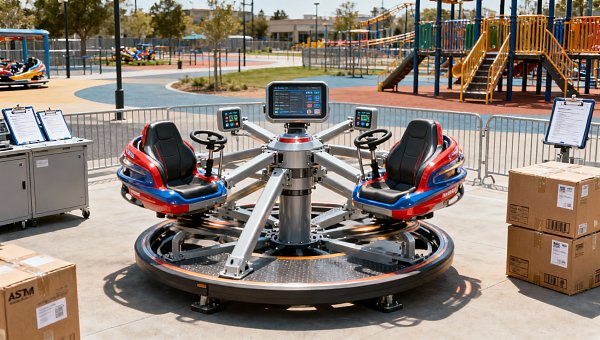
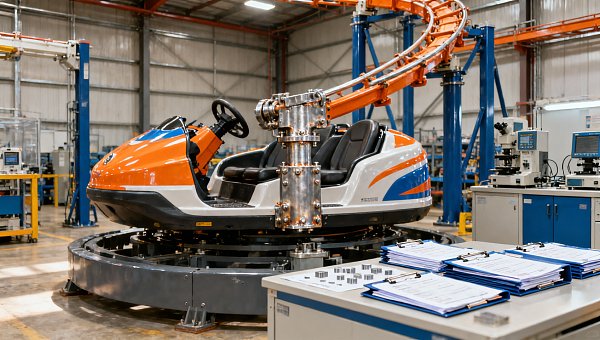
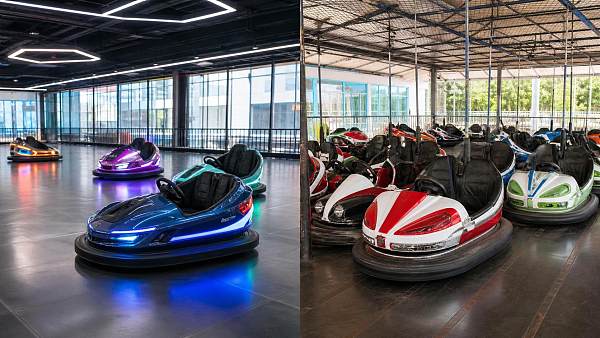
Electric drift bumper cars are battery-powered units designed for freer movement, spinning action, and drifting maneuvers on flat floors.
Unlike ceiling-grid bumper car systems, they do not depend on overhead power collection poles. That changes both installation and visual presentation.
The ride experience feels more active. Riders usually get sharper turns, faster directional changes, and a stronger sense of individual control.
For venues targeting teenagers, young adults, and social media sharing, electric drift bumper cars often create stronger immediate appeal.
They also support themed arenas more easily, because the space is visually cleaner and less constrained by legacy power infrastructure.
Where Traditional Bumper Cars Still Win
Traditional bumper cars still perform well in parks, malls, seaside amusement centers, and family venues with broad age ranges.
Their core advantage is familiarity. Guests understand the experience instantly, which lowers the barrier to purchase and reduces staff explanation.
Traditional systems also emphasize bumping interaction over drifting technique. That can be a better fit for family-focused entertainment positioning.
When your venue needs a stable, low-surprise attraction, traditional bumper cars often deliver a more predictable operating pattern.
For buyers comparing amusement ride procurement options, predictability still matters, especially in mature venues with fixed seasonal planning.
Side-By-Side Procurement Comparison
Space Planning and Layout Requirements
In actual operations, space planning often decides the purchase before guest preference does.
Electric drift bumper cars usually need a smooth, durable floor and sufficient open turning space to deliver their full effect.
If the arena is too tight, the drifting experience becomes less impressive, and the premium value of the ride weakens.
Traditional bumper cars can be easier to plan inside established ride footprints, especially when replacing older bumper car equipment.
For retrofit projects, check ceiling height, electrical infrastructure, queue design, emergency exits, and spectator visibility before comparing quotations.
Safety, Compliance, and Risk Control
Safety should never be reduced to bumper design alone. It involves speed control, restraint systems, rider instructions, padding, and operator oversight.
Electric drift bumper cars may create a more dynamic ride pattern, so anti-collision logic, speed settings, and perimeter protection deserve close review.
Traditional bumper cars have longer operating histories, which can make local approval processes more straightforward in some regions.
That said, buyers should not assume compliance is automatic. Certification scope varies by manufacturer, market, and intended installation type.
During supplier evaluation, confirm these points:
- Applicable ride safety standards and test reports
- Battery and charging system protections
- Emergency stop design and operator controls
- Age, height, and weight operating limits
- Spare parts support and service response time
Maintenance Reality and Operating Cost
This is where procurement teams need to look past brochure language. A lower purchase price does not always mean a lower lifecycle cost.
Electric drift bumper cars can reduce some infrastructure complexity, but battery replacement planning becomes a central cost factor.
Charging discipline, downtime rotation, and technician familiarity all affect actual yearly performance.
Traditional bumper cars may require more attention to contact systems, conductive surfaces, and wear from repeated direct impacts.
For heavily used venues, body panels, bumpers, steering components, and floor conditions should be priced into the maintenance model.
Ask every supplier for a five-year consumables estimate. That single document often reveals more than the equipment brochure.
Guest Experience and Revenue Potential
Electric drift bumper cars usually perform well when the attraction itself must help market the venue.
They look modern, photograph well, and support premium pricing when paired with lighting, music, or competitive game formats.
This can matter in urban entertainment centers where every attraction must justify floor space through visibility and repeat visits.
Traditional bumper cars, however, often win on broad accessibility. Parents, children, and mixed-age groups tend to understand the value immediately.
If your revenue model depends on steady family traffic rather than trend-driven footfall, traditional bumper cars may convert more consistently.
Which Option Fits Different Venue Types
Electric drift bumper cars are often the stronger choice when you operate:
- Modern family entertainment centers with premium attraction strategies
- Arcades or indoor parks targeting teens and young adults
- Pop-up or branded activation spaces needing visual impact
- Venues seeking social media visibility and differentiated ride identity
Traditional bumper cars are often the better fit when you operate:
- Established amusement parks with existing bumper car zones
- Family-focused venues prioritizing familiarity and simple play patterns
- Locations with proven maintenance routines for classic ride systems
- Projects where capital predictability matters more than novelty
A Practical Selection Framework
Before making a final decision, score both options across these five procurement questions:
- Will electric drift bumper cars increase ticket value or footfall enough to justify their positioning?
- Does your space support free movement, charging routines, and clear safety circulation?
- Do your visitors prefer classic family rides or trend-forward interactive attractions?
- Can your maintenance team support the selected system without excessive outsourcing?
- Which supplier offers stronger compliance documentation, training, and parts continuity?
Final Decision
Electric drift bumper cars are usually the better investment when your venue needs a modern signature attraction with stronger visual energy.
Traditional bumper cars remain the smarter choice when reliability, familiarity, and broad family appeal carry more weight than novelty.
The most effective buying decision comes from matching the ride to your operating model, not chasing the newest concept by default.
Compare supplier credentials, installation demands, safety files, and five-year operating costs before selecting electric drift bumper cars or a traditional system.
When the analysis is structured that way, the right option usually becomes clear quickly and stands up better over time.
Search News
Hot Articles
- Outdoor RidesHow to Select Leisure Park Equipment for Safe, High-Throughput Visitor AreasOct 03, 2026
- Fashion & Gem JewelryDiamond Tester Wholesale: How to Vet Accuracy, Calibration, and MOQ Before OrderingOct 02, 2026
- Hotel Room AmenitiesHow Hotels Can Choose Amenity Bottles That Balance Brand Image and Refill CostsOct 01, 2026
Popular Tags
Need ExpertConsultation?
Connect with our specialized leisureengineering team for procurementstrategies.
Recommended News
 Oct 03, 2026How to Select Leisure Park Equipment for Safe, High-Throughput Visitor AreasLeisure park equipment selection guide for safe, high-throughput venues—explore capacity, supervision, durability, accessibility, and supplier criteria.● Theme Park Strategist
 Sep 18, 2026What Drives Animatronic Dinosaur Manufacturer Prices for Theme Park Projects?Animatronic dinosaurs manufacturer price guide: compare motion, materials, controls, installation, and lifecycle costs to plan a durable theme park attraction.● Theme Park Strategist
 Sep 06, 2026Do Amusement Ride Safety Compliance Requirements Change Every Year?Do amusement safety compliance requirements change annually? Learn what really changes, from standards and inspections to permits, upgrades, and local approvals.● Theme Park Strategist
 Sep 02, 2026How Long Does It Take to Receive Full Safety Documents From an OEM?How long does it take to get full safety documentation from OEM partners? Discover realistic timelines, common delays, and practical steps to secure compliant files faster.● Theme Park Strategist
 Sep 03, 2026Designing Adventure Park Safety Systems for Zip Lines, Ropes Courses, and Daily InspectionsAdventure park safety systems: learn how to design safer zip lines and ropes courses with daily inspections, defect controls, rescue readiness, and staff training.● Theme Park Strategist
 Aug 22, 2026What to Look for When Choosing Three Seat Jet Skis for Rental or Resort UseThree seat jet skis for rental or resort use should balance stability, safety, maintenance, and guest comfort. Learn how to choose models that boost uptime and guest satisfaction.● Theme Park Strategist
 Aug 17, 2026What Parts Matter Most in a Roller Coaster and How Do They Affect Ride Safety?Roller coaster parts determine ride safety more than most riders realize. Explore how tracks, restraints, brakes, wheels, and control systems work together to protect every ride.● Theme Park Strategist
 Aug 15, 20262026 China Sports Expo Sees 45.74% More Overseas Pre-registered Buyers as POB Expands Procurement Matching2026 China Sports Expo boosts overseas pre-registered buyers by 45.74% as POB expands procurement matching for fitness, outdoor, and venue suppliers.● Theme Park Strategist
 Aug 14, 2026What Should Buyers Check Before Choosing a Flying Chair Ride Exporter?Flying chair ride exporter buyers should check safety, structure, export support, and spare parts before purchase to reduce risk and choose a reliable supplier.● Theme Park Strategist
 Aug 04, 2026EU Issues EN 1176-1:2026 for Playground SafetyEU Issues EN 1176-1:2026 for Playground Safety: learn how the new standard impacts Outdoor Rides, CE certification, inventory checks, and EU compliance before March 2027.● Theme Park Strategist
 Aug 03, 2026CPSC Adopts ASTM F1487-26 for Imported Outdoor RidesOutdoor Rides face a major U.S. compliance shift as CPSC adopts ASTM F1487-26. Learn the new certification, testing, and customs risks before November 1, 2026.● Theme Park Strategist
 Jul 26, 2026Revised EN 1176:2026 Triggers Re-Certification for Outdoor RidesOutdoor Rides face immediate EN 1176:2026 re-certification for new CE applications. Learn how testing, documentation, and EU market access rules now affect exports and delivery plans.● Theme Park Strategist
 Jul 21, 2026CPSC Recall Flags Structural Risk in Outdoor RidesCPSC recall flags structural risk in outdoor rides: learn how ASTM F1487-23 failures affect importers, distributors, and compliance teams across the U.S., Canada, and Australia.● Theme Park Strategist
 Jul 19, 2026How to Choose Outdoor Fitness Equipment for Parks Based on Users, Space, and BudgetOutdoor fitness equipment for parks: learn how to choose the right mix based on users, space, and budget to improve safety, usage, and long-term value.● Theme Park Strategist
 Jul 15, 2026Ocean Freight Spike Pressures Outdoor Rides ExportsOcean Freight Spike Pressures Outdoor Rides Exports as Shanghai-Rotterdam rates surge 42%. See how rising freight costs, delays, and rerouting risks could reshape Europe-bound delivery plans.● Theme Park Strategist
 Jul 14, 2026EN 1176 Revision Takes Effect for Outdoor Ride Weld TestingEN 1176 revision takes effect for outdoor ride weld testing from Sept 1, 2026. Learn ISO 5817 level B, third-party NDT report rules, and key EU compliance steps.● Theme Park Strategist
 Jul 12, 2026Vietnam Requires AI Anti-Collision Systems for Imported Outdoor RidesVietnam Requires AI Anti-Collision Systems for Imported Outdoor Rides from Sept. 15, 2026. Learn compliance rules, VAST certification needs, and how importers can avoid delays.● Theme Park Strategist
 Jul 11, 2026Vietnam Tightens Rules for Imported Outdoor RidesVietnam Tightens Rules for Imported Outdoor Rides: learn how Vietnam’s 2026 compliance update adds AI anti-collision, Vietnamese logs, and local maintenance duties for importers and manufacturers.● Theme Park Strategist
 Jul 09, 2026How to Evaluate a Lazy River Equipment Supplier for Safety, Flow Design, and MaintenanceLazy river equipment supplier selection affects safety, flow design, and maintenance costs. Learn what to compare, what to ask, and how to choose a reliable partner.● Theme Park Strategist
 Jul 08, 2026RCEP Update Cuts ASEAN Tariffs to Zero for Outdoor RidesRCEP update cuts ASEAN tariffs to zero for outdoor rides from China. Learn how FSC-CoC, PEFC traceability, and e-CO compliance affect exports, sourcing, and buyer decisions.● Theme Park Strategist
 Jul 07, 2026RCEP Guide Adds Dual Wood Traceability for Outdoor RidesOutdoor Rides exporters face a new RCEP traceability rule: dual FSC-CoC and PEFC-STS 2023 codes for wood components. See what changes before Oct. 1, 2026.● Theme Park Strategist
 Jul 06, 2026Vietnam Tightens RCEP Rules for Wooden Ride PartsVietnam Tightens RCEP Rules for Wooden Ride Parts: learn how FSC Chain-of-Custody and QR code requirements now affect outdoor rides, RCEP imports, and shipment compliance.● Theme Park Strategist
 Jul 06, 2026How to Evaluate a Bumper Cars on Ice Manufacturer for Safety, Capacity, and ROIBumper cars on ice manufacturer selection starts with safety, capacity, and ROI. Learn how to compare suppliers, reduce risk, and choose a partner built for long-term commercial success.● Theme Park Strategist
 Jul 04, 2026Electric Drift Bumper Cars vs Traditional Bumper Cars: Which Fits Your Venue Better?Electric drift bumper cars or traditional bumper cars? Compare installation, safety, maintenance, guest appeal, and ROI to choose the best fit for your venue.● Theme Park Strategist