Inclusive Commercial Playground Equipment: Key Features for Accessible Play Spaces
Why is inclusive commercial playground equipment getting so much attention?
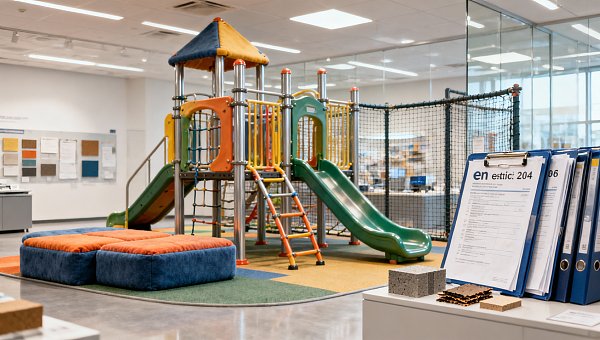
Inclusive commercial playground equipment matters because public play spaces are no longer judged only by visual appeal or capacity.
They are also evaluated by access, developmental value, safety, and long-term usability for children with different physical, sensory, and social needs.
That shift is especially visible in schools, municipal parks, mixed-use communities, and hospitality-linked family environments.
In practical terms, inclusive design asks a simple question: can more children play together, rather than separately, with dignity and independence?
The answer depends on more than ramps.
Well-planned inclusive commercial playground equipment combines physical access, sensory balance, intuitive circulation, durable materials, and compliance with recognized safety standards.
That is why the topic sits naturally within broader commercial sourcing discussions covered by Global Commercial Trade.
Accessible play is now part of the larger expectation for experience-led spaces that must perform operationally and socially.
So what actually makes a playground inclusive, not just accessible?
This is one of the most common points of confusion.
Accessible design usually focuses on entry, transfer, reach range, and movement through the space.
Inclusive design goes further and considers whether children with different abilities can participate in meaningful play experiences.
A site may technically allow wheelchair entry but still exclude users from core activities.
That is not a fully inclusive outcome.
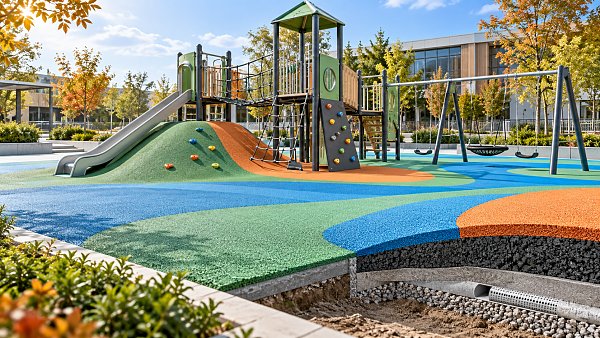
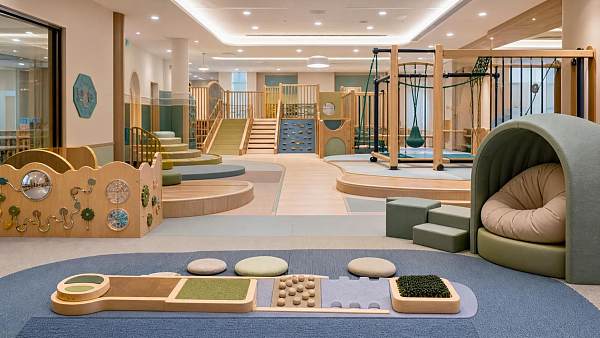
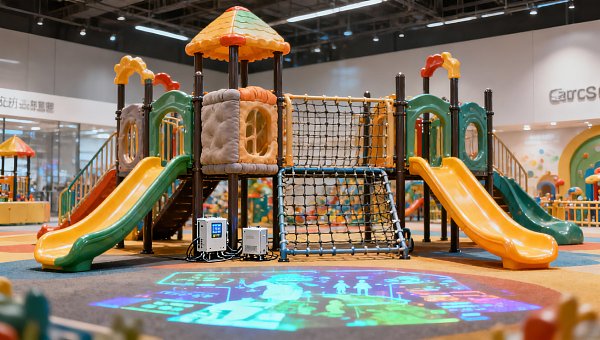
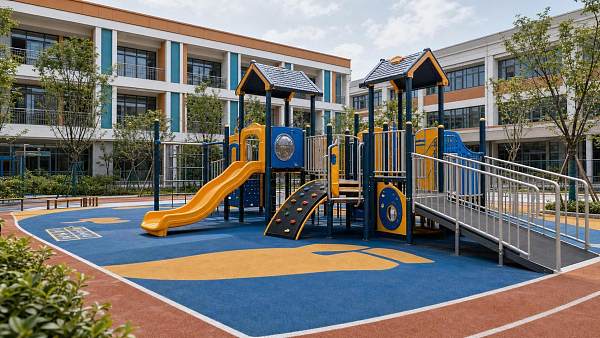
More complete inclusive commercial playground equipment usually includes a mix of ground-level and elevated activities.
- Wide routes with stable surfacing for mobility devices
- Transfer systems where full ramping is not practical
- Play panels with tactile, visual, and auditory engagement
- Social spaces that reduce isolation during group play
- Quiet zones or lower-stimulation areas for sensory regulation
The strongest layouts also avoid treating inclusive features as side additions.
They place them within the main play journey, where children naturally interact.
Which features deserve the closest look during early research?
When reviewing inclusive commercial playground equipment, it helps to separate visible features from functional ones.
A colorful structure may appear inviting, yet still perform poorly in real use.
The following table is a practical starting point.
In early comparisons, these details reveal more than brochure language.
They show whether inclusive commercial playground equipment was designed for everyday use or only for specification sheets.
Are ramps enough, or do sensory and social elements matter just as much?
Ramps are important, but they are rarely enough on their own.
Children experience playgrounds through movement, sound, touch, anticipation, and peer interaction.
If inclusive commercial playground equipment only solves movement access, it leaves large gaps in actual participation.
Sensory-rich features can be highly effective when they are balanced.
Examples include textured panels, musical play with controlled volume, motion seats with back support, and visual play elements at reachable heights.
Social value matters too.
Group spinners, face-to-face play counters, wide slides with assisted access, and shared imaginative stations encourage interaction without forcing it.
More successful play spaces usually offer both active and quiet experiences.
That mix helps children engage at their own pace and return to play more easily after sensory fatigue.
What standards, risks, and common mistakes should be checked?
This is where many projects become more complex than expected.
Inclusive commercial playground equipment should be reviewed against local accessibility requirements and recognized playground safety standards.
Depending on the market, that may include ASTM, CPSC, EN, or regional accessibility codes.
The key point is not just certification language.
It is whether the installed design matches the certified configuration, surfacing system, and use zones.
Several mistakes appear repeatedly during project evaluation.
- Treating accessibility as a single ramp instead of a full circulation strategy
- Overloading the site with high-stimulation features
- Ignoring maintenance access and spare part availability
- Choosing surfacing that tests well initially but degrades quickly
- Failing to consider shade, drainage, and heat gain on touch surfaces
In commercial environments, lifecycle reliability is part of inclusion.
A feature that is often out of service is not truly accessible in practice.
How do cost, durability, and long-term value fit into the decision?
Inclusive commercial playground equipment often carries a higher upfront cost than basic structures, but the full picture is broader.
Long-term value depends on usage intensity, maintenance cycles, compliance stability, and whether the site remains relevant for diverse community needs.
A cheaper installation may require earlier surfacing replacement, more supervision, or later retrofits to solve access gaps.
That can erase initial savings.
A more reliable evaluation usually considers these factors together:
- Expected lifespan of structural materials and finishes
- Replacement lead times for panels, seats, and moving components
- Cleaning and inspection requirements
- Warranty terms tied to climate, installation, and surfacing
- Expansion flexibility if the site grows later
This sourcing perspective aligns with how GCT approaches commercial environments across education, leisure, and public experience sectors.
The best decisions usually come from matching technical fit with operational reality, not from comparing unit price alone.
What is the smartest next step when comparing inclusive playground options?
Start by defining the play environment before reviewing product catalogs.
Site age range, climate exposure, expected traffic, supervision patterns, and community needs will shape the right answer.
Then compare inclusive commercial playground equipment against a short list of practical criteria.
- Can children with different abilities reach core play experiences?
- Does the layout support shared play rather than separated zones?
- Are sensory features varied and balanced?
- Is the surfacing system realistic for the maintenance budget?
- Do certifications, installation details, and warranty terms align?
Inclusive commercial playground equipment works best when access, safety, experience, and durability are considered together.
That approach leads to more resilient commercial play spaces and fewer costly corrections later.
The most useful next move is to build a comparison checklist, review standards early, and assess each option in the context of real site use.
Search News
Hot Articles
- Outdoor RidesHow to Select Leisure Park Equipment for Safe, High-Throughput Visitor AreasOct 03, 2026
- Fashion & Gem JewelryDiamond Tester Wholesale: How to Vet Accuracy, Calibration, and MOQ Before OrderingOct 02, 2026
- Hotel Room AmenitiesHow Hotels Can Choose Amenity Bottles That Balance Brand Image and Refill CostsOct 01, 2026
Popular Tags
Need ExpertConsultation?
Connect with our specialized leisureengineering team for procurementstrategies.
Recommended News
 Sep 29, 2026Poured Playground Safety Surfacing: How to Specify Thickness for Fall HeightsPoured playground safety surfacing: learn how to specify tested thickness by fall height, ASTM standards, substrate conditions, accessibility, and field verification.● Theme Park Strategist
 Sep 27, 2026Custom Trampoline Park Equipment: Planning Capacity, Safety, and LayoutCustom trampoline park equipment for safer capacity, smooth guest flow, and efficient layouts. Explore practical planning insights for a high-performing park.● Theme Park Strategist
 Aug 30, 2026Entertainment Venue Master Planning: How to Balance Capacity, Flow, and RevenueEntertainment venue development master planning: balance capacity, guest flow, and revenue with practical strategies for resilient, high-performing venues.● Theme Park Strategist
 Sep 07, 2026What Should Buyers Do When a Supplier Delivers Non-Compliant Products?What to do if a supplier delivers non-compliant commercial products: contain risks, document evidence, protect your project, and secure the right remedy.● Theme Park Strategist
 Sep 02, 2026Waterpark Capacity Management: Balancing Queue Times, Safety, and Guest ThroughputWaterpark capacity management strategies to reduce queue times, protect safety, optimize guest throughput, and build a smoother, more profitable park operation.● Theme Park Strategist
 Sep 01, 2026ASTM F2075 Explained: Testing Engineered Wood Fiber for Playground Impact SafetyASTM F2075 explained: learn how engineered wood fiber supports playground impact safety, smarter sourcing, compliance documentation, and reliable maintenance planning.● Theme Park Strategist
 Aug 24, 2026How to Evaluate an Indoor Ninja Warrior Course Supplier in Europe?indoor ninja warrior course Europe supplier guide: learn how to assess safety, EN compliance, engineering, installation, and maintenance support before you choose.● Theme Park Strategist
 Aug 20, 2026How to Choose Modular Indoor Play Equipment for Different Venue Sizes and Age GroupsModular indoor play equipment buying guide: learn how to match venue size, ceiling height, traffic flow, and age groups to create safer, smarter, and more profitable play spaces.● Theme Park Strategist
 Aug 14, 2026POB Push Lifts Overseas Pre-Registrations 45.74%POB boosts overseas pre-registrations for the 2026 China Sport Show by 45.74%, signaling stronger global buyer interest and smarter sourcing opportunities in sports manufacturing.● Theme Park Strategist
 Aug 02, 2026What to Check Before Buying Thick Gymnastic Mats Wholesale for Schools and GymsThick gymnastic mats wholesale buying guide for schools and gyms: learn how to check foam, cover durability, safety documents, samples, and true long-term value before placing a bulk order.● Theme Park Strategist
 Jul 28, 2026How to Design Inclusive Sensory Play Areas for Different Age Groups and NeedsInclusive sensory play starts with smart zoning, age planning, accessibility, and acoustics. Discover practical design tips to create safer, engaging spaces that truly work.● Theme Park Strategist
 Jul 26, 2026How to Evaluate a Bowling Alley Equipment Factory Before Requesting a QuoteBowling alley equipment factory evaluation starts before price. Learn how to check manufacturing scope, engineering, compliance, spare parts, and installation support to avoid costly sourcing mistakes.● Theme Park Strategist
 Jul 16, 2026EN 1176:2026 Takes Effect for Indoor PlaygroundsEN 1176:2026 takes effect for indoor playgrounds in the EU, making conformity assessment mandatory. Learn how this impacts certification, customs clearance, suppliers, and market access.● Theme Park Strategist
 Jul 15, 2026CPSC Sets New ASTM Impact Test for Indoor Playground Metal PartsCPSC sets new ASTM impact test rules for indoor playground metal parts effective Oct. 1, 2026. Learn how the 15kN requirement may affect compliance, testing timelines, and U.S. export delivery.● Theme Park Strategist
 Jul 14, 2026CPSC Tightens Phthalate Limit for Indoor Playground Soft MaterialsCPSC tightens phthalate limits for indoor playground soft materials from Aug 15, 2026. Learn how DIBP control, CBP detention risk, and testing changes impact sourcing, exports, and compliance.● Theme Park Strategist
 Jul 13, 2026Vietnam Tightens IoT Rule for Indoor Playground ImportsVietnam Tightens IoT Rule for Indoor Playground Imports: learn how VNSS-2025 gateway requirements affect exporters, buyers, installers, and delivery timelines before the 2026 deadline.● Theme Park Strategist
 Jul 13, 2026How a Recreational Facility Planning Company Helps Reduce Layout MistakesRecreational facility planning company insights: learn how early layout strategy reduces costly mistakes, improves flow, compliance, and buildability for smoother project delivery.● Theme Park Strategist
 Jul 12, 2026CPSC Halts Imports of Indoor Playground Soft PartsCPSC halts imports of indoor playground soft parts from China under ASTM F3432-26. Learn the compliance risks, testing requirements, and urgent steps importers must take now.● Theme Park Strategist
 Jul 11, 2026CPSC Import Alert Tightens Fire Test Rule for Indoor Playground PaddingCPSC import alert updates indoor playground padding rules to ASTM F3432-26. See how the new fire test affects foam mats, shipments, and U.S. market access.● Theme Park Strategist
 Jul 11, 2026Ice Bumper Cars Bulk Order Checklist for Indoor Parks: Space, Power, and Safety PointsIce bumper cars bulk order guide for indoor parks: learn how to assess space, power, safety, and throughput before buying, so you can avoid costly mistakes and choose the right fleet with confidence.● Theme Park Strategist
 Jul 10, 2026Commercial Playground Equipment for Campuses: Key Safety Standards and Planning TipsCommercial playground equipment for campuses: explore key safety standards, inclusive layout planning, durable materials, and smart procurement tips to avoid costly mistakes.● Theme Park Strategist
 Jul 09, 2026CPSC Recall Escalates Over Phthalates in Indoor Playground PadsCPSC recall escalates over phthalates in indoor playground pads as affected batches exceed CPSIA limits. Learn the risks, supply chain impact, and what buyers should monitor now.● Theme Park Strategist
 Jul 07, 2026How to Choose Ice Skating Rink Equipment in Europe: Key Systems, Standards, and Budget Factorsice skating rink equipment Europe guide: compare refrigeration, rink floors, boards, EU compliance, and total budget factors to choose a safer, more efficient commercial rink solution.● Theme Park Strategist
 Jul 06, 2026CPSC Flags New Flame Test for Indoor Playground PaddingCPSC flags a new flame test for indoor playground padding under ASTM F1487-23b. Learn how this urgent compliance alert affects materials, testing, imports, and U.S. market access.● Theme Park Strategist