CPSC Import Alert Tightens Fire Test Rule for Indoor Playground Padding
On July 10, 2026, with immediate effect, the U.S. Consumer Product Safety Commission issued an import alert that changes the compliance baseline for soft components used in indoor playgrounds. For manufacturers, exporters, buyers, testing providers, and shipment coordinators handling foam mats, climbing wall covers, and impact floor padding, the update matters because it links market access directly to a newer flame-resistance test standard and is already associated with cargo holds at the Port of Los Angeles.
A new import requirement is now tied to ASTM F3432-26
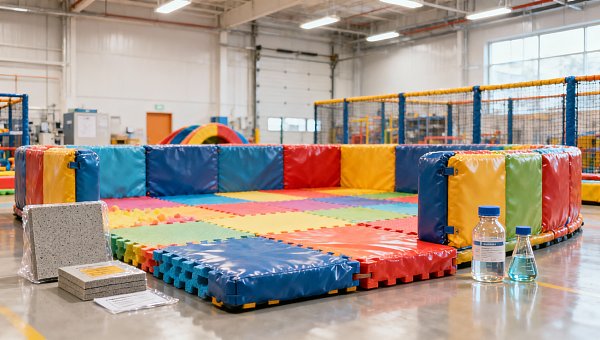
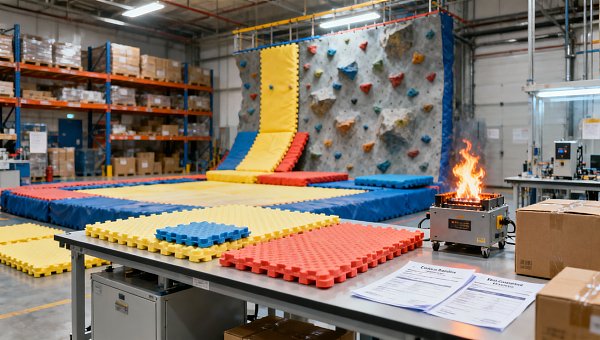
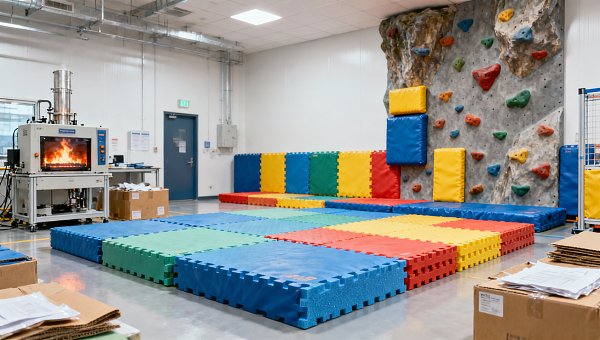
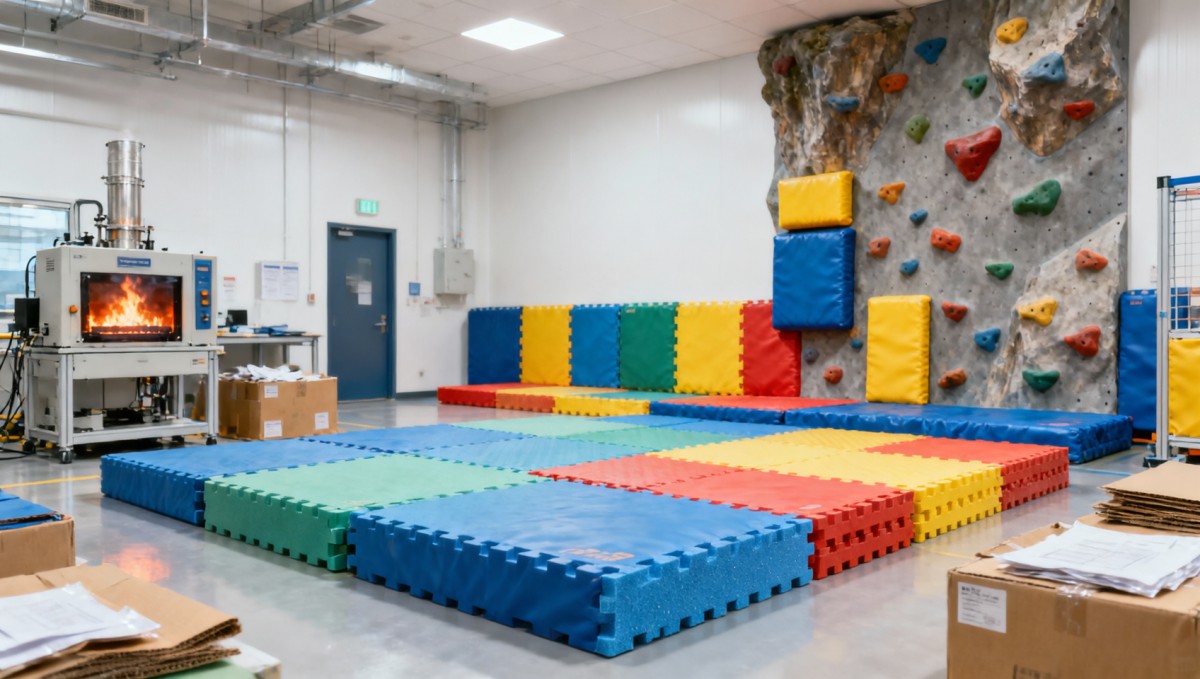
The U.S. Consumer Product Safety Commission (CPSC) issued Import Alert #26-071 on July 10, 2026. According to the provided information, all indoor playground soft components, including foam mats, climbing wall cover layers, and cushioned floor mats, must from that date pass the updated ASTM F3432-26 flame-resistance test.
The stated test threshold is a vertical burn rate of no more than 100 mm/min. The new ASTM F3432-26 standard replaces ASTM F3432-23, and the test method is described as stricter. The same input also states that export containers from several contract manufacturers in Shenzhen and Dongguan have recently been detained at the Port of Los Angeles.
The change reaches beyond testing and into shipment execution
Export manufacturing is exposed first
From an industry perspective, contract manufacturers producing indoor playground soft parts are likely to feel the impact first because the rule is connected to import clearance rather than only to product design. The practical pressure point is no longer limited to material selection; it extends to whether outgoing goods can demonstrate alignment with ASTM F3432-26 at the time of shipment and customs review.
Buyers and sourcing teams may need to reset specification checks
Analysis shows that purchasing teams sourcing indoor playground assemblies or replacement soft parts may need to revisit technical specifications, vendor qualification, and pre-shipment document review. Where procurement files still reference ASTM F3432-23, the mismatch could create commercial and delivery risk if product acceptance terms are not updated in step with the new import requirement.
Testing and certification-related service providers face a narrower margin for error
What deserves closer attention is the role of laboratories, compliance reviewers, and documentation support providers. Because the standard has changed and the method is described as stricter, the business impact is not only whether a product passes in principle, but whether reports, test references, and technical files match the currently required version clearly enough to support trade and clearance.
Logistics and delivery coordination are now part of the compliance chain
Observably, the reported cargo detentions indicate that transport and delivery planning can no longer be treated separately from product compliance for these goods. Exporters, freight coordinators, and downstream buyers may need to pay closer attention to whether supporting test records are complete before loading, because shipment disruption can affect delivery windows, receiving schedules, and customer commitments.
What companies should review immediately
Check whether product files still point to the superseded standard
Analysis shows that one immediate task is to review product specifications, declarations, testing references, and internal compliance records for any continued use of ASTM F3432-23. Where documents still cite the older edition, companies should treat that as a potential trade execution issue rather than a paperwork detail.
Reconfirm report readiness before shipment release
For exporters and shipment managers, the more immediate concern is whether test reports and technical documents can support the ASTM F3432-26 requirement at the point of export and import review. The provided information does not describe a full document checklist, so this should be understood as a compliance watchpoint rather than a confirmed procedural rule.
Review supplier qualification for soft component categories
Manufacturers and buyers handling foam padding, wall covers, and cushioned floor materials should pay closer attention to supplier capability in the affected categories. What deserves closer attention is whether existing suppliers can demonstrate that their relevant soft components have been evaluated against the newer standard, especially where multi-supplier sourcing or subcontracted production is involved.
Track execution signals beyond the alert itself
Observably, the import alert is already being linked to cargo detention in the provided event summary. Even so, the input does not provide fuller details on enforcement scope, documentary format, or market-by-market execution practice. Companies should therefore keep monitoring official wording, customer specification updates, and any changes in tender or purchase documents that reference flame-resistance requirements for indoor playground soft parts.
Why this looks like an execution signal, not just a standards update
From an industry perspective, this development is more appropriately understood as an active enforcement signal because the rule change is described as effective immediately and is already associated with shipment detention. At the same time, it should not yet be treated as a fully transparent compliance framework, because the provided information does not include detailed operating guidance, expanded documentation rules, or a broader official interpretation beyond the alert summary. That leaves room for continued observation around how consistently the requirement is applied in trade practice.
How the market is likely to read this development for now
The most balanced reading is that the compliance threshold for indoor playground soft components has moved in a concrete way, and that the impact is most immediate in export readiness, testing references, and delivery execution. It is more appropriate to understand this as a landed rule change with real trade consequences, while still recognizing that companies will need to keep watching for clearer enforcement language, document expectations, and market feedback before treating all downstream implications as settled.
Basis of this article and what still needs verification
This article is based on the user-provided news title, event date, and event summary. For developments of this kind, commonly relevant source types include official notices, regulatory releases, customs or trade authority information, industry association updates, standards organization documents, and reporting by established trade media. A specific official source link was not provided in the input, so the exact source document and wording still need ongoing verification. What should continue to be monitored includes any further policy detail, certification and testing interpretation, changes in tender or procurement documents, industry feedback, and how companies are implementing the requirement in actual export practice.
Search News
Hot Articles
- Musical InstrumentsA Practical Guide to Identifying Wooden Orchestral Instruments by Family and ToneOct 10, 2026
- Indoor PlaygroundHow to Choose Animatronic Haunted House Props for High-Throughput AttractionsOct 08, 2026
- Fashion & Gem JewelryThermal Diamond Testers: How They Work and When They Can Misidentify StonesOct 07, 2026
Popular Tags
Need ExpertConsultation?
Connect with our specialized leisureengineering team for procurementstrategies.
Recommended News
 Oct 08, 2026How to Choose Animatronic Haunted House Props for High-Throughput AttractionsAnimatronic haunted house props for high-throughput attractions: compare motion, triggers, safety, and maintenance to create reliable scares that keep guests moving.● Theme Park Strategist
 Sep 29, 2026Poured Playground Safety Surfacing: How to Specify Thickness for Fall HeightsPoured playground safety surfacing: learn how to specify tested thickness by fall height, ASTM standards, substrate conditions, accessibility, and field verification.● Theme Park Strategist
 Sep 27, 2026Custom Trampoline Park Equipment: Planning Capacity, Safety, and LayoutCustom trampoline park equipment for safer capacity, smooth guest flow, and efficient layouts. Explore practical planning insights for a high-performing park.● Theme Park Strategist
 Aug 30, 2026Entertainment Venue Master Planning: How to Balance Capacity, Flow, and RevenueEntertainment venue development master planning: balance capacity, guest flow, and revenue with practical strategies for resilient, high-performing venues.● Theme Park Strategist
 Sep 07, 2026What Should Buyers Do When a Supplier Delivers Non-Compliant Products?What to do if a supplier delivers non-compliant commercial products: contain risks, document evidence, protect your project, and secure the right remedy.● Theme Park Strategist
 Sep 02, 2026Waterpark Capacity Management: Balancing Queue Times, Safety, and Guest ThroughputWaterpark capacity management strategies to reduce queue times, protect safety, optimize guest throughput, and build a smoother, more profitable park operation.● Theme Park Strategist
 Sep 01, 2026ASTM F2075 Explained: Testing Engineered Wood Fiber for Playground Impact SafetyASTM F2075 explained: learn how engineered wood fiber supports playground impact safety, smarter sourcing, compliance documentation, and reliable maintenance planning.● Theme Park Strategist
 Aug 24, 2026How to Evaluate an Indoor Ninja Warrior Course Supplier in Europe?indoor ninja warrior course Europe supplier guide: learn how to assess safety, EN compliance, engineering, installation, and maintenance support before you choose.● Theme Park Strategist
 Aug 20, 2026How to Choose Modular Indoor Play Equipment for Different Venue Sizes and Age GroupsModular indoor play equipment buying guide: learn how to match venue size, ceiling height, traffic flow, and age groups to create safer, smarter, and more profitable play spaces.● Theme Park Strategist
 Aug 14, 2026POB Push Lifts Overseas Pre-Registrations 45.74%POB boosts overseas pre-registrations for the 2026 China Sport Show by 45.74%, signaling stronger global buyer interest and smarter sourcing opportunities in sports manufacturing.● Theme Park Strategist
 Aug 02, 2026What to Check Before Buying Thick Gymnastic Mats Wholesale for Schools and GymsThick gymnastic mats wholesale buying guide for schools and gyms: learn how to check foam, cover durability, safety documents, samples, and true long-term value before placing a bulk order.● Theme Park Strategist
 Jul 28, 2026How to Design Inclusive Sensory Play Areas for Different Age Groups and NeedsInclusive sensory play starts with smart zoning, age planning, accessibility, and acoustics. Discover practical design tips to create safer, engaging spaces that truly work.● Theme Park Strategist
 Jul 26, 2026How to Evaluate a Bowling Alley Equipment Factory Before Requesting a QuoteBowling alley equipment factory evaluation starts before price. Learn how to check manufacturing scope, engineering, compliance, spare parts, and installation support to avoid costly sourcing mistakes.● Theme Park Strategist
 Jul 16, 2026EN 1176:2026 Takes Effect for Indoor PlaygroundsEN 1176:2026 takes effect for indoor playgrounds in the EU, making conformity assessment mandatory. Learn how this impacts certification, customs clearance, suppliers, and market access.● Theme Park Strategist
 Jul 15, 2026CPSC Sets New ASTM Impact Test for Indoor Playground Metal PartsCPSC sets new ASTM impact test rules for indoor playground metal parts effective Oct. 1, 2026. Learn how the 15kN requirement may affect compliance, testing timelines, and U.S. export delivery.● Theme Park Strategist
 Jul 14, 2026CPSC Tightens Phthalate Limit for Indoor Playground Soft MaterialsCPSC tightens phthalate limits for indoor playground soft materials from Aug 15, 2026. Learn how DIBP control, CBP detention risk, and testing changes impact sourcing, exports, and compliance.● Theme Park Strategist
 Jul 13, 2026Vietnam Tightens IoT Rule for Indoor Playground ImportsVietnam Tightens IoT Rule for Indoor Playground Imports: learn how VNSS-2025 gateway requirements affect exporters, buyers, installers, and delivery timelines before the 2026 deadline.● Theme Park Strategist
 Jul 13, 2026How a Recreational Facility Planning Company Helps Reduce Layout MistakesRecreational facility planning company insights: learn how early layout strategy reduces costly mistakes, improves flow, compliance, and buildability for smoother project delivery.● Theme Park Strategist
 Jul 12, 2026CPSC Halts Imports of Indoor Playground Soft PartsCPSC halts imports of indoor playground soft parts from China under ASTM F3432-26. Learn the compliance risks, testing requirements, and urgent steps importers must take now.● Theme Park Strategist
 Jul 11, 2026CPSC Import Alert Tightens Fire Test Rule for Indoor Playground PaddingCPSC import alert updates indoor playground padding rules to ASTM F3432-26. See how the new fire test affects foam mats, shipments, and U.S. market access.● Theme Park Strategist
 Jul 11, 2026Ice Bumper Cars Bulk Order Checklist for Indoor Parks: Space, Power, and Safety PointsIce bumper cars bulk order guide for indoor parks: learn how to assess space, power, safety, and throughput before buying, so you can avoid costly mistakes and choose the right fleet with confidence.● Theme Park Strategist
 Jul 10, 2026Commercial Playground Equipment for Campuses: Key Safety Standards and Planning TipsCommercial playground equipment for campuses: explore key safety standards, inclusive layout planning, durable materials, and smart procurement tips to avoid costly mistakes.● Theme Park Strategist
 Jul 09, 2026CPSC Recall Escalates Over Phthalates in Indoor Playground PadsCPSC recall escalates over phthalates in indoor playground pads as affected batches exceed CPSIA limits. Learn the risks, supply chain impact, and what buyers should monitor now.● Theme Park Strategist
 Jul 07, 2026How to Choose Ice Skating Rink Equipment in Europe: Key Systems, Standards, and Budget Factorsice skating rink equipment Europe guide: compare refrigeration, rink floors, boards, EU compliance, and total budget factors to choose a safer, more efficient commercial rink solution.● Theme Park Strategist