What Is an Amusement Safety Compliance Checklist and When Is It Required?
Why this checklist matters more than many first assume
An amusement safety compliance checklist is not just paperwork for opening day. It is a working control document used to confirm safety, readiness, and regulatory alignment.
That matters because amusement assets sit at the intersection of engineering, public use, insurance exposure, and local law. Small oversights can become expensive delays.
In practical terms, the checklist helps verify whether a ride, attraction, or play system is ready for installation, inspection, testing, and operation.
For commercial sourcing platforms such as Global Commercial Trade, this topic also reflects a wider pattern across premium projects: design value only works when compliance and reliability hold up.
That is why the phrase amusement safety compliance checklist appears frequently in early research. People are often trying to understand timing, responsibility, and risk before money is committed.
So what is an amusement safety compliance checklist, exactly?
At its core, it is a structured list of checks tied to safety rules, technical standards, and site operating conditions.
The content can vary by country, attraction type, and operator policy. Even so, most versions cover similar ground.
- Mechanical integrity, restraints, guarding, and moving parts
- Electrical systems, emergency stops, lockout procedures, and control panels
- Signage, rider restrictions, loading instructions, and evacuation guidance
- Daily inspection logs, maintenance records, and incident reporting procedures
- Staff training, operational authorization, and supervision requirements
- Site conditions, anchoring, weather exposure, and access control
A useful amusement safety compliance checklist does more than list parts. It connects each item to evidence, such as drawings, test records, certificates, and sign-off dates.
That distinction is important. A generic checklist can look complete while still failing an inspection if the supporting documentation is weak.
When is an amusement safety compliance checklist actually required?
The short answer is: earlier and more often than many expect.
An amusement safety compliance checklist may be required by regulators, insurers, third-party inspectors, site owners, or internal risk teams.
It is commonly needed at several points in the project cycle, not just before public opening.
In real projects, the checklist often becomes mandatory when public use, mechanical motion, height, speed, or rider restraint are involved.
Temporary installations may also require one, especially for fairs, touring attractions, and seasonal leisure sites.
Does every attraction need the same level of compliance review?
No. That is one of the most common misunderstandings.
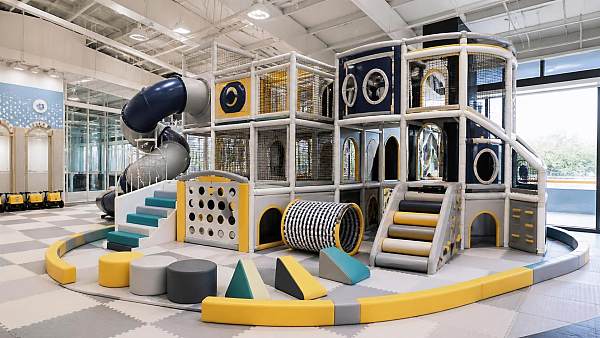
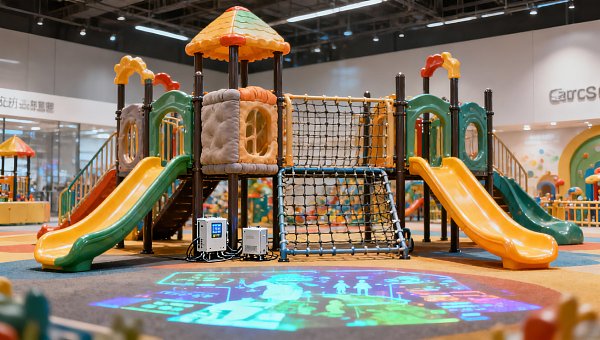
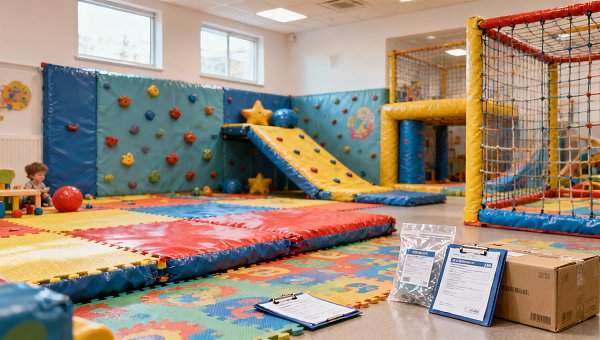
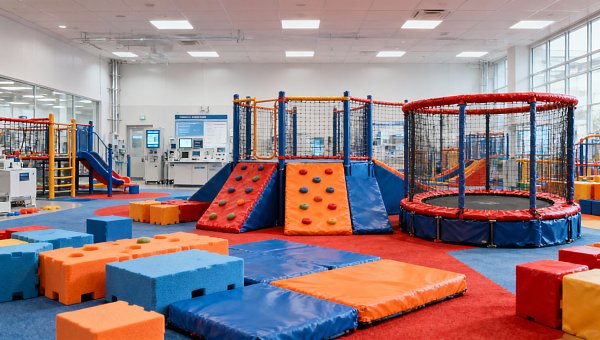
A children’s indoor soft play area, a water attraction, and a high-thrill mechanical ride do not carry the same risk profile.
The amusement safety compliance checklist should reflect the attraction’s hazard level, not just its commercial value.
More common high-risk triggers include the following:
- Passenger motion controlled by motors, hydraulics, or pneumatics
- Restraint systems, harnesses, lap bars, or locking gates
- Elevated platforms, drop movement, or rapid directional changes
- Water circulation, slip exposure, or chemical treatment systems
- Portable assembly and repeated dismantling
Lower-risk attractions may still need a checklist, but the scope is usually narrower. Focus may shift toward materials, edges, spacing, supervision, and cleaning control.
A sensible review asks two questions together: what can go wrong, and what proof shows it has been controlled?
What should you check before relying on a supplier’s checklist?
This is where many sourcing decisions become risky. A supplier-issued amusement safety compliance checklist can be useful, but it should not be accepted without context.
The first issue is jurisdiction. A checklist prepared for one market may not satisfy another market’s inspection rules.
The second issue is scope. Some documents cover factory completion only, while others include site installation and operating readiness.
Before treating the checklist as reliable, confirm these points:
- Which standard or regulation the checklist references
- Whether the listed checks were witnessed, tested, or only declared
- Whether serial numbers and configuration details match the delivered equipment
- Whether spare parts, maintenance intervals, and operator instructions are complete
- Whether an independent inspection will still be required locally
In cross-border trade, this documentation discipline becomes even more important. GCT’s broader sourcing perspective across commercial sectors shows the same pattern repeatedly: reliable procurement depends on traceable compliance evidence, not only attractive specifications.
Where do projects usually go wrong with compliance timing?
The biggest mistake is treating the amusement safety compliance checklist as a final-stage formality.
By the time installation begins, major design and sourcing decisions are already locked in. If the checklist reveals a gap then, correction costs rise quickly.
Another common problem is assuming certificates equal readiness. A component certificate may prove a part met a standard, but not that the assembled system is safe on site.
Weather, surface conditions, utilities, drainage, operator training, and emergency access can all affect compliance after delivery.
Timing issues often create hidden cost in three areas:
- Rework of foundations, barriers, signage, or control systems
- Delayed opening while waiting for missing manuals or test records
- Insurance complications caused by incomplete inspection history
More reliable projects build the amusement safety compliance checklist into concept review, supplier comparison, contract terms, commissioning, and operating handover.
How can you tell if your checklist is strong enough to use?
A strong checklist is specific, current, and tied to evidence. It should help someone verify conditions, not guess them.
A weak checklist is usually vague. It says items were “checked” without stating how, by whom, and against which requirement.
A practical screening test looks like this:
If several warning signs appear, the checklist should be revised before it is used for approvals or acceptance decisions.
What is the sensible next step if you are still at the research stage?
Start by identifying the attraction type, installation market, and whether the asset is permanent or temporary.
Then map the amusement safety compliance checklist against four basics: technical standards, local authority requirements, insurance expectations, and operational realities.
It also helps to separate factory compliance from site compliance. Those are related, but they are not the same decision point.
If documentation is being compared across suppliers, ask for sample checklists, test records, manuals, and commissioning evidence before shortlisting.
The main takeaway is simple. An amusement safety compliance checklist is required whenever safety, legality, and commercial readiness need to be proved rather than assumed.
Handled early, it supports better sourcing decisions, cleaner project timelines, and fewer surprises at inspection. Handled late, it often becomes a record of avoidable risk.
Search News
Hot Articles
- Outdoor RidesHow to Select Leisure Park Equipment for Safe, High-Throughput Visitor AreasOct 03, 2026
- Fashion & Gem JewelryDiamond Tester Wholesale: How to Vet Accuracy, Calibration, and MOQ Before OrderingOct 02, 2026
- Hotel Room AmenitiesHow Hotels Can Choose Amenity Bottles That Balance Brand Image and Refill CostsOct 01, 2026
Popular Tags
Need ExpertConsultation?
Connect with our specialized leisureengineering team for procurementstrategies.
Recommended News
 Sep 29, 2026Poured Playground Safety Surfacing: How to Specify Thickness for Fall HeightsPoured playground safety surfacing: learn how to specify tested thickness by fall height, ASTM standards, substrate conditions, accessibility, and field verification.● Theme Park Strategist
 Sep 27, 2026Custom Trampoline Park Equipment: Planning Capacity, Safety, and LayoutCustom trampoline park equipment for safer capacity, smooth guest flow, and efficient layouts. Explore practical planning insights for a high-performing park.● Theme Park Strategist
 Aug 30, 2026Entertainment Venue Master Planning: How to Balance Capacity, Flow, and RevenueEntertainment venue development master planning: balance capacity, guest flow, and revenue with practical strategies for resilient, high-performing venues.● Theme Park Strategist
 Sep 07, 2026What Should Buyers Do When a Supplier Delivers Non-Compliant Products?What to do if a supplier delivers non-compliant commercial products: contain risks, document evidence, protect your project, and secure the right remedy.● Theme Park Strategist
 Sep 02, 2026Waterpark Capacity Management: Balancing Queue Times, Safety, and Guest ThroughputWaterpark capacity management strategies to reduce queue times, protect safety, optimize guest throughput, and build a smoother, more profitable park operation.● Theme Park Strategist
 Sep 01, 2026ASTM F2075 Explained: Testing Engineered Wood Fiber for Playground Impact SafetyASTM F2075 explained: learn how engineered wood fiber supports playground impact safety, smarter sourcing, compliance documentation, and reliable maintenance planning.● Theme Park Strategist
 Aug 24, 2026How to Evaluate an Indoor Ninja Warrior Course Supplier in Europe?indoor ninja warrior course Europe supplier guide: learn how to assess safety, EN compliance, engineering, installation, and maintenance support before you choose.● Theme Park Strategist
 Aug 20, 2026How to Choose Modular Indoor Play Equipment for Different Venue Sizes and Age GroupsModular indoor play equipment buying guide: learn how to match venue size, ceiling height, traffic flow, and age groups to create safer, smarter, and more profitable play spaces.● Theme Park Strategist
 Aug 14, 2026POB Push Lifts Overseas Pre-Registrations 45.74%POB boosts overseas pre-registrations for the 2026 China Sport Show by 45.74%, signaling stronger global buyer interest and smarter sourcing opportunities in sports manufacturing.● Theme Park Strategist
 Aug 02, 2026What to Check Before Buying Thick Gymnastic Mats Wholesale for Schools and GymsThick gymnastic mats wholesale buying guide for schools and gyms: learn how to check foam, cover durability, safety documents, samples, and true long-term value before placing a bulk order.● Theme Park Strategist
 Jul 28, 2026How to Design Inclusive Sensory Play Areas for Different Age Groups and NeedsInclusive sensory play starts with smart zoning, age planning, accessibility, and acoustics. Discover practical design tips to create safer, engaging spaces that truly work.● Theme Park Strategist
 Jul 26, 2026How to Evaluate a Bowling Alley Equipment Factory Before Requesting a QuoteBowling alley equipment factory evaluation starts before price. Learn how to check manufacturing scope, engineering, compliance, spare parts, and installation support to avoid costly sourcing mistakes.● Theme Park Strategist
 Jul 16, 2026EN 1176:2026 Takes Effect for Indoor PlaygroundsEN 1176:2026 takes effect for indoor playgrounds in the EU, making conformity assessment mandatory. Learn how this impacts certification, customs clearance, suppliers, and market access.● Theme Park Strategist
 Jul 15, 2026CPSC Sets New ASTM Impact Test for Indoor Playground Metal PartsCPSC sets new ASTM impact test rules for indoor playground metal parts effective Oct. 1, 2026. Learn how the 15kN requirement may affect compliance, testing timelines, and U.S. export delivery.● Theme Park Strategist
 Jul 14, 2026CPSC Tightens Phthalate Limit for Indoor Playground Soft MaterialsCPSC tightens phthalate limits for indoor playground soft materials from Aug 15, 2026. Learn how DIBP control, CBP detention risk, and testing changes impact sourcing, exports, and compliance.● Theme Park Strategist
 Jul 13, 2026Vietnam Tightens IoT Rule for Indoor Playground ImportsVietnam Tightens IoT Rule for Indoor Playground Imports: learn how VNSS-2025 gateway requirements affect exporters, buyers, installers, and delivery timelines before the 2026 deadline.● Theme Park Strategist
 Jul 13, 2026How a Recreational Facility Planning Company Helps Reduce Layout MistakesRecreational facility planning company insights: learn how early layout strategy reduces costly mistakes, improves flow, compliance, and buildability for smoother project delivery.● Theme Park Strategist
 Jul 12, 2026CPSC Halts Imports of Indoor Playground Soft PartsCPSC halts imports of indoor playground soft parts from China under ASTM F3432-26. Learn the compliance risks, testing requirements, and urgent steps importers must take now.● Theme Park Strategist
 Jul 11, 2026CPSC Import Alert Tightens Fire Test Rule for Indoor Playground PaddingCPSC import alert updates indoor playground padding rules to ASTM F3432-26. See how the new fire test affects foam mats, shipments, and U.S. market access.● Theme Park Strategist
 Jul 11, 2026Ice Bumper Cars Bulk Order Checklist for Indoor Parks: Space, Power, and Safety PointsIce bumper cars bulk order guide for indoor parks: learn how to assess space, power, safety, and throughput before buying, so you can avoid costly mistakes and choose the right fleet with confidence.● Theme Park Strategist
 Jul 10, 2026Commercial Playground Equipment for Campuses: Key Safety Standards and Planning TipsCommercial playground equipment for campuses: explore key safety standards, inclusive layout planning, durable materials, and smart procurement tips to avoid costly mistakes.● Theme Park Strategist
 Jul 09, 2026CPSC Recall Escalates Over Phthalates in Indoor Playground PadsCPSC recall escalates over phthalates in indoor playground pads as affected batches exceed CPSIA limits. Learn the risks, supply chain impact, and what buyers should monitor now.● Theme Park Strategist
 Jul 07, 2026How to Choose Ice Skating Rink Equipment in Europe: Key Systems, Standards, and Budget Factorsice skating rink equipment Europe guide: compare refrigeration, rink floors, boards, EU compliance, and total budget factors to choose a safer, more efficient commercial rink solution.● Theme Park Strategist
 Jul 06, 2026CPSC Flags New Flame Test for Indoor Playground PaddingCPSC flags a new flame test for indoor playground padding under ASTM F1487-23b. Learn how this urgent compliance alert affects materials, testing, imports, and U.S. market access.● Theme Park Strategist