Where Inclusive Commercial Playground Equipment Works Best in Schools and Public Parks
Where Inclusive Commercial Playground Equipment Works Best in Schools and Public Parks
Choosing the right inclusive commercial playground equipment is not only about access. It shapes safety, circulation, maintenance planning, and long-term community value.
For schools and public parks, the best installation site changes how well children use the space. It also affects supervision, compliance, and lifecycle cost.
In practice, inclusive commercial playground equipment performs best where access routes are simple, user groups are clearly understood, and daily operations support consistent care.
That matters more now because schools and municipalities face tighter budgets, stronger accessibility expectations, and more pressure to prove public investment value.
Why Location Matters More Than the Equipment List
Many projects begin with product selection. The better approach starts with site behavior. A strong layout often delivers better outcomes than a longer equipment specification.
Inclusive commercial playground equipment needs enough clearance, smooth approach paths, and balanced play zoning. Without that, even premium equipment becomes harder to use.
Schools and parks also operate differently. Schools focus on structured supervision, scheduled use, and age grouping. Parks handle open access, wider community use, and varied peak times.
This means the same inclusive commercial playground equipment may succeed in one setting and underperform in another, even within the same city.
Best-Fit School Applications for Inclusive Commercial Playground Equipment
Elementary campuses with centralized supervision
Elementary schools are often one of the best environments for inclusive commercial playground equipment. Supervision lines are clear, user age ranges are known, and recess periods are predictable.
The best placement is usually close to classrooms or shared outdoor commons. Short travel distance improves use frequency and reduces transition time between activities.
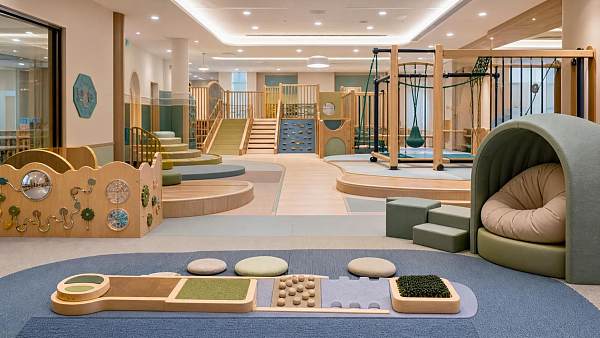
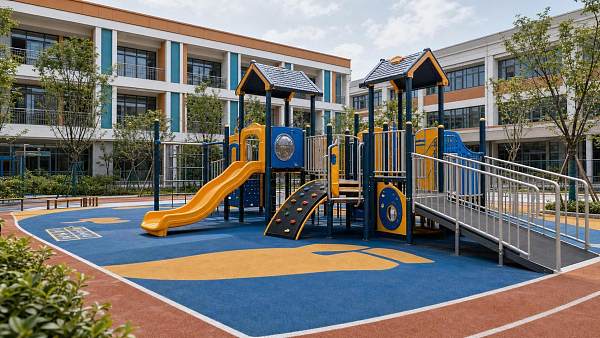
Ground-level sensory panels, transfer stations, inclusive swings, and wide ramps work especially well in these settings. They support both independent play and guided group activity.
Special education support zones
Another strong application is near special education support areas. Here, inclusive commercial playground equipment can be integrated into therapeutic routines and social development goals.
These installations work best when noise exposure is controlled and movement paths are uncluttered. Quiet play elements and shaded seating nearby add practical value.
Shared-use campus courtyards
On modern campuses, internal courtyards can also support inclusive commercial playground equipment. This is especially useful where outdoor space is limited but regular usage is high.
In these cases, compact modular structures often outperform large spread-out layouts. Travel efficiency, visibility, and manageable maintenance zones become the top priorities.
Where Inclusive Commercial Playground Equipment Performs Best in Public Parks
Neighborhood parks with repeat local use
Neighborhood parks are usually the strongest public setting for inclusive commercial playground equipment. Families visit often, travel distance is short, and community ownership tends to be higher.
These parks benefit from inclusive layouts near parking, sidewalks, and restrooms. Easy arrival matters because accessibility begins before a child reaches the first play feature.
Inclusive commercial playground equipment in neighborhood parks should support mixed-age use without creating bottlenecks. Separate active and calm zones help reduce conflict and improve dwell time.
Destination parks with broad demographic reach
Larger destination parks can also be ideal, but only when the site plan is strong. High visitor volume demands wider circulation, durable surfacing, and more visible wayfinding.
In these projects, inclusive commercial playground equipment should sit near other family-focused amenities. Think picnic areas, splash pads, restrooms, shade structures, and seating clusters.
That adjacency creates longer visits and stronger use rates. It also improves public perception because accessibility feels integrated, not isolated.
Urban parks with limited footprints
Compact urban parks can support inclusive commercial playground equipment very well when vertical efficiency is paired with simple ground access.
The key is to avoid overcrowding. Dense installations may look complete on paper but can reduce maneuverability, create supervision blind spots, and raise wear rates.
Site Conditions That Improve Performance
Inclusive commercial playground equipment works best when site fundamentals are handled early. This is where many projects either gain resilience or inherit avoidable problems.
- Stable, accessible paths from drop-off zones and parking areas.
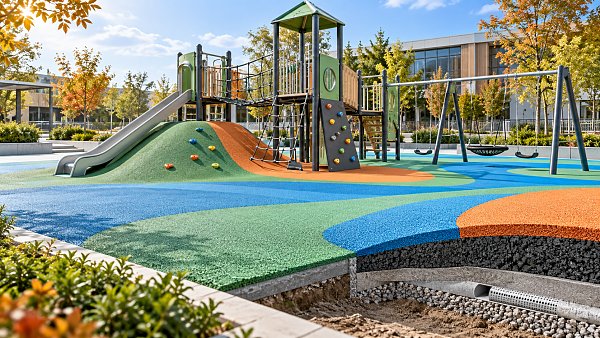
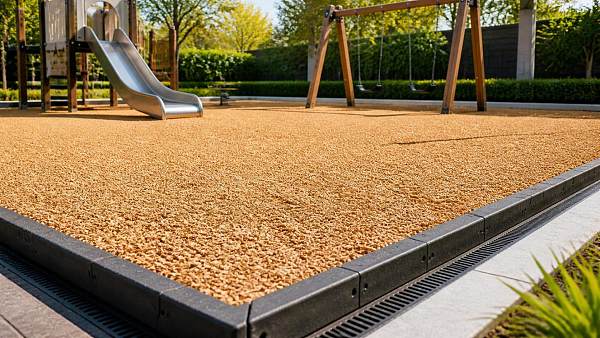
- Safety surfacing suited to climate, drainage, and maintenance capacity.
- Shade coverage for thermal comfort and extended seasonal use.
- Rest zones for caregivers, teachers, and users needing lower stimulation.
- Clear sightlines across active, transitional, and quiet play areas.
From a delivery standpoint, these conditions usually matter as much as the inclusive commercial playground equipment itself. They determine usability every day, not just at opening.
Common Mistakes in School and Park Installations
A frequent mistake is choosing inclusive commercial playground equipment for compliance optics while ignoring circulation and supervision logic. That usually leads to underused features.
Another issue is placing inclusive play areas too far from core activity zones. Separation can reduce spontaneous use and make the space feel secondary.
Material mismatch is also common. Some surfacing systems look strong initially but fail under local weather patterns or limited maintenance staffing.
In public parks, projects sometimes overbuild for peak weekends and underplan for daily care. In schools, planners may underestimate transition flow during recess changes.
How to Evaluate the Right Setting Before Procurement
Before specifying inclusive commercial playground equipment, compare candidate sites through a simple operational lens. This helps avoid expensive redesign later.
A practical review process usually includes five steps:
- Map arrival paths, barriers, and existing circulation patterns.
- Define user groups by age, mobility needs, and visit duration.
- Check drainage, slope, shade, and seasonal exposure.
- Match feature types to supervision and maintenance realities.
- Review compliance, warranty support, and replacement planning.
What Stronger Results Usually Look Like
When inclusive commercial playground equipment is installed in the right school or park setting, several outcomes become visible quickly.
- Higher daily usage across different ability levels.
- Fewer circulation conflicts during peak periods.
- Better supervision without adding operational complexity.
- More durable performance under repeated community use.
- Stronger public value perception from families and stakeholders.
That is the broader point. Inclusive commercial playground equipment delivers its best return when placement decisions reflect real use patterns, not only product catalog ambition.
Final Planning Direction
For schools, the strongest fit is usually a supervised, central, and frequently accessed area. For public parks, the best choice is often a connected site near family amenities and clear arrival routes.
If the goal is long-term value, start by selecting the right setting for inclusive commercial playground equipment. Procurement becomes easier when the site strategy is already sound.
A good final check is simple: can children of different abilities arrive easily, move confidently, play meaningfully, and leave safely? If the answer is yes, the location is probably doing its job.
Search News
Hot Articles
- Restaurant FurnitureFast-Casual Restaurant Interiors: Design Choices That Improve Speed and Guest FlowOct 04, 2026
- Outdoor RidesHow to Select Leisure Park Equipment for Safe, High-Throughput Visitor AreasOct 03, 2026
- Fashion & Gem JewelryDiamond Tester Wholesale: How to Vet Accuracy, Calibration, and MOQ Before OrderingOct 02, 2026
Popular Tags
Need ExpertConsultation?
Connect with our specialized leisureengineering team for procurementstrategies.
Recommended News
 Sep 29, 2026Poured Playground Safety Surfacing: How to Specify Thickness for Fall HeightsPoured playground safety surfacing: learn how to specify tested thickness by fall height, ASTM standards, substrate conditions, accessibility, and field verification.● Theme Park Strategist
 Sep 27, 2026Custom Trampoline Park Equipment: Planning Capacity, Safety, and LayoutCustom trampoline park equipment for safer capacity, smooth guest flow, and efficient layouts. Explore practical planning insights for a high-performing park.● Theme Park Strategist
 Aug 30, 2026Entertainment Venue Master Planning: How to Balance Capacity, Flow, and RevenueEntertainment venue development master planning: balance capacity, guest flow, and revenue with practical strategies for resilient, high-performing venues.● Theme Park Strategist
 Sep 07, 2026What Should Buyers Do When a Supplier Delivers Non-Compliant Products?What to do if a supplier delivers non-compliant commercial products: contain risks, document evidence, protect your project, and secure the right remedy.● Theme Park Strategist
 Sep 02, 2026Waterpark Capacity Management: Balancing Queue Times, Safety, and Guest ThroughputWaterpark capacity management strategies to reduce queue times, protect safety, optimize guest throughput, and build a smoother, more profitable park operation.● Theme Park Strategist
 Sep 01, 2026ASTM F2075 Explained: Testing Engineered Wood Fiber for Playground Impact SafetyASTM F2075 explained: learn how engineered wood fiber supports playground impact safety, smarter sourcing, compliance documentation, and reliable maintenance planning.● Theme Park Strategist
 Aug 24, 2026How to Evaluate an Indoor Ninja Warrior Course Supplier in Europe?indoor ninja warrior course Europe supplier guide: learn how to assess safety, EN compliance, engineering, installation, and maintenance support before you choose.● Theme Park Strategist
 Aug 20, 2026How to Choose Modular Indoor Play Equipment for Different Venue Sizes and Age GroupsModular indoor play equipment buying guide: learn how to match venue size, ceiling height, traffic flow, and age groups to create safer, smarter, and more profitable play spaces.● Theme Park Strategist
 Aug 14, 2026POB Push Lifts Overseas Pre-Registrations 45.74%POB boosts overseas pre-registrations for the 2026 China Sport Show by 45.74%, signaling stronger global buyer interest and smarter sourcing opportunities in sports manufacturing.● Theme Park Strategist
 Aug 02, 2026What to Check Before Buying Thick Gymnastic Mats Wholesale for Schools and GymsThick gymnastic mats wholesale buying guide for schools and gyms: learn how to check foam, cover durability, safety documents, samples, and true long-term value before placing a bulk order.● Theme Park Strategist
 Jul 28, 2026How to Design Inclusive Sensory Play Areas for Different Age Groups and NeedsInclusive sensory play starts with smart zoning, age planning, accessibility, and acoustics. Discover practical design tips to create safer, engaging spaces that truly work.● Theme Park Strategist
 Jul 26, 2026How to Evaluate a Bowling Alley Equipment Factory Before Requesting a QuoteBowling alley equipment factory evaluation starts before price. Learn how to check manufacturing scope, engineering, compliance, spare parts, and installation support to avoid costly sourcing mistakes.● Theme Park Strategist
 Jul 16, 2026EN 1176:2026 Takes Effect for Indoor PlaygroundsEN 1176:2026 takes effect for indoor playgrounds in the EU, making conformity assessment mandatory. Learn how this impacts certification, customs clearance, suppliers, and market access.● Theme Park Strategist
 Jul 15, 2026CPSC Sets New ASTM Impact Test for Indoor Playground Metal PartsCPSC sets new ASTM impact test rules for indoor playground metal parts effective Oct. 1, 2026. Learn how the 15kN requirement may affect compliance, testing timelines, and U.S. export delivery.● Theme Park Strategist
 Jul 14, 2026CPSC Tightens Phthalate Limit for Indoor Playground Soft MaterialsCPSC tightens phthalate limits for indoor playground soft materials from Aug 15, 2026. Learn how DIBP control, CBP detention risk, and testing changes impact sourcing, exports, and compliance.● Theme Park Strategist
 Jul 13, 2026Vietnam Tightens IoT Rule for Indoor Playground ImportsVietnam Tightens IoT Rule for Indoor Playground Imports: learn how VNSS-2025 gateway requirements affect exporters, buyers, installers, and delivery timelines before the 2026 deadline.● Theme Park Strategist
 Jul 13, 2026How a Recreational Facility Planning Company Helps Reduce Layout MistakesRecreational facility planning company insights: learn how early layout strategy reduces costly mistakes, improves flow, compliance, and buildability for smoother project delivery.● Theme Park Strategist
 Jul 12, 2026CPSC Halts Imports of Indoor Playground Soft PartsCPSC halts imports of indoor playground soft parts from China under ASTM F3432-26. Learn the compliance risks, testing requirements, and urgent steps importers must take now.● Theme Park Strategist
 Jul 11, 2026CPSC Import Alert Tightens Fire Test Rule for Indoor Playground PaddingCPSC import alert updates indoor playground padding rules to ASTM F3432-26. See how the new fire test affects foam mats, shipments, and U.S. market access.● Theme Park Strategist
 Jul 11, 2026Ice Bumper Cars Bulk Order Checklist for Indoor Parks: Space, Power, and Safety PointsIce bumper cars bulk order guide for indoor parks: learn how to assess space, power, safety, and throughput before buying, so you can avoid costly mistakes and choose the right fleet with confidence.● Theme Park Strategist
 Jul 10, 2026Commercial Playground Equipment for Campuses: Key Safety Standards and Planning TipsCommercial playground equipment for campuses: explore key safety standards, inclusive layout planning, durable materials, and smart procurement tips to avoid costly mistakes.● Theme Park Strategist
 Jul 09, 2026CPSC Recall Escalates Over Phthalates in Indoor Playground PadsCPSC recall escalates over phthalates in indoor playground pads as affected batches exceed CPSIA limits. Learn the risks, supply chain impact, and what buyers should monitor now.● Theme Park Strategist
 Jul 07, 2026How to Choose Ice Skating Rink Equipment in Europe: Key Systems, Standards, and Budget Factorsice skating rink equipment Europe guide: compare refrigeration, rink floors, boards, EU compliance, and total budget factors to choose a safer, more efficient commercial rink solution.● Theme Park Strategist
 Jul 06, 2026CPSC Flags New Flame Test for Indoor Playground PaddingCPSC flags a new flame test for indoor playground padding under ASTM F1487-23b. Learn how this urgent compliance alert affects materials, testing, imports, and U.S. market access.● Theme Park Strategist