Ice Bumper Cars Bulk Order Checklist for Indoor Parks: Space, Power, and Safety Points
Why an Ice Bumper Cars Bulk Order Starts with the Venue, Not the Catalog
An ice bumper cars bulk order often looks simple at first glance.
The units may share similar dimensions, battery systems, and ride functions.
In actual indoor park projects, the harder question is whether the venue can support stable operation every day.
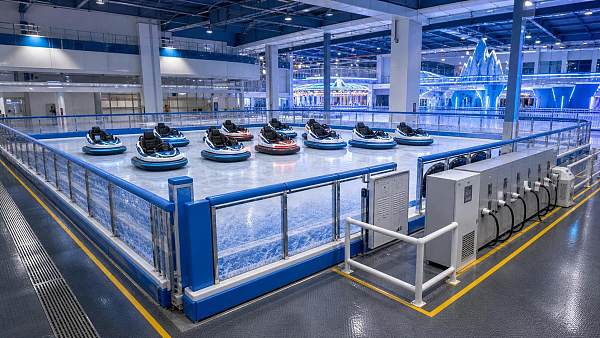
Space planning, charging layout, rider circulation, and safety zoning usually decide performance more than brochure specifications.
That is why a serious ice bumper cars bulk order should be treated as part ride selection, part site engineering review.
For leisure venues within broader commercial experience projects, this matters even more.
A family entertainment center inside a mall does not behave like a standalone indoor snow attraction.
A temporary seasonal installation has different constraints from a permanent high-traffic park.
From a GCT-style sourcing perspective, the best decision comes from matching equipment volume to site reality, compliance needs, and operating rhythm.
Different Indoor Park Setups Create Different Decision Priorities
Not every indoor park uses ice bumper cars in the same way.
Some venues position them as a headline attraction.
Others use them as a compact traffic anchor near arcades, cafes, or party rooms.
That difference changes the right bulk quantity, the ideal arena shape, and the acceptable recharge cycle.
A compact urban venue usually works with tighter circulation and stricter fire escape boundaries.
A destination leisure site often has more floor freedom, but longer operating hours and heavier weekend peaks.
The practical effect is clear.
The same ice bumper cars bulk order can be efficient in one project and oversized in another.
Where demand patterns usually diverge
This is where many projects make an early mistake.
They assume similar leisure formats mean similar equipment planning.
In reality, rider density, operating duration, and building restrictions reshape the entire checklist.
When Floor Space Looks Adequate but Still Fails in Operation
Space is usually reviewed too narrowly.
The arena may fit on paper, yet the ride still feels crowded, slow, or unsafe once people arrive.
A reliable ice bumper cars bulk order should account for more than the moving area.
Entry gates, waiting lanes, staff access, wheelchair clearance, and emergency exits all affect usable space.
In a high-footfall indoor park, dead corners can become collision zones.
Sharp perimeter turns can slow circulation and create rider bunching.
Low ceilings may not stop operation, but they can reduce lighting flexibility and visual openness.
Space checks that change real performance
- Separate gross floor area from effective ride area.
- Confirm barrier width, turning radius, and edge buffering.
- Map queue lines during peak sessions, not only average traffic.
- Reserve off-arena space for charging, inspection, and unit rotation.
- Check whether adjacent attractions create cross-traffic at the entrance.
More common than expected is the venue that buys extra units for peak demand, then lacks a practical holding area.
That turns a smart bulk deal into a storage and maintenance problem.
Power Planning Becomes More Critical as Order Volume Increases
Electrical review is often underestimated during an ice bumper cars bulk order.
The conversation may stay focused on charger count, while the actual issue is load timing across the site.
Indoor parks rarely run one attraction in isolation.
Lighting, HVAC, redemption games, food service equipment, and digital displays may all share nearby circuits or distribution panels.
When a larger fleet charges at the wrong time, voltage instability can ripple through the venue.
In permanent installations, a staggered charging plan usually makes more sense than simple charger matching.
For shorter operating windows, battery swap logic or split-shift charging may be more efficient.
Questions worth resolving before confirming quantity
- Is the venue power supply stable during evening peak load?
- Will chargers operate in a dedicated room or near the arena?
- Are ventilation and heat dissipation adequate for charging zones?
- Does the site require local plug, breaker, or certification compatibility?
- How many units must stay available while others recharge?
A well-judged ice bumper cars bulk order aligns order size with runtime expectations, not just promotional demand forecasts.
Safety Points Shift with Age Mix, Speed Control, and Traffic Rhythm
Safety review should not be reduced to checking whether the units are certified.
Certification matters, but indoor use conditions still shape operational safety.
A venue aimed at younger children may need lower speed settings, wider supervision visibility, and stronger seat access control.
A mixed-age environment often needs clearer zoning and stricter dispatch timing.
If the attraction is marketed as a high-energy social ride, side impact frequency may increase.
That changes the importance of bumper durability, floor traction consistency, and perimeter cushioning.
In themed indoor snow spaces, melted moisture near entry and exit points can become the hidden risk.
Safety points that deserve on-site verification
The safer ice bumper cars bulk order is usually the one that matches fleet size to supervision capacity.
More units are not always better if dispatch control becomes loose.
Some Indoor Parks Need Throughput, Others Need Flexibility
A useful ice bumper cars bulk order should reflect the operating model, not just the target opening day.
High-throughput venues usually benefit from predictable ride cycles, quick reset routines, and spare units ready for rotation.
Flexible venues care more about event programming, mixed age groups, and layout adaptability.
That distinction affects whether standardized units are enough or whether a mixed specification approach is more practical.
In practice, the most expensive mistake is often buying for a single launch scenario.
After six months, session formats change, staffing changes, and maintenance realities become clearer.
A rigid fleet can then limit the attraction instead of supporting it.
A grounded adaptation checklist
- Match unit count to peak concurrent riders, not daily attendance alone.
- Allow maintenance reserve capacity within the total fleet plan.
- Review spare parts lead time before finalizing imported volume.
- Check whether local standards require additional documentation or testing.
- Confirm that branding, finish, and lighting effects suit the broader venue design.
That last point matters in commercial experience projects.
Indoor attractions increasingly sit inside curated retail and hospitality environments.
An ice bumper cars bulk order should support both operational logic and visual coherence.
What Gets Missed Before Placement Orders Are Locked In
Several recurring misjudgments appear across indoor leisure projects.
One is focusing on unit price while treating charging infrastructure as a secondary issue.
Another is copying fleet size from another park without comparing floor geometry and session format.
A third is assuming safety compliance ends with factory documents.
Real-world safety depends on layout discipline, maintenance access, operator visibility, and traffic behavior around the arena.
There is also a long-term cost issue.
An ice bumper cars bulk order with the wrong battery strategy or weak service planning may look efficient at purchase, then become costly in downtime.
The Next Step Is to Build a Site-Based Order Standard
A strong decision process usually starts with a simple comparison sheet built around the actual venue.
List effective ride area, daily operating hours, expected rider turnover, electrical limits, evacuation paths, and maintenance space.
Then test every proposed ice bumper cars bulk order against those conditions.
This approach makes it easier to compare suppliers, control hidden installation costs, and reduce launch delays.
For indoor parks tied to wider commercial developments, the better result usually comes from balancing attraction appeal with infrastructure discipline.
Before confirming quantities, it is worth reviewing not only unit specs, but also site drawings, power schedules, safety routing, and service support assumptions.
That is the practical foundation of an ice bumper cars bulk order that remains workable after opening day.
Search News
Hot Articles
- Indoor PlaygroundHow to Choose Animatronic Haunted House Props for High-Throughput AttractionsOct 08, 2026
- Fashion & Gem JewelryThermal Diamond Testers: How They Work and When They Can Misidentify StonesOct 07, 2026
- Commercial KitchenWhat Is Driving Demand for Commercial Hospitality Projects Across the GCC?Oct 06, 2026
Popular Tags
Need ExpertConsultation?
Connect with our specialized leisureengineering team for procurementstrategies.
Recommended News
 Oct 08, 2026How to Choose Animatronic Haunted House Props for High-Throughput AttractionsAnimatronic haunted house props for high-throughput attractions: compare motion, triggers, safety, and maintenance to create reliable scares that keep guests moving.● Theme Park Strategist
 Sep 29, 2026Poured Playground Safety Surfacing: How to Specify Thickness for Fall HeightsPoured playground safety surfacing: learn how to specify tested thickness by fall height, ASTM standards, substrate conditions, accessibility, and field verification.● Theme Park Strategist
 Sep 27, 2026Custom Trampoline Park Equipment: Planning Capacity, Safety, and LayoutCustom trampoline park equipment for safer capacity, smooth guest flow, and efficient layouts. Explore practical planning insights for a high-performing park.● Theme Park Strategist
 Aug 30, 2026Entertainment Venue Master Planning: How to Balance Capacity, Flow, and RevenueEntertainment venue development master planning: balance capacity, guest flow, and revenue with practical strategies for resilient, high-performing venues.● Theme Park Strategist
 Sep 07, 2026What Should Buyers Do When a Supplier Delivers Non-Compliant Products?What to do if a supplier delivers non-compliant commercial products: contain risks, document evidence, protect your project, and secure the right remedy.● Theme Park Strategist
 Sep 02, 2026Waterpark Capacity Management: Balancing Queue Times, Safety, and Guest ThroughputWaterpark capacity management strategies to reduce queue times, protect safety, optimize guest throughput, and build a smoother, more profitable park operation.● Theme Park Strategist
 Sep 01, 2026ASTM F2075 Explained: Testing Engineered Wood Fiber for Playground Impact SafetyASTM F2075 explained: learn how engineered wood fiber supports playground impact safety, smarter sourcing, compliance documentation, and reliable maintenance planning.● Theme Park Strategist
 Aug 24, 2026How to Evaluate an Indoor Ninja Warrior Course Supplier in Europe?indoor ninja warrior course Europe supplier guide: learn how to assess safety, EN compliance, engineering, installation, and maintenance support before you choose.● Theme Park Strategist
 Aug 20, 2026How to Choose Modular Indoor Play Equipment for Different Venue Sizes and Age GroupsModular indoor play equipment buying guide: learn how to match venue size, ceiling height, traffic flow, and age groups to create safer, smarter, and more profitable play spaces.● Theme Park Strategist
 Aug 14, 2026POB Push Lifts Overseas Pre-Registrations 45.74%POB boosts overseas pre-registrations for the 2026 China Sport Show by 45.74%, signaling stronger global buyer interest and smarter sourcing opportunities in sports manufacturing.● Theme Park Strategist
 Aug 02, 2026What to Check Before Buying Thick Gymnastic Mats Wholesale for Schools and GymsThick gymnastic mats wholesale buying guide for schools and gyms: learn how to check foam, cover durability, safety documents, samples, and true long-term value before placing a bulk order.● Theme Park Strategist
 Jul 28, 2026How to Design Inclusive Sensory Play Areas for Different Age Groups and NeedsInclusive sensory play starts with smart zoning, age planning, accessibility, and acoustics. Discover practical design tips to create safer, engaging spaces that truly work.● Theme Park Strategist
 Jul 26, 2026How to Evaluate a Bowling Alley Equipment Factory Before Requesting a QuoteBowling alley equipment factory evaluation starts before price. Learn how to check manufacturing scope, engineering, compliance, spare parts, and installation support to avoid costly sourcing mistakes.● Theme Park Strategist
 Jul 16, 2026EN 1176:2026 Takes Effect for Indoor PlaygroundsEN 1176:2026 takes effect for indoor playgrounds in the EU, making conformity assessment mandatory. Learn how this impacts certification, customs clearance, suppliers, and market access.● Theme Park Strategist
 Jul 15, 2026CPSC Sets New ASTM Impact Test for Indoor Playground Metal PartsCPSC sets new ASTM impact test rules for indoor playground metal parts effective Oct. 1, 2026. Learn how the 15kN requirement may affect compliance, testing timelines, and U.S. export delivery.● Theme Park Strategist
 Jul 14, 2026CPSC Tightens Phthalate Limit for Indoor Playground Soft MaterialsCPSC tightens phthalate limits for indoor playground soft materials from Aug 15, 2026. Learn how DIBP control, CBP detention risk, and testing changes impact sourcing, exports, and compliance.● Theme Park Strategist
 Jul 13, 2026Vietnam Tightens IoT Rule for Indoor Playground ImportsVietnam Tightens IoT Rule for Indoor Playground Imports: learn how VNSS-2025 gateway requirements affect exporters, buyers, installers, and delivery timelines before the 2026 deadline.● Theme Park Strategist
 Jul 13, 2026How a Recreational Facility Planning Company Helps Reduce Layout MistakesRecreational facility planning company insights: learn how early layout strategy reduces costly mistakes, improves flow, compliance, and buildability for smoother project delivery.● Theme Park Strategist
 Jul 12, 2026CPSC Halts Imports of Indoor Playground Soft PartsCPSC halts imports of indoor playground soft parts from China under ASTM F3432-26. Learn the compliance risks, testing requirements, and urgent steps importers must take now.● Theme Park Strategist
 Jul 11, 2026CPSC Import Alert Tightens Fire Test Rule for Indoor Playground PaddingCPSC import alert updates indoor playground padding rules to ASTM F3432-26. See how the new fire test affects foam mats, shipments, and U.S. market access.● Theme Park Strategist
 Jul 11, 2026Ice Bumper Cars Bulk Order Checklist for Indoor Parks: Space, Power, and Safety PointsIce bumper cars bulk order guide for indoor parks: learn how to assess space, power, safety, and throughput before buying, so you can avoid costly mistakes and choose the right fleet with confidence.● Theme Park Strategist
 Jul 10, 2026Commercial Playground Equipment for Campuses: Key Safety Standards and Planning TipsCommercial playground equipment for campuses: explore key safety standards, inclusive layout planning, durable materials, and smart procurement tips to avoid costly mistakes.● Theme Park Strategist
 Jul 09, 2026CPSC Recall Escalates Over Phthalates in Indoor Playground PadsCPSC recall escalates over phthalates in indoor playground pads as affected batches exceed CPSIA limits. Learn the risks, supply chain impact, and what buyers should monitor now.● Theme Park Strategist
 Jul 07, 2026How to Choose Ice Skating Rink Equipment in Europe: Key Systems, Standards, and Budget Factorsice skating rink equipment Europe guide: compare refrigeration, rink floors, boards, EU compliance, and total budget factors to choose a safer, more efficient commercial rink solution.● Theme Park Strategist