What Are the Biggest Risks in Entertainment Venue Development?
The biggest risks in entertainment venue development are overestimating profitable demand, committing capital before the site and approvals are understood, and opening with equipment or operating systems that cannot deliver a safe, reliable experience. Construction overruns and supplier delays matter because they can amplify all three: they consume cash, push back revenue, and create pressure to open before the venue is ready.
The relative importance of these risks depends on the format. A family entertainment center needs repeat visits and dependable attraction availability. A live music venue depends heavily on programming, acoustics, crowd management, and permitted operating hours. An outdoor attraction has greater exposure to weather and seasonal cash flow. Developers should prioritize the assumptions whose failure would make their particular venue commercially unviable or prevent it from operating.
For anyone asking what are the biggest risks in entertainment venue development projects, the useful next step is to connect each risk to a decision: whether to secure a site, approve a budget, order equipment, or authorize opening. Four areas deserve close scrutiny before those commitments become expensive to reverse.
1. Demand that looks convincing but cannot support the operating model
A large catchment population, strong visitor traffic, or an enthusiastic concept survey can support a market assessment. None establishes how many people will pay the intended price, how often they will return, or what it will cost to serve them.
Demand forecasting becomes especially fragile when developers combine incompatible assumptions: premium pricing, high utilization, frequent repeat visits, and limited promotional spending. Each may be achievable under certain conditions, but the financial model needs evidence that they can coexist.
Start by separating customer groups and visit occasions. Families visiting on weekends behave differently from corporate groups booking private events. Tourists may accept higher prices but provide little repeat business. School groups can fill quiet periods, yet require suitable scheduling, supervision, and pricing. A venue supported by several audiences still needs a credible route to reaching each one.
Test the economics of an ordinary week
A busy opening weekend offers limited evidence of sustainable demand. Model a representative week across dayparts, including quiet periods, cleaning, maintenance, and staffing requirements. An attraction’s advertised capacity may exceed its practical throughput once guest briefings, loading, resets, and interruptions are included.
The commercial assessment should distinguish ticket sales from the contribution available to pay fixed costs. Discounts, payment fees, consumables, and other costs directly associated with a visit reduce that contribution. Food, beverage, merchandise, and events can improve the economics, but each needs its own realistic spending and cost assumptions.
A useful starting calculation is to divide fixed operating costs by contribution per visit to estimate operating break-even attendance. Then extend the model to account for debt service, equipment replacement, taxes, and other cash obligations as applicable. A venue can cover its operating expenses while still failing to generate enough cash for its financing structure.
Challenge the forecast with conditions that could occur together:
- Attendance builds more slowly than planned while marketing expenditure remains necessary.
- Customers buy discounted tickets and spend less on food or ancillary activities.
- Peak sessions sell well, but weekday demand stays weak.
- A popular attraction is unavailable, reducing capacity and guest satisfaction.
Local competition should include alternatives competing for the same leisure budget, such as cinemas, restaurants, sports activities, and free public spaces. The assessment also needs to consider access, parking, public transport, travel time, and the reasons customers would make another visit after the novelty fades.
If viability depends on sustained demand close to capacity, the project has little room for disruption. That finding should influence the venue’s size, rent commitment, attraction mix, and financing before detailed design locks those choices in.
2. Site and approval problems that turn into capital overruns
A building can appear suitable during a viewing and still be expensive to convert. Entertainment uses may place substantial demands on floor loading, ceiling clearance, electrical supply, ventilation, fire protection, sound isolation, and accessible circulation. Existing drawings alone may not establish whether the property can meet them.
The risk becomes acute when a developer signs a lease or buys a property before investigating the intended use. Once the site is secured, a costly structural modification or an unacceptable operating restriction can force a choice between redesign, reduced revenue potential, and abandoning money already spent.
Before commitment, commission investigations appropriate to the property and concept. These may include structural assessment, utility capacity checks, surveys of existing services, and reviews of fire strategy, accessibility, acoustics, and environmental conditions. The scope should follow the actual activities and equipment proposed for the venue.
Approval risk extends beyond obtaining a general permission to build. Depending on the location and activities, separate requirements may affect occupancy, amusement equipment, food service, alcohol sales, live performances, signage, or operating hours. Early discussion with relevant authorities and qualified local advisers helps establish which requirements apply and how they interact.
A venue might be technically approvable while facing restrictions that undermine its business case. Limits on late opening, amplified sound, outdoor activity, or guest capacity should feed back into the revenue model before the design progresses.
Build a budget around complete scope
A construction estimate is only as reliable as its scope and assumptions. A quote for attraction equipment may exclude foundations, power distribution, installation, freight, import charges, controls integration, or acceptance testing. A fit-out estimate may omit landlord works or upgrades triggered by the proposed use.
Build a total development budget that includes professional fees, surveys, approvals, enabling works, equipment, installation, commissioning, recruitment, training, opening inventory, financing costs, and working capital. Identify allowances and exclusions so that unresolved costs remain visible.
Keep construction contingency separate from the cash needed to survive a delayed opening or slower revenue ramp. Using operating reserves to complete the build can leave a finished venue unable to support its first months of trading.
The schedule deserves the same scrutiny. Approval decisions, utility upgrades, fabrication, shipping, specialist installation, and inspection can sit on the critical path. Where possible, negotiate lease commencement and contractual milestones around these dependencies. An opening date should reflect the time required for commissioning and staff preparation as well as physical construction.
3. Safety and equipment risks that emerge between contracts
Entertainment venues bring together buildings, attractions, controls, staff, and guests. Failures can occur where responsibilities meet: an installer assumes that power quality has been addressed, a designer relies on an equipment clearance that changes, or an operator receives machinery without adequate procedures for inspecting and using it.
Safety therefore needs to be addressed throughout design and procurement. Leaving it until the final inspection can reveal problems that are expensive to correct and difficult to accommodate within the opening schedule.
Define intended users and operating conditions early. Age, height, mobility, supervision needs, crowd density, lighting, sound levels, and foreseeable misuse can affect equipment selection and layout. Emergency access, evacuation routes, and staff visibility need to work when the venue is occupied and operating.
Applicable requirements vary by jurisdiction and attraction type. A supplier’s certificate may support compliance, but its relevance depends on the equipment configuration, installation, intended use, and local requirements. Developers should establish what documentation and independent assessment are needed before issuing purchase orders.
Procurement documents should make important responsibilities explicit:
- Who designs and verifies structural supports, anchors, and service connections.
- Which safety functions and interfaces must be tested after installation.
- What inspection, maintenance, training, and technical documentation must be delivered.
- How defects will be corrected and what evidence is required for acceptance.
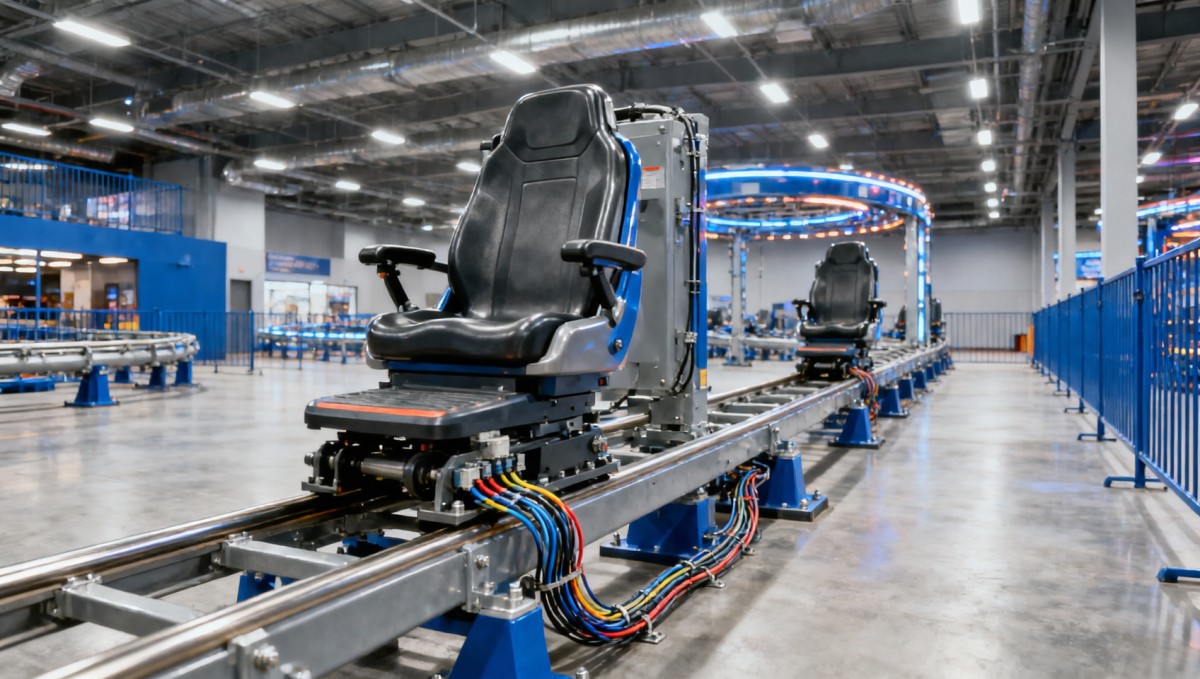
Supplier reliability should be evaluated through deliverable evidence. Relevant installations, technical documentation, production capability, service arrangements, and spare-parts availability are more useful than broad claims about quality. Where an attraction depends on proprietary software or controls, establish who can diagnose faults and restore operation.
A low purchase price can become costly if a minor failure requires an overseas technician or a component with a long replenishment time. Assess the effect of downtime on the venue’s revenue and guest promise. Some attractions can close temporarily without disrupting the whole visit; others are central to the concept.
Contracts should define performance under agreed operating conditions, acceptance criteria, warranty responsibilities, and support expectations. Payment milestones can be tied to verifiable progress and deliverables. For complex systems, factory testing may identify issues before shipment, while testing after installation establishes whether the complete system functions at the venue.
Insurability should also be checked during development. Discuss the proposed activities, equipment, procedures, and inspection arrangements with suitable insurance advisers early enough to accommodate material requirements. Include premiums, deductibles, and relevant coverage limitations in the financial assessment.
4. An opening plan that underestimates operational complexity
A completed venue still needs a functioning operating model. Staffing, maintenance, cleaning, ticketing, security, guest recovery, and emergency response determine whether the designed experience can be delivered consistently.
Labor assumptions deserve particular attention. Staffing needs do not necessarily fall in proportion to attendance: a quiet session may still require reception coverage, attraction supervision, and management presence. A model based on average payroll per visitor can conceal the minimum cost of opening the doors.
Recruitment and training must account for the skills each role requires. Staff should practice normal operations, shutdowns, evacuations, equipment isolation, and foreseeable guest incidents before public opening. Supervisors also need clear authority to stop an attraction or restrict capacity when conditions require it.
Maintenance introduces both expense and lost trading time. Establish inspection responsibilities, planned service intervals, access requirements, spare-parts holdings, and escalation routes. Equipment replacement and refurbishment should have a place in the longer-term financial model, particularly where the venue relies on a small number of major attractions.
Test the guest journey across departments. An attraction can work perfectly while queues block circulation, booking information confuses visitors, or food service cannot handle peak demand. Trial sessions with controlled attendance help expose these interactions and give staff time to adjust procedures.
Opening readiness needs evidence beyond a completion certificate. Applicable approvals and inspections must be in place, staff competence demonstrated, operating procedures available, and critical defects resolved. Commercial pressure to start collecting revenue should not override a defined acceptance process.
Use commitment points to keep uncertainty manageable
The practical way to control these risks is to require stronger evidence as financial commitments increase. Before securing the site, establish a credible demand case and a feasible route through site constraints and approvals. Before major construction and equipment orders, confirm the scope, interfaces, funding, and acceptance requirements. Before opening, demonstrate that the installed venue and its operating team are ready.
Give each unresolved issue an owner, a decision deadline, and a consequence. “Utility capacity remains unknown” becomes actionable when the project identifies who will verify it, which equipment decision depends on it, and how an upgrade would affect cost and timing.
Some uncertainty will remain. The investment decision should account for how much cash, time, and operational flexibility the project retains if demand is weaker, construction takes longer, or an attraction becomes unavailable. A venue with room to adapt can absorb setbacks; a plan that requires every assumption to hold has already used that room before opening day.
Search News
Hot Articles
- Pro Stage AudioRME Launches ADI-2/4 PRO EX Audio Converter with Integrated ProcessingOct 24, 2026
- Office Furniture & EquipOffice Phone Booths: How to Evaluate Speech Privacy Before You BuyOct 24, 2026
- Outdoor RidesComcast Q3 Earnings: Universal Theme Park Revenue Falls 4.4% to $2.6 BillionOct 23, 2026
Popular Tags
Need ExpertConsultation?
Connect with our specialized leisureengineering team for procurementstrategies.
Recommended News
 Oct 18, 2026Turnkey Playground Installation: What's Included and What Costs Extra?Turnkey playground installation: discover what's included, uncover extra costs, and compare quotes confidently. Learn how to avoid budget surprises before you sign.● Theme Park Strategist
 Oct 24, 2026What Are the Biggest Risks in Entertainment Venue Development?What are the biggest risks in entertainment venue development projects? Explore demand, budget, safety, and opening risks—and learn how to protect your investment before you commit.● Theme Park Strategist
 Oct 08, 2026How to Choose Animatronic Haunted House Props for High-Throughput AttractionsAnimatronic haunted house props for high-throughput attractions: compare motion, triggers, safety, and maintenance to create reliable scares that keep guests moving.● Theme Park Strategist
 Sep 29, 2026Poured Playground Safety Surfacing: How to Specify Thickness for Fall HeightsPoured playground safety surfacing: learn how to specify tested thickness by fall height, ASTM standards, substrate conditions, accessibility, and field verification.● Theme Park Strategist
 Sep 27, 2026Custom Trampoline Park Equipment: Planning Capacity, Safety, and LayoutCustom trampoline park equipment for safer capacity, smooth guest flow, and efficient layouts. Explore practical planning insights for a high-performing park.● Theme Park Strategist
 Aug 30, 2026Entertainment Venue Master Planning: How to Balance Capacity, Flow, and RevenueEntertainment venue development master planning: balance capacity, guest flow, and revenue with practical strategies for resilient, high-performing venues.● Theme Park Strategist
 Sep 07, 2026What Should Buyers Do When a Supplier Delivers Non-Compliant Products?What to do if a supplier delivers non-compliant commercial products: contain risks, document evidence, protect your project, and secure the right remedy.● Theme Park Strategist
 Sep 02, 2026Waterpark Capacity Management: Balancing Queue Times, Safety, and Guest ThroughputWaterpark capacity management strategies to reduce queue times, protect safety, optimize guest throughput, and build a smoother, more profitable park operation.● Theme Park Strategist
 Sep 01, 2026ASTM F2075 Explained: Testing Engineered Wood Fiber for Playground Impact SafetyASTM F2075 explained: learn how engineered wood fiber supports playground impact safety, smarter sourcing, compliance documentation, and reliable maintenance planning.● Theme Park Strategist
 Aug 24, 2026How to Evaluate an Indoor Ninja Warrior Course Supplier in Europe?indoor ninja warrior course Europe supplier guide: learn how to assess safety, EN compliance, engineering, installation, and maintenance support before you choose.● Theme Park Strategist
 Aug 20, 2026How to Choose Modular Indoor Play Equipment for Different Venue Sizes and Age GroupsModular indoor play equipment buying guide: learn how to match venue size, ceiling height, traffic flow, and age groups to create safer, smarter, and more profitable play spaces.● Theme Park Strategist
 Aug 14, 2026POB Push Lifts Overseas Pre-Registrations 45.74%POB boosts overseas pre-registrations for the 2026 China Sport Show by 45.74%, signaling stronger global buyer interest and smarter sourcing opportunities in sports manufacturing.● Theme Park Strategist
 Aug 02, 2026What to Check Before Buying Thick Gymnastic Mats Wholesale for Schools and GymsThick gymnastic mats wholesale buying guide for schools and gyms: learn how to check foam, cover durability, safety documents, samples, and true long-term value before placing a bulk order.● Theme Park Strategist
 Jul 28, 2026How to Design Inclusive Sensory Play Areas for Different Age Groups and NeedsInclusive sensory play starts with smart zoning, age planning, accessibility, and acoustics. Discover practical design tips to create safer, engaging spaces that truly work.● Theme Park Strategist
 Jul 26, 2026How to Evaluate a Bowling Alley Equipment Factory Before Requesting a QuoteBowling alley equipment factory evaluation starts before price. Learn how to check manufacturing scope, engineering, compliance, spare parts, and installation support to avoid costly sourcing mistakes.● Theme Park Strategist
 Jul 16, 2026EN 1176:2026 Takes Effect for Indoor PlaygroundsEN 1176:2026 takes effect for indoor playgrounds in the EU, making conformity assessment mandatory. Learn how this impacts certification, customs clearance, suppliers, and market access.● Theme Park Strategist
 Jul 15, 2026CPSC Sets New ASTM Impact Test for Indoor Playground Metal PartsCPSC sets new ASTM impact test rules for indoor playground metal parts effective Oct. 1, 2026. Learn how the 15kN requirement may affect compliance, testing timelines, and U.S. export delivery.● Theme Park Strategist
 Jul 14, 2026CPSC Tightens Phthalate Limit for Indoor Playground Soft MaterialsCPSC tightens phthalate limits for indoor playground soft materials from Aug 15, 2026. Learn how DIBP control, CBP detention risk, and testing changes impact sourcing, exports, and compliance.● Theme Park Strategist
 Jul 13, 2026Vietnam Tightens IoT Rule for Indoor Playground ImportsVietnam Tightens IoT Rule for Indoor Playground Imports: learn how VNSS-2025 gateway requirements affect exporters, buyers, installers, and delivery timelines before the 2026 deadline.● Theme Park Strategist
 Jul 13, 2026How a Recreational Facility Planning Company Helps Reduce Layout MistakesRecreational facility planning company insights: learn how early layout strategy reduces costly mistakes, improves flow, compliance, and buildability for smoother project delivery.● Theme Park Strategist
 Jul 12, 2026CPSC Halts Imports of Indoor Playground Soft PartsCPSC halts imports of indoor playground soft parts from China under ASTM F3432-26. Learn the compliance risks, testing requirements, and urgent steps importers must take now.● Theme Park Strategist
 Jul 11, 2026CPSC Import Alert Tightens Fire Test Rule for Indoor Playground PaddingCPSC import alert updates indoor playground padding rules to ASTM F3432-26. See how the new fire test affects foam mats, shipments, and U.S. market access.● Theme Park Strategist
 Jul 11, 2026Ice Bumper Cars Bulk Order Checklist for Indoor Parks: Space, Power, and Safety PointsIce bumper cars bulk order guide for indoor parks: learn how to assess space, power, safety, and throughput before buying, so you can avoid costly mistakes and choose the right fleet with confidence.● Theme Park Strategist
 Jul 10, 2026Commercial Playground Equipment for Campuses: Key Safety Standards and Planning TipsCommercial playground equipment for campuses: explore key safety standards, inclusive layout planning, durable materials, and smart procurement tips to avoid costly mistakes.● Theme Park Strategist