How to Choose Modular Indoor Play Equipment for Different Venue Sizes and Age Groups
If you are choosing modular indoor play equipment for a commercial project, the hard part is usually not finding a supplier. It is deciding what actually fits the venue, the expected traffic, and the age mix without creating future safety, maintenance, or layout problems. A system that looks impressive in a catalog can become inefficient fast if the circulation is poor, the challenge level is wrong, or the structure leaves too much dead space. The better approach is to start with operating logic first, then choose the equipment package that matches it.
A useful rule is this: modular indoor play equipment should be selected by balancing four things at the same time, not one by one. Those four are available footprint, ceiling height, target age range, and daily throughput. Miss one of them, and the whole installation can feel either underbuilt or overdesigned.
Start with the venue, not the play tower
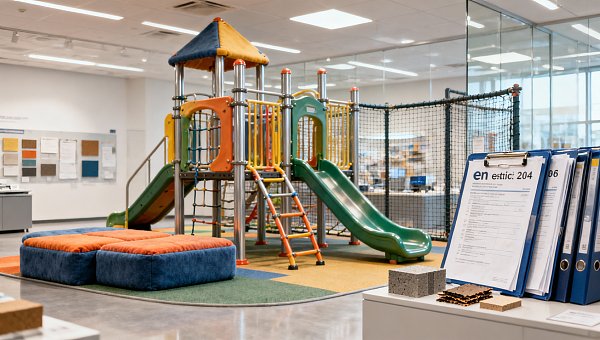
Many teams begin with renderings and feature lists. In practice, venue constraints should lead the decision. A compact family entertainment corner inside a mall, a hotel kids’ zone, and a large standalone indoor playground may all use modular systems, but they should not be planned the same way.
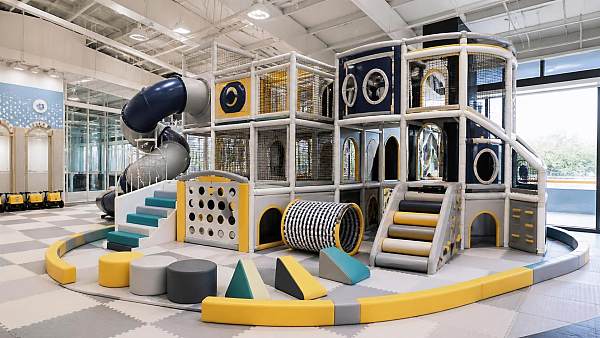
For smaller sites, the priority is spatial efficiency. You usually need equipment that stacks play value vertically, keeps clear sightlines for supervision, and avoids bulky elements that consume floor area without adding enough engagement. In these projects, every square meter has to work hard. A compact multi-level structure with climbing, slides, role-play panels, and soft obstacles often performs better than trying to force in too many feature categories.
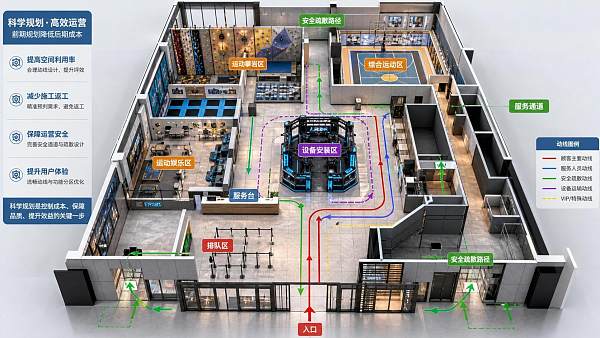
Mid-sized venues have a different challenge. They often have enough room to create zones, but not enough room to recover from a weak layout. If circulation is poorly handled, children bottleneck at entry points, slides discharge into active paths, and guardians end up standing in the way of movement. This is where modularity matters most. The right system lets you build age-separated zones, shape traffic loops, and reserve operational access without custom-building everything from scratch.
Large venues usually have the opposite risk: adding scale without coherence. Bigger does not automatically mean better. A large indoor play area still needs legible circulation, clear supervision points, rest zones, emergency access, and maintenance logic. If the structure becomes too fragmented, staff workload rises and parents struggle to understand where younger children should and should not go.
Before reviewing models, confirm these points on the actual site plan:
- Net usable area after columns, fire routes, reception, seating, and storage are deducted
- Clear ceiling height, including lighting, ducts, sprinklers, and maintenance access
- Entry and exit flow, especially during peak periods
- Required line of sight for staff and caregivers
- Cleaning and inspection access around and inside the structure
That sounds basic, but a lot of selection mistakes start with gross area instead of true usable area.
How venue size changes the right modular indoor play equipment choice
In a small venue, restraint is usually a strength. The best installations are selective. You want high replay value, not feature overload. A two- or three-level modular structure can work well if the internal route is simple and the age target is narrow. For example, if the audience is mainly children aged 3 to 8, there is little value in introducing advanced climbing elements meant for older kids if they reduce space for soft play, crawl tunnels, or social play features that this group will use more consistently.
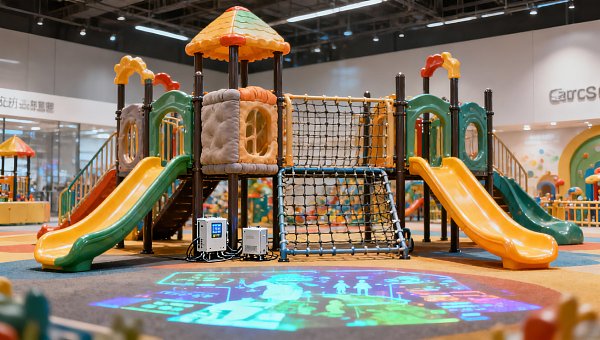
For medium venues, the goal is balance. This is often the sweet spot for modular indoor play equipment because the system can support clear zoning: a toddler-safe area, a general activity zone, and one stronger challenge zone for older children. The project succeeds when those zones are visually connected but operationally separated. Children feel variety, while staff retain control.
Large venues should be planned almost like a small traffic system. You need anchor elements, quieter transition areas, and enough route width to prevent congestion. In this scale, the equipment supplier’s layout support becomes more important than the product catalog itself. A capable supplier should be able to explain not only what modules are available, but why a certain arrangement will manage user flow better.
If a vendor mostly talks about colors, themes, and slide options, but cannot discuss throughput, supervision, or maintenance intervals in a practical way, that is a warning sign.
Age group is not a label. It changes the whole specification.
One of the most common mistakes is treating age range as a simple marketing tag. In reality, age grouping affects structure height, challenge level, fall-risk management, access points, pacing, and even how long children stay engaged.
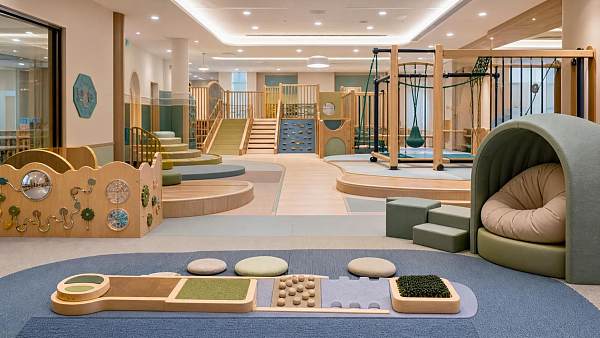
For toddlers and preschoolers, the equipment should emphasize low-height exploration, soft barriers, sensory interaction, crawling routes, short slides, and predictable movement. This group benefits from repetition and safety cues more than complexity. If the space includes bigger children, separation matters. Shared structures often look efficient on paper but create supervision problems and intimidation for younger users.
For children roughly in the 4 to 8 range, you can introduce more varied movement: climbing ramps, stepped decks, enclosed slides, soft punching elements, balance features, and imaginative play panels. This is often the most commercially active age band in indoor play environments because it combines enthusiasm, repeat use, and manageable risk when the layout is done properly.
For older children, challenge starts to matter more. They want height, speed, competition, and non-obvious routes. But this is where project teams can overbuild. If your venue primarily serves mixed family traffic rather than destination play visits, a highly challenging structure aimed at older children may not deliver the best return. It can narrow the usable audience and increase wear on the most complex elements.
A short answer for mixed-age projects: separate by behavior, not only by age. Quiet exploratory play, general active play, and higher-challenge movement should each have their own logic.
What project teams often underestimate
The first is circulation inside the structure. A play area can meet size and safety requirements and still feel frustrating if internal movement is awkward. Dead ends, narrow crossover points, and slide exits that interrupt the main route reduce actual capacity. When reviewing a design, ask where children queue, where they reverse direction, and where they come back to ground level.
The second is supervision. Beautiful enclosed structures can create blind spots. That may be acceptable in a tightly controlled destination venue with trained staff coverage, but it may not suit a hotel, education-adjacent facility, or mixed-use commercial property where supervision is lighter.
The third is maintenance realism. Modular indoor play equipment is often chosen because it is scalable and easier to adapt than fully custom construction. That advantage disappears if replacement parts are hard to source, wear items are too specialized, or access panels are difficult to reach. Ask practical questions: which components are high-wear, what is the expected inspection cycle, and how are damaged soft elements or netting replaced?
The fourth is acoustics. This gets ignored early and regretted later. Hard surfaces, enclosed tubes, and concentrated play activity can raise noise levels quickly. In hospitality and mixed-use environments, that may affect adjacent tenants or guest areas. The play equipment choice should be reviewed together with wall, floor, and ceiling acoustic strategy.
Choosing between standard modular systems and heavier customization
Standard modular systems are usually the better fit when timeline control, compliance clarity, and replacement support matter more than a fully unique visual concept. They are especially effective for projects that need predictable installation, repeatable maintenance, and easier future expansion.
More customization makes sense when the venue has unusual geometry, strong thematic requirements, or premium branding expectations. But customization should solve a real project constraint, not simply make the design look different. Every custom move can affect lead time, cost control, approvals, and long-term parts compatibility.
That is one reason many commercial buyers rely on sourcing platforms and sector-specific intelligence providers such as Global Commercial Trade when comparing suppliers. For projects in amusement, hospitality, and public-facing commercial environments, supplier evaluation is often just as important as the equipment configuration itself.
A practical selection framework
When reviewing proposals, it helps to score each option against the same decision points:
- Does the layout match the real usable footprint rather than the brochure footprint?
- Is the play challenge appropriate for the main age group, not just the widest possible age claim?
- Can staff supervise key activity points without excessive blind spots?
- Will the structure support peak-hour flow without constant congestion?
- Are material specifications, safety compliance documents, and installation responsibilities clearly defined?
- Can the supplier support spare parts, maintenance guidance, and future reconfiguration if needed?
If two options look similar, the better one is usually the one with fewer operational compromises, not the one with more features.
It also helps to test the proposal against a simple scenario: imagine a busy Saturday, a mixed group of younger and older children, two adults waiting near the entrance, and one staff member trying to monitor the area. The right equipment plan should still make sense under that pressure.
Common selection mistakes that cause trouble later
One is buying for maximum advertised capacity instead of realistic user comfort. Another is mixing age groups too aggressively in order to save space. A third is assuming that modular means universally flexible. Modular systems are flexible within their design rules, but they still depend on correct planning, structural fit, and operating intent.
There is also a tendency to focus on first cost and overlook lifecycle cost. Cheaper equipment may look acceptable during procurement, but if downtime, repairs, or premature surface wear become frequent, the real operating cost rises. For long-horizon commercial projects, durability, documentation quality, and after-sales responsiveness deserve serious weight.
And one more point: not every venue needs the biggest possible installation. A well-zoned, age-appropriate, efficiently supervised structure often performs better than a larger but confused layout.
Final decision: choose for use, not for impression
The best modular indoor play equipment is the option that fits the venue’s real constraints and the way people will actually use the space. That means aligning the structure with age behavior, circulation, supervision, maintenance, and long-term operating logic. If your team evaluates equipment through that lens, it becomes much easier to reject attractive but unsuitable proposals and move toward a solution that will still work well after opening day.
For most commercial projects, that is the real benchmark. Not whether the equipment has the longest feature list, but whether the modular indoor play equipment will remain safe, efficient, and commercially workable once the venue is busy.
- indoor playground safety standards: guide or compliance resource page
- how to evaluate commercial play equipment suppliers: supplier assessment or sourcing guide page
- family entertainment center layout planning: venue planning or design strategy page
- soft play equipment maintenance checklist: maintenance or operations guide page
- government or regulatory agency pages covering playground or indoor amusement safety requirements
- industry association technical guidance for indoor play and family entertainment venues
- manufacturer official technical documentation for materials, testing, and maintenance specifications
Search News
Hot Articles
- Restaurant FurnitureFast-Casual Restaurant Interiors: Design Choices That Improve Speed and Guest FlowOct 04, 2026
- Outdoor RidesHow to Select Leisure Park Equipment for Safe, High-Throughput Visitor AreasOct 03, 2026
- Fashion & Gem JewelryDiamond Tester Wholesale: How to Vet Accuracy, Calibration, and MOQ Before OrderingOct 02, 2026
Popular Tags
Need ExpertConsultation?
Connect with our specialized leisureengineering team for procurementstrategies.
Recommended News
 Sep 29, 2026Poured Playground Safety Surfacing: How to Specify Thickness for Fall HeightsPoured playground safety surfacing: learn how to specify tested thickness by fall height, ASTM standards, substrate conditions, accessibility, and field verification.● Theme Park Strategist
 Sep 27, 2026Custom Trampoline Park Equipment: Planning Capacity, Safety, and LayoutCustom trampoline park equipment for safer capacity, smooth guest flow, and efficient layouts. Explore practical planning insights for a high-performing park.● Theme Park Strategist
 Aug 30, 2026Entertainment Venue Master Planning: How to Balance Capacity, Flow, and RevenueEntertainment venue development master planning: balance capacity, guest flow, and revenue with practical strategies for resilient, high-performing venues.● Theme Park Strategist
 Sep 07, 2026What Should Buyers Do When a Supplier Delivers Non-Compliant Products?What to do if a supplier delivers non-compliant commercial products: contain risks, document evidence, protect your project, and secure the right remedy.● Theme Park Strategist
 Sep 02, 2026Waterpark Capacity Management: Balancing Queue Times, Safety, and Guest ThroughputWaterpark capacity management strategies to reduce queue times, protect safety, optimize guest throughput, and build a smoother, more profitable park operation.● Theme Park Strategist
 Sep 01, 2026ASTM F2075 Explained: Testing Engineered Wood Fiber for Playground Impact SafetyASTM F2075 explained: learn how engineered wood fiber supports playground impact safety, smarter sourcing, compliance documentation, and reliable maintenance planning.● Theme Park Strategist
 Aug 24, 2026How to Evaluate an Indoor Ninja Warrior Course Supplier in Europe?indoor ninja warrior course Europe supplier guide: learn how to assess safety, EN compliance, engineering, installation, and maintenance support before you choose.● Theme Park Strategist
 Aug 20, 2026How to Choose Modular Indoor Play Equipment for Different Venue Sizes and Age GroupsModular indoor play equipment buying guide: learn how to match venue size, ceiling height, traffic flow, and age groups to create safer, smarter, and more profitable play spaces.● Theme Park Strategist
 Aug 14, 2026POB Push Lifts Overseas Pre-Registrations 45.74%POB boosts overseas pre-registrations for the 2026 China Sport Show by 45.74%, signaling stronger global buyer interest and smarter sourcing opportunities in sports manufacturing.● Theme Park Strategist
 Aug 02, 2026What to Check Before Buying Thick Gymnastic Mats Wholesale for Schools and GymsThick gymnastic mats wholesale buying guide for schools and gyms: learn how to check foam, cover durability, safety documents, samples, and true long-term value before placing a bulk order.● Theme Park Strategist
 Jul 28, 2026How to Design Inclusive Sensory Play Areas for Different Age Groups and NeedsInclusive sensory play starts with smart zoning, age planning, accessibility, and acoustics. Discover practical design tips to create safer, engaging spaces that truly work.● Theme Park Strategist
 Jul 26, 2026How to Evaluate a Bowling Alley Equipment Factory Before Requesting a QuoteBowling alley equipment factory evaluation starts before price. Learn how to check manufacturing scope, engineering, compliance, spare parts, and installation support to avoid costly sourcing mistakes.● Theme Park Strategist
 Jul 16, 2026EN 1176:2026 Takes Effect for Indoor PlaygroundsEN 1176:2026 takes effect for indoor playgrounds in the EU, making conformity assessment mandatory. Learn how this impacts certification, customs clearance, suppliers, and market access.● Theme Park Strategist
 Jul 15, 2026CPSC Sets New ASTM Impact Test for Indoor Playground Metal PartsCPSC sets new ASTM impact test rules for indoor playground metal parts effective Oct. 1, 2026. Learn how the 15kN requirement may affect compliance, testing timelines, and U.S. export delivery.● Theme Park Strategist
 Jul 14, 2026CPSC Tightens Phthalate Limit for Indoor Playground Soft MaterialsCPSC tightens phthalate limits for indoor playground soft materials from Aug 15, 2026. Learn how DIBP control, CBP detention risk, and testing changes impact sourcing, exports, and compliance.● Theme Park Strategist
 Jul 13, 2026Vietnam Tightens IoT Rule for Indoor Playground ImportsVietnam Tightens IoT Rule for Indoor Playground Imports: learn how VNSS-2025 gateway requirements affect exporters, buyers, installers, and delivery timelines before the 2026 deadline.● Theme Park Strategist
 Jul 13, 2026How a Recreational Facility Planning Company Helps Reduce Layout MistakesRecreational facility planning company insights: learn how early layout strategy reduces costly mistakes, improves flow, compliance, and buildability for smoother project delivery.● Theme Park Strategist
 Jul 12, 2026CPSC Halts Imports of Indoor Playground Soft PartsCPSC halts imports of indoor playground soft parts from China under ASTM F3432-26. Learn the compliance risks, testing requirements, and urgent steps importers must take now.● Theme Park Strategist
 Jul 11, 2026CPSC Import Alert Tightens Fire Test Rule for Indoor Playground PaddingCPSC import alert updates indoor playground padding rules to ASTM F3432-26. See how the new fire test affects foam mats, shipments, and U.S. market access.● Theme Park Strategist
 Jul 11, 2026Ice Bumper Cars Bulk Order Checklist for Indoor Parks: Space, Power, and Safety PointsIce bumper cars bulk order guide for indoor parks: learn how to assess space, power, safety, and throughput before buying, so you can avoid costly mistakes and choose the right fleet with confidence.● Theme Park Strategist
 Jul 10, 2026Commercial Playground Equipment for Campuses: Key Safety Standards and Planning TipsCommercial playground equipment for campuses: explore key safety standards, inclusive layout planning, durable materials, and smart procurement tips to avoid costly mistakes.● Theme Park Strategist
 Jul 09, 2026CPSC Recall Escalates Over Phthalates in Indoor Playground PadsCPSC recall escalates over phthalates in indoor playground pads as affected batches exceed CPSIA limits. Learn the risks, supply chain impact, and what buyers should monitor now.● Theme Park Strategist
 Jul 07, 2026How to Choose Ice Skating Rink Equipment in Europe: Key Systems, Standards, and Budget Factorsice skating rink equipment Europe guide: compare refrigeration, rink floors, boards, EU compliance, and total budget factors to choose a safer, more efficient commercial rink solution.● Theme Park Strategist
 Jul 06, 2026CPSC Flags New Flame Test for Indoor Playground PaddingCPSC flags a new flame test for indoor playground padding under ASTM F1487-23b. Learn how this urgent compliance alert affects materials, testing, imports, and U.S. market access.● Theme Park Strategist