How to Evaluate a Bowling Alley Equipment Factory Before Requesting a Quote
How to Evaluate a Bowling Alley Equipment Factory Before Requesting a Quote
Before requesting a quote, most buyers ask for pricing too early. That is usually where sourcing starts to go sideways. A low number on the first sheet tells you almost nothing about whether the factory can deliver lanes that install cleanly, scoring systems that integrate properly, or spare parts that will still be available when something fails after opening.
If you are evaluating a bowling alley equipment factory, the real job is to reduce procurement risk before commercial terms are discussed. For buyers working on family entertainment centers, hotel leisure zones, mixed-use developments, or dedicated bowling venues, that means checking manufacturing depth, engineering support, compliance discipline, and after-sales reality. Price matters, but price without context is how projects end up delayed, reworked, or stuck with mismatched systems.
Here is the checklist experienced procurement teams usually work through before they ask for a formal quote.
Start with the factory’s actual product scope
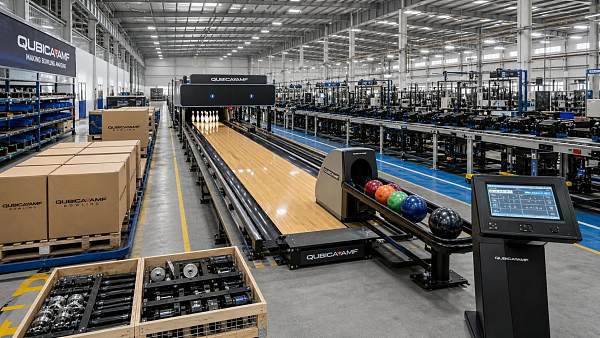
Not every supplier calling itself a bowling alley equipment factory is manufacturing the full system. Some are assembling sourced components. Some focus on lane furniture and outsource mechanical systems. Others are stronger in scoring software than in physical equipment.
You need to know what is made in-house and what is purchased from outside vendors. Ask them to break the offer into categories such as:
- lane systems and substructure
- pinsetters or pinspotters
- ball return systems
- scoring and control systems
- approach flooring and gutters
- seating, masking units, and house fixtures
- spare parts and consumables
This is not a paperwork exercise. If a supplier outsources critical assemblies, you now have another layer of lead time, warranty coordination, and quality variation. That may still be acceptable, but only if they are transparent about it.
Ask for a factory view, not just catalog photos
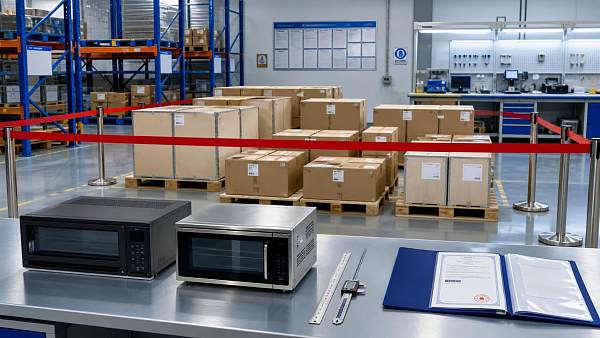
A polished brochure is easy to produce. What you want is evidence of production capability. Request recent factory video, workshop photos tied to current production, and a live video call if an on-site audit is not practical. During that review, look for very basic but telling things: material storage, assembly stations, packaging discipline, part labeling, test areas, and whether finished products are traceable to orders.
If the supplier avoids showing the production floor and keeps sending only renderings or showroom images, take that as a warning sign. A real factory should be able to show process, not just output.
Check whether their engineering team can support your layout
Bowling projects rarely fail because of one big mistake. They fail because many small interface points were not coordinated early: ceiling height, column spacing, power access, maintenance clearance, flooring transitions, scoring monitor placement, or local code constraints.
Before asking for price, send a preliminary floor plan and see how the supplier responds. Do they ask good questions? Do they request ceiling sections, MEP details, or loading conditions? Can they produce a concept layout with equipment dimensions and service zones? That response will tell you more than a sales presentation.
A capable supplier usually flags constraints early. An inexperienced one often says “no problem” to everything and leaves the real conflicts for installation.
Do not treat customization as a simple add-on
Buyers often need custom finishes, branded masking units, modified seating, nonstandard lane counts, or integration into hotel and entertainment interiors. That is normal. What matters is whether the factory has a controlled customization process.
Ask how design changes are reviewed, approved, and documented. Request examples of custom shop drawings, finish samples, and revision logs with client sign-off points. If the supplier cannot show a clear process, custom work can quickly turn into scope drift, pricing disputes, or incorrect production.
This matters even more when aesthetics are part of the commercial model, such as boutique bowling concepts or hospitality-led venues where interior design is not secondary.
Review compliance claims carefully
Compliance language in this category is often broad, and sometimes sloppy. A supplier may mention “international standards” without clarifying whether that refers to electrical safety, material fire performance, machinery safety, or export documentation.
Ask them to specify which certifications or test reports apply to which part of the system. For example, electrical and electronic components sold into different markets may require market-specific conformity documentation such as CE-related declarations for applicable EU requirements, while other jurisdictions may have their own acceptance rules. Fire ratings for finish materials, if relevant to your venue, should also be checked against project requirements rather than accepted at face value. If they cannot map documents to actual supplied components, treat the claim as incomplete.
Do not accept generic certificate screenshots in a slide deck. Ask for the issuing body, scope, validity, and the exact entity named on the document. If there is a mismatch between the trading company and the manufacturing entity, note it and verify why.
Look at project history, but look at it like a buyer
Many suppliers will show project photos. Fewer will provide useful project information. You want to know where they have shipped, what type of venues they supported, whether installations were domestic or export, and whether their system scale matches your project.
A factory that has only supplied small local entertainment sites may not be ready for a multi-country rollout or a premium branded environment. That does not make them unsuitable, but it changes the risk profile.
If references are offered, verify what you reasonably can. Even basic checks help: project location, approximate completion timing, product type, and whether the venue is still operating with the installed system. If a supplier makes major claims but provides little verifiable detail, keep those claims in the 【待核实】 category until proven.
Spare parts availability is a procurement issue, not an after-sales footnote
This point is often underweighted during sourcing. A bowling venue depends on uptime. If replacement sensors, belts, boards, or mechanical wear parts are difficult to source, the original equipment cost becomes almost irrelevant.
Ask direct questions:
If they cannot answer this before quote stage, they are asking you to buy blind.
Evaluate installation support before you need it
Some factories supply equipment but rely entirely on third-party installers. Others can dispatch supervisors, train local contractors, or provide remote commissioning support. The right model depends on your project, but it should be defined early.
Ask who is responsible for installation drawings, site readiness checks, commissioning, and punch-list closure. Also ask what happens if the site conditions differ from approved drawings. Buyers sometimes discover too late that the supplier considers those issues “outside scope,” even when the factory reviewed the layout earlier.
A quote is not comparable until these responsibilities are clear.
Lead time should be broken into stages
“Production lead time: 45 days” sounds neat, but it is not enough for procurement planning. Ask for stage-based timing: engineering confirmation, sample approval if relevant, production, internal testing, packing, and ex-factory readiness. For export orders, shipping mode, destination port, customs clearance model, and local inland delivery all affect the true schedule.
This is where experienced buyers catch hidden risk. If the supplier’s schedule does not show dependency on drawing approval or deposit receipt, the timeline may be more sales-friendly than operationally real.
Watch for cost gaps before the quote arrives
When comparing a bowling alley equipment factory, the biggest mistake is assuming every quote covers the same scope. In practice, one supplier may include scoring software licenses, installation tools, startup spares, and technician travel, while another excludes all of them.
Ask for a quotation structure in advance. It should separate equipment supply, optional items, consumables, freight basis, installation support, commissioning, training, and warranty extensions. This makes supplier comparison far more useful than negotiating from a single total price.
Also clarify the commercial basis they intend to use, such as EXW, FOB, or CIF where applicable. Buyers focused on cost control should avoid comparing mixed Incoterms without adjusting the landed cost model.
A short pre-quote document saves time on both sides
Serious suppliers usually respond better when the buyer sends a concise RFQ brief before formal pricing begins. Keep it practical. Include venue type, number of lanes, target market, design expectations, required standards or approvals, site status, delivery target, and whether installation is included.
That one step does two things. It gives the factory enough context to quote properly, and it shows you whether they read project details carefully. Suppliers who return thoughtful technical questions are usually easier to work with later.
Before you request the number, make sure you trust the process behind it. That is the real evaluation standard. A bowling system is not a commodity purchase, and the factory that looks cheapest at inquiry stage can become the most expensive one once revisions, delays, spare part shortages, or site issues start showing up.
For procurement teams, the best move is simple: filter hard before quoting. Confirm manufacturing scope, engineering response, compliance evidence, parts support, and installation responsibility. Once those pieces are visible, the quote becomes useful instead of misleading.
Search News
Hot Articles
- Outdoor RidesSix Flags to Add Seat Belts to Goliath and Eight Other Coasters to Improve SafetyOct 25, 2026
- Commercial KitchenChoosing an Electric Shawarma Machine: Capacity and Power RequirementsOct 25, 2026
- Pro Stage AudioRME Launches ADI-2/4 PRO EX Audio Converter with Integrated ProcessingOct 24, 2026
Popular Tags
Need ExpertConsultation?
Connect with our specialized leisureengineering team for procurementstrategies.
Recommended News
 Oct 18, 2026Turnkey Playground Installation: What's Included and What Costs Extra?Turnkey playground installation: discover what's included, uncover extra costs, and compare quotes confidently. Learn how to avoid budget surprises before you sign.● Theme Park Strategist
 Oct 24, 2026What Are the Biggest Risks in Entertainment Venue Development?What are the biggest risks in entertainment venue development projects? Explore demand, budget, safety, and opening risks—and learn how to protect your investment before you commit.● Theme Park Strategist
 Oct 08, 2026How to Choose Animatronic Haunted House Props for High-Throughput AttractionsAnimatronic haunted house props for high-throughput attractions: compare motion, triggers, safety, and maintenance to create reliable scares that keep guests moving.● Theme Park Strategist
 Sep 29, 2026Poured Playground Safety Surfacing: How to Specify Thickness for Fall HeightsPoured playground safety surfacing: learn how to specify tested thickness by fall height, ASTM standards, substrate conditions, accessibility, and field verification.● Theme Park Strategist
 Sep 27, 2026Custom Trampoline Park Equipment: Planning Capacity, Safety, and LayoutCustom trampoline park equipment for safer capacity, smooth guest flow, and efficient layouts. Explore practical planning insights for a high-performing park.● Theme Park Strategist
 Aug 30, 2026Entertainment Venue Master Planning: How to Balance Capacity, Flow, and RevenueEntertainment venue development master planning: balance capacity, guest flow, and revenue with practical strategies for resilient, high-performing venues.● Theme Park Strategist
 Sep 07, 2026What Should Buyers Do When a Supplier Delivers Non-Compliant Products?What to do if a supplier delivers non-compliant commercial products: contain risks, document evidence, protect your project, and secure the right remedy.● Theme Park Strategist
 Sep 02, 2026Waterpark Capacity Management: Balancing Queue Times, Safety, and Guest ThroughputWaterpark capacity management strategies to reduce queue times, protect safety, optimize guest throughput, and build a smoother, more profitable park operation.● Theme Park Strategist
 Sep 01, 2026ASTM F2075 Explained: Testing Engineered Wood Fiber for Playground Impact SafetyASTM F2075 explained: learn how engineered wood fiber supports playground impact safety, smarter sourcing, compliance documentation, and reliable maintenance planning.● Theme Park Strategist
 Aug 24, 2026How to Evaluate an Indoor Ninja Warrior Course Supplier in Europe?indoor ninja warrior course Europe supplier guide: learn how to assess safety, EN compliance, engineering, installation, and maintenance support before you choose.● Theme Park Strategist
 Aug 20, 2026How to Choose Modular Indoor Play Equipment for Different Venue Sizes and Age GroupsModular indoor play equipment buying guide: learn how to match venue size, ceiling height, traffic flow, and age groups to create safer, smarter, and more profitable play spaces.● Theme Park Strategist
 Aug 14, 2026POB Push Lifts Overseas Pre-Registrations 45.74%POB boosts overseas pre-registrations for the 2026 China Sport Show by 45.74%, signaling stronger global buyer interest and smarter sourcing opportunities in sports manufacturing.● Theme Park Strategist
 Aug 02, 2026What to Check Before Buying Thick Gymnastic Mats Wholesale for Schools and GymsThick gymnastic mats wholesale buying guide for schools and gyms: learn how to check foam, cover durability, safety documents, samples, and true long-term value before placing a bulk order.● Theme Park Strategist
 Jul 28, 2026How to Design Inclusive Sensory Play Areas for Different Age Groups and NeedsInclusive sensory play starts with smart zoning, age planning, accessibility, and acoustics. Discover practical design tips to create safer, engaging spaces that truly work.● Theme Park Strategist
 Jul 26, 2026How to Evaluate a Bowling Alley Equipment Factory Before Requesting a QuoteBowling alley equipment factory evaluation starts before price. Learn how to check manufacturing scope, engineering, compliance, spare parts, and installation support to avoid costly sourcing mistakes.● Theme Park Strategist
 Jul 16, 2026EN 1176:2026 Takes Effect for Indoor PlaygroundsEN 1176:2026 takes effect for indoor playgrounds in the EU, making conformity assessment mandatory. Learn how this impacts certification, customs clearance, suppliers, and market access.● Theme Park Strategist
 Jul 15, 2026CPSC Sets New ASTM Impact Test for Indoor Playground Metal PartsCPSC sets new ASTM impact test rules for indoor playground metal parts effective Oct. 1, 2026. Learn how the 15kN requirement may affect compliance, testing timelines, and U.S. export delivery.● Theme Park Strategist
 Jul 14, 2026CPSC Tightens Phthalate Limit for Indoor Playground Soft MaterialsCPSC tightens phthalate limits for indoor playground soft materials from Aug 15, 2026. Learn how DIBP control, CBP detention risk, and testing changes impact sourcing, exports, and compliance.● Theme Park Strategist
 Jul 13, 2026Vietnam Tightens IoT Rule for Indoor Playground ImportsVietnam Tightens IoT Rule for Indoor Playground Imports: learn how VNSS-2025 gateway requirements affect exporters, buyers, installers, and delivery timelines before the 2026 deadline.● Theme Park Strategist
 Jul 13, 2026How a Recreational Facility Planning Company Helps Reduce Layout MistakesRecreational facility planning company insights: learn how early layout strategy reduces costly mistakes, improves flow, compliance, and buildability for smoother project delivery.● Theme Park Strategist
 Jul 12, 2026CPSC Halts Imports of Indoor Playground Soft PartsCPSC halts imports of indoor playground soft parts from China under ASTM F3432-26. Learn the compliance risks, testing requirements, and urgent steps importers must take now.● Theme Park Strategist
 Jul 11, 2026CPSC Import Alert Tightens Fire Test Rule for Indoor Playground PaddingCPSC import alert updates indoor playground padding rules to ASTM F3432-26. See how the new fire test affects foam mats, shipments, and U.S. market access.● Theme Park Strategist
 Jul 11, 2026Ice Bumper Cars Bulk Order Checklist for Indoor Parks: Space, Power, and Safety PointsIce bumper cars bulk order guide for indoor parks: learn how to assess space, power, safety, and throughput before buying, so you can avoid costly mistakes and choose the right fleet with confidence.● Theme Park Strategist
 Jul 10, 2026Commercial Playground Equipment for Campuses: Key Safety Standards and Planning TipsCommercial playground equipment for campuses: explore key safety standards, inclusive layout planning, durable materials, and smart procurement tips to avoid costly mistakes.● Theme Park Strategist