How to Compare Motorized, Fixed Frame, and Portable Wholesale Projector Screens
Choosing between motorized, fixed frame, and portable wholesale projector screens is not a minor equipment decision. It affects image consistency, room flexibility, installation labor, maintenance exposure, and the overall impression of a commercial space.
That matters more now because projection is used across hospitality, education, leisure venues, event operations, and branded environments. In each setting, the screen is not just an accessory. It is part of the viewing system.
For sourcing research, the comparison should go beyond price. The better question is how each screen type performs under real operating conditions, and whether it supports the standards expected in modern commercial projects.
Why screen type deserves closer evaluation
Many projection problems are blamed on the projector itself. In practice, screen selection often shapes brightness perception, surface flatness, viewing comfort, and ease of daily use.
Commercial buyers also face a wider sourcing challenge. The right wholesale projector screens must align with interior design, safety expectations, mounting conditions, and long-term serviceability.
This is especially relevant in projects where visual quality and operational polish influence customer experience. Hotels, smart campuses, training centers, amusement venues, and multipurpose halls all fit that pattern.
From a broader trade perspective, GCT focuses on exactly these decision layers: performance, compliance, sourcing reliability, and fit for high-value commercial environments.
Three screen formats, three different priorities
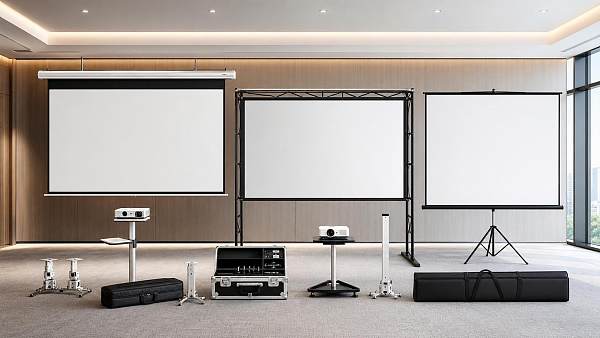
Motorized screens retract into a housing and deploy when needed. Fixed frame screens stay permanently tensioned and visible. Portable screens are designed for temporary setup and transport.
All three can be found in the wholesale projector screens market, but they solve different operational problems. Comparing them as if they were interchangeable usually leads to weak sourcing decisions.
Motorized screens
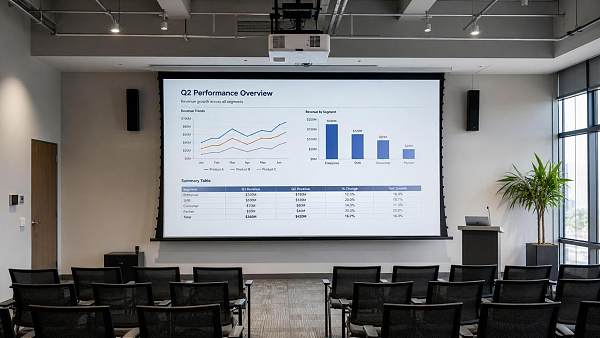
Motorized models are often chosen where spaces serve multiple purposes. A ballroom, conference room, lecture space, or executive meeting room may need projection only at certain times.
Their main value is integration. When retracted, the room feels cleaner and more flexible. That makes them attractive in design-sensitive interiors.
The tradeoff is mechanical complexity. Motors, control systems, casing quality, and installation alignment all influence lifespan and user satisfaction.
Fixed frame screens
Fixed frame screens are typically selected where image quality is the highest priority. The permanently tensioned surface delivers strong flatness and dependable presentation performance.
They suit spaces with dedicated projection use, such as simulation rooms, teaching theaters, screening rooms, and premium demo areas.
Their limitation is obvious. They occupy visible wall space full time and reduce layout flexibility.
Portable screens
Portable screens support temporary events, roadshows, training sessions, trade exhibitions, and pop-up presentations. They are valued for transportability and rapid deployment.
This category often wins on convenience, but quality varies sharply. Frame stability, assembly speed, storage protection, and surface tension become critical points during sourcing.
A practical comparison of wholesale projector screens
A side-by-side view helps clarify where each format performs best.
The table shows why product type should match usage rhythm. A dedicated screening room and a hotel function hall may both use projection, yet require very different wholesale projector screens.
What matters beyond the format itself
Screen type is only the first layer. Commercial comparison should also examine screen material, gain, ambient light performance, aspect ratio, casing finish, and mounting method.
For example, a motorized model may look ideal on paper. If the surface curls over time or the casing conflicts with ceiling conditions, the operational result becomes disappointing.
Likewise, fixed frame wholesale projector screens can deliver excellent image fidelity. Yet they may be a poor fit in a venue where the wall must alternate between branding, art, and projection use.
Portable options deserve careful scrutiny as well. Published dimensions do not reveal whether one person can handle setup safely, or whether repeated transport damages the viewing surface.
Surface and viewing quality
- Check whether the screen material supports the projector’s brightness and intended room lighting.
- Review gain ratings with caution. Higher gain is not always better if viewing angles narrow too much.
- Confirm flatness tolerance, especially for large-format wholesale projector screens.
- Ask whether the screen is suited for standard, short-throw, or ultra-short-throw projection.
Build quality and compliance
- Verify frame strength, motor reliability, and surface edge finishing.
- Review fire safety, electrical, and material compliance for the intended market.
- Confirm packaging standards if products will move through international distribution channels.
- Check spare part availability for motors, remotes, brackets, and replacement fabric.
Where each screen type tends to fit best
Application context often decides faster than technical preference. Some patterns are consistent across commercial sectors.
Hospitality and premium event spaces
Motorized wholesale projector screens often work well in banquet halls, meeting suites, and convertible event venues. They preserve interior appearance when projection is not in use.
Portable systems are also common for overflow functions or mobile event support. The key question is whether setup speed outweighs lower visual refinement.
Education and institutional environments
Fixed frame models often suit lecture rooms or media spaces that rely on stable daily display performance. Motorized screens can be better where rooms switch between teaching modes.
For temporary training or outreach programs, portable wholesale projector screens remain relevant, especially when transport logistics shape equipment choice.
Leisure, attractions, and branded experiences
Attraction spaces and immersive commercial environments usually prioritize presentation impact. Fixed frame screens often perform best where surface precision supports storytelling or visual effects.
Still, hidden motorized installations may be preferred when projection elements need to appear selectively within a broader space design.
How to make a more reliable sourcing decision
The most useful approach is to create a comparison framework before reviewing suppliers. That keeps the selection process anchored in operating needs rather than catalog language.
- Define whether the room is dedicated, multipurpose, or mobile.
- Match screen type to usage frequency, not only appearance.
- List the real installation constraints, including ceiling depth, wall strength, and power access.
- Request material samples, casing details, and dimensional drawings.
- Review warranty terms and after-sales support for international projects.
- Compare total ownership cost, including transport, setup time, servicing, and replacement cycles.
This is where B2B intelligence becomes useful. Reliable sourcing is rarely about finding the cheapest wholesale projector screens. It is about reducing mismatch, delay, and avoidable replacement risk.
A sharper next step
Comparing motorized, fixed frame, and portable wholesale projector screens works best when the screen is treated as part of a full commercial experience, not a stand-alone commodity.
A clear shortlist should reflect room purpose, image expectations, maintenance tolerance, and installation reality. Once those factors are documented, supplier comparisons become more precise and more useful.
For deeper evaluation, the next move is to map screen format against project type, required compliance, and lifecycle cost. That framework usually reveals which wholesale projector screens are genuinely fit for the job.
Search News
Hot Articles
- Indoor PlaygroundHow to Choose Animatronic Haunted House Props for High-Throughput AttractionsOct 08, 2026
- Fashion & Gem JewelryThermal Diamond Testers: How They Work and When They Can Misidentify StonesOct 07, 2026
- Commercial KitchenWhat Is Driving Demand for Commercial Hospitality Projects Across the GCC?Oct 06, 2026
Popular Tags
Need ExpertConsultation?
Connect with our specialized leisureengineering team for procurementstrategies.
Recommended News
 Sep 02, 2026How to Choose a Glass Acoustic Office Pod for Open-Plan Workplace PrivacyGlass acoustic pod office buying guide: compare privacy, ventilation, safety glass, power, site fit, and supplier support to choose a productive open-plan workspace solution.● Institutional Buyer
 Sep 01, 2026Is CE Marking Enough for Commercial Products Sold in the US?Is CE marking enough for commercial products sold in the US? Learn the key US safety, FCC, listing, and inspection requirements before you buy.● Institutional Buyer
 Sep 04, 2026B2B Office Supplies Procurement: Building a Cost-Controlled Replenishment ProgramB2B office supplies procurement made smarter: build a cost-controlled replenishment program that reduces spend, prevents stockouts, and improves supplier performance.● Institutional Buyer
 Aug 26, 2026How to Choose Automatic Office Coffee Machines for Team Size, Usage, and MaintenanceAutomatic office coffee machines: learn how to choose the right model for team size, daily demand, drink preferences, and maintenance needs to reduce downtime and improve workplace satisfaction.● Institutional Buyer
 Aug 13, 2026What to Look for When Choosing a Wood Executive Office Desk for Daily UseWood executive office desks should do more than look premium. Learn how to compare durability, ergonomics, cable management, and finish quality before you buy.● Institutional Buyer
 Jul 31, 2026How to Choose Institutional Storage Furniture for Schools, Offices, and Public FacilitiesInstitutional storage furniture buying guide for schools, offices, and public facilities—learn how to assess safety, durability, cleaning, locks, and lifecycle cost before you buy.● Institutional Buyer
 Jul 14, 2026Commercial Carpet Tile Price Guide: Cost Factors, Wear Ratings, and Installation ScopeCommercial carpet tile price explained: compare cost factors, wear ratings, and installation scope to choose durable, budget-smart flooring for offices, schools, hotels, and retail.● Institutional Buyer
 Jul 11, 2026How to Compare Motorized, Fixed Frame, and Portable Wholesale Projector ScreensWholesale projector screens compared: discover how motorized, fixed frame, and portable options differ in image quality, flexibility, and sourcing value for commercial projects.● Institutional Buyer
 Jul 10, 2026Desktop Hole Punches Wholesale: What Buyers Should Check Before Placing a Bulk OrderDesktop hole punches wholesale buyers should check quality, accuracy, compliance, total cost, and supplier reliability before placing a bulk order. Read the key checkpoints now.● Institutional Buyer
 Jul 09, 2026Library Bookshelves Wholesale Buying Guide: Materials, Load Capacity, and Layout CostsLibrary bookshelves wholesale guide covering materials, load capacity, and layout costs. Compare options, reduce procurement risk, and choose durable shelving for long-term value.● Institutional Buyer
 Jul 08, 2026Height Adjustable Desks Bulk: Key Specs to Compare for Office Fit-Out ProjectsHeight adjustable desks bulk: compare load, range, stability, noise, compliance, and rollout factors to choose reliable desks for office fit-out projects with less risk.● Institutional Buyer
 Jul 06, 2026FBX Drops 18% as Asia-Europe Furniture Rates FallFBX drops 18% as Asia-Europe furniture rates fall to $1,186/FEU, reshaping office furniture import margins, restocking timing, and shipping plans. See what buyers and exporters should do next.● Institutional Buyer
 Jul 06, 2026Training Chairs With Writing Tablet: What to Check for Classroom Layout and DurabilityTraining chairs with writing tablet: learn how to compare classroom layout, tablet size, frame durability, and maintenance needs to choose smarter, longer-lasting seating.● Institutional Buyer
 Jul 05, 2026Indonesia Tightens Wood Proof for Office Furniture ImportsIndonesia tightens wood proof for office furniture imports from July 3, 2026. Learn FLEGT, certification, customs risks, and how exporters can avoid delays and extra fees.● Institutional Buyer
 Jul 04, 2026How to Choose Educational Furniture for Schools by Age Group, Layout, and DurabilityEducational furniture for schools should match age groups, room layouts, and durability needs. Discover practical buying tips to improve safety, flexibility, and long-term value.● Institutional Buyer
 Jul 03, 2026Europe 40HQ Rates Climb to $6,920 for Large Furniture ShipmentsEurope 40HQ rates climb to $6,920, reshaping large furniture shipments with 9–12 week delays and higher consolidation costs. See what exporters and buyers should do now.● Institutional Buyer
 Jul 03, 2026Adjustable Library Shelves: Load Capacity, Material, and Layout Tips for Smarter Space PlanningAdjustable library shelves: learn how to compare load capacity, materials, and layout options to create safer, more flexible spaces with lower long-term costs.● Institutional Buyer
 Jul 02, 2026Vietnam Tightens Proof Rules for Wood Office FurnitureVietnam tightens proof rules for wood office furniture from July 1, 2026. Learn how FSC-CoC, VPA-FLEGT, and customs delays could impact exporters, sourcing, and delivery plans.● Institutional Buyer
 Jun 29, 2026Workspace Furniture for Offices: What to Compare Before Planning a Hybrid LayoutWorkspace furniture for offices should be compared by flexibility, comfort, space efficiency, and procurement value before planning a hybrid layout. Learn what to review for smarter office decisions.● Institutional Buyer
 Jun 28, 2026How to Evaluate an Institutional Furniture Manufacturer for Schools, Hospitals, and Public SpacesInstitutional furniture manufacturer evaluation guide for schools, hospitals, and public spaces. Learn how to compare compliance, durability, customization, and supply reliability.● Institutional Buyer
 Jun 23, 2026Educational Furniture for Universities: What to Compare Before Buying for Labs and Lecture RoomsEducational furniture for universities: compare lab and lecture room safety, durability, flexibility, and lifecycle cost before buying. Make smarter campus sourcing decisions.● Institutional Buyer
 Jun 22, 2026How to Choose Educational Furniture for Libraries by Age Group, Layout, and UseEducational furniture for libraries should match age groups, layout, and daily use. Discover practical tips to choose safer, flexible, durable solutions that improve learning spaces.● Institutional Buyer
 Jun 18, 2026Wholesale Projector Screens: How to Choose Size, Gain, and Mounting for Each SpaceWholesale projector screens guide: learn how to choose the right size, gain, and mounting for classrooms, boardrooms, hotels, and event spaces for clearer images and smarter sourcing.● Institutional Buyer
 Jun 17, 2026Mobile Pedestals Wholesale Buying Guide: Locking Systems, Sizes, and Bulk PricingMobile pedestals wholesale guide covering locking systems, size options, durability, and bulk pricing to help buyers compare suppliers, cut risk, and secure better-value orders.● Institutional Buyer