Adjustable Library Shelves: Load Capacity, Material, and Layout Tips for Smarter Space Planning
Adjustable Library Shelves: Load Capacity, Material, and Layout Tips for Smarter Space Planning
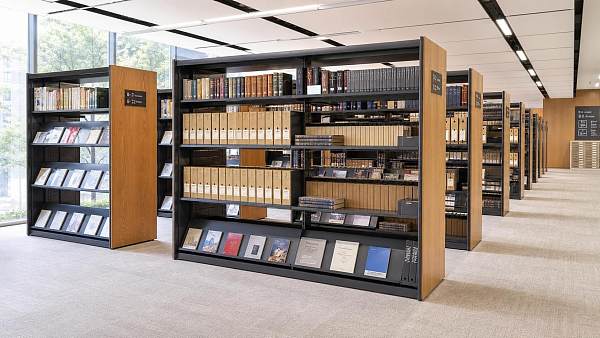
Adjustable library shelves are now specified far beyond traditional reading rooms.
They support hybrid learning, archive growth, public access, and flexible commercial interiors.
That shift makes early planning more important than many teams expect.
A shelf system is not only a storage fixture.
It affects floor loading, circulation, maintenance, safety compliance, and future reconfiguration costs.
The best adjustable library shelves balance weight performance, material durability, and layout efficiency.
When those factors align, the result is easier access, better space use, and fewer retrofit issues later.
This also matters in projects where shelving must serve books, media, binders, display materials, or mixed collections.
The practical question is simple: how do you choose adjustable library shelves that stay useful for years?
Why Adjustable Library Shelves Matter in Modern Space Planning
Static shelving often works only for a fixed collection profile.
But modern libraries and learning spaces rarely stay fixed.
Collections expand, formats change, and room functions evolve.
Adjustable library shelves give teams room to respond without replacing the whole installation.
That flexibility is especially useful in universities, public libraries, training centers, and mixed-use knowledge hubs.
In actual projects, the stronger signal is operational efficiency.
Staff can adapt shelf heights to suit oversized books, journals, boxed archives, or rotating collections.
That reduces wasted vertical space and improves shelf density.
It also supports phased fit-outs, where one shelving system must serve several use cases over time.
Core planning benefits
- Better use of vertical storage volume
- Fewer replacement costs during collection changes
- Improved user access across age groups and mobility needs
- Simpler zoning for reference, display, archive, and circulation stock
- More consistent long-term value from a single shelving specification
Start with Load Capacity, Not Appearance
Many teams begin by comparing finishes and dimensions.
That is understandable, but it can lead to weak specifications.
For adjustable library shelves, load capacity should come first.
Books are dense, and archive materials can be even heavier.
If shelf spans are too long or panel thickness is too low, sagging appears quickly.
Once that starts, user safety and visual quality both suffer.
More importantly, shelf deflection usually signals reduced service life.
That means future replacement costs rise long before the project expected them.
What to verify in load performance
- Load rating per shelf, not only per bay
- Shelf span between supports
- Material thickness and edge reinforcement
- Bracing method for single-sided and double-sided units
- Anchoring requirements for seismic or high-traffic environments
For standard circulating books, moderate shelf loads may be sufficient.
For legal archives, academic journals, or reference collections, the requirement is usually higher.
In business terms, underestimating weight is one of the costliest shelving mistakes.
A stronger adjustable library shelves specification reduces warranty claims and unplanned maintenance later.
Choosing the Right Material for Performance and Lifecycle Value
Material choice affects more than appearance.
It shapes structural strength, wear resistance, maintenance needs, and environmental fit.
For adjustable library shelves, three material routes are most common.
Steel shelving systems
Steel is often the strongest option for demanding loads and high-frequency use.
It suits institutional projects, archives, and public libraries with heavy circulation.
Powder-coated steel also performs well against scratches and daily impact.
The tradeoff is a more technical look unless paired with warmer end panels.
Wood and engineered wood options
Wood veneer and high-grade engineered boards create a softer interior feel.
These are common in school libraries, boutique reading lounges, and mixed hospitality spaces.
They work well where design language matters as much as storage.
Still, adjustable library shelves made from board materials need careful review of sag resistance and moisture stability.
Hybrid material systems
Hybrid systems combine steel frames with wood or laminate-facing elements.
This route is often the most balanced for commercial projects.
It supports structural reliability without losing interior warmth.
For many specifiers, hybrid adjustable library shelves offer the best mix of durability, flexibility, and visual integration.
Layout Tips That Improve Access and Space Efficiency
Even strong shelving underperforms when layout planning is weak.
This is where adjustable library shelves become a space-planning tool, not only a furniture choice.
A good layout supports visibility, circulation, user comfort, and collection management.
A poor layout creates blind corners, congestion, and low-value dead zones.
Practical layout rules
- Match shelf height to user profile and collection type.
- Use lower units near entrances to preserve sightlines.
- Keep aisle widths suitable for carts, wheelchairs, and two-way movement.
- Place heavier collections closer to structural support zones when needed.
- Leave expansion capacity instead of filling every square meter on day one.
Recent planning trends also favor mixed-use zones.
That means adjustable library shelves may sit beside study booths, digital stations, or display tables.
In these settings, layout flexibility has direct operational value.
Teams can shift zones over time without replacing core storage infrastructure.
Single-sided or double-sided?
Single-sided units are useful along walls and perimeter zones.
Double-sided units improve storage density in central aisles.
The right mix depends on floorplate shape, user traffic, and collection turnover.
Adjustable library shelves should support both density goals and comfortable navigation.
Risk Checks Before Final Specification
A shelving schedule can look complete while key risks remain unresolved.
That is why final review should cover performance, compliance, and installation detail.
Another common issue is treating all bays equally.
In reality, featured zones, archive zones, and high-touch public zones may need different shelf specifications.
Segmenting the adjustable library shelves package can improve value without lowering performance.
How to Make Adjustable Library Shelves Work for Long-Term Growth
The smartest shelving decisions usually support future change, not only current demand.
That is where adjustable library shelves create measurable long-term value.
They allow room layouts, shelf spacing, and collection categories to evolve with minimal disruption.
This matters even more when capital budgets are phased.
A well-specified system can expand in stages while preserving a consistent design language.
It also helps procurement teams compare suppliers on meaningful criteria, not only unit cost.
When reviewing options, focus on proven load capacity, material suitability, modular compatibility, and service support.
That approach leads to better outcomes than chasing the lowest upfront price.
In the end, adjustable library shelves perform best when engineering logic and layout strategy work together.
The right system protects collections, supports users, and keeps future changes manageable.
For any project aiming at smarter space planning, adjustable library shelves deserve a detailed, early-stage review.
Search News
Hot Articles
- Outdoor RidesHow to Select Leisure Park Equipment for Safe, High-Throughput Visitor AreasOct 03, 2026
- Fashion & Gem JewelryDiamond Tester Wholesale: How to Vet Accuracy, Calibration, and MOQ Before OrderingOct 02, 2026
- Hotel Room AmenitiesHow Hotels Can Choose Amenity Bottles That Balance Brand Image and Refill CostsOct 01, 2026
Popular Tags
Need ExpertConsultation?
Connect with our specialized leisureengineering team for procurementstrategies.
Recommended News
 Sep 02, 2026How to Choose a Glass Acoustic Office Pod for Open-Plan Workplace PrivacyGlass acoustic pod office buying guide: compare privacy, ventilation, safety glass, power, site fit, and supplier support to choose a productive open-plan workspace solution.● Institutional Buyer
 Sep 01, 2026Is CE Marking Enough for Commercial Products Sold in the US?Is CE marking enough for commercial products sold in the US? Learn the key US safety, FCC, listing, and inspection requirements before you buy.● Institutional Buyer
 Sep 04, 2026B2B Office Supplies Procurement: Building a Cost-Controlled Replenishment ProgramB2B office supplies procurement made smarter: build a cost-controlled replenishment program that reduces spend, prevents stockouts, and improves supplier performance.● Institutional Buyer
 Aug 26, 2026How to Choose Automatic Office Coffee Machines for Team Size, Usage, and MaintenanceAutomatic office coffee machines: learn how to choose the right model for team size, daily demand, drink preferences, and maintenance needs to reduce downtime and improve workplace satisfaction.● Institutional Buyer
 Aug 13, 2026What to Look for When Choosing a Wood Executive Office Desk for Daily UseWood executive office desks should do more than look premium. Learn how to compare durability, ergonomics, cable management, and finish quality before you buy.● Institutional Buyer
 Jul 31, 2026How to Choose Institutional Storage Furniture for Schools, Offices, and Public FacilitiesInstitutional storage furniture buying guide for schools, offices, and public facilities—learn how to assess safety, durability, cleaning, locks, and lifecycle cost before you buy.● Institutional Buyer
 Jul 14, 2026Commercial Carpet Tile Price Guide: Cost Factors, Wear Ratings, and Installation ScopeCommercial carpet tile price explained: compare cost factors, wear ratings, and installation scope to choose durable, budget-smart flooring for offices, schools, hotels, and retail.● Institutional Buyer
 Jul 11, 2026How to Compare Motorized, Fixed Frame, and Portable Wholesale Projector ScreensWholesale projector screens compared: discover how motorized, fixed frame, and portable options differ in image quality, flexibility, and sourcing value for commercial projects.● Institutional Buyer
 Jul 10, 2026Desktop Hole Punches Wholesale: What Buyers Should Check Before Placing a Bulk OrderDesktop hole punches wholesale buyers should check quality, accuracy, compliance, total cost, and supplier reliability before placing a bulk order. Read the key checkpoints now.● Institutional Buyer
 Jul 09, 2026Library Bookshelves Wholesale Buying Guide: Materials, Load Capacity, and Layout CostsLibrary bookshelves wholesale guide covering materials, load capacity, and layout costs. Compare options, reduce procurement risk, and choose durable shelving for long-term value.● Institutional Buyer
 Jul 08, 2026Height Adjustable Desks Bulk: Key Specs to Compare for Office Fit-Out ProjectsHeight adjustable desks bulk: compare load, range, stability, noise, compliance, and rollout factors to choose reliable desks for office fit-out projects with less risk.● Institutional Buyer
 Jul 06, 2026FBX Drops 18% as Asia-Europe Furniture Rates FallFBX drops 18% as Asia-Europe furniture rates fall to $1,186/FEU, reshaping office furniture import margins, restocking timing, and shipping plans. See what buyers and exporters should do next.● Institutional Buyer
 Jul 06, 2026Training Chairs With Writing Tablet: What to Check for Classroom Layout and DurabilityTraining chairs with writing tablet: learn how to compare classroom layout, tablet size, frame durability, and maintenance needs to choose smarter, longer-lasting seating.● Institutional Buyer
 Jul 05, 2026Indonesia Tightens Wood Proof for Office Furniture ImportsIndonesia tightens wood proof for office furniture imports from July 3, 2026. Learn FLEGT, certification, customs risks, and how exporters can avoid delays and extra fees.● Institutional Buyer
 Jul 04, 2026How to Choose Educational Furniture for Schools by Age Group, Layout, and DurabilityEducational furniture for schools should match age groups, room layouts, and durability needs. Discover practical buying tips to improve safety, flexibility, and long-term value.● Institutional Buyer
 Jul 03, 2026Europe 40HQ Rates Climb to $6,920 for Large Furniture ShipmentsEurope 40HQ rates climb to $6,920, reshaping large furniture shipments with 9–12 week delays and higher consolidation costs. See what exporters and buyers should do now.● Institutional Buyer
 Jul 03, 2026Adjustable Library Shelves: Load Capacity, Material, and Layout Tips for Smarter Space PlanningAdjustable library shelves: learn how to compare load capacity, materials, and layout options to create safer, more flexible spaces with lower long-term costs.● Institutional Buyer
 Jul 02, 2026Vietnam Tightens Proof Rules for Wood Office FurnitureVietnam tightens proof rules for wood office furniture from July 1, 2026. Learn how FSC-CoC, VPA-FLEGT, and customs delays could impact exporters, sourcing, and delivery plans.● Institutional Buyer
 Jun 29, 2026Workspace Furniture for Offices: What to Compare Before Planning a Hybrid LayoutWorkspace furniture for offices should be compared by flexibility, comfort, space efficiency, and procurement value before planning a hybrid layout. Learn what to review for smarter office decisions.● Institutional Buyer
 Jun 28, 2026How to Evaluate an Institutional Furniture Manufacturer for Schools, Hospitals, and Public SpacesInstitutional furniture manufacturer evaluation guide for schools, hospitals, and public spaces. Learn how to compare compliance, durability, customization, and supply reliability.● Institutional Buyer
 Jun 23, 2026Educational Furniture for Universities: What to Compare Before Buying for Labs and Lecture RoomsEducational furniture for universities: compare lab and lecture room safety, durability, flexibility, and lifecycle cost before buying. Make smarter campus sourcing decisions.● Institutional Buyer
 Jun 22, 2026How to Choose Educational Furniture for Libraries by Age Group, Layout, and UseEducational furniture for libraries should match age groups, layout, and daily use. Discover practical tips to choose safer, flexible, durable solutions that improve learning spaces.● Institutional Buyer
 Jun 18, 2026Wholesale Projector Screens: How to Choose Size, Gain, and Mounting for Each SpaceWholesale projector screens guide: learn how to choose the right size, gain, and mounting for classrooms, boardrooms, hotels, and event spaces for clearer images and smarter sourcing.● Institutional Buyer
 Jun 17, 2026Mobile Pedestals Wholesale Buying Guide: Locking Systems, Sizes, and Bulk PricingMobile pedestals wholesale guide covering locking systems, size options, durability, and bulk pricing to help buyers compare suppliers, cut risk, and secure better-value orders.● Institutional Buyer