Leisure Park vs Theme Park: What’s the Difference in Attractions, Audience, and Investment Scope?
Choosing between a leisure park and a theme park looks simple on paper, but the commercial implications are very different. Attractions, guest expectations, land use, safety requirements, and capital structure all move in different directions depending on the model.
That matters more now because experience-led development is expanding beyond destination resorts. Mixed-use projects, municipal recreation schemes, tourism clusters, and retail-driven entertainment zones all use the leisure park format differently from a theme park.
For sourcing decisions, the key question is not which format sounds bigger. It is which one fits projected footfall, operating capability, compliance demands, and long-term revenue logic.
Two models with different commercial logic
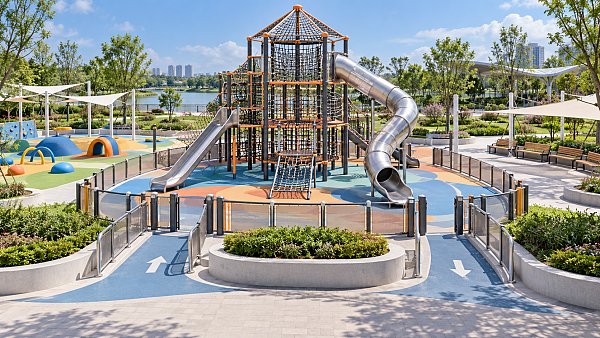
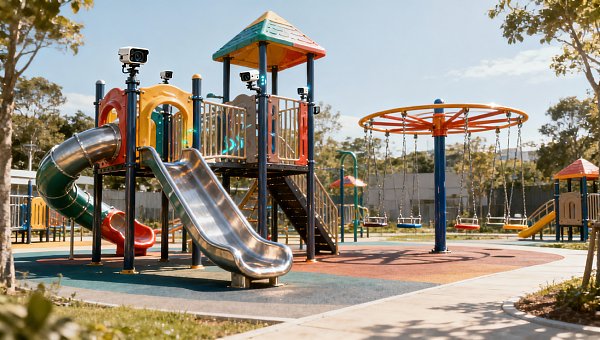
A leisure park usually centers on flexible recreation. It may include family rides, playgrounds, water features, sports zones, food outlets, gardens, and event spaces. The experience is broad rather than tightly scripted.
A theme park is built around a stronger narrative concept. Attractions, architecture, retail, queue design, entertainment programming, and guest circulation are normally tied to a defined intellectual property, cultural story, or fantasy world.
In practical terms, a leisure park often prioritizes accessibility, repeat local use, and modular expansion. A theme park usually depends more heavily on immersive design, signature rides, and destination appeal.
This distinction affects almost every procurement category, from ride systems and landscaping to F&B equipment, lighting, sound, safety barriers, and maintenance contracts.
Why the leisure park model is gaining attention
The leisure park format has become more attractive in markets where land costs are high, visitor behavior is seasonal, or developers want shorter payback cycles. It can also integrate more easily with hotels, retail, waterfronts, and urban regeneration plans.
From GCT’s commercial sourcing perspective, this matters because buyers are no longer comparing rides alone. They are comparing complete experience ecosystems, including catering equipment, outdoor furnishings, ticketing, AV systems, and specialty retail fit-out.
A leisure park can be assembled in phases. That lowers early exposure and gives operators more room to test attendance patterns before expanding into higher-cost attractions.
Theme parks can still deliver stronger brand pull. But that advantage usually comes with more complex design coordination, stricter show-quality expectations, and greater dependence on premium guest spending.
Attractions define the operating burden
Attraction mix is where the difference becomes visible very quickly. A leisure park often uses a combination of low- to mid-intensity assets that support broad age access and easier daily throughput.
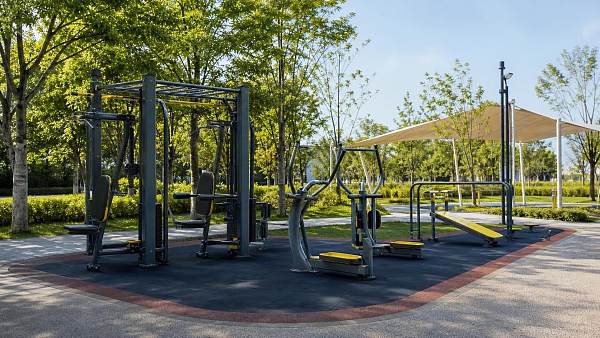
That can include splash pads, climbing structures, observation rides, pedal boats, mini trains, interactive play zones, trampoline areas, and open-air performance spaces.
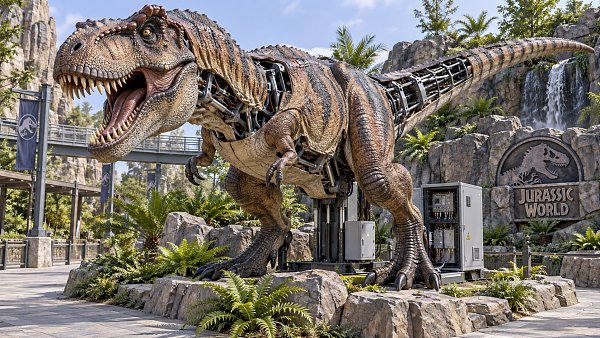
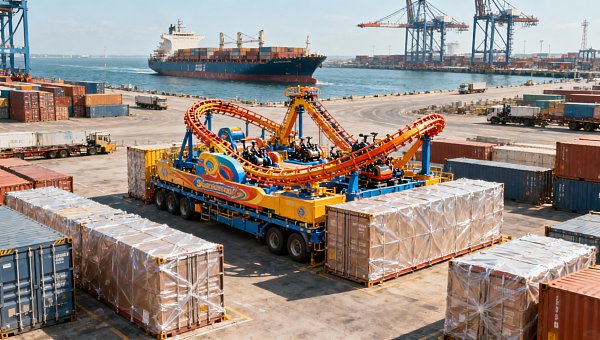
A theme park leans more heavily on high-spec attractions. Dark rides, launch coasters, simulators, animatronic shows, and media-based rides require tighter integration between engineering, storytelling, and technical operations.
The result is a very different maintenance profile. A leisure park may spread risk across many simpler assets. A theme park can concentrate guest demand around a smaller number of headline attractions.
Typical attraction priorities
Audience profile changes the sourcing brief
A leisure park generally serves a wider everyday audience. Families with younger children, school groups, nearby residents, hotel guests, and casual weekend visitors are often the primary traffic base.
Because of that, comfort infrastructure becomes more important. Shade systems, seating, washrooms, food kiosks, stroller access, durable flooring, and quick-service catering equipment can influence guest satisfaction as much as the rides.
A theme park often targets planned visits. Guests may travel farther, stay longer, and spend more per trip. They also expect stronger visual quality, longer attraction dwell time, and more retail and dining variety.
That means the procurement list usually expands beyond ride hardware. It includes themed interiors, synchronized audio systems, show lighting, branded merchandise fixtures, crowd-control equipment, and more detailed back-of-house support.
Investment scope is about more than headline CAPEX
When comparing a leisure park with a theme park, early budgets often focus too heavily on attraction purchase price. The larger issue is total project scope across design, infrastructure, operations, and lifecycle maintenance.
A leisure park can usually open with lower initial CAPEX per attraction category. Site works, landscaping, utility loads, and staffing models may also be less demanding, depending on the scale and climate conditions.
A theme park typically requires higher upfront spending in master planning, thematic architecture, queue environments, media systems, and specialized ride installation. Insurance, certification, spare parts planning, and training intensity can also rise.
The right choice therefore depends on investment rhythm. Some projects need a staged leisure park rollout. Others need a destination-led model where a stronger opening statement justifies deeper capital commitment.
Budget areas that deserve closer review
- Civil works and utility capacity, especially for water, power, drainage, and crowd movement.
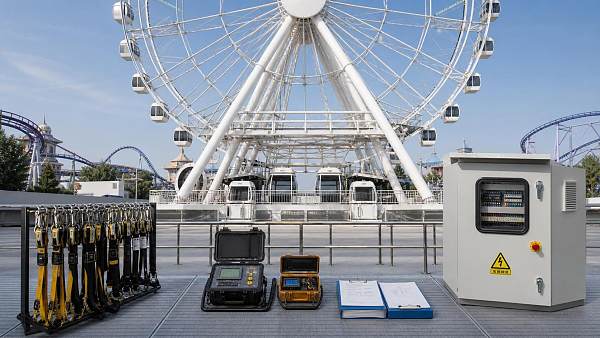
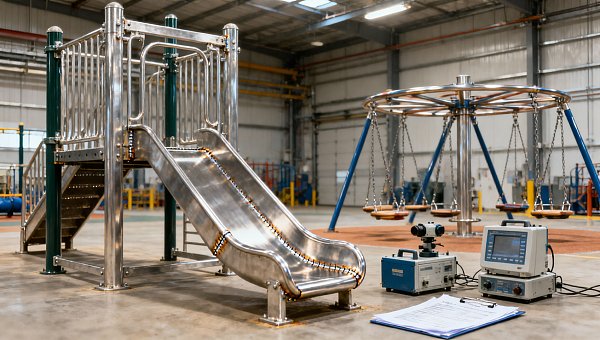
- Compliance costs linked to ride standards, fire safety, accessibility, and public liability.
- Maintenance inventory, including wear parts, control systems support, and local technician availability.
- Commercial support assets such as kitchens, POS systems, lockers, seating, and signage.
- Future expansion costs, especially if the leisure park is intended to evolve into a larger entertainment cluster.
Where each format works best
A leisure park often fits projects that need flexibility. This includes resort extensions, suburban family destinations, waterfront recreation zones, lifestyle centers, and municipal tourism assets.
It also works well where repeat visitation matters more than one-time spectacle. Seasonal events, food festivals, school partnerships, and community programming can keep the venue active without rebuilding the entire attraction mix.
A theme park is usually better suited to regions with tourism depth, stronger transport links, and a revenue model that can support destination marketing. It performs best when storytelling is central to the commercial promise.
Some hybrid projects sit between the two. A leisure park may introduce light theming, while a smaller theme park may rely on leisure-style open spaces to increase dwell time and reduce congestion.
Procurement signals that often predict project fit
During vendor evaluation, several signals reveal whether the concept is commercially coherent. They are often more useful than high-level design presentations.
- If the attraction list is broad but the operating plan is light, the leisure park may be over-programmed for available staff.
- If the project depends on signature rides but lacks strong theming integration, the theme park concept may underperform on guest perception.
- If food, shade, circulation, and washroom capacity are secondary, both models risk poor dwell time and weak repeat visits.
- If suppliers cannot document compliance history and after-sales response, investment risk rises regardless of concept.
- If expansion zones are undefined, a leisure park may lose its main strategic advantage: phased, adaptable growth.
This is where a sourcing-led view becomes valuable. GCT’s cross-sector perspective is useful because park performance rarely depends on rides alone. Hospitality equipment, education-group usability, specialty retail planning, and audiovisual execution all shape commercial results.
A practical way to decide
The most effective comparison starts with visitor intent. Is the site meant for frequent local recreation, tourism-led destination spending, or a mixed-use ecosystem with several revenue streams?
Then test the concept against three realities: attendance volatility, operational skill, and replacement cycles. A leisure park usually tolerates phased procurement and incremental improvement more comfortably.
A theme park can generate stronger brand distinction, but only when the attraction package, supporting infrastructure, and guest experience standards are aligned from the start.
For the next step, build a comparison matrix around land use, attraction intensity, maintenance capability, non-ticket revenue, and compliance exposure. That framework usually makes the better-fit model visible before major sourcing commitments begin.
Search News
Hot Articles
- Outdoor RidesHow to Select Leisure Park Equipment for Safe, High-Throughput Visitor AreasOct 03, 2026
- Fashion & Gem JewelryDiamond Tester Wholesale: How to Vet Accuracy, Calibration, and MOQ Before OrderingOct 02, 2026
- Hotel Room AmenitiesHow Hotels Can Choose Amenity Bottles That Balance Brand Image and Refill CostsOct 01, 2026
Popular Tags
Need ExpertConsultation?
Connect with our specialized leisureengineering team for procurementstrategies.
Recommended News
 Oct 03, 2026How to Select Leisure Park Equipment for Safe, High-Throughput Visitor AreasLeisure park equipment selection guide for safe, high-throughput venues—explore capacity, supervision, durability, accessibility, and supplier criteria.● Theme Park Strategist
 Sep 18, 2026What Drives Animatronic Dinosaur Manufacturer Prices for Theme Park Projects?Animatronic dinosaurs manufacturer price guide: compare motion, materials, controls, installation, and lifecycle costs to plan a durable theme park attraction.● Theme Park Strategist
 Sep 06, 2026Do Amusement Ride Safety Compliance Requirements Change Every Year?Do amusement safety compliance requirements change annually? Learn what really changes, from standards and inspections to permits, upgrades, and local approvals.● Theme Park Strategist
 Sep 02, 2026How Long Does It Take to Receive Full Safety Documents From an OEM?How long does it take to get full safety documentation from OEM partners? Discover realistic timelines, common delays, and practical steps to secure compliant files faster.● Theme Park Strategist
 Sep 03, 2026Designing Adventure Park Safety Systems for Zip Lines, Ropes Courses, and Daily InspectionsAdventure park safety systems: learn how to design safer zip lines and ropes courses with daily inspections, defect controls, rescue readiness, and staff training.● Theme Park Strategist
 Aug 22, 2026What to Look for When Choosing Three Seat Jet Skis for Rental or Resort UseThree seat jet skis for rental or resort use should balance stability, safety, maintenance, and guest comfort. Learn how to choose models that boost uptime and guest satisfaction.● Theme Park Strategist
 Aug 17, 2026What Parts Matter Most in a Roller Coaster and How Do They Affect Ride Safety?Roller coaster parts determine ride safety more than most riders realize. Explore how tracks, restraints, brakes, wheels, and control systems work together to protect every ride.● Theme Park Strategist
 Aug 15, 20262026 China Sports Expo Sees 45.74% More Overseas Pre-registered Buyers as POB Expands Procurement Matching2026 China Sports Expo boosts overseas pre-registered buyers by 45.74% as POB expands procurement matching for fitness, outdoor, and venue suppliers.● Theme Park Strategist
 Aug 14, 2026What Should Buyers Check Before Choosing a Flying Chair Ride Exporter?Flying chair ride exporter buyers should check safety, structure, export support, and spare parts before purchase to reduce risk and choose a reliable supplier.● Theme Park Strategist
 Aug 04, 2026EU Issues EN 1176-1:2026 for Playground SafetyEU Issues EN 1176-1:2026 for Playground Safety: learn how the new standard impacts Outdoor Rides, CE certification, inventory checks, and EU compliance before March 2027.● Theme Park Strategist
 Aug 03, 2026CPSC Adopts ASTM F1487-26 for Imported Outdoor RidesOutdoor Rides face a major U.S. compliance shift as CPSC adopts ASTM F1487-26. Learn the new certification, testing, and customs risks before November 1, 2026.● Theme Park Strategist
 Jul 26, 2026Revised EN 1176:2026 Triggers Re-Certification for Outdoor RidesOutdoor Rides face immediate EN 1176:2026 re-certification for new CE applications. Learn how testing, documentation, and EU market access rules now affect exports and delivery plans.● Theme Park Strategist
 Jul 21, 2026CPSC Recall Flags Structural Risk in Outdoor RidesCPSC recall flags structural risk in outdoor rides: learn how ASTM F1487-23 failures affect importers, distributors, and compliance teams across the U.S., Canada, and Australia.● Theme Park Strategist
 Jul 19, 2026How to Choose Outdoor Fitness Equipment for Parks Based on Users, Space, and BudgetOutdoor fitness equipment for parks: learn how to choose the right mix based on users, space, and budget to improve safety, usage, and long-term value.● Theme Park Strategist
 Jul 15, 2026Ocean Freight Spike Pressures Outdoor Rides ExportsOcean Freight Spike Pressures Outdoor Rides Exports as Shanghai-Rotterdam rates surge 42%. See how rising freight costs, delays, and rerouting risks could reshape Europe-bound delivery plans.● Theme Park Strategist
 Jul 14, 2026EN 1176 Revision Takes Effect for Outdoor Ride Weld TestingEN 1176 revision takes effect for outdoor ride weld testing from Sept 1, 2026. Learn ISO 5817 level B, third-party NDT report rules, and key EU compliance steps.● Theme Park Strategist
 Jul 12, 2026Vietnam Requires AI Anti-Collision Systems for Imported Outdoor RidesVietnam Requires AI Anti-Collision Systems for Imported Outdoor Rides from Sept. 15, 2026. Learn compliance rules, VAST certification needs, and how importers can avoid delays.● Theme Park Strategist
 Jul 11, 2026Vietnam Tightens Rules for Imported Outdoor RidesVietnam Tightens Rules for Imported Outdoor Rides: learn how Vietnam’s 2026 compliance update adds AI anti-collision, Vietnamese logs, and local maintenance duties for importers and manufacturers.● Theme Park Strategist
 Jul 09, 2026How to Evaluate a Lazy River Equipment Supplier for Safety, Flow Design, and MaintenanceLazy river equipment supplier selection affects safety, flow design, and maintenance costs. Learn what to compare, what to ask, and how to choose a reliable partner.● Theme Park Strategist
 Jul 08, 2026RCEP Update Cuts ASEAN Tariffs to Zero for Outdoor RidesRCEP update cuts ASEAN tariffs to zero for outdoor rides from China. Learn how FSC-CoC, PEFC traceability, and e-CO compliance affect exports, sourcing, and buyer decisions.● Theme Park Strategist
 Jul 07, 2026RCEP Guide Adds Dual Wood Traceability for Outdoor RidesOutdoor Rides exporters face a new RCEP traceability rule: dual FSC-CoC and PEFC-STS 2023 codes for wood components. See what changes before Oct. 1, 2026.● Theme Park Strategist
 Jul 06, 2026Vietnam Tightens RCEP Rules for Wooden Ride PartsVietnam Tightens RCEP Rules for Wooden Ride Parts: learn how FSC Chain-of-Custody and QR code requirements now affect outdoor rides, RCEP imports, and shipment compliance.● Theme Park Strategist
 Jul 06, 2026How to Evaluate a Bumper Cars on Ice Manufacturer for Safety, Capacity, and ROIBumper cars on ice manufacturer selection starts with safety, capacity, and ROI. Learn how to compare suppliers, reduce risk, and choose a partner built for long-term commercial success.● Theme Park Strategist
 Jul 04, 2026Electric Drift Bumper Cars vs Traditional Bumper Cars: Which Fits Your Venue Better?Electric drift bumper cars or traditional bumper cars? Compare installation, safety, maintenance, guest appeal, and ROI to choose the best fit for your venue.● Theme Park Strategist