China Theme Parks See Autumn Holiday Surge, With One Reporting 55% Revenue Growth
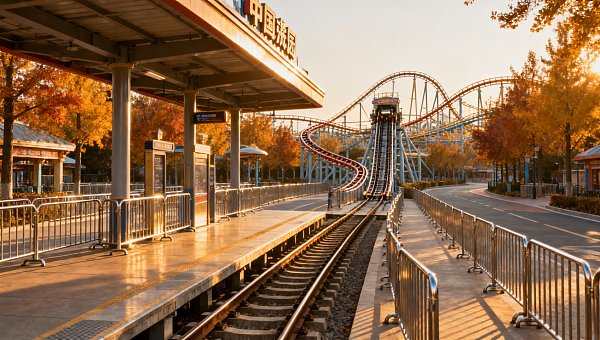
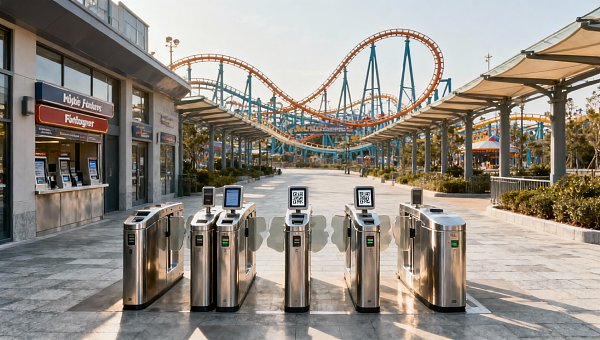
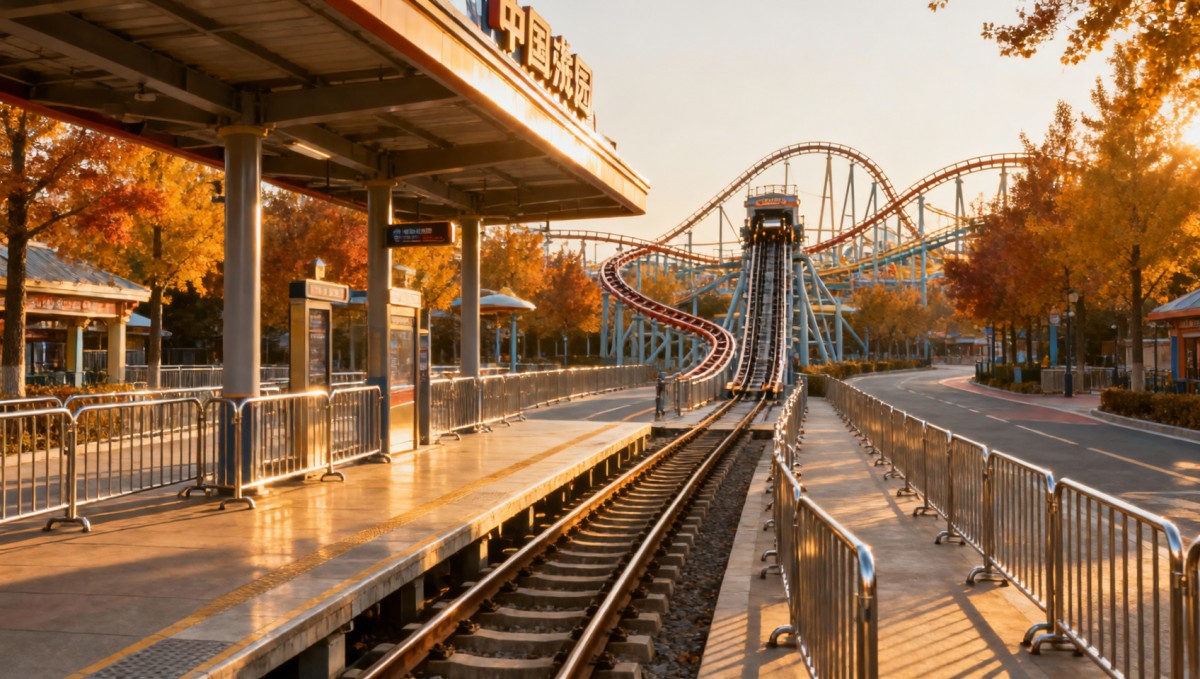
Theme parks in China saw strong demand during the autumn holiday in mid-to-late November 2026, a period traditionally considered part of the off-season. According to the National Business Daily, tickets for Universal Beijing Resort sold out on November 16, while Shanghai Legoland Resort broke its single-day attendance record on two consecutive days. Shanghai Happy Valley reported that ticket sales rose 65% year over year and revenue increased 55% during the holiday.
Queues for some popular attractions reached 150 minutes on weekdays, and visitor traffic at some parks was comparable to that seen during a Golden Week holiday. Together, the figures point to a concentrated period of demand that challenged the usual distinction between peak and off-peak operations. They do not, however, establish that demand across the entire sector rose at the same rate or that the increase will last beyond the holiday.
Different measures show a concentrated surge
The reported results capture several aspects of the holiday rush. A sold-out date at Universal Beijing Resort indicates that available tickets for November 16 were fully taken up. Consecutive attendance records at Shanghai Legoland Resort indicate unusually high daily visitor volumes for that park. At Shanghai Happy Valley, the reported year-over-year increases describe changes in ticket sales and revenue over the holiday period.
These measures are related, but they are not interchangeable. A sold-out date does not reveal how many people visited, and a record attendance figure does not by itself show how much revenue was generated. Likewise, Shanghai Happy Valley's 55% revenue increase applies to that park and period; it should not be read as the average result for other operators.
The difference between Shanghai Happy Valley's reported growth in ticket sales and revenue also deserves a cautious reading. Revenue rose more slowly than ticket sales, but the two percentages alone do not establish why. Pricing, the composition of sales and the way revenue is measured could all matter to an explanation. The reported figures do not identify the contribution of any of those factors.
Long queues put capacity in focus
For visitors, the most immediate effect of concentrated demand may be the time spent waiting for attractions. A 150-minute weekday queue at some popular rides shows that holiday demand can place pressure on individual experiences even outside a conventional weekend or major holiday peak. It does not mean every attraction faced the same wait, or that queues remained at that level throughout the day.
For park operators, the distinction between overall admission and demand for particular attractions matters. A park may be able to admit visitors while popular rides still face long queues. The holiday results therefore raise a practical question about how to manage the flow of guests once they are inside, alongside decisions about ticket availability.
Staffing, ride capacity and the distribution of visitors across a park are relevant operational considerations when demand concentrates in this way. Their effect depends on each park's circumstances. The reported queues show pressure at some attractions, but they do not establish which operational measures were used or how effectively any park managed the broader visitor flow.
What the holiday results can and cannot show
The autumn holiday provided an occasion for strong attendance outside the traditional peak season. That is meaningful for operators assessing when demand may arrive: a period normally treated as quieter can still contain days that require peak-level attention. The sold-out tickets, attendance records and long queues all point to the importance of looking at individual dates and attractions, rather than relying only on a seasonal label.
At the same time, the results describe a holiday period. They do not show whether comparable demand continued on ordinary days before or after it. Nor do they establish that every theme park benefited equally. Differences in the measures reported for each park make a direct ranking of their overall performance inappropriate.
Further reporting on attendance, ticket sales and revenue across a longer period would help clarify whether the holiday represented a brief concentration of visits or part of a more sustained change. For the parks cited, the relationship between visitor volume, revenue and waiting times will be especially relevant to understanding how strongly attendance translates into business performance and visitor experience.
Search News
Hot Articles
Popular Tags
Need ExpertConsultation?
Connect with our specialized leisureengineering team for procurementstrategies.
Recommended News
 Nov 22, 2026China Theme Parks See Autumn Holiday Surge, With One Reporting 55% Revenue GrowthChina theme parks saw an autumn holiday surge, with Shanghai Happy Valley reporting 55% revenue growth. Explore the records, queues and what they mean.● Theme Park Strategist
 Nov 21, 2026IAAPA Expo 2026 Closes With Record 39,550 AttendeesIAAPA Expo 2026 drew a record 39,550 attendees in Orlando. Explore the buyer figures, attractions innovations and what they mean for the industry.● Theme Park Strategist
 Nov 19, 2026IAAPA Expo 2026 Opens in Orlando With Record 630,000 Square FeetIAAPA Expo 2026 brings a reported record 630,000 square feet of attractions to Orlando. Explore key buying considerations for suppliers and operators.● Theme Park Strategist
 Nov 18, 2026IAAPA Expo 2026 Opens in Orlando as Largest Attractions Industry ExpoIAAPA Expo 2026 in Orlando showcases rides, arcade equipment and VR technology. Discover what buyers and suppliers should know before making a deal.● Theme Park Strategist
 Nov 15, 2026Six Flags Reviews Parks for Possible Sale as Buyer Pool Remains LimitedSix Flags reviews parks and real estate for possible sale amid debt pressure. Discover why a limited buyer pool could affect any potential deals.● Theme Park Strategist
 Nov 08, 2026Six Flags to Close California's Great America After 2027 SeasonCalifornia's Great America will close after the 2027 season. Discover the final operating date, why Six Flags is closing the park, and how to plan your visit.● Theme Park Strategist
 Nov 07, 2026Choosing High Speed Electric Go Karts: Speed, Battery Life and SafetyCompare high speed electric go karts by speed, battery life and safety. Discover how to choose a reliable kart that fits your track and keeps sessions running smoothly.● Theme Park Strategist
 Nov 01, 2026Buying Fiberglass Water Slides from China: How to Evaluate SuppliersBuying fiberglass water slides from China? Learn how to assess suppliers, compare total costs, verify compliance, and plan installation with confidence.● Theme Park Strategist
 Oct 29, 2026TEA: Water Parks and Museums Outpace Theme Parks in 2025 Attendance GrowthTEA’s 2025 Global Experience Index shows water parks and museums outpacing theme parks in attendance growth. Explore the key figures and implications for attraction operators.● Theme Park Strategist
 Oct 28, 2026Choosing an Electric Trackless Train Supplier: Safety, Warranty, and Spare PartsChoosing an electric trackless train supplier? Compare safety evidence, warranty terms, and spare parts support to reduce downtime and buy with confidence. Explore what to check before ordering.● Theme Park Strategist
 Oct 26, 2026Aurora Park Phase One Opens at Former SeaWorld Site in OhioAurora Park at Ohio’s former SeaWorld site is scheduled to open phase one on October 25, 2026. Discover its restored dock, pavilion and new public recreation spaces.● Theme Park Strategist
 Oct 25, 2026Six Flags to Add Seat Belts to Goliath and Eight Other Coasters to Improve SafetySix Flags reportedly plans to add seat belts to Goliath and eight other coasters. Explore the planned safety upgrades, ride closures and potential retrofit implications.● Theme Park Strategist
 Oct 23, 2026Comcast Q3 Earnings: Universal Theme Park Revenue Falls 4.4% to $2.6 BillionComcast Q3 earnings: Universal theme park revenue reportedly fell 4.4% to $2.6 billion. Explore what ticket discounts and pricing pressure could mean for operators, ticket sellers and suppliers.● Theme Park Strategist
 Oct 21, 2026IAAPA Launches Insurance Solution for North American Attractions IndustryExplore IAAPA Insurance Solution, a dedicated insurance and risk management offering for North American attractions operators, and discover what it could mean for your business.● Theme Park Strategist
 Oct 20, 2026Energylandia Announces Rokan, Set to Be Europe’s Tallest and Longest B&M Wing CoasterDiscover Energylandia’s Rokan, set to become Europe’s tallest and longest B&M wing coaster. Explore the 62-metre thrill ride planned for spring 2027 in the new Volana themed area.● Theme Park Strategist
 Oct 23, 2026Can Amusement Ride Suppliers Meet Safety Rules Without On-Site Audits?Can a supplier pass amusement safety compliance without on-site audit? Explore accepted evidence, remote checks, and required inspections to make safer sourcing decisions.● Theme Park Strategist
 Oct 03, 2026How to Select Leisure Park Equipment for Safe, High-Throughput Visitor AreasLeisure park equipment selection guide for safe, high-throughput venues—explore capacity, supervision, durability, accessibility, and supplier criteria.● Theme Park Strategist
 Sep 18, 2026What Drives Animatronic Dinosaur Manufacturer Prices for Theme Park Projects?Animatronic dinosaurs manufacturer price guide: compare motion, materials, controls, installation, and lifecycle costs to plan a durable theme park attraction.● Theme Park Strategist
 Sep 06, 2026Do Amusement Ride Safety Compliance Requirements Change Every Year?Do amusement safety compliance requirements change annually? Learn what really changes, from standards and inspections to permits, upgrades, and local approvals.● Theme Park Strategist
 Sep 02, 2026How Long Does It Take to Receive Full Safety Documents From an OEM?How long does it take to get full safety documentation from OEM partners? Discover realistic timelines, common delays, and practical steps to secure compliant files faster.● Theme Park Strategist
 Sep 03, 2026Designing Adventure Park Safety Systems for Zip Lines, Ropes Courses, and Daily InspectionsAdventure park safety systems: learn how to design safer zip lines and ropes courses with daily inspections, defect controls, rescue readiness, and staff training.● Theme Park Strategist
 Aug 22, 2026What to Look for When Choosing Three Seat Jet Skis for Rental or Resort UseThree seat jet skis for rental or resort use should balance stability, safety, maintenance, and guest comfort. Learn how to choose models that boost uptime and guest satisfaction.● Theme Park Strategist
 Aug 17, 2026What Parts Matter Most in a Roller Coaster and How Do They Affect Ride Safety?Roller coaster parts determine ride safety more than most riders realize. Explore how tracks, restraints, brakes, wheels, and control systems work together to protect every ride.● Theme Park Strategist
 Aug 15, 20262026 China Sports Expo Sees 45.74% More Overseas Pre-registered Buyers as POB Expands Procurement Matching2026 China Sports Expo boosts overseas pre-registered buyers by 45.74% as POB expands procurement matching for fitness, outdoor, and venue suppliers.● Theme Park Strategist