Choosing an Electric Trackless Train Supplier: Safety, Warranty, and Spare Parts
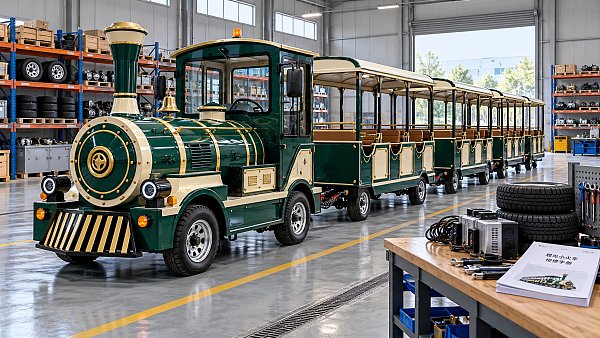
A credible electric trackless train supplier should be able to connect three things: documented suitability for your operating route, warranty terms that explain who pays when something fails, and a practical system for supplying replacement parts. Passenger capacity and purchase price become useful comparisons only after those conditions are established. An attractive quotation can lose its advantage if the train cannot obtain operating approval, complete the intended daily schedule, or return to service promptly after a fault.
For procurement teams buying for malls, resorts, or leisure parks, the strongest shortlist starts with evidence tied to the offered configuration. That means the locomotive, carriages, battery, charger, controls, and braking arrangement you will receive. A supplier’s general brochure or certificate for another model leaves too much unresolved. Before negotiating the final price, establish what the train must do, how its suitability will be demonstrated, and which support obligations will become part of the contract.
Give suppliers an operating brief they can price against. Without one, competing quotations may describe substantially different levels of equipment and support. Specify the proposed route, gradients, surface conditions, tightest turns, pedestrian crossings, boarding locations, operating hours, and available charging facilities. Include expected passenger loading and any requirements concerning children, accompanying adults, or accessibility.
A sheltered shopping mall route raises different questions from an outdoor resort route with slopes, rain exposure, and uneven paving. Even within one venue, a service corridor or ramp may determine whether a particular train is suitable. Ask each supplier to state its operating limits and identify any part of your proposed use that falls outside them. A written exception is easier to evaluate before ordering than after delivery.
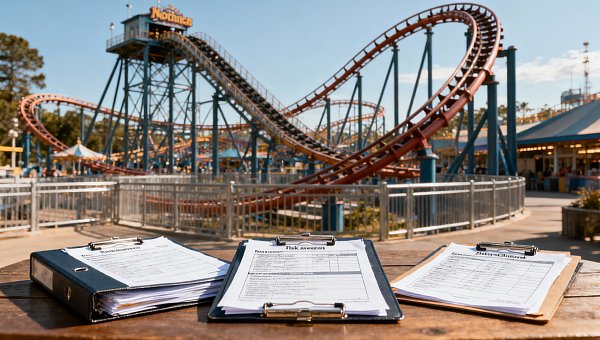
Safety claims need a traceable connection to the train being purchased. Start by establishing how the equipment will be classified and approved at its destination. Requirements can depend on the jurisdiction, installation, route, and operating model. Venue permission, equipment conformity, inspection obligations, and insurance acceptance may involve different parties. Resolve those responsibilities with the relevant authority, competent inspector, or insurer before treating a supplier’s compliance claim as sufficient.
Where a supplier provides certificates, declarations, or test reports, examine what they actually cover. Check the model identification, issuing organization, scope, referenced requirements, and relationship to the quoted configuration. A report concerning an electrical component does not establish the safety of the complete passenger train. Likewise, documentation for a different carriage arrangement may leave questions about loading, braking, or turning behavior.
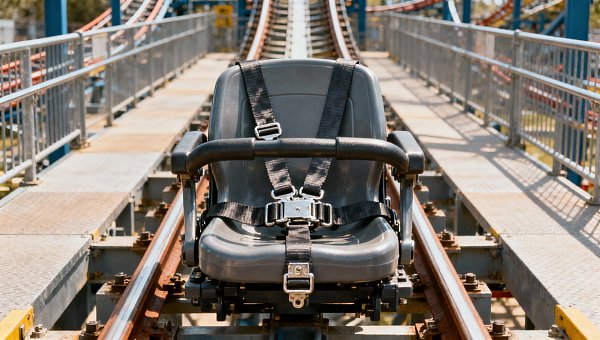
Braking deserves particular attention because a train combines a powered vehicle with trailing carriages carrying passengers. Ask the supplier to explain the service brake, parking brake, emergency controls, and behavior following a loss of power. Request the conditions under which braking performance was assessed, including load, surface, and gradient. A demonstration on a level floor with empty carriages offers limited evidence for a fully loaded route containing slopes.
The supplier should also explain how the complete train behaves through turns and stops. Carriage tracking, coupling security, passenger containment, boarding arrangements, and driver visibility all affect route suitability. Ask what inspections are required before service and what faults require immediate withdrawal. These instructions should be clear enough for the venue’s operating team to apply without relying on informal advice from a salesperson.
Battery and charging documentation should identify the battery chemistry, protection system, approved charger, charging conditions, and storage requirements. Ask how faults are indicated and what action operators must take after damage, abnormal heat, water exposure, or an extended shutdown. The venue also needs to assess the proposed charging location and electrical supply against the manufacturer’s instructions and applicable local requirements.
Runtime claims require the same discipline. A quoted operating duration is difficult to use without assumptions about passenger load, gradients, stops, speed, temperature, and battery condition. Ask the supplier to explain whether its estimate supports your actual service schedule, including charging opportunities. A train that can complete the route may still be unsuitable if charging interrupts the busiest operating period.
Make acceptance criteria part of the purchase agreement. Agree how the supplied configuration will be checked before shipment and after arrival. Depending on the project, this can include document review, inspection, functional demonstrations, and assessment by a qualified independent party. Specify safe test conditions and who is responsible for arranging them. Procurement staff should not have to improvise passenger-load or braking tests at handover.
Acceptance should also cover the practical items needed to operate: manuals, maintenance schedules, training, keys or access credentials, diagnostic equipment, and the agreed spare parts package. Define how defects will be recorded, how corrective work will be approved, and which unresolved issues prevent acceptance. Link payment milestones to identifiable deliverables so that a photograph of a completed train does not become the only evidence supporting a major payment.
Read the warranty as a procedure for resolving a failure. The headline duration says little about the cost or speed of a repair. A useful warranty identifies the responsible legal entity, covered components, start date, claim process, exclusions, and available remedies. It also states whether coverage expires by elapsed time, operating hours, or another measure, and how the buyer must document maintenance.
Clarify whether coverage begins at dispatch, delivery, commissioning, or acceptance. For an overseas purchase, transport and site preparation can consume part of a warranty that starts too early. Ask what happens when commissioning is delayed by a supplier defect, missing documentation, or an incomplete shipment. These circumstances should have an agreed treatment before they occur.
Battery coverage merits separate reading. A warranty may address manufacturing defects while providing little protection against reduced usable capacity. Ask whether any capacity commitment exists, how it is measured, and which operating or storage conditions affect eligibility. Replacement batteries may also have different warranty terms from the original equipment. The commercial value of coverage depends on the remedy and its conditions.
The following questions reveal more than a statement that the train carries a “comprehensive warranty”:
- Who diagnoses a fault, and what information must the buyer provide?
- Are troubleshooting, labor, travel, freight, duties, and return shipping covered?
- Can an approved local technician perform repairs without invalidating coverage?
- Does the supplier repair the failed component, send a replacement, or require its return first?
- What response and dispatch commitments apply once a claim is accepted?
- How are unresolved claims escalated, and which contractual terms govern the remedy?
Pay particular attention to the distinction between technical response and restoration of service. A promise to answer an email promptly does not establish when a technician or replacement controller will arrive. For a venue dependent on daily operation, an advance replacement arrangement or locally held component may be more valuable than a longer warranty with an expensive return procedure.
Exclusions should be specific enough to administer. Consumable wear, misuse, unapproved modifications, and missed maintenance may receive different treatment, but broad language can make responsibility difficult to establish. If outdoor use is part of the agreed specification, the warranty should explain the relevant environmental limits. If the buyer must perform maintenance to preserve coverage, the supplier should provide the procedures, intervals, and required records before handover.
Spare parts support should be visible before the order is placed. Ask for an illustrated parts catalog or an equivalent identification system showing part numbers, revisions, and compatibility with the purchased train. A photograph sent through a messaging app may help diagnose an isolated problem, but it is a weak foundation for managing equipment over several years. Your maintenance team needs to identify and order the correct component even when the original salesperson is unavailable.
Separate parts into those consumed through normal maintenance, those that can immobilize the train, and those with long replenishment times. Tires, brake components, connectors, chargers, controllers, displays, and coupling components may warrant different stocking decisions depending on the design. Have the supplier explain which items it recommends holding locally and why. Avoid accepting a generic spare parts bundle without checking its contents against the maintenance schedule and likely service interruptions.
For critical components, establish whether “available” means physically stocked, obtainable from another manufacturer, or produced after an order is received. Request indicative pricing, dispatch lead times, shipping options, and any restrictions affecting battery transport. Delivery time should include the practical route to your site, with responsibility for customs documentation and import costs clearly assigned.
Proprietary electronics deserve closer examination. A replacement controller may require configuration software, passwords, firmware, or pairing with other components. Ask whether the buyer or an authorized local service provider can complete that work. A part that arrives quickly but cannot be commissioned without remote factory access can still leave the train idle.
Also ask what happens when a component is discontinued. A useful support commitment addresses the intended availability period, notification of obsolescence, compatible replacements, and responsibility for any necessary conversion. Long-term support promises are more credible when accompanied by identifiable parts, written commercial terms, and a clear service process.
Compare the cost of keeping the train available. Once suppliers meet the safety and support requirements, compare their offers over the same operating period and assumptions. Include purchase, freight, import charges, inspection, commissioning, training, charging installation, planned maintenance, consumables, battery replacement, and service access. Keep uncertain items visible rather than hiding them inside a single total.
Downtime deserves its own assessment. Consider a failed charger, an unavailable brake component, or a controller that requires replacement. Estimate the resulting interruption using each supplier’s documented process and delivery terms. Where revenue forecasts are uncertain, compare lost operating hours, additional staff effort, and contingency costs. This can expose a meaningful difference between two quotations without relying on speculative revenue figures.
Commercial terms should reflect the same comparison. Confirm exactly which carriages, accessories, safety equipment, documentation, and support services are included. Identify who carries responsibility at each stage of transport and handover. If a distributor is making the sale, establish which obligations it accepts directly and which depend on the manufacturer. A buyer should know whom it can hold accountable for both the delivered equipment and subsequent support.
The final supplier decision should follow a clear order: establish route suitability and the evidence needed for operation, agree acceptance conditions, then evaluate warranty remedies and parts support alongside price. A lower offer can remain competitive when those obligations are well defined. An unresolved safety document, inaccessible diagnostic system, or vague replacement-parts promise should remain an open procurement issue until there is a concrete contractual answer.
Search News
Hot Articles
Popular Tags
Need ExpertConsultation?
Connect with our specialized leisureengineering team for procurementstrategies.
Recommended News
 Oct 28, 2026Choosing an Electric Trackless Train Supplier: Safety, Warranty, and Spare PartsChoosing an electric trackless train supplier? Compare safety evidence, warranty terms, and spare parts support to reduce downtime and buy with confidence. Explore what to check before ordering.● Theme Park Strategist
 Oct 26, 2026Aurora Park Phase One Opens at Former SeaWorld Site in OhioAurora Park at Ohio’s former SeaWorld site is scheduled to open phase one on October 25, 2026. Discover its restored dock, pavilion and new public recreation spaces.● Theme Park Strategist
 Oct 25, 2026Six Flags to Add Seat Belts to Goliath and Eight Other Coasters to Improve SafetySix Flags reportedly plans to add seat belts to Goliath and eight other coasters. Explore the planned safety upgrades, ride closures and potential retrofit implications.● Theme Park Strategist
 Oct 23, 2026Comcast Q3 Earnings: Universal Theme Park Revenue Falls 4.4% to $2.6 BillionComcast Q3 earnings: Universal theme park revenue reportedly fell 4.4% to $2.6 billion. Explore what ticket discounts and pricing pressure could mean for operators, ticket sellers and suppliers.● Theme Park Strategist
 Oct 21, 2026IAAPA Launches Insurance Solution for North American Attractions IndustryExplore IAAPA Insurance Solution, a dedicated insurance and risk management offering for North American attractions operators, and discover what it could mean for your business.● Theme Park Strategist
 Oct 20, 2026Energylandia Announces Rokan, Set to Be Europe’s Tallest and Longest B&M Wing CoasterDiscover Energylandia’s Rokan, set to become Europe’s tallest and longest B&M wing coaster. Explore the 62-metre thrill ride planned for spring 2027 in the new Volana themed area.● Theme Park Strategist
 Oct 23, 2026Can Amusement Ride Suppliers Meet Safety Rules Without On-Site Audits?Can a supplier pass amusement safety compliance without on-site audit? Explore accepted evidence, remote checks, and required inspections to make safer sourcing decisions.● Theme Park Strategist
 Oct 03, 2026How to Select Leisure Park Equipment for Safe, High-Throughput Visitor AreasLeisure park equipment selection guide for safe, high-throughput venues—explore capacity, supervision, durability, accessibility, and supplier criteria.● Theme Park Strategist
 Sep 18, 2026What Drives Animatronic Dinosaur Manufacturer Prices for Theme Park Projects?Animatronic dinosaurs manufacturer price guide: compare motion, materials, controls, installation, and lifecycle costs to plan a durable theme park attraction.● Theme Park Strategist
 Sep 06, 2026Do Amusement Ride Safety Compliance Requirements Change Every Year?Do amusement safety compliance requirements change annually? Learn what really changes, from standards and inspections to permits, upgrades, and local approvals.● Theme Park Strategist
 Sep 02, 2026How Long Does It Take to Receive Full Safety Documents From an OEM?How long does it take to get full safety documentation from OEM partners? Discover realistic timelines, common delays, and practical steps to secure compliant files faster.● Theme Park Strategist
 Sep 03, 2026Designing Adventure Park Safety Systems for Zip Lines, Ropes Courses, and Daily InspectionsAdventure park safety systems: learn how to design safer zip lines and ropes courses with daily inspections, defect controls, rescue readiness, and staff training.● Theme Park Strategist
 Aug 22, 2026What to Look for When Choosing Three Seat Jet Skis for Rental or Resort UseThree seat jet skis for rental or resort use should balance stability, safety, maintenance, and guest comfort. Learn how to choose models that boost uptime and guest satisfaction.● Theme Park Strategist
 Aug 17, 2026What Parts Matter Most in a Roller Coaster and How Do They Affect Ride Safety?Roller coaster parts determine ride safety more than most riders realize. Explore how tracks, restraints, brakes, wheels, and control systems work together to protect every ride.● Theme Park Strategist
 Aug 15, 20262026 China Sports Expo Sees 45.74% More Overseas Pre-registered Buyers as POB Expands Procurement Matching2026 China Sports Expo boosts overseas pre-registered buyers by 45.74% as POB expands procurement matching for fitness, outdoor, and venue suppliers.● Theme Park Strategist
 Aug 14, 2026What Should Buyers Check Before Choosing a Flying Chair Ride Exporter?Flying chair ride exporter buyers should check safety, structure, export support, and spare parts before purchase to reduce risk and choose a reliable supplier.● Theme Park Strategist
 Aug 04, 2026EU Issues EN 1176-1:2026 for Playground SafetyEU Issues EN 1176-1:2026 for Playground Safety: learn how the new standard impacts Outdoor Rides, CE certification, inventory checks, and EU compliance before March 2027.● Theme Park Strategist
 Aug 03, 2026CPSC Adopts ASTM F1487-26 for Imported Outdoor RidesOutdoor Rides face a major U.S. compliance shift as CPSC adopts ASTM F1487-26. Learn the new certification, testing, and customs risks before November 1, 2026.● Theme Park Strategist
 Jul 26, 2026Revised EN 1176:2026 Triggers Re-Certification for Outdoor RidesOutdoor Rides face immediate EN 1176:2026 re-certification for new CE applications. Learn how testing, documentation, and EU market access rules now affect exports and delivery plans.● Theme Park Strategist
 Jul 21, 2026CPSC Recall Flags Structural Risk in Outdoor RidesCPSC recall flags structural risk in outdoor rides: learn how ASTM F1487-23 failures affect importers, distributors, and compliance teams across the U.S., Canada, and Australia.● Theme Park Strategist
 Jul 19, 2026How to Choose Outdoor Fitness Equipment for Parks Based on Users, Space, and BudgetOutdoor fitness equipment for parks: learn how to choose the right mix based on users, space, and budget to improve safety, usage, and long-term value.● Theme Park Strategist
 Jul 15, 2026Ocean Freight Spike Pressures Outdoor Rides ExportsOcean Freight Spike Pressures Outdoor Rides Exports as Shanghai-Rotterdam rates surge 42%. See how rising freight costs, delays, and rerouting risks could reshape Europe-bound delivery plans.● Theme Park Strategist
 Jul 14, 2026EN 1176 Revision Takes Effect for Outdoor Ride Weld TestingEN 1176 revision takes effect for outdoor ride weld testing from Sept 1, 2026. Learn ISO 5817 level B, third-party NDT report rules, and key EU compliance steps.● Theme Park Strategist
 Jul 12, 2026Vietnam Requires AI Anti-Collision Systems for Imported Outdoor RidesVietnam Requires AI Anti-Collision Systems for Imported Outdoor Rides from Sept. 15, 2026. Learn compliance rules, VAST certification needs, and how importers can avoid delays.● Theme Park Strategist