CICET 2026 Highlights Compliance Shift in Soft Play
On June 22, 2026, the close of the China Cross-Border E-Commerce Trade Fair (CICET) pointed to a clear change in how Southeast Asian buyers are screening Indoor Playground soft-packed equipment. The signal is not only about stronger demand, but about procurement being tied more closely to certification, material declarations, modular installation design, and faster ODM response. For exporters, manufacturers, certification service providers, and sourcing teams, this matters because buyer requirements are appearing less as optional preferences and more as practical entry conditions in cross-border transactions.
What the fair data confirmed
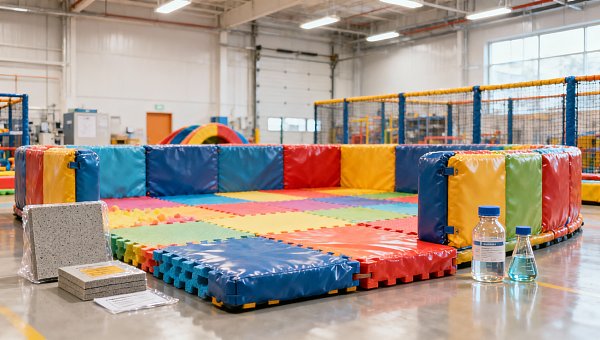
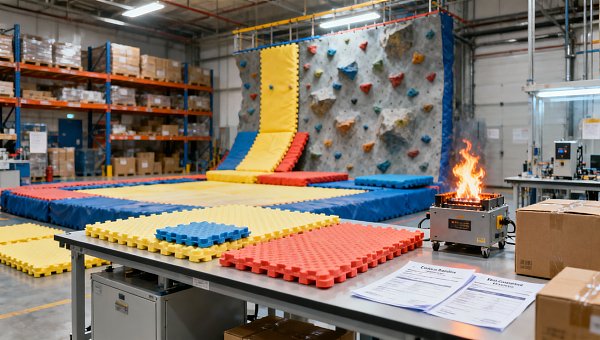
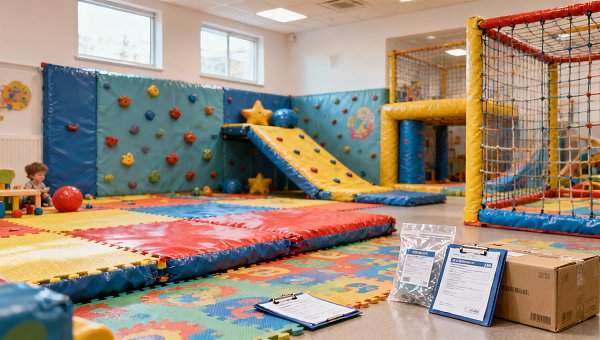
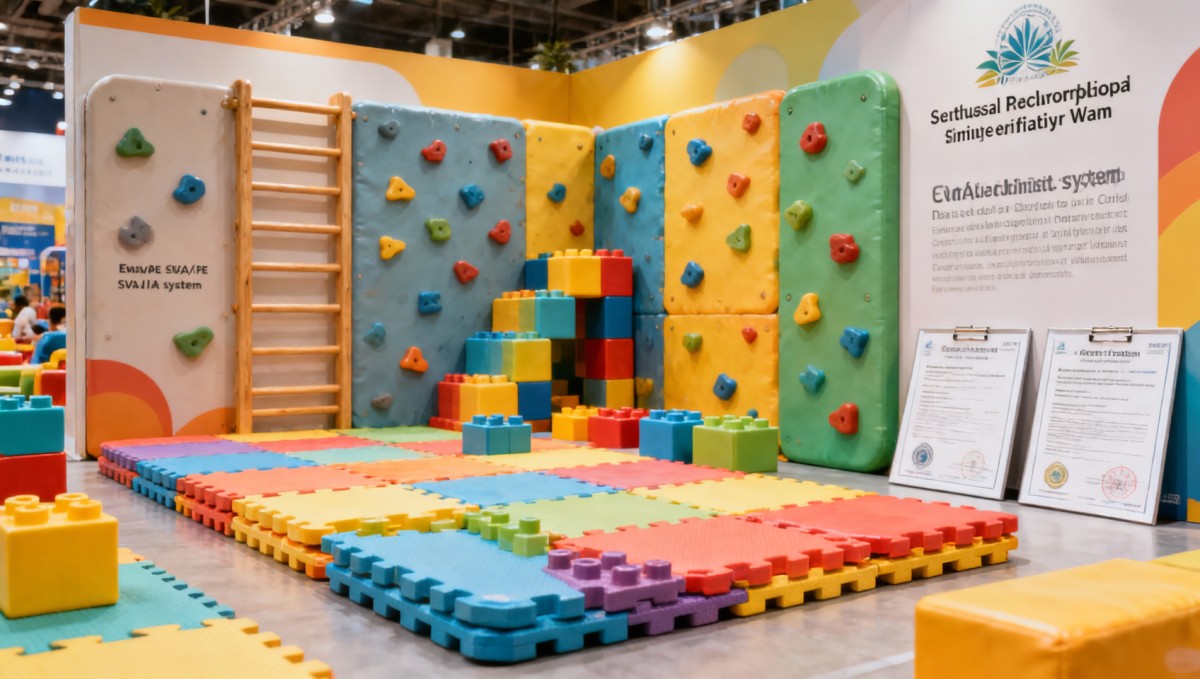
According to data presented during CICET, held from June 20 to 22, 2026, orders in the Indoor Playground category for EVA/PE soft-play products increased by 217% year on year. The products mentioned include impact-absorbing floor mats, modular climbing walls, and quiet soft block systems.
The same event summary shows that 73% of purchase intent came from importers in RCEP member markets including Indonesia, Vietnam, and Thailand. Buyers focused on EN1176 and EN1177 dual certification, declarations for formaldehyde-free adhesives, and detachable quick-install structural design. The expected ODM customization response cycle was also shortened to no more than 25 days.
Why buyer rules are now shaping the trade flow
Export-facing manufacturers are being pushed toward pre-qualified product files
From an industry perspective, manufacturers of EVA/PE soft-play systems may be affected first because the buyer focus described at the fair centers on proof-ready compliance. The likely pressure point is not only product design, but also whether technical files, certification records, adhesive declarations, and structure descriptions can be prepared early enough to support cross-border sales conversations.
What deserves closer attention is that EN1176 and EN1177 are being referenced together by buyers, which may raise the documentation threshold during quotation, sampling, and negotiation. Analysis shows that suppliers serving this category should pay closer attention to how product claims, test-related materials, and specification sheets are organized before offers move into procurement review.
ODM suppliers may face tighter coordination between engineering and delivery
Observably, the requirement to keep ODM response within 25 days can affect more than production scheduling. It may also change how suppliers manage design confirmation, bill-of-material review, modular structure feasibility, and internal approval of customization requests.
For factories and processing partners, the issue is not simply speed. The more practical concern is whether quick-turn customization can still align with the certification expectations and material declarations that buyers are emphasizing. This makes the handoff between sales, engineering, sourcing, and quality teams more sensitive than in standard catalog orders.
Certification and testing services may move earlier in the sales cycle
For certification-related companies and testing service providers, the fair data suggests that buyer review may begin earlier around dual-standard readiness and materials compliance statements. Analysis shows that service demand may shift toward earlier document checks, sample evaluation support, and pre-submission file preparation, especially where sellers want to reduce delays in buyer review.
This does not confirm any new formal rule release, but it does indicate that certification language is becoming more central in commercial screening for this category.
Operational points companies should watch now
Check whether compliance claims are commercially usable
Companies should closely review whether EN1176 and EN1177 references, adhesive declarations, and modular structure descriptions can be presented in a form that buyers can actually evaluate during sourcing. If supporting files are incomplete, inconsistent, or slow to retrieve, the commercial impact may appear before any later shipment stage.
Prepare documents around materials and assembly design
Because buyers are specifically watching formaldehyde-free adhesive statements and detachable quick-install design, exporters and suppliers should pay attention to product documentation tied to materials selection, assembly logic, and technical descriptions. Analysis shows that these items may increasingly influence tender discussions, sourcing comparisons, and customization approval.
Track response-time pressure in ODM workflows
The compression of the ODM response cycle to no more than 25 days is better understood as an execution signal than as a standalone market statistic. Companies should watch whether current development, quotation, sampling, and internal sign-off workflows can support that timing without creating gaps in compliance review or specification alignment.
Watch how RCEP-market demand translates into order execution
With most purchase intent coming from RCEP member importers such as those in Indonesia, Vietnam, and Thailand, businesses should pay closer attention to how buyer requirements in those markets are expressed in procurement documents, technical requests, and after-sales expectations. The current information does not establish a unified execution rule across those markets, so follow-up verification remains necessary.
How this signal should be interpreted
Analysis shows that this development is better read as a market-side compliance signal rather than as proof of a newly issued regulation. The fair data indicates that in the Indoor Playground soft-play segment, buyers are increasingly using certification combinations, material declarations, and installation design features as practical screening tools.
It is more appropriate to understand this as an early execution-oriented shift in procurement behavior. Whether that shift becomes a more formalized requirement across wider trade channels still needs observation through later tender language, buyer feedback, certification practice, and order fulfillment experience.
What the market takeaway is at this stage
The main significance of this event lies in the way demand growth is being linked to rule-sensitive purchasing conditions. For suppliers in soft-packed playground equipment, the message is less about headline order momentum and more about whether products can move through certification review, materials disclosure, modular design assessment, and accelerated ODM coordination without delay.
At present, the most balanced reading is that the market is sending a stronger implementation signal around compliance-backed procurement. That signal appears actionable for exporters and manufacturers now, but its longer-term standardization across transactions still deserves continued observation.
Basis of this article and what still needs verification
This article is based on the user-provided news title, event date, and event summary. For developments of this kind, commonly relevant source types may include official notices, releases from regulatory authorities, customs or trade administration information, industry association updates, standards organization documents, and reporting by established trade media.
A specific official source link was not provided in the input, so later verification is still necessary. What deserves continued attention includes any further policy detail, certification interpretation, wording changes in procurement or tender documents, market feedback from buyers, and how enterprises actually implement these requirements in export and delivery processes.
Search News
Hot Articles
- Commercial KitchenCommercial Kitchen Design Price: Budgeting by Layout, Equipment, and MEP ScopeSep 22, 2026
- Stationery & UniformsHow Schools Can Cut Printing Costs When Buying Ink Cartridges in BulkSep 21, 2026
- Jewelry Packaging & DisplayHow to Evaluate a Luxury Retail Packaging Supplier for Premium Brand ConsistencySep 20, 2026
Popular Tags
Need ExpertConsultation?
Connect with our specialized leisureengineering team for procurementstrategies.
Recommended News
 Aug 30, 2026Entertainment Venue Master Planning: How to Balance Capacity, Flow, and RevenueEntertainment venue development master planning: balance capacity, guest flow, and revenue with practical strategies for resilient, high-performing venues.● Theme Park Strategist
 Sep 07, 2026What Should Buyers Do When a Supplier Delivers Non-Compliant Products?What to do if a supplier delivers non-compliant commercial products: contain risks, document evidence, protect your project, and secure the right remedy.● Theme Park Strategist
 Sep 02, 2026Waterpark Capacity Management: Balancing Queue Times, Safety, and Guest ThroughputWaterpark capacity management strategies to reduce queue times, protect safety, optimize guest throughput, and build a smoother, more profitable park operation.● Theme Park Strategist
 Sep 01, 2026ASTM F2075 Explained: Testing Engineered Wood Fiber for Playground Impact SafetyASTM F2075 explained: learn how engineered wood fiber supports playground impact safety, smarter sourcing, compliance documentation, and reliable maintenance planning.● Theme Park Strategist
 Aug 24, 2026How to Evaluate an Indoor Ninja Warrior Course Supplier in Europe?indoor ninja warrior course Europe supplier guide: learn how to assess safety, EN compliance, engineering, installation, and maintenance support before you choose.● Theme Park Strategist
 Aug 20, 2026How to Choose Modular Indoor Play Equipment for Different Venue Sizes and Age GroupsModular indoor play equipment buying guide: learn how to match venue size, ceiling height, traffic flow, and age groups to create safer, smarter, and more profitable play spaces.● Theme Park Strategist
 Aug 14, 2026POB Push Lifts Overseas Pre-Registrations 45.74%POB boosts overseas pre-registrations for the 2026 China Sport Show by 45.74%, signaling stronger global buyer interest and smarter sourcing opportunities in sports manufacturing.● Theme Park Strategist
 Aug 02, 2026What to Check Before Buying Thick Gymnastic Mats Wholesale for Schools and GymsThick gymnastic mats wholesale buying guide for schools and gyms: learn how to check foam, cover durability, safety documents, samples, and true long-term value before placing a bulk order.● Theme Park Strategist
 Jul 28, 2026How to Design Inclusive Sensory Play Areas for Different Age Groups and NeedsInclusive sensory play starts with smart zoning, age planning, accessibility, and acoustics. Discover practical design tips to create safer, engaging spaces that truly work.● Theme Park Strategist
 Jul 26, 2026How to Evaluate a Bowling Alley Equipment Factory Before Requesting a QuoteBowling alley equipment factory evaluation starts before price. Learn how to check manufacturing scope, engineering, compliance, spare parts, and installation support to avoid costly sourcing mistakes.● Theme Park Strategist
 Jul 16, 2026EN 1176:2026 Takes Effect for Indoor PlaygroundsEN 1176:2026 takes effect for indoor playgrounds in the EU, making conformity assessment mandatory. Learn how this impacts certification, customs clearance, suppliers, and market access.● Theme Park Strategist
 Jul 15, 2026CPSC Sets New ASTM Impact Test for Indoor Playground Metal PartsCPSC sets new ASTM impact test rules for indoor playground metal parts effective Oct. 1, 2026. Learn how the 15kN requirement may affect compliance, testing timelines, and U.S. export delivery.● Theme Park Strategist
 Jul 14, 2026CPSC Tightens Phthalate Limit for Indoor Playground Soft MaterialsCPSC tightens phthalate limits for indoor playground soft materials from Aug 15, 2026. Learn how DIBP control, CBP detention risk, and testing changes impact sourcing, exports, and compliance.● Theme Park Strategist
 Jul 13, 2026Vietnam Tightens IoT Rule for Indoor Playground ImportsVietnam Tightens IoT Rule for Indoor Playground Imports: learn how VNSS-2025 gateway requirements affect exporters, buyers, installers, and delivery timelines before the 2026 deadline.● Theme Park Strategist
 Jul 13, 2026How a Recreational Facility Planning Company Helps Reduce Layout MistakesRecreational facility planning company insights: learn how early layout strategy reduces costly mistakes, improves flow, compliance, and buildability for smoother project delivery.● Theme Park Strategist
 Jul 12, 2026CPSC Halts Imports of Indoor Playground Soft PartsCPSC halts imports of indoor playground soft parts from China under ASTM F3432-26. Learn the compliance risks, testing requirements, and urgent steps importers must take now.● Theme Park Strategist
 Jul 11, 2026CPSC Import Alert Tightens Fire Test Rule for Indoor Playground PaddingCPSC import alert updates indoor playground padding rules to ASTM F3432-26. See how the new fire test affects foam mats, shipments, and U.S. market access.● Theme Park Strategist
 Jul 11, 2026Ice Bumper Cars Bulk Order Checklist for Indoor Parks: Space, Power, and Safety PointsIce bumper cars bulk order guide for indoor parks: learn how to assess space, power, safety, and throughput before buying, so you can avoid costly mistakes and choose the right fleet with confidence.● Theme Park Strategist
 Jul 10, 2026Commercial Playground Equipment for Campuses: Key Safety Standards and Planning TipsCommercial playground equipment for campuses: explore key safety standards, inclusive layout planning, durable materials, and smart procurement tips to avoid costly mistakes.● Theme Park Strategist
 Jul 09, 2026CPSC Recall Escalates Over Phthalates in Indoor Playground PadsCPSC recall escalates over phthalates in indoor playground pads as affected batches exceed CPSIA limits. Learn the risks, supply chain impact, and what buyers should monitor now.● Theme Park Strategist
 Jul 07, 2026How to Choose Ice Skating Rink Equipment in Europe: Key Systems, Standards, and Budget Factorsice skating rink equipment Europe guide: compare refrigeration, rink floors, boards, EU compliance, and total budget factors to choose a safer, more efficient commercial rink solution.● Theme Park Strategist
 Jul 06, 2026CPSC Flags New Flame Test for Indoor Playground PaddingCPSC flags a new flame test for indoor playground padding under ASTM F1487-23b. Learn how this urgent compliance alert affects materials, testing, imports, and U.S. market access.● Theme Park Strategist
 Jul 05, 2026Vietnam Sets VCA Registration Deadline for Indoor Playground ImportsVietnam Sets VCA Registration Deadline for Indoor Playground Imports: learn the August 15, 2026 VCA registration rule, batch EN 14960 test report requirements, and how to avoid import license delays in Vietnam.● Theme Park Strategist
 Jul 04, 2026EU Rule Tightens Fire Tests for Indoor Playground PaddingIndoor Playground suppliers and buyers must act now as the EU enforces stricter fire and smoke tests under EN 14960:2026+A1:2026. Learn the compliance risks, customs impact, and sourcing priorities.● Theme Park Strategist