Indoor Playground Manufacturer Checklist: Materials, Safety Standards, and Custom Design
Indoor Playground Manufacturer Checklist: Materials, Safety Standards, and Custom Design
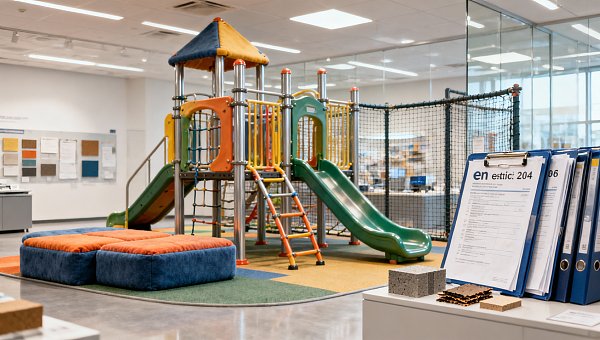
Choosing the right indoor playground manufacturer can decide whether a project stays on budget, passes inspection, and performs well for years.
That is why supplier selection should start with a practical checklist, not just a catalog review or a price comparison.
In real projects, delays often come from hidden gaps.
The common ones are weak materials, incomplete certifications, vague customization promises, and underdeveloped installation support.
A qualified indoor playground manufacturer should help reduce those risks early, before drawings are frozen and production starts.
This checklist focuses on the issues that affect procurement cost, compliance, and long-term operating value.
It is built for commercial buyers evaluating indoor play equipment for family entertainment centers, malls, hotels, schools, and mixed-use venues.
Start with Project Fit, Not Product Photos
Many sourcing mistakes happen when teams choose an indoor playground manufacturer based on appearance alone.
A strong visual concept matters, but project fit matters more.
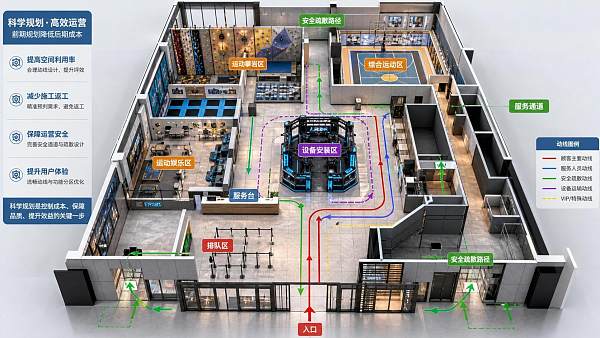
Before requesting quotations, define your operating model in clear terms.
- Target age groups and daily capacity
- Ceiling height, columns, and fire exits
- Expected traffic peaks and supervision zones
- Local code requirements and inspection process
- Revenue model, from ticketing to party packages
A capable indoor playground manufacturer will ask these questions early.
If a supplier jumps straight to discount pricing, that is usually a warning sign.
Material Quality Checklist for Indoor Play Equipment
Material selection directly affects safety, maintenance cost, and brand perception.
This is one of the first areas to verify with any indoor playground manufacturer.
Steel Structure and Frame Stability
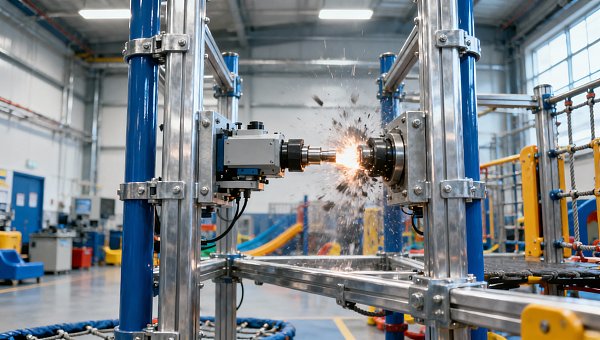
Ask about steel grade, pipe thickness, weld quality, and anti-corrosion treatment.
Powder coating should be even, durable, and suitable for high-touch commercial use.
Request technical drawings and load-bearing data, not just sales descriptions.
Soft Padding, Foam, and Surface Finish
Padding should provide impact protection without losing shape too quickly.
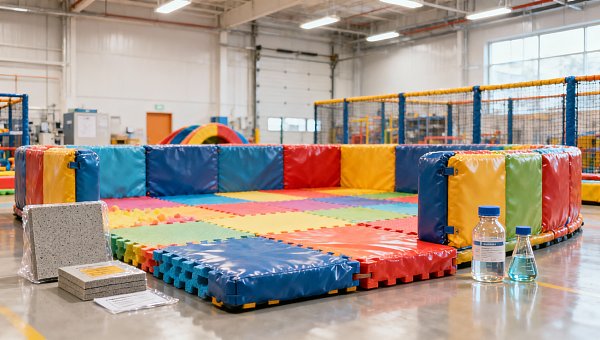
Check foam density, outer covering strength, seam quality, and cleanability.
Low-grade coverings crack fast in humid or heavily used spaces.
Plastic Components and Molded Parts
Slides, tunnels, and themed panels must be durable, smooth, and color stable.
Ask whether the indoor playground manufacturer uses virgin plastic or recycled blends.
The answer influences consistency, odor control, and long-term appearance.
Netting, Ropes, and Connectors
These items are often overlooked during procurement review.
Yet they take daily wear and must hold up under repeated tension.
Request test data, replacement schedules, and spare-part availability before final approval.
Safety Standards Every Indoor Playground Manufacturer Should Prove
Safety claims should always be document-based.
A reliable indoor playground manufacturer should clearly explain which standards apply to your market.
Depending on the destination, that may include ASTM, EN, ISO, or local fire and material regulations.
The key point is simple: certificates must match the product scope, not just the factory brochure.
Documents to Request
- Product test reports for structural and material safety
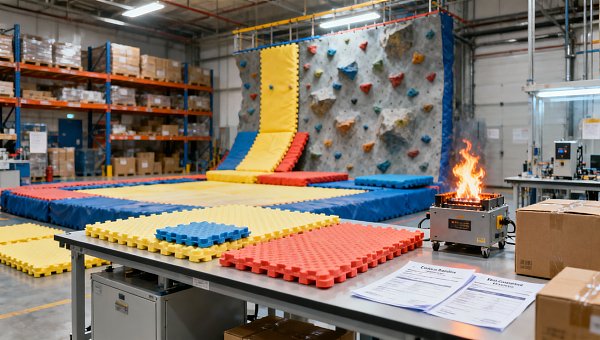
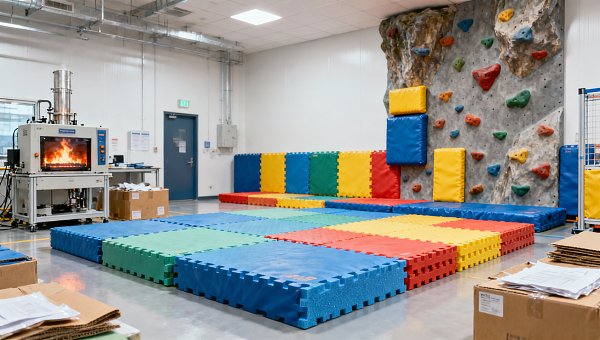
- Fire resistance or flame-retardant documentation
- Chemical compliance records for coatings and plastics
- Quality management certifications for manufacturing control
- Installation and maintenance manuals
Also check whether reports are current and issued by credible testing bodies.
Expired or generic paperwork creates downstream risk during inspection and insurance review.
Design Safety Matters as Much as Certification
A certified indoor playground manufacturer should still be evaluated on design judgment.
Look for proper guard heights, visibility lines, landing zones, and age-separated play areas.
This becomes even more important in compact urban sites where every square meter is under pressure.
How to Assess Custom Design Capability
Custom design is where many suppliers look strong at first glance.
The difference appears when you test how they handle real constraints.
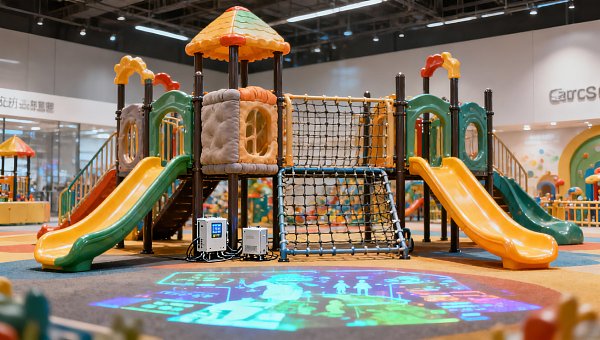
A good indoor playground manufacturer should adapt concept, circulation, and theme to the site, not force a standard layout.
Questions That Reveal Real Design Strength
- Can they design around columns, split levels, or unusual fire routes?
- Can they separate toddler, family, and high-energy zones clearly?
- Can they align the play concept with a hotel, mall, or educational brand identity?
- Can they balance play value with staffing efficiency and supervision?
- Can they convert a concept into production-ready drawings quickly?
Ask for past case studies with site photos, plans, and installed results.
This is usually more revealing than polished renderings.
A mature indoor playground manufacturer will also explain where customization increases cost and where standardization protects schedule.
Cost Evaluation Beyond the Initial Quotation
For procurement teams, price matters, but price alone is rarely the real comparison point.
The better question is total delivered value.
When reviewing an indoor playground manufacturer, break cost into the following parts.
A cheaper indoor playground manufacturer may become more expensive after freight changes, part failures, or installation errors.
That is why procurement decisions should compare full lifecycle cost, not just factory price.
Factory Reliability and Delivery Control
A strong indoor playground manufacturer should be able to prove operational reliability.
This matters even more when opening dates are tied to leasing milestones or seasonal demand.
Review production capacity, quality checkpoints, packaging standards, and shipping coordination.
If possible, request a factory audit or a live video walkthrough.
You want to see process discipline, not just sample corners of a showroom.
- How are incoming materials inspected?
- What happens when a component fails internal quality checks?
- How are parts labeled for site installation?
- What is the average lead time during peak season?
- How are missing or damaged parts handled after delivery?
These answers reveal whether the indoor playground manufacturer can support a real commercial rollout.
Final Supplier Shortlist: A Practical Decision Framework
When comparing finalists, use a weighted review instead of relying on general impressions.
Score each indoor playground manufacturer across five areas: materials, compliance, design, delivery, and after-sales support.
This approach makes internal approval easier and keeps procurement decisions defensible.
From a sourcing perspective, the strongest partner is rarely the one with the loudest presentation.
It is the indoor playground manufacturer that can document quality, explain trade-offs clearly, and execute custom work without losing control of timeline or safety.
That is where long-term value really shows up.
As market expectations rise, buyers are under more pressure to deliver experiences that feel premium, safe, and commercially efficient.
A disciplined checklist helps turn that pressure into a better sourcing outcome.
Before issuing a purchase order, ask every indoor playground manufacturer on your shortlist to prove each claim with documents, drawings, and real project evidence.
Search News
Hot Articles
- Outdoor RidesHow to Select Leisure Park Equipment for Safe, High-Throughput Visitor AreasOct 03, 2026
- Fashion & Gem JewelryDiamond Tester Wholesale: How to Vet Accuracy, Calibration, and MOQ Before OrderingOct 02, 2026
- Hotel Room AmenitiesHow Hotels Can Choose Amenity Bottles That Balance Brand Image and Refill CostsOct 01, 2026
Popular Tags
Need ExpertConsultation?
Connect with our specialized leisureengineering team for procurementstrategies.
Recommended News
 Sep 29, 2026Poured Playground Safety Surfacing: How to Specify Thickness for Fall HeightsPoured playground safety surfacing: learn how to specify tested thickness by fall height, ASTM standards, substrate conditions, accessibility, and field verification.● Theme Park Strategist
 Sep 27, 2026Custom Trampoline Park Equipment: Planning Capacity, Safety, and LayoutCustom trampoline park equipment for safer capacity, smooth guest flow, and efficient layouts. Explore practical planning insights for a high-performing park.● Theme Park Strategist
 Aug 30, 2026Entertainment Venue Master Planning: How to Balance Capacity, Flow, and RevenueEntertainment venue development master planning: balance capacity, guest flow, and revenue with practical strategies for resilient, high-performing venues.● Theme Park Strategist
 Sep 07, 2026What Should Buyers Do When a Supplier Delivers Non-Compliant Products?What to do if a supplier delivers non-compliant commercial products: contain risks, document evidence, protect your project, and secure the right remedy.● Theme Park Strategist
 Sep 02, 2026Waterpark Capacity Management: Balancing Queue Times, Safety, and Guest ThroughputWaterpark capacity management strategies to reduce queue times, protect safety, optimize guest throughput, and build a smoother, more profitable park operation.● Theme Park Strategist
 Sep 01, 2026ASTM F2075 Explained: Testing Engineered Wood Fiber for Playground Impact SafetyASTM F2075 explained: learn how engineered wood fiber supports playground impact safety, smarter sourcing, compliance documentation, and reliable maintenance planning.● Theme Park Strategist
 Aug 24, 2026How to Evaluate an Indoor Ninja Warrior Course Supplier in Europe?indoor ninja warrior course Europe supplier guide: learn how to assess safety, EN compliance, engineering, installation, and maintenance support before you choose.● Theme Park Strategist
 Aug 20, 2026How to Choose Modular Indoor Play Equipment for Different Venue Sizes and Age GroupsModular indoor play equipment buying guide: learn how to match venue size, ceiling height, traffic flow, and age groups to create safer, smarter, and more profitable play spaces.● Theme Park Strategist
 Aug 14, 2026POB Push Lifts Overseas Pre-Registrations 45.74%POB boosts overseas pre-registrations for the 2026 China Sport Show by 45.74%, signaling stronger global buyer interest and smarter sourcing opportunities in sports manufacturing.● Theme Park Strategist
 Aug 02, 2026What to Check Before Buying Thick Gymnastic Mats Wholesale for Schools and GymsThick gymnastic mats wholesale buying guide for schools and gyms: learn how to check foam, cover durability, safety documents, samples, and true long-term value before placing a bulk order.● Theme Park Strategist
 Jul 28, 2026How to Design Inclusive Sensory Play Areas for Different Age Groups and NeedsInclusive sensory play starts with smart zoning, age planning, accessibility, and acoustics. Discover practical design tips to create safer, engaging spaces that truly work.● Theme Park Strategist
 Jul 26, 2026How to Evaluate a Bowling Alley Equipment Factory Before Requesting a QuoteBowling alley equipment factory evaluation starts before price. Learn how to check manufacturing scope, engineering, compliance, spare parts, and installation support to avoid costly sourcing mistakes.● Theme Park Strategist
 Jul 16, 2026EN 1176:2026 Takes Effect for Indoor PlaygroundsEN 1176:2026 takes effect for indoor playgrounds in the EU, making conformity assessment mandatory. Learn how this impacts certification, customs clearance, suppliers, and market access.● Theme Park Strategist
 Jul 15, 2026CPSC Sets New ASTM Impact Test for Indoor Playground Metal PartsCPSC sets new ASTM impact test rules for indoor playground metal parts effective Oct. 1, 2026. Learn how the 15kN requirement may affect compliance, testing timelines, and U.S. export delivery.● Theme Park Strategist
 Jul 14, 2026CPSC Tightens Phthalate Limit for Indoor Playground Soft MaterialsCPSC tightens phthalate limits for indoor playground soft materials from Aug 15, 2026. Learn how DIBP control, CBP detention risk, and testing changes impact sourcing, exports, and compliance.● Theme Park Strategist
 Jul 13, 2026Vietnam Tightens IoT Rule for Indoor Playground ImportsVietnam Tightens IoT Rule for Indoor Playground Imports: learn how VNSS-2025 gateway requirements affect exporters, buyers, installers, and delivery timelines before the 2026 deadline.● Theme Park Strategist
 Jul 13, 2026How a Recreational Facility Planning Company Helps Reduce Layout MistakesRecreational facility planning company insights: learn how early layout strategy reduces costly mistakes, improves flow, compliance, and buildability for smoother project delivery.● Theme Park Strategist
 Jul 12, 2026CPSC Halts Imports of Indoor Playground Soft PartsCPSC halts imports of indoor playground soft parts from China under ASTM F3432-26. Learn the compliance risks, testing requirements, and urgent steps importers must take now.● Theme Park Strategist
 Jul 11, 2026CPSC Import Alert Tightens Fire Test Rule for Indoor Playground PaddingCPSC import alert updates indoor playground padding rules to ASTM F3432-26. See how the new fire test affects foam mats, shipments, and U.S. market access.● Theme Park Strategist
 Jul 11, 2026Ice Bumper Cars Bulk Order Checklist for Indoor Parks: Space, Power, and Safety PointsIce bumper cars bulk order guide for indoor parks: learn how to assess space, power, safety, and throughput before buying, so you can avoid costly mistakes and choose the right fleet with confidence.● Theme Park Strategist
 Jul 10, 2026Commercial Playground Equipment for Campuses: Key Safety Standards and Planning TipsCommercial playground equipment for campuses: explore key safety standards, inclusive layout planning, durable materials, and smart procurement tips to avoid costly mistakes.● Theme Park Strategist
 Jul 09, 2026CPSC Recall Escalates Over Phthalates in Indoor Playground PadsCPSC recall escalates over phthalates in indoor playground pads as affected batches exceed CPSIA limits. Learn the risks, supply chain impact, and what buyers should monitor now.● Theme Park Strategist
 Jul 07, 2026How to Choose Ice Skating Rink Equipment in Europe: Key Systems, Standards, and Budget Factorsice skating rink equipment Europe guide: compare refrigeration, rink floors, boards, EU compliance, and total budget factors to choose a safer, more efficient commercial rink solution.● Theme Park Strategist
 Jul 06, 2026CPSC Flags New Flame Test for Indoor Playground PaddingCPSC flags a new flame test for indoor playground padding under ASTM F1487-23b. Learn how this urgent compliance alert affects materials, testing, imports, and U.S. market access.● Theme Park Strategist