How to Choose Thermal Receipt Printers for Retail and Restaurant Counters
Choosing thermal receipt printers for retail and restaurant counters is rarely a minor hardware decision. Print speed affects queue flow, reliability affects service continuity, and paper handling affects daily operating rhythm. In busy commercial settings, the right model supports both front-of-house efficiency and back-office control.
That matters even more as hospitality, specialty retail, and mixed-use commercial spaces place greater value on smooth customer experiences. A receipt printer sits in a small footprint, yet it touches payment confirmation, order accuracy, staff productivity, and maintenance cost. For sourcing teams comparing options across locations, the practical differences between models quickly become significant.
What thermal receipt printers actually need to deliver
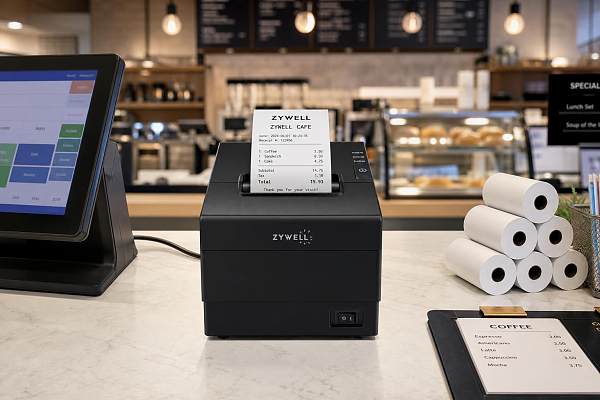
At a basic level, thermal receipt printers use heat to create text and graphics on coated paper. They avoid ink and toner, which keeps operation simple and usually lowers consumable complexity.
For counters in retail and food service, though, the real requirement is broader. The printer must stay responsive during peak hours, integrate with payment or POS systems, and remain stable in environments where staff cannot pause for frequent troubleshooting.
This is why thermal receipt printers are common across cafes, quick-service chains, supermarkets, boutique stores, hotel outlets, and concession counters. They are selected less for novelty and more for dependable repetition.
Why the category deserves closer evaluation now
Commercial buying has shifted toward experience quality, uptime, and lifecycle value. In that context, printer selection is linked to service speed, design fit, and supportability across multiple sites.
Global Commercial Trade follows this wider sourcing logic across hospitality equipment, educational supply chains, leisure venues, and luxury retail environments. The same purchasing discipline applies here: aesthetic suitability matters, but so do compliance, durability, and supplier consistency.
A compact device on a checkout counter may appear interchangeable. In practice, thermal receipt printers vary sharply in interface options, cutter quality, service access, and paper tolerance. Those variables shape long-term ownership cost far more than the initial unit price suggests.
Retail counters and restaurant counters do not ask for the same thing
The strongest buying decisions begin with environment, not with brand names or headline specifications. A printer that works well in a cosmetics counter may perform poorly in a hot kitchen pass or a high-turnover beverage station.
Retail use patterns
Retail counters usually prioritize clean design, consistent branding, and dependable transaction printing. Space is often limited, especially in specialty retail, jewelry stores, kiosks, and premium concession points.
Noise level can also matter. A loud cutter may be acceptable in a warehouse pickup counter, but less suitable in luxury environments where the checkout moment is part of the brand experience.
Restaurant use patterns
Restaurant counters often place more pressure on speed, spill resistance, and recovery from interruptions. Order rushes are intense, and staff may need prints for receipts, kitchen routing, and takeaway confirmation.
In these settings, thermal receipt printers should tolerate grease, heat, vibration, and repeated handling. Cable security and easy paper loading also become more important than showroom appearance.
The specifications that affect real-world performance
Headline speed is useful, but it should not dominate evaluation. A fast printer with unstable connectivity or frequent cutter faults can reduce throughput instead of improving it.
Connectivity and system compatibility
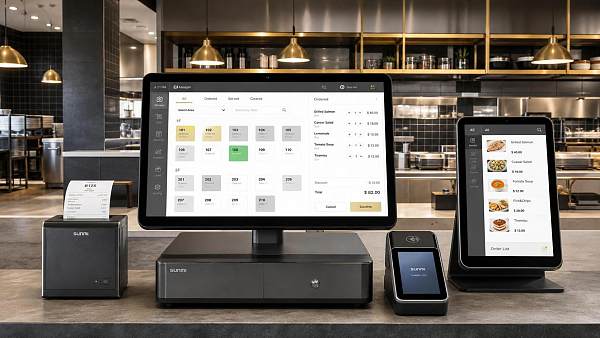
Check USB, Ethernet, Bluetooth, Wi-Fi, or serial requirements against the existing POS ecosystem. Multi-interface thermal receipt printers are often better suited to mixed estates and phased upgrades.
Driver support also matters. Compatibility with Windows, Android, iOS, Linux, or cloud POS platforms should be confirmed before tender approval, not after installation.
Paper width and loading method
Most counters rely on standard roll formats, yet paper width still influences waste, receipt layout, and replacement availability. Drop-in loading is usually preferable in high-turnover environments because it reduces training time and handling mistakes.
Durability and cutter life
Duty cycle should reflect actual transaction volume. Thermal receipt printers used in chain restaurants or high-footfall stores need stronger cutter mechanisms and better internal component protection than low-volume counters.
Print clarity and branding needs
Not every location needs high-density logo printing. Some do. Premium retail, loyalty campaigns, and VAT-sensitive documentation often require sharper output and stable formatting for logos, QR codes, and return details.
Cost should be measured across the full operating window
A lower unit cost can be misleading when support calls, replacement parts, and compatibility issues are added. Thermal receipt printers should be evaluated as operating assets, not isolated electronics.
A practical comparison usually includes service intervals, mean time between failures, spare part availability, firmware update support, and the local supply of approved thermal paper. These factors influence continuity across branches far more than list price alone.
- Estimate paper usage by transaction volume and average receipt length.
- Check whether cutters, power supplies, and covers are easy to replace.
- Review warranty terms for commercial use intensity.
- Confirm lead times for replacement units across all operating regions.
Supplier evaluation is as important as product evaluation
For multi-site sourcing, the supplier relationship often determines whether a printer rollout succeeds. Consistent quality control, certification clarity, and packaging reliability reduce friction during deployment.
This is especially relevant in the broader commercial sectors covered by GCT, where hospitality groups, campus operators, and premium retailers frequently need harmonized procurement standards across countries. Thermal receipt printers should fit that sourcing discipline.
Useful supplier questions go beyond price:
- Are compliance documents current and market-specific?
- Can firmware, interface options, or branding be standardized across orders?
- Is there evidence of stable OEM or ODM production capability?
- How are defects handled during international shipment cycles?
A practical shortlist framework
When the category is crowded, shortlisting becomes easier if each option is scored against the operating environment. That keeps selection tied to business use instead of marketing claims.
Where the next decision should focus
The best thermal receipt printers are not simply the fastest or cheapest models. They are the ones that match the counter environment, support the existing transaction system, and remain serviceable over time.
A sensible next step is to map receipt volume, connectivity needs, paper format, and environmental stress by location type. After that, compare thermal receipt printers using a small pilot matrix instead of a single headline specification.
That approach creates a clearer sourcing standard, especially for organizations balancing hospitality presentation, retail consistency, and long-term operational control across diverse commercial settings.
Search News
Hot Articles
- Restaurant FurnitureFast-Casual Restaurant Interiors: Design Choices That Improve Speed and Guest FlowOct 04, 2026
- Outdoor RidesHow to Select Leisure Park Equipment for Safe, High-Throughput Visitor AreasOct 03, 2026
- Fashion & Gem JewelryDiamond Tester Wholesale: How to Vet Accuracy, Calibration, and MOQ Before OrderingOct 02, 2026
Popular Tags
Need ExpertConsultation?
Connect with our specialized leisureengineering team for procurementstrategies.
Recommended News
 Sep 24, 2026Conveyor Pizza Oven Price: What Buyers Should Budget for Capacity and FeaturesConveyor pizza oven price guide: compare capacity, features, installation costs, and quote factors to choose the right commercial oven for your operation.● Hospitality Sourcing Dir
 Sep 23, 2026How Restaurant Buyers Can Source Hospitality Supplies Without OverorderingHospitality supplies for restaurants: learn practical sourcing strategies to cut excess inventory, protect cash flow, improve supplier reliability, and keep every service running smoothly.● Hospitality Sourcing Dir
 Sep 22, 2026Commercial Kitchen Design Price: Budgeting by Layout, Equipment, and MEP ScopeCommercial kitchen design price explained: budget smarter for layout, equipment, MEP scope, compliance, installation, and long-term operational performance.● Hospitality Sourcing Dir
 Sep 19, 2026How to Select a Spiral Dough Mixer for Bakery Batch Size and Dough HydrationSpiral dough mixer bakery guide: match batch size, flour load, and hydration to select reliable torque, temperature control, and consistent dough results.● Hospitality Sourcing Dir
 Sep 14, 2026How Restaurants Can Choose Disposable Wooden Cutlery for Takeout and CateringDisposable wooden cutlery fork spoon knife guide for restaurants: compare strength, finish, packaging, food-contact needs, and catering performance.● Hospitality Sourcing Dir
 Sep 12, 2026How to Size a Restaurant Walk-In Cooler for Peak Inventory and Kitchen LayoutRestaurant walk in coolers sized for peak inventory and kitchen workflow help improve food safety, staff efficiency, storage access, and long-term operational performance.● Hospitality Sourcing Dir
 Sep 10, 2026How to Choose a CE Hot Dog Roller for Safe, High-Volume Food Service?Choose a CE hot dog roller with confidence: compare compliance documents, heating consistency, cleaning design, capacity, and total cost for safe, high-volume food service.● Hospitality Sourcing Dir
 Sep 04, 2026How to Evaluate a Commercial Food Warmer Manufacturer for Bulk Catering ProjectsCommercial food warmer manufacturer evaluation guide for bulk catering projects: compare thermal performance, compliance, customization, costs, and after-sales support.● Hospitality Sourcing Dir
 Aug 30, 2026How Can Buyers Verify Supplier Qualifications Before a Bulk Order?How to confirm supplier qualifications before placing a bulk order: verify legal identity, factory capability, certificates, samples, quality controls, and payment safeguards.● Hospitality Sourcing Dir
 Aug 28, 2026Commercial Kitchen Design Standards: A Planning Checklist for Code-Compliant LayoutsCommercial kitchen design standards: use this practical checklist to plan safer, code-compliant layouts, streamline approvals, and avoid costly rework.● Hospitality Sourcing Dir
 Aug 06, 2026How to Choose Flake Ice Makers for Seafood Displays, Bars, and Food Prep?Flake ice makers buying guide: compare output, hygiene, storage, energy use, and reliability to choose the best solution for seafood displays, bars, and food prep.● Hospitality Sourcing Dir
 Aug 03, 2026Commercial Kitchen Design Price: What Drives Cost in a New Build Project?Commercial kitchen design price explained: discover what drives cost in a new build, from layout and equipment to ventilation, compliance, and hidden budget risks.● Hospitality Sourcing Dir
 Jul 30, 2026How to Choose a Countertop Commercial Pizza Oven for Capacity, Speed, and Space?Countertop commercial pizza oven buying guide: learn how to match capacity, bake speed, and kitchen space for consistent output, lower costs, and smarter purchasing decisions.● Hospitality Sourcing Dir
 Jul 22, 2026How to Evaluate a Cotton Candy Machine Supplier for Quality, Lead Time, and MOQCotton candy machine supplier selection starts with quality, lead time, and MOQ. Learn how to compare suppliers, reduce sourcing risk, and choose a partner that supports reliable growth.● Hospitality Sourcing Dir
 Jul 21, 2026How to Choose a Charcoal Commercial Grill for Capacity, Heat Control, and Menu FitCharcoal commercial grill buying guide: learn how to match capacity, heat control, and menu fit to boost consistency, service speed, and ROI in commercial kitchens.● Hospitality Sourcing Dir
 Jul 10, 2026FDA Import Alert Adds NSF/ANSI 50-2026 for Commercial Kitchen EquipmentFDA Import Alert now highlights NSF/ANSI 50-2026 for commercial kitchen equipment. Learn how dishwashers, ice machines, and steam cabinets can avoid U.S. port detention.● Hospitality Sourcing Dir
 Jul 05, 2026How to Select Energy Efficient Display Cabinets for Food Retail and HospitalityEnergy efficient display cabinets can cut operating costs while improving food safety, visibility, and service efficiency. Learn how to choose the right model for retail and hospitality.● Hospitality Sourcing Dir
 Jul 04, 2026CPSC Flags New UL 2595 Label Rule for Commercial Ice MakersCPSC flags a new UL 2595 label rule for commercial ice makers entering the U.S. after Aug. 1, 2026. Learn who is affected, key compliance steps, and how to avoid port delays and recall risk.● Hospitality Sourcing Dir
 Jun 29, 2026How to Choose Thermal Receipt Printers for Retail and Restaurant CountersThermal receipt printers for retail and restaurant counters: learn how to compare speed, durability, connectivity, and total operating cost to choose a model that supports smoother service.● Hospitality Sourcing Dir
 Jun 28, 2026Stainless Steel Kitchen Ventilation Systems: Key Specifications for Commercial ProjectsStainless steel kitchen ventilation systems: compare material grades, airflow capture, hygiene, fire safety, and installation specs for commercial projects before you buy.● Hospitality Sourcing Dir
 Jun 27, 2026Commercial Shawarma Machines: What to Check Before Buying for High-Volume ServiceShawarma machines commercial buying guide: learn how to compare capacity, heat control, durability, compliance, and lifecycle cost before choosing equipment for high-volume service.● Hospitality Sourcing Dir
 Jun 26, 2026Restaurant POS Systems: How to Compare Features, Costs, and ScalabilityRestaurant POS systems: compare features, costs, and scalability to find the best fit for your restaurant and boost long-term efficiency.● Hospitality Sourcing Dir
 Jun 25, 2026Kitchen Ventilation Systems Design: How to Size Hoods, Airflow, and Make-Up AirKitchen ventilation systems design explained clearly: learn how to size hoods, set exhaust airflow, and balance make-up air for safer, more efficient commercial kitchens.● Hospitality Sourcing Dir
 Jun 14, 2026Hot Dog Rollers for Convenience Stores and Cafes: Capacity, Heating Zones, and Cleaning TipsHot dog rollers buying guide for convenience stores and cafes: compare real capacity, heating zones, energy use, and cleaning tips to choose a smarter, lower-waste setup.● Hospitality Sourcing Dir