Why bakery ovens commercial kitchens use cost more?
For technical evaluators, the higher price of bakery ovens commercial kitchens rely on is not just a matter of brand or capacity. It reflects precision heat control, continuous-duty components, food safety compliance, energy performance, ventilation requirements, and long-term serviceability. In high-volume hospitality and catering environments, an oven must deliver repeatable results while reducing downtime and operating risk. This guide explains the real cost drivers behind commercial bakery ovens and helps buyers assess whether a higher upfront investment can translate into better lifecycle value.
In hotels, institutional kitchens, central bakeries, and catering production lines, ovens are not occasional appliances. They are thermal production assets expected to run 6–16 hours per day, often across multiple menu cycles.
That operating profile changes the evaluation logic. A lower-cost unit may appear attractive during procurement, but bakery ovens commercial buyers specify must be measured against throughput, recovery time, safety, utilities, and maintenance access.
What Makes Commercial Bakery Ovens Different from Light-Duty Equipment?
The first cost driver is the distinction between intermittent baking and production baking. Commercial kitchens require stable output under repetitive loading, not just acceptable results during a short demonstration.
Continuous-duty construction
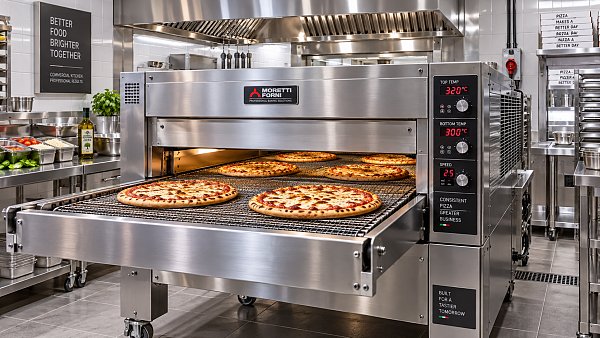
Bakery ovens commercial kitchens use are built with heavier insulation, stronger door hardware, reinforced chambers, and higher-grade heating elements. These components resist thermal fatigue after thousands of open-close cycles.
A hotel pastry section may run breakfast bread, plated dessert bases, banquet rolls, and late-service items within one 12-hour shift. The oven must recover temperature quickly after every tray change.
Heat uniformity and repeatability
For technical evaluators, uniformity is often more important than peak temperature. A deviation of 5°C–10°C across the chamber can affect crust color, internal moisture, and batch rejection rates.
Higher-priced ovens commonly include engineered airflow, multi-zone heating, PID-based controls, and calibrated sensors. These systems reduce variation between racks, shelves, and repeated production cycles.
Key performance implications
- Faster temperature recovery after door opening, often critical in 20–40 tray production windows.
- More consistent browning across multiple rack positions during peak service periods.
- Lower risk of underbaked centers when producing dense breads or laminated pastry.
- Reduced operator intervention, rotation, and rework during high-volume shifts.
This is why comparing ovens only by external size or tray count can mislead buyers. Two units may both hold 10 trays, yet perform very differently after 4 hours of continuous loading.
Main Cost Drivers Behind Bakery Ovens Commercial Buyers Evaluate
The price structure of commercial bakery ovens is shaped by engineering, compliance, and service requirements. The following table summarizes common cost factors technical teams should examine during specification review.
The table shows why a higher purchase price can be rational. Technical value is embedded in repeatability, thermal stability, cleaning practicality, and the ability to keep production running.
Controls, sensors, and recipe management
Modern bakery ovens commercial facilities procure may include digital controllers, programmable recipes, humidity settings, and alarm functions. These features reduce dependence on individual operator judgment.
For multi-site hotel groups or catering chains, recipe repeatability matters. A 3-step program for proofed bread or a 5-stage pastry bake can standardize results across teams.
Gas, electric, and utility infrastructure
Energy configuration affects both oven cost and installation cost. Electric units may require substantial power capacity, while gas ovens require compliant gas lines, combustion airflow, and ventilation review.
A technical assessment should confirm voltage, phase, connected load, breaker sizing, exhaust route, and local code requirements before purchase. Installation changes can add 2–6 weeks to project timelines.
Lifecycle Value: Why Upfront Price Is Only One Part of the Cost
Commercial kitchen equipment should be assessed through total cost of ownership. For bakery ovens commercial operators use daily, small differences in energy, downtime, and yield become material over 3–7 years.
Energy performance and heat retention
An oven with better insulation and accurate controls may reduce wasted heat during idle periods and recovery cycles. In busy kitchens, energy impact compounds across hundreds of operating days.
Evaluators should compare rated power or gas consumption, preheat time, idle management, door seal design, and whether the oven supports staged heating for lower-demand production windows.
Downtime, spare parts, and service networks
A cheaper oven becomes expensive when a failed fan motor stops breakfast service or banquet preparation. In many hospitality environments, 24–48 hours of downtime can disrupt multiple revenue centers.
Buyers should ask suppliers about spare part availability, service response windows, diagnostic procedures, and recommended maintenance intervals. Gaskets, probes, heating elements, and door hinges are predictable wear points.
Lifecycle evaluation checklist
- Estimate daily operating hours, peak tray volume, and menu mix for at least 12 months.
- Calculate energy use under actual production cycles, not only nameplate rating.
- Confirm preventive maintenance tasks and whether they require 1 technician or 2 people.
- Review spare parts lead times, especially for imported control boards and motors.
- Assess sanitation access points, removable panels, and drain or crumb management.
- Compare warranty scope, exclusions, installation requirements, and commissioning support.
This structured review helps separate genuine engineering value from cosmetic upgrades. It also supports internal approval when finance teams challenge the initial equipment price.
How Technical Evaluators Should Compare Oven Types
Different commercial bakery formats require different oven architectures. A deck oven, rack oven, convection oven, and combi-style unit solve distinct production problems and carry different cost profiles.
The comparison below helps evaluators align bakery ovens commercial specifications with production volume, product sensitivity, and kitchen space constraints before requesting quotations.
No single format is universally superior. The right specification depends on output targets, available utilities, menu consistency requirements, and whether production is centralized or point-of-service.
Capacity should match real workflow
Capacity claims can be misleading if they ignore loading time, product spacing, proofing schedule, and cooling space. A 16-tray oven may not produce twice the output of an 8-tray unit.
Technical teams should model the full process: mixing, dividing, proofing, baking, cooling, packaging, and service transfer. The oven is one node in a 6-stage production chain.
Space, ventilation, and heat rejection
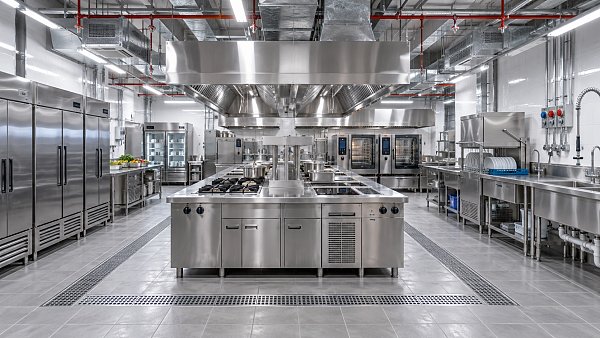
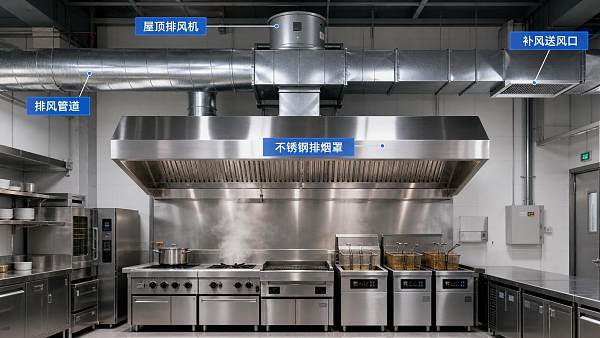
Commercial ovens affect the room around them. Clearance, hood capture, make-up air, operator movement, and maintenance access all influence final installation feasibility.
A larger oven may require additional exhaust design, fire-safety coordination, or floor reinforcement. These requirements can be more costly than the equipment difference itself.
Compliance, Hygiene, and Risk Control in Commercial Kitchens
For institutional buyers, compliance is not an optional feature. Bakery ovens commercial kitchens install must support food safety, workplace safety, and local mechanical code obligations.
Food safety and cleanability
Surfaces should be accessible, durable, and resistant to grease, sugar residue, flour dust, and moisture. Poorly designed seams can accumulate debris and complicate sanitation inspections.
Evaluators should check removable trays, crumb collection, door gasket design, internal corners, and whether cleaning can be completed within normal shift windows of 15–45 minutes.
Operator safety and installation approval
High-temperature equipment introduces burn, fire, electrical, and ventilation risks. Safety interlocks, cool-touch handles, overload protection, and documented installation requirements reduce operational exposure.
Before purchase, technical teams should request installation drawings, utility specifications, ventilation data, and maintenance clearances. This documentation helps coordinate architects, MEP engineers, and kitchen consultants.
Common risk points to review
- Insufficient hood coverage for door-opening heat and vapor release.
- Incorrect electrical phase, cable sizing, or breaker protection.
- Limited side or rear access for fan, burner, or control maintenance.
- Water quality issues affecting steam generators and automatic cleaning systems.
- Mismatched tray standards, rack dimensions, or loading trolley compatibility.
Risk control protects more than compliance paperwork. It improves uptime, reduces staff frustration, and prevents costly retrofits after the oven reaches the site.
Procurement Questions That Reveal True Value
A strong supplier conversation should go beyond brochure capacity. The best questions test how well the oven fits the buyer’s production environment, maintenance resources, and expansion plans.
Questions for specification review
- What is the expected temperature recovery time after loading 50% and 100% of rated capacity?
- How many programmable recipes can the controller store, and who can edit them?
- Which components are considered consumables over a 12–24 month operating period?
- What clearances are required for safe operation and service access?
- Can the supplier provide installation drawings, commissioning guidance, and parts lists?
- What are the expected lead times for core spare parts in the buyer’s region?
These questions expose hidden costs before contract award. They also help compare bakery ovens commercial suppliers on operational support, not only invoice price.
When a higher-price oven is justified
Premium equipment is easier to justify when the kitchen operates multiple shifts, serves brand-sensitive guests, or cannot tolerate production delays during breakfast, banquets, or institutional meal periods.
A higher investment may also be appropriate when a facility plans 5–10 years of use, requires standardized recipes, or operates in a region with strict safety inspections.
When a simpler model may be sufficient
Not every kitchen needs the most advanced oven. A small café, training facility, or low-volume bakery corner may prioritize compact size, basic controls, and manageable installation cost.
The critical point is fit-for-purpose selection. Overspecification wastes capital, while underspecification creates recurring labor, quality, and downtime costs.
Turning Technical Evaluation into Better Sourcing Decisions
The higher cost of bakery ovens commercial kitchens choose is usually the result of engineered durability, controlled heat transfer, safer installation, and serviceable design.
For hotels, catering groups, institutional buyers, and commercial space developers, the right oven can stabilize production quality while reducing avoidable operational risk across daily service cycles.
Global Commercial Trade supports technical evaluators with structured sourcing intelligence, supplier capability context, and commercially relevant procurement guidance across hospitality and catering equipment categories.
If your team is comparing commercial bakery oven options for a new project, renovation, or multi-site rollout, request a tailored sourcing review to clarify specifications, lifecycle value, and supplier-fit criteria.
Contact Global Commercial Trade to explore more solutions, discuss product details, or obtain a customized evaluation framework for your next commercial kitchen procurement.
Search News
Hot Articles
- Fashion & Gem JewelryHow to Choose Designer Eyewear That Fits Your Store’s Customer ProfileOct 12, 2026
- Musical InstrumentsA Practical Guide to Identifying Wooden Orchestral Instruments by Family and ToneOct 10, 2026
- Indoor PlaygroundHow to Choose Animatronic Haunted House Props for High-Throughput AttractionsOct 08, 2026
Popular Tags
Need ExpertConsultation?
Connect with our specialized leisureengineering team for procurementstrategies.
Recommended News
 Oct 06, 2026What Is Driving Demand for Commercial Hospitality Projects Across the GCC?Commercial hospitality GCC demand is rising through destination-led tourism, mixed-use development, and premium operational standards. Explore the procurement strategies shaping resilient projects.● Hospitality Sourcing Dir
 Sep 24, 2026Conveyor Pizza Oven Price: What Buyers Should Budget for Capacity and FeaturesConveyor pizza oven price guide: compare capacity, features, installation costs, and quote factors to choose the right commercial oven for your operation.● Hospitality Sourcing Dir
 Sep 23, 2026How Restaurant Buyers Can Source Hospitality Supplies Without OverorderingHospitality supplies for restaurants: learn practical sourcing strategies to cut excess inventory, protect cash flow, improve supplier reliability, and keep every service running smoothly.● Hospitality Sourcing Dir
 Sep 22, 2026Commercial Kitchen Design Price: Budgeting by Layout, Equipment, and MEP ScopeCommercial kitchen design price explained: budget smarter for layout, equipment, MEP scope, compliance, installation, and long-term operational performance.● Hospitality Sourcing Dir
 Sep 19, 2026How to Select a Spiral Dough Mixer for Bakery Batch Size and Dough HydrationSpiral dough mixer bakery guide: match batch size, flour load, and hydration to select reliable torque, temperature control, and consistent dough results.● Hospitality Sourcing Dir
 Sep 14, 2026How Restaurants Can Choose Disposable Wooden Cutlery for Takeout and CateringDisposable wooden cutlery fork spoon knife guide for restaurants: compare strength, finish, packaging, food-contact needs, and catering performance.● Hospitality Sourcing Dir
 Sep 12, 2026How to Size a Restaurant Walk-In Cooler for Peak Inventory and Kitchen LayoutRestaurant walk in coolers sized for peak inventory and kitchen workflow help improve food safety, staff efficiency, storage access, and long-term operational performance.● Hospitality Sourcing Dir
 Sep 10, 2026How to Choose a CE Hot Dog Roller for Safe, High-Volume Food Service?Choose a CE hot dog roller with confidence: compare compliance documents, heating consistency, cleaning design, capacity, and total cost for safe, high-volume food service.● Hospitality Sourcing Dir
 Sep 04, 2026How to Evaluate a Commercial Food Warmer Manufacturer for Bulk Catering ProjectsCommercial food warmer manufacturer evaluation guide for bulk catering projects: compare thermal performance, compliance, customization, costs, and after-sales support.● Hospitality Sourcing Dir
 Aug 30, 2026How Can Buyers Verify Supplier Qualifications Before a Bulk Order?How to confirm supplier qualifications before placing a bulk order: verify legal identity, factory capability, certificates, samples, quality controls, and payment safeguards.● Hospitality Sourcing Dir
 Aug 28, 2026Commercial Kitchen Design Standards: A Planning Checklist for Code-Compliant LayoutsCommercial kitchen design standards: use this practical checklist to plan safer, code-compliant layouts, streamline approvals, and avoid costly rework.● Hospitality Sourcing Dir
 Aug 06, 2026How to Choose Flake Ice Makers for Seafood Displays, Bars, and Food Prep?Flake ice makers buying guide: compare output, hygiene, storage, energy use, and reliability to choose the best solution for seafood displays, bars, and food prep.● Hospitality Sourcing Dir
 Aug 03, 2026Commercial Kitchen Design Price: What Drives Cost in a New Build Project?Commercial kitchen design price explained: discover what drives cost in a new build, from layout and equipment to ventilation, compliance, and hidden budget risks.● Hospitality Sourcing Dir
 Jul 30, 2026How to Choose a Countertop Commercial Pizza Oven for Capacity, Speed, and Space?Countertop commercial pizza oven buying guide: learn how to match capacity, bake speed, and kitchen space for consistent output, lower costs, and smarter purchasing decisions.● Hospitality Sourcing Dir
 Jul 22, 2026How to Evaluate a Cotton Candy Machine Supplier for Quality, Lead Time, and MOQCotton candy machine supplier selection starts with quality, lead time, and MOQ. Learn how to compare suppliers, reduce sourcing risk, and choose a partner that supports reliable growth.● Hospitality Sourcing Dir
 Jul 21, 2026How to Choose a Charcoal Commercial Grill for Capacity, Heat Control, and Menu FitCharcoal commercial grill buying guide: learn how to match capacity, heat control, and menu fit to boost consistency, service speed, and ROI in commercial kitchens.● Hospitality Sourcing Dir
 Jul 10, 2026FDA Import Alert Adds NSF/ANSI 50-2026 for Commercial Kitchen EquipmentFDA Import Alert now highlights NSF/ANSI 50-2026 for commercial kitchen equipment. Learn how dishwashers, ice machines, and steam cabinets can avoid U.S. port detention.● Hospitality Sourcing Dir
 Jul 05, 2026How to Select Energy Efficient Display Cabinets for Food Retail and HospitalityEnergy efficient display cabinets can cut operating costs while improving food safety, visibility, and service efficiency. Learn how to choose the right model for retail and hospitality.● Hospitality Sourcing Dir
 Jul 04, 2026CPSC Flags New UL 2595 Label Rule for Commercial Ice MakersCPSC flags a new UL 2595 label rule for commercial ice makers entering the U.S. after Aug. 1, 2026. Learn who is affected, key compliance steps, and how to avoid port delays and recall risk.● Hospitality Sourcing Dir
 Jun 29, 2026How to Choose Thermal Receipt Printers for Retail and Restaurant CountersThermal receipt printers for retail and restaurant counters: learn how to compare speed, durability, connectivity, and total operating cost to choose a model that supports smoother service.● Hospitality Sourcing Dir
 Jun 28, 2026Stainless Steel Kitchen Ventilation Systems: Key Specifications for Commercial ProjectsStainless steel kitchen ventilation systems: compare material grades, airflow capture, hygiene, fire safety, and installation specs for commercial projects before you buy.● Hospitality Sourcing Dir
 Jun 27, 2026Commercial Shawarma Machines: What to Check Before Buying for High-Volume ServiceShawarma machines commercial buying guide: learn how to compare capacity, heat control, durability, compliance, and lifecycle cost before choosing equipment for high-volume service.● Hospitality Sourcing Dir
 Jun 26, 2026Restaurant POS Systems: How to Compare Features, Costs, and ScalabilityRestaurant POS systems: compare features, costs, and scalability to find the best fit for your restaurant and boost long-term efficiency.● Hospitality Sourcing Dir
 Jun 25, 2026Kitchen Ventilation Systems Design: How to Size Hoods, Airflow, and Make-Up AirKitchen ventilation systems design explained clearly: learn how to size hoods, set exhaust airflow, and balance make-up air for safer, more efficient commercial kitchens.● Hospitality Sourcing Dir