Which playground theme keeps kids engaged longer?
Choosing the right playground theme is more than a creative decision—it directly affects dwell time, repeat visits, safety planning, and long-term project ROI. For project managers overseeing parks, schools, resorts, or commercial leisure spaces, the challenge is balancing imaginative design with durability, compliance, budget control, and user engagement. This guide explores which themed playground concepts tend to keep children engaged longer, and how procurement teams can evaluate design features, age suitability, material quality, and operational value before committing to a large-scale playground investment.
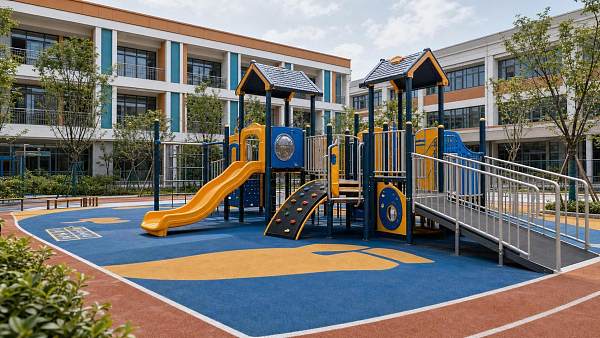
For commercial projects, a playground theme must work as an experience system, not just a decorative concept. It should guide movement, support multiple play cycles, and remain attractive after thousands of daily interactions.
What Makes a Playground Theme Hold Attention Longer?
The most engaging playground theme usually combines open-ended exploration, physical challenge, social interaction, and sensory variation. Children stay longer when one structure supports at least 3–5 different play intentions.
A pirate ship, forest adventure, space station, or city traffic playground can all perform well if the design includes layered routes, role-play cues, and repeatable discovery points.
The 4 engagement drivers project teams should measure
- Physical range: climbing, sliding, balancing, crawling, spinning, and low-impact movement for 2–3 age groups.
- Narrative depth: visual signs, themed panels, props, and routes that support imaginative play for 10–20 minutes.
- Social capacity: zones where 4–8 children can cooperate without blocking circulation or creating collision points.
- Progressive difficulty: at least 3 challenge levels so children can return and attempt harder movements safely.
A playground theme that lacks these drivers may photograph well but underperform operationally. Children often leave faster when every play path is obvious within the first 5 minutes.
Theme comparison for dwell time and operational fit
The table below compares common theme categories used in schools, resorts, municipal parks, shopping centers, and leisure destinations. Actual performance depends on layout, safety design, and maintenance planning.
For longer engagement, adventure forest and mini city concepts often provide the widest play vocabulary. However, the right playground theme should match location identity and user age distribution.
Why open-ended themes usually outperform single-function structures
A slide-only attraction may generate quick excitement, but a multi-route playground theme creates repeat decisions. Children can choose paths, assign roles, and modify games across multiple visits.
For B2B operators, this translates into stronger perceived value. Parents are more likely to extend stay time when children remain safely absorbed for 20–40 minutes.
Matching Theme Strategy to Age Groups and Site Objectives
A playground theme cannot be selected without defining the primary user group. Toddlers, preschool children, and older children respond to different challenges, heights, colors, and story cues.
Project managers should start with 3 planning questions: who uses the site, how long they stay, and what commercial outcome the operator expects.
Age-based planning recommendations
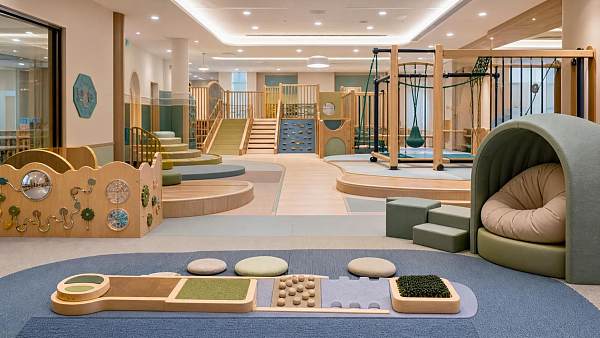
- Ages 2–5: prioritize low platforms, tactile panels, gentle slides, shaded seating, and compact routes under close supervision.
- Ages 5–8: combine climbing, balancing, role-play cabins, crawl tunnels, and medium-height decks for active exploration.
- Ages 8–12: include rope courses, taller towers, strategy-based play, team challenges, and more complex circulation loops.
The same playground theme can be adapted for different age bands. A forest concept for toddlers may use animal panels, while a version for older children can include rope bridges and towers.
Commercial objectives behind theme selection
In a school, the theme may support learning outcomes and daily durability. In a resort, the same playground theme should reinforce brand storytelling and family satisfaction.
Retail and mixed-use projects often require higher visual impact because the playground also acts as a traffic magnet. Here, a recognizable theme can support repeat weekend visits.
- Define the expected daily user volume, such as 80–300 children for a medium commercial zone.
- Estimate dwell time targets, commonly 15–45 minutes depending on the facility type.
- Set safety and maintenance boundaries before finalizing decorative complexity.
- Align colors, icons, and materials with the larger architectural environment.
A project team should not buy a playground theme only because it appears popular. The strongest concept is the one that supports measurable site objectives.
Procurement Criteria: Materials, Compliance, and Lifecycle Cost
For engineering and procurement teams, the most engaging playground theme still fails if it creates excessive maintenance, unclear spare parts planning, or inspection difficulties.
Commercial projects should evaluate materials, surfacing, structural strength, installation tolerances, and after-sales support before approving drawings or issuing purchase orders.
Key technical checkpoints for themed playground sourcing
The following procurement checklist helps compare suppliers beyond visual design. It is especially useful during RFQ review, technical clarification, and pre-shipment inspection.
A visually attractive playground theme should never bypass technical review. The strongest bids show both creative capability and operational discipline in documentation.
Budget control without weakening experience quality
Cost optimization should focus on modular planning, standardized connectors, phased installation, and durable finishes. Removing play value often reduces engagement more than it reduces lifecycle cost.
For many outdoor projects, a practical maintenance schedule includes weekly visual checks, monthly fastener inspections, and annual surfacing evaluation. High-traffic sites may need shorter intervals.
Which Playground Theme Performs Best in Different Project Types?
There is no universal winning playground theme. The best-performing concept is shaped by climate, footprint, guest profile, supervision level, and adjacent commercial functions.
However, procurement teams can narrow decisions by matching themes to the emotional promise of the venue and the practical limits of the site.
Resorts and hotels: immersive story themes
For resorts, pirate, ocean, jungle, and island themes can extend family stay time because they connect naturally with holiday imagination and photography moments.
A resort playground theme should include shaded waiting zones, clear sightlines, and at least 2 entry points. Parents need comfort while children explore independently.
Schools and campuses: educational adventure themes
Educational environments benefit from nature, science, traffic, and cultural themes. These concepts support physical development while connecting play with classroom learning objectives.
A school playground theme should separate fast movement from quiet sensory activity. This reduces conflicts during 20–30 minute recess periods with high user density.
Retail and commercial leisure: high-recognition themes
In malls and family entertainment centers, visual recognition matters. Space, city, castle, and fantasy themes can create a destination effect near food courts or anchor stores.
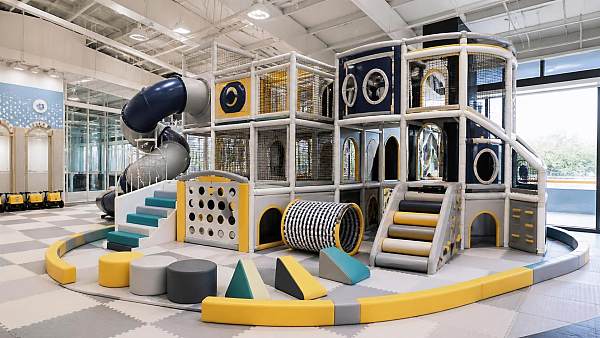
Indoor projects should consider ceiling height, fire routes, ventilation, noise, and cleaning access. A compact playground theme can still engage if vertical and role-play layers are well designed.
Outdoor parks: durability-led natural themes
Municipal and public parks often need lower maintenance and broad age appeal. Forest, mountain, animal, and exploration themes generally age better than highly trend-driven visuals.
For open public sites, specify drainage, vandal-resistant hardware, anti-graffiti finishes where appropriate, and accessible routes that support inclusive participation.
Implementation Workflow for Project Managers
A well-managed playground theme project moves through design, verification, production, logistics, installation, and acceptance. Skipping early coordination often causes costly field changes.
For custom themed playgrounds, a typical procurement and delivery cycle may range from 8–16 weeks, depending on design complexity, approval speed, and shipping distance.
Recommended 6-step delivery process
- Site brief: confirm footprint, age groups, capacity, climate conditions, budget range, and operator objectives.
- Concept design: compare 2–3 playground theme directions with preliminary layout and user flow.
- Technical review: check fall zones, platform heights, surfacing type, drainage, and accessibility routes.
- Commercial confirmation: align scope, materials, packaging, spare parts, payment milestones, and warranty terms.
- Production and inspection: review colors, key components, welds, hardware, and packing lists before shipment.
- Installation and handover: verify anchoring, clearances, safety signage, final cleaning, and maintenance documents.
This process gives project managers better control over time, cost, and quality. It also reduces disputes between designers, suppliers, contractors, and site operators.
Common mistakes that reduce engagement
- Selecting a playground theme before confirming age distribution and expected daily traffic.
- Overloading the site with decorations while reducing actual climbing, balancing, or cooperative play functions.
- Ignoring parent sightlines, seating, shade, and access control in commercial family environments.
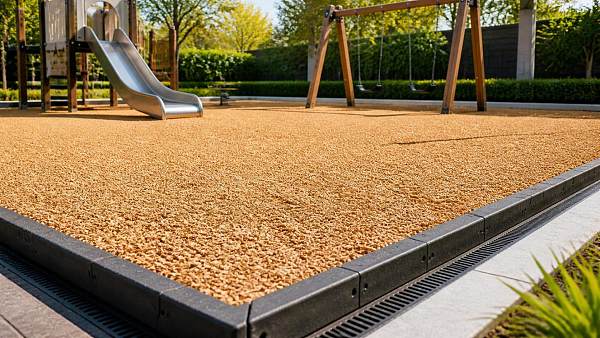
- Treating surfacing as a late-stage cost item instead of an integrated safety requirement.
- Accepting incomplete drawings, unclear installation manuals, or undefined replacement part policies.
These issues are preventable when procurement teams request complete documentation early. A good playground theme supplier should answer design, safety, logistics, and maintenance questions clearly.
Practical Answer: The Theme That Keeps Kids Engaged Longer
In most commercial settings, adventure-based playground themes tend to keep children engaged longer because they combine movement, story, challenge, and social cooperation.
Forest adventure, pirate exploration, and mini city themes are especially resilient choices. They allow children to create different games instead of repeating one fixed action.
A buyer-friendly selection rule
Choose a playground theme that offers at least 5 active play functions, 3 role-play prompts, 2 challenge levels, and clear circulation for supervisors and maintenance staff.
If the theme also fits the venue identity, withstands local weather, and can be serviced with predictable parts, it is more likely to deliver long-term value.
Final procurement guidance
Project managers should evaluate a playground theme as a complete asset: experience design, technical compliance, installation feasibility, lifecycle cost, and brand contribution.
Global Commercial Trade supports commercial buyers by connecting sourcing intelligence with practical project evaluation across amusement, leisure, hospitality, education, and specialty commercial environments.
If you are planning a themed playground for a resort, school, park, or commercial venue, request a customized sourcing consultation to compare concepts, specifications, and supplier capabilities.
Contact us to explore more playground theme solutions, review procurement details, and build a project plan that balances engagement, safety, durability, and return on investment.
Search News
Hot Articles
- Fashion & Gem JewelryHow to Choose Designer Eyewear That Fits Your Store’s Customer ProfileOct 12, 2026
- Musical InstrumentsA Practical Guide to Identifying Wooden Orchestral Instruments by Family and ToneOct 10, 2026
- Indoor PlaygroundHow to Choose Animatronic Haunted House Props for High-Throughput AttractionsOct 08, 2026
Popular Tags
Need ExpertConsultation?
Connect with our specialized leisureengineering team for procurementstrategies.
Recommended News
 Oct 08, 2026How to Choose Animatronic Haunted House Props for High-Throughput AttractionsAnimatronic haunted house props for high-throughput attractions: compare motion, triggers, safety, and maintenance to create reliable scares that keep guests moving.● Theme Park Strategist
 Sep 29, 2026Poured Playground Safety Surfacing: How to Specify Thickness for Fall HeightsPoured playground safety surfacing: learn how to specify tested thickness by fall height, ASTM standards, substrate conditions, accessibility, and field verification.● Theme Park Strategist
 Sep 27, 2026Custom Trampoline Park Equipment: Planning Capacity, Safety, and LayoutCustom trampoline park equipment for safer capacity, smooth guest flow, and efficient layouts. Explore practical planning insights for a high-performing park.● Theme Park Strategist
 Aug 30, 2026Entertainment Venue Master Planning: How to Balance Capacity, Flow, and RevenueEntertainment venue development master planning: balance capacity, guest flow, and revenue with practical strategies for resilient, high-performing venues.● Theme Park Strategist
 Sep 07, 2026What Should Buyers Do When a Supplier Delivers Non-Compliant Products?What to do if a supplier delivers non-compliant commercial products: contain risks, document evidence, protect your project, and secure the right remedy.● Theme Park Strategist
 Sep 02, 2026Waterpark Capacity Management: Balancing Queue Times, Safety, and Guest ThroughputWaterpark capacity management strategies to reduce queue times, protect safety, optimize guest throughput, and build a smoother, more profitable park operation.● Theme Park Strategist
 Sep 01, 2026ASTM F2075 Explained: Testing Engineered Wood Fiber for Playground Impact SafetyASTM F2075 explained: learn how engineered wood fiber supports playground impact safety, smarter sourcing, compliance documentation, and reliable maintenance planning.● Theme Park Strategist
 Aug 24, 2026How to Evaluate an Indoor Ninja Warrior Course Supplier in Europe?indoor ninja warrior course Europe supplier guide: learn how to assess safety, EN compliance, engineering, installation, and maintenance support before you choose.● Theme Park Strategist
 Aug 20, 2026How to Choose Modular Indoor Play Equipment for Different Venue Sizes and Age GroupsModular indoor play equipment buying guide: learn how to match venue size, ceiling height, traffic flow, and age groups to create safer, smarter, and more profitable play spaces.● Theme Park Strategist
 Aug 14, 2026POB Push Lifts Overseas Pre-Registrations 45.74%POB boosts overseas pre-registrations for the 2026 China Sport Show by 45.74%, signaling stronger global buyer interest and smarter sourcing opportunities in sports manufacturing.● Theme Park Strategist
 Aug 02, 2026What to Check Before Buying Thick Gymnastic Mats Wholesale for Schools and GymsThick gymnastic mats wholesale buying guide for schools and gyms: learn how to check foam, cover durability, safety documents, samples, and true long-term value before placing a bulk order.● Theme Park Strategist
 Jul 28, 2026How to Design Inclusive Sensory Play Areas for Different Age Groups and NeedsInclusive sensory play starts with smart zoning, age planning, accessibility, and acoustics. Discover practical design tips to create safer, engaging spaces that truly work.● Theme Park Strategist
 Jul 26, 2026How to Evaluate a Bowling Alley Equipment Factory Before Requesting a QuoteBowling alley equipment factory evaluation starts before price. Learn how to check manufacturing scope, engineering, compliance, spare parts, and installation support to avoid costly sourcing mistakes.● Theme Park Strategist
 Jul 16, 2026EN 1176:2026 Takes Effect for Indoor PlaygroundsEN 1176:2026 takes effect for indoor playgrounds in the EU, making conformity assessment mandatory. Learn how this impacts certification, customs clearance, suppliers, and market access.● Theme Park Strategist
 Jul 15, 2026CPSC Sets New ASTM Impact Test for Indoor Playground Metal PartsCPSC sets new ASTM impact test rules for indoor playground metal parts effective Oct. 1, 2026. Learn how the 15kN requirement may affect compliance, testing timelines, and U.S. export delivery.● Theme Park Strategist
 Jul 14, 2026CPSC Tightens Phthalate Limit for Indoor Playground Soft MaterialsCPSC tightens phthalate limits for indoor playground soft materials from Aug 15, 2026. Learn how DIBP control, CBP detention risk, and testing changes impact sourcing, exports, and compliance.● Theme Park Strategist
 Jul 13, 2026Vietnam Tightens IoT Rule for Indoor Playground ImportsVietnam Tightens IoT Rule for Indoor Playground Imports: learn how VNSS-2025 gateway requirements affect exporters, buyers, installers, and delivery timelines before the 2026 deadline.● Theme Park Strategist
 Jul 13, 2026How a Recreational Facility Planning Company Helps Reduce Layout MistakesRecreational facility planning company insights: learn how early layout strategy reduces costly mistakes, improves flow, compliance, and buildability for smoother project delivery.● Theme Park Strategist
 Jul 12, 2026CPSC Halts Imports of Indoor Playground Soft PartsCPSC halts imports of indoor playground soft parts from China under ASTM F3432-26. Learn the compliance risks, testing requirements, and urgent steps importers must take now.● Theme Park Strategist
 Jul 11, 2026CPSC Import Alert Tightens Fire Test Rule for Indoor Playground PaddingCPSC import alert updates indoor playground padding rules to ASTM F3432-26. See how the new fire test affects foam mats, shipments, and U.S. market access.● Theme Park Strategist
 Jul 11, 2026Ice Bumper Cars Bulk Order Checklist for Indoor Parks: Space, Power, and Safety PointsIce bumper cars bulk order guide for indoor parks: learn how to assess space, power, safety, and throughput before buying, so you can avoid costly mistakes and choose the right fleet with confidence.● Theme Park Strategist
 Jul 10, 2026Commercial Playground Equipment for Campuses: Key Safety Standards and Planning TipsCommercial playground equipment for campuses: explore key safety standards, inclusive layout planning, durable materials, and smart procurement tips to avoid costly mistakes.● Theme Park Strategist
 Jul 09, 2026CPSC Recall Escalates Over Phthalates in Indoor Playground PadsCPSC recall escalates over phthalates in indoor playground pads as affected batches exceed CPSIA limits. Learn the risks, supply chain impact, and what buyers should monitor now.● Theme Park Strategist
 Jul 07, 2026How to Choose Ice Skating Rink Equipment in Europe: Key Systems, Standards, and Budget Factorsice skating rink equipment Europe guide: compare refrigeration, rink floors, boards, EU compliance, and total budget factors to choose a safer, more efficient commercial rink solution.● Theme Park Strategist