How to choose Hotel & Catering Equipment that lasts
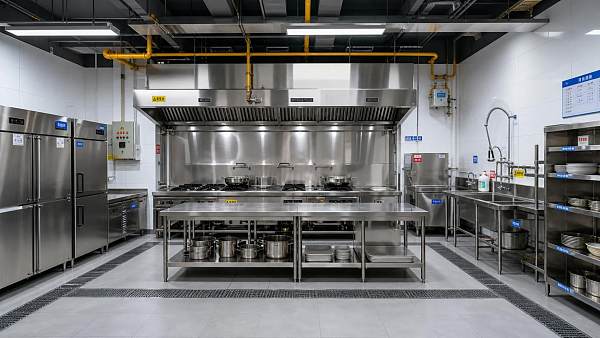
Choosing Hotel & Catering Equipment that stands the test of time is a critical decision for performance, compliance, and long-term cost control. In busy commercial kitchens, guest service areas, buffets, bars, and back-of-house operations, equipment faces constant heat, moisture, impact, cleaning chemicals, and repeated handling. A poor buying choice often leads to downtime, repair costs, hygiene risks, and premature replacement.
This guide explains how to assess Hotel & Catering Equipment for durability, supplier reliability, maintenance practicality, and lifecycle value. The goal is not simply to buy stronger products, but to build a sourcing process that supports consistent operations and better return on investment across demanding commercial environments.
Why a checklist matters when selecting Hotel & Catering Equipment
Hotel & Catering Equipment covers a broad range of assets, from ovens and refrigeration to food preparation tables, dishwashing systems, service trolleys, display units, and storage solutions. Each category has different stress points, compliance demands, and cleaning routines. Without a structured checklist, buyers often compare price first and performance later.
A checklist improves consistency across projects. It helps validate material quality, review certifications, compare warranties, and test supplier responsiveness before a contract is signed. It also reduces the risk of hidden mismatch between equipment specifications and real operating conditions.
Core checklist: how to choose Hotel & Catering Equipment that lasts
- Check the operating environment first, including heat load, humidity, ventilation, water quality, cleaning frequency, and daily output, before comparing brands or technical features.
- Verify material grade carefully. Prefer stainless steel suited to commercial use, corrosion-resistant finishes, reinforced hinges, and welded joints instead of weak folded connections.
- Review load-bearing performance for shelves, worktops, castors, doors, rails, and handles, especially in banquet, transport, and high-turnover service settings.
- Confirm food safety and electrical compliance through valid certifications, test reports, and documentation aligned with destination market standards and installation requirements.
- Assess cleanability in detail. Smooth surfaces, accessible corners, removable trays, proper drainage, and minimal dirt traps extend hygiene performance and reduce labor time.
- Inspect serviceability before purchase. Replaceable seals, standard components, accessible panels, and clear spare parts lists improve uptime over the equipment lifecycle.
- Compare energy and water efficiency, especially for refrigeration, dishwashing, cooking, and hot holding equipment with continuous daily operation.
- Request evidence from similar installations such as hotels, canteens, central kitchens, or event venues with matching intensity and menu complexity.
- Test supplier reliability through lead time history, after-sales response, spare parts availability, packaging quality, and consistency across repeat orders.
- Calculate lifecycle cost, not purchase price alone. Include maintenance, energy use, downtime risk, cleaning labor, and expected replacement interval.
Material quality is the first durability filter
For long-lasting Hotel & Catering Equipment, materials matter more than polished appearance. Stainless steel grade, thickness, weld quality, and protective finishing directly affect corrosion resistance and structural stability. In wet kitchens or coastal regions, lower-grade steel may degrade much faster than expected.
Durability also depends on the smallest parts. Door handles, shelf brackets, drawer runners, gaskets, and castors often fail before the main body. If these components are lightly built or non-standard, the whole unit may become uneconomical to maintain.
Compliance should be checked as a practical issue
Compliance is not a paperwork formality. It influences installation approval, insurance acceptance, food safety control, and operational risk. Hotel & Catering Equipment should be reviewed against electrical safety, gas standards, hygiene design, and local performance requirements.
Ask for complete documentation, not just a logo on a brochure. Factory test data, user manuals, wiring diagrams, material declarations, and traceable certification records are stronger indicators of trustworthy production.
How requirements change by application
Luxury hotels and premium dining spaces
In luxury hospitality, Hotel & Catering Equipment must combine durability with appearance. Front-of-house buffet stations, wine service units, display cabinets, and coffee systems need high visual consistency, low noise, and refined finishes that withstand constant guest exposure.
Back-of-house areas still demand rugged engineering. However, the buying decision should also account for ergonomic workflow, silent operation, lighting integration, and coordinated finishes that support brand presentation.
Institutional catering and high-volume food service
For schools, hospitals, staff canteens, and transport hubs, Hotel & Catering Equipment faces intense repetition. The priority shifts toward throughput, easy cleaning, repair simplicity, and standardized parts. A premium finish may matter less than reliability during peak service windows.
In these settings, water efficiency, temperature recovery, reinforced frames, and anti-abuse design often produce more value than advanced cosmetic features. Equipment should support fast sanitation and predictable daily performance.
Banqueting, events, and flexible service models
Mobile Hotel & Catering Equipment used for banquets or event venues experiences movement stress as much as cooking stress. Foldable mechanisms, wheels, handles, locking systems, and transport protection deserve close review.
Durability in this context means surviving frequent setup, breakdown, storage, and relocation. Products that perform well in a fixed kitchen may fail early when used in mobile or mixed-format service operations.
Commonly overlooked risks
Ignoring maintenance access
Some Hotel & Catering Equipment looks robust but is difficult to service. If key parts require major disassembly, routine maintenance becomes expensive and breakdown recovery slows significantly.
Buying oversized or undersized units
Equipment life shortens when capacity does not match demand. Undersized units run under strain, while oversized systems waste energy and may cycle inefficiently during low-load periods.
Overlooking local utilities and site conditions
Voltage variation, water hardness, drainage layout, extraction limits, and ambient temperature can all affect Hotel & Catering Equipment performance. Site mismatch often causes premature failure that is wrongly blamed on manufacturing quality.
Accepting unclear warranty terms
A long warranty sounds attractive, but coverage scope matters more. Clarify labor, spare parts, response time, exclusions, and whether wear items are included or charged separately.
Practical steps to execute a better sourcing decision
- Create a use-case sheet for each equipment category, listing operating hours, cleaning routine, output target, utility conditions, and space limits.
- Build a comparison matrix covering material grade, certifications, power consumption, maintenance access, spare part lead time, and warranty details.
- Request reference projects, technical drawings, and component lists before approving any Hotel & Catering Equipment for final selection.
- Inspect sample units or conduct remote factory review to verify weld quality, finishing consistency, assembly control, and packaging protection.
- Plan preventive maintenance from day one, including cleaning protocol, filter changes, seal replacement, calibration, and staff operating guidance.
A disciplined sourcing approach reduces risk across both single-site projects and multi-location rollouts. It also creates better alignment between commercial design goals, engineering realities, and long-term operating cost control.
Conclusion and next steps
The best Hotel & Catering Equipment is not simply the lowest-priced or most feature-heavy option. It is the equipment that matches the site, survives daily abuse, stays compliant, and remains economical to maintain over time.
Start with a checklist, validate material and compliance details, compare lifecycle cost, and test supplier credibility with real documentation. When Hotel & Catering Equipment is chosen through structured evaluation, commercial spaces gain stronger reliability, cleaner operations, and better long-term value.
Search News
Hot Articles
- Fashion & Gem JewelryThermal Diamond Testers: How They Work and When They Can Misidentify StonesOct 07, 2026
- Commercial KitchenWhat Is Driving Demand for Commercial Hospitality Projects Across the GCC?Oct 06, 2026
- Hotel Room AmenitiesHow to Select Hotel Hair Dryers That Balance Guest Safety, Durability, and CostOct 05, 2026
Popular Tags
Need ExpertConsultation?
Connect with our specialized leisureengineering team for procurementstrategies.
Recommended News
 Oct 06, 2026What Is Driving Demand for Commercial Hospitality Projects Across the GCC?Commercial hospitality GCC demand is rising through destination-led tourism, mixed-use development, and premium operational standards. Explore the procurement strategies shaping resilient projects.● Hospitality Sourcing Dir
 Sep 24, 2026Conveyor Pizza Oven Price: What Buyers Should Budget for Capacity and FeaturesConveyor pizza oven price guide: compare capacity, features, installation costs, and quote factors to choose the right commercial oven for your operation.● Hospitality Sourcing Dir
 Sep 23, 2026How Restaurant Buyers Can Source Hospitality Supplies Without OverorderingHospitality supplies for restaurants: learn practical sourcing strategies to cut excess inventory, protect cash flow, improve supplier reliability, and keep every service running smoothly.● Hospitality Sourcing Dir
 Sep 22, 2026Commercial Kitchen Design Price: Budgeting by Layout, Equipment, and MEP ScopeCommercial kitchen design price explained: budget smarter for layout, equipment, MEP scope, compliance, installation, and long-term operational performance.● Hospitality Sourcing Dir
 Sep 19, 2026How to Select a Spiral Dough Mixer for Bakery Batch Size and Dough HydrationSpiral dough mixer bakery guide: match batch size, flour load, and hydration to select reliable torque, temperature control, and consistent dough results.● Hospitality Sourcing Dir
 Sep 14, 2026How Restaurants Can Choose Disposable Wooden Cutlery for Takeout and CateringDisposable wooden cutlery fork spoon knife guide for restaurants: compare strength, finish, packaging, food-contact needs, and catering performance.● Hospitality Sourcing Dir
 Sep 12, 2026How to Size a Restaurant Walk-In Cooler for Peak Inventory and Kitchen LayoutRestaurant walk in coolers sized for peak inventory and kitchen workflow help improve food safety, staff efficiency, storage access, and long-term operational performance.● Hospitality Sourcing Dir
 Sep 10, 2026How to Choose a CE Hot Dog Roller for Safe, High-Volume Food Service?Choose a CE hot dog roller with confidence: compare compliance documents, heating consistency, cleaning design, capacity, and total cost for safe, high-volume food service.● Hospitality Sourcing Dir
 Sep 04, 2026How to Evaluate a Commercial Food Warmer Manufacturer for Bulk Catering ProjectsCommercial food warmer manufacturer evaluation guide for bulk catering projects: compare thermal performance, compliance, customization, costs, and after-sales support.● Hospitality Sourcing Dir
 Aug 30, 2026How Can Buyers Verify Supplier Qualifications Before a Bulk Order?How to confirm supplier qualifications before placing a bulk order: verify legal identity, factory capability, certificates, samples, quality controls, and payment safeguards.● Hospitality Sourcing Dir
 Aug 28, 2026Commercial Kitchen Design Standards: A Planning Checklist for Code-Compliant LayoutsCommercial kitchen design standards: use this practical checklist to plan safer, code-compliant layouts, streamline approvals, and avoid costly rework.● Hospitality Sourcing Dir
 Aug 06, 2026How to Choose Flake Ice Makers for Seafood Displays, Bars, and Food Prep?Flake ice makers buying guide: compare output, hygiene, storage, energy use, and reliability to choose the best solution for seafood displays, bars, and food prep.● Hospitality Sourcing Dir
 Aug 03, 2026Commercial Kitchen Design Price: What Drives Cost in a New Build Project?Commercial kitchen design price explained: discover what drives cost in a new build, from layout and equipment to ventilation, compliance, and hidden budget risks.● Hospitality Sourcing Dir
 Jul 30, 2026How to Choose a Countertop Commercial Pizza Oven for Capacity, Speed, and Space?Countertop commercial pizza oven buying guide: learn how to match capacity, bake speed, and kitchen space for consistent output, lower costs, and smarter purchasing decisions.● Hospitality Sourcing Dir
 Jul 22, 2026How to Evaluate a Cotton Candy Machine Supplier for Quality, Lead Time, and MOQCotton candy machine supplier selection starts with quality, lead time, and MOQ. Learn how to compare suppliers, reduce sourcing risk, and choose a partner that supports reliable growth.● Hospitality Sourcing Dir
 Jul 21, 2026How to Choose a Charcoal Commercial Grill for Capacity, Heat Control, and Menu FitCharcoal commercial grill buying guide: learn how to match capacity, heat control, and menu fit to boost consistency, service speed, and ROI in commercial kitchens.● Hospitality Sourcing Dir
 Jul 10, 2026FDA Import Alert Adds NSF/ANSI 50-2026 for Commercial Kitchen EquipmentFDA Import Alert now highlights NSF/ANSI 50-2026 for commercial kitchen equipment. Learn how dishwashers, ice machines, and steam cabinets can avoid U.S. port detention.● Hospitality Sourcing Dir
 Jul 05, 2026How to Select Energy Efficient Display Cabinets for Food Retail and HospitalityEnergy efficient display cabinets can cut operating costs while improving food safety, visibility, and service efficiency. Learn how to choose the right model for retail and hospitality.● Hospitality Sourcing Dir
 Jul 04, 2026CPSC Flags New UL 2595 Label Rule for Commercial Ice MakersCPSC flags a new UL 2595 label rule for commercial ice makers entering the U.S. after Aug. 1, 2026. Learn who is affected, key compliance steps, and how to avoid port delays and recall risk.● Hospitality Sourcing Dir
 Jun 29, 2026How to Choose Thermal Receipt Printers for Retail and Restaurant CountersThermal receipt printers for retail and restaurant counters: learn how to compare speed, durability, connectivity, and total operating cost to choose a model that supports smoother service.● Hospitality Sourcing Dir
 Jun 28, 2026Stainless Steel Kitchen Ventilation Systems: Key Specifications for Commercial ProjectsStainless steel kitchen ventilation systems: compare material grades, airflow capture, hygiene, fire safety, and installation specs for commercial projects before you buy.● Hospitality Sourcing Dir
 Jun 27, 2026Commercial Shawarma Machines: What to Check Before Buying for High-Volume ServiceShawarma machines commercial buying guide: learn how to compare capacity, heat control, durability, compliance, and lifecycle cost before choosing equipment for high-volume service.● Hospitality Sourcing Dir
 Jun 26, 2026Restaurant POS Systems: How to Compare Features, Costs, and ScalabilityRestaurant POS systems: compare features, costs, and scalability to find the best fit for your restaurant and boost long-term efficiency.● Hospitality Sourcing Dir
 Jun 25, 2026Kitchen Ventilation Systems Design: How to Size Hoods, Airflow, and Make-Up AirKitchen ventilation systems design explained clearly: learn how to size hoods, set exhaust airflow, and balance make-up air for safer, more efficient commercial kitchens.● Hospitality Sourcing Dir