What to check before sourcing hotel catering equipment
Sourcing Hotel & Catering Equipment for a hospitality project is now a strategic decision, not a simple buying task. Rising guest expectations, tighter compliance rules, and operating cost pressure have changed how equipment is evaluated. Before comparing quotations, it is essential to check quality, safety, lifecycle value, and supplier resilience. A strong review process lowers sourcing risk and helps every purchase support service consistency, kitchen efficiency, and long-term brand performance.
Why Hotel & Catering Equipment sourcing standards are changing fast
The Hotel & Catering Equipment market is being reshaped by experience-led hospitality. Hotels are no longer judged only by room design. Food service speed, hygiene, presentation, and reliability now directly influence guest reviews.
At the same time, commercial kitchens face stricter energy targets, labor shortages, and rising maintenance costs. Equipment must work harder, last longer, and stay compliant across different operating environments.
This means pre-sourcing checks have become more detailed. Buyers need to understand not only what the machine does, but how it performs under peak load, how quickly parts arrive, and whether certifications are valid in destination markets.
The strongest trend signals behind smarter Hotel & Catering Equipment decisions
Several signals explain why sourcing criteria for Hotel & Catering Equipment have become stricter and more data-driven across global hospitality projects.
What to check before sourcing Hotel & Catering Equipment
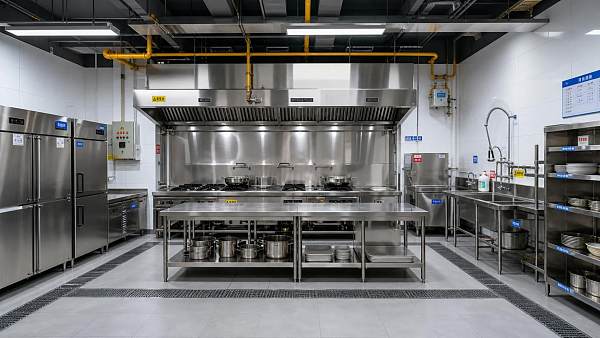
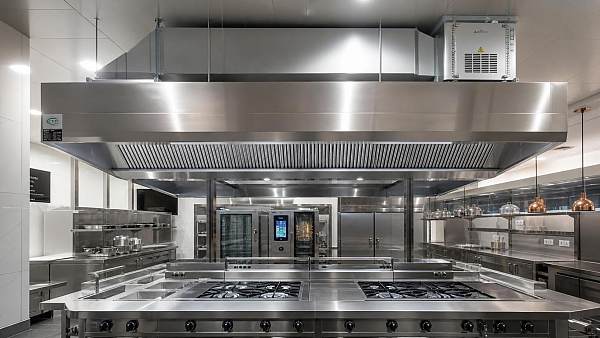
A useful evaluation starts with operational fit. Hotel & Catering Equipment should match menu complexity, service style, kitchen layout, and expected occupancy patterns. A premium banquet kitchen needs different specifications than an all-day dining outlet.
1. Product quality and construction details
Check material grade, weld quality, finishing, insulation, seals, hinges, and moving parts. Stainless steel thickness, corrosion resistance, and structural stability directly affect service life and hygiene control.
Ask for testing reports, component brands, and performance data under commercial use. A polished appearance is not enough. Internal build quality often determines maintenance frequency and downtime.
2. Safety and regulatory compliance
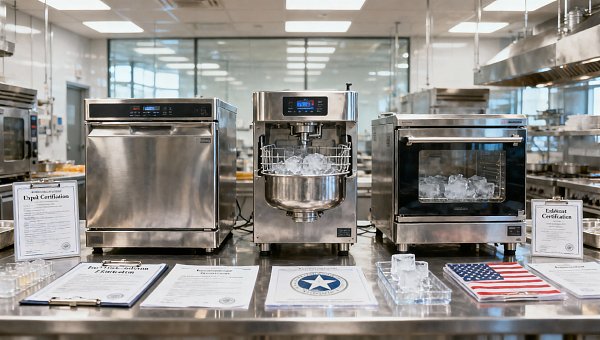
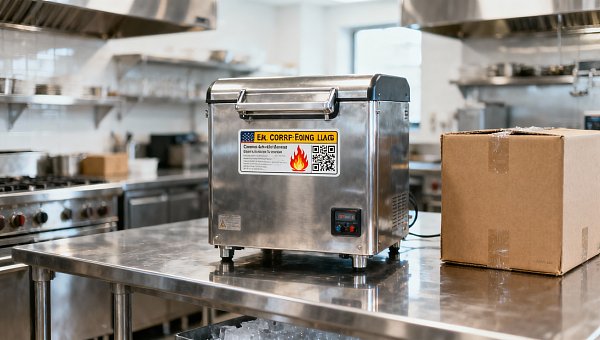
Hotel & Catering Equipment must comply with destination-market safety standards. This may include CE, UL, NSF, ETL, or local food-contact and electrical certifications, depending on project location.
Verify whether certificates belong to the exact model offered. Certificates for similar products are not enough. Also confirm gas type, voltage, plug configuration, and ventilation requirements before final approval.
3. Capacity, workflow, and space planning
Equipment that is too small creates bottlenecks. Equipment that is too large wastes energy and space. Review hourly output, recovery time, holding capacity, and installation clearance.
Dimensions should be checked against access routes, doors, lifts, drainage points, and utility connections. Poor fit causes delays, redesign costs, and commissioning problems on site.
4. Energy, water, and lifecycle cost
Low purchase price can hide high running cost. Evaluate energy consumption, water use, standby performance, and cleaning efficiency. These factors shape total cost of ownership over several years.
For Hotel & Catering Equipment used daily, utility savings can justify a higher upfront investment. Request cost modeling based on actual hours of operation and local tariffs.
5. Supplier reliability and production capability
Review factory capacity, export history, quality control process, and project references. Reliable Hotel & Catering Equipment sourcing depends on stable production, not only on attractive brochures.
Check whether the supplier can handle customization, technical drawings, packaging standards, and schedule coordination. Multi-site hospitality projects often require precise delivery sequencing and documentation support.
6. Spare parts, service, and warranty terms
After-sales support can determine whether operations stay smooth during peak season. Confirm spare parts stock, lead time, remote troubleshooting, warranty coverage, and technician availability.
A strong supplier should provide manuals, maintenance schedules, exploded diagrams, and clear escalation contacts. Fast support protects revenue when critical Hotel & Catering Equipment fails unexpectedly.
How these sourcing shifts affect hospitality operations
The move toward stricter Hotel & Catering Equipment checks affects more than procurement timing. It changes planning quality across design, operations, finance, and brand delivery.
- Kitchen design becomes more data-led, with stronger alignment between menu, workflow, and utilities.
- Budget control improves because hidden installation and maintenance costs are identified earlier.
- Service consistency increases when equipment is selected for realistic production volumes.
- Risk exposure declines when compliance documents are checked before shipping.
- Brand standards are protected because finishing, ergonomics, and food presentation tools match guest expectations.
In the broader commercial environment, Hotel & Catering Equipment now sits at the intersection of hospitality experience, operational resilience, and sustainability targets. This makes sourcing quality a business continuity issue, not just a purchasing issue.
The most important focus areas before final supplier selection
Before placing orders, several checkpoints deserve special attention because they often reveal hidden risk in Hotel & Catering Equipment projects.
- Match each item to actual service demand, not estimated peak assumptions alone.
- Request exact certification files tied to the offered model numbers.
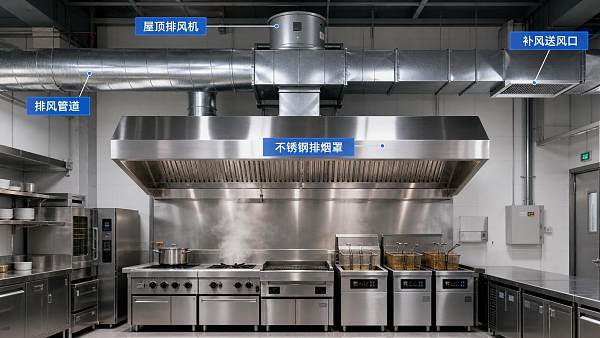
- Confirm utility compatibility, including voltage, gas pressure, drainage, and exhaust conditions.
- Review cleaning access and hygiene design for high-frequency food service environments.
- Check critical component brands, especially controls, motors, burners, and compressors.
- Assess supplier response speed during quotation and technical clarification stages.
- Ask for reference projects with similar hotel scale, service format, or region.
- Clarify spare parts strategy for the first 12 to 24 months of operation.
A practical way to judge Hotel & Catering Equipment options
A structured comparison table helps separate attractive quotes from reliable solutions. It also supports better cross-functional decision making in complex hospitality builds.
What smart next steps look like in today’s market
The best Hotel & Catering Equipment decisions come from early technical review, careful supplier validation, and total-cost thinking. In today’s hospitality market, rushed sourcing often creates expensive operational problems later.
Start with a clear equipment brief that includes service concept, capacity targets, compliance requirements, and utility conditions. Then compare suppliers on documentation quality, proven project delivery, and after-sales readiness, not price alone.
For businesses navigating global commercial sourcing, data-backed intelligence makes selection stronger. A disciplined review of Hotel & Catering Equipment helps reduce risk, improve performance, and support hospitality environments that are efficient, compliant, and ready for long-term growth.
Search News
Hot Articles
- Fashion & Gem JewelryThermal Diamond Testers: How They Work and When They Can Misidentify StonesOct 07, 2026
- Commercial KitchenWhat Is Driving Demand for Commercial Hospitality Projects Across the GCC?Oct 06, 2026
- Hotel Room AmenitiesHow to Select Hotel Hair Dryers That Balance Guest Safety, Durability, and CostOct 05, 2026
Popular Tags
Need ExpertConsultation?
Connect with our specialized leisureengineering team for procurementstrategies.
Recommended News
 Oct 06, 2026What Is Driving Demand for Commercial Hospitality Projects Across the GCC?Commercial hospitality GCC demand is rising through destination-led tourism, mixed-use development, and premium operational standards. Explore the procurement strategies shaping resilient projects.● Hospitality Sourcing Dir
 Sep 24, 2026Conveyor Pizza Oven Price: What Buyers Should Budget for Capacity and FeaturesConveyor pizza oven price guide: compare capacity, features, installation costs, and quote factors to choose the right commercial oven for your operation.● Hospitality Sourcing Dir
 Sep 23, 2026How Restaurant Buyers Can Source Hospitality Supplies Without OverorderingHospitality supplies for restaurants: learn practical sourcing strategies to cut excess inventory, protect cash flow, improve supplier reliability, and keep every service running smoothly.● Hospitality Sourcing Dir
 Sep 22, 2026Commercial Kitchen Design Price: Budgeting by Layout, Equipment, and MEP ScopeCommercial kitchen design price explained: budget smarter for layout, equipment, MEP scope, compliance, installation, and long-term operational performance.● Hospitality Sourcing Dir
 Sep 19, 2026How to Select a Spiral Dough Mixer for Bakery Batch Size and Dough HydrationSpiral dough mixer bakery guide: match batch size, flour load, and hydration to select reliable torque, temperature control, and consistent dough results.● Hospitality Sourcing Dir
 Sep 14, 2026How Restaurants Can Choose Disposable Wooden Cutlery for Takeout and CateringDisposable wooden cutlery fork spoon knife guide for restaurants: compare strength, finish, packaging, food-contact needs, and catering performance.● Hospitality Sourcing Dir
 Sep 12, 2026How to Size a Restaurant Walk-In Cooler for Peak Inventory and Kitchen LayoutRestaurant walk in coolers sized for peak inventory and kitchen workflow help improve food safety, staff efficiency, storage access, and long-term operational performance.● Hospitality Sourcing Dir
 Sep 10, 2026How to Choose a CE Hot Dog Roller for Safe, High-Volume Food Service?Choose a CE hot dog roller with confidence: compare compliance documents, heating consistency, cleaning design, capacity, and total cost for safe, high-volume food service.● Hospitality Sourcing Dir
 Sep 04, 2026How to Evaluate a Commercial Food Warmer Manufacturer for Bulk Catering ProjectsCommercial food warmer manufacturer evaluation guide for bulk catering projects: compare thermal performance, compliance, customization, costs, and after-sales support.● Hospitality Sourcing Dir
 Aug 30, 2026How Can Buyers Verify Supplier Qualifications Before a Bulk Order?How to confirm supplier qualifications before placing a bulk order: verify legal identity, factory capability, certificates, samples, quality controls, and payment safeguards.● Hospitality Sourcing Dir
 Aug 28, 2026Commercial Kitchen Design Standards: A Planning Checklist for Code-Compliant LayoutsCommercial kitchen design standards: use this practical checklist to plan safer, code-compliant layouts, streamline approvals, and avoid costly rework.● Hospitality Sourcing Dir
 Aug 06, 2026How to Choose Flake Ice Makers for Seafood Displays, Bars, and Food Prep?Flake ice makers buying guide: compare output, hygiene, storage, energy use, and reliability to choose the best solution for seafood displays, bars, and food prep.● Hospitality Sourcing Dir
 Aug 03, 2026Commercial Kitchen Design Price: What Drives Cost in a New Build Project?Commercial kitchen design price explained: discover what drives cost in a new build, from layout and equipment to ventilation, compliance, and hidden budget risks.● Hospitality Sourcing Dir
 Jul 30, 2026How to Choose a Countertop Commercial Pizza Oven for Capacity, Speed, and Space?Countertop commercial pizza oven buying guide: learn how to match capacity, bake speed, and kitchen space for consistent output, lower costs, and smarter purchasing decisions.● Hospitality Sourcing Dir
 Jul 22, 2026How to Evaluate a Cotton Candy Machine Supplier for Quality, Lead Time, and MOQCotton candy machine supplier selection starts with quality, lead time, and MOQ. Learn how to compare suppliers, reduce sourcing risk, and choose a partner that supports reliable growth.● Hospitality Sourcing Dir
 Jul 21, 2026How to Choose a Charcoal Commercial Grill for Capacity, Heat Control, and Menu FitCharcoal commercial grill buying guide: learn how to match capacity, heat control, and menu fit to boost consistency, service speed, and ROI in commercial kitchens.● Hospitality Sourcing Dir
 Jul 10, 2026FDA Import Alert Adds NSF/ANSI 50-2026 for Commercial Kitchen EquipmentFDA Import Alert now highlights NSF/ANSI 50-2026 for commercial kitchen equipment. Learn how dishwashers, ice machines, and steam cabinets can avoid U.S. port detention.● Hospitality Sourcing Dir
 Jul 05, 2026How to Select Energy Efficient Display Cabinets for Food Retail and HospitalityEnergy efficient display cabinets can cut operating costs while improving food safety, visibility, and service efficiency. Learn how to choose the right model for retail and hospitality.● Hospitality Sourcing Dir
 Jul 04, 2026CPSC Flags New UL 2595 Label Rule for Commercial Ice MakersCPSC flags a new UL 2595 label rule for commercial ice makers entering the U.S. after Aug. 1, 2026. Learn who is affected, key compliance steps, and how to avoid port delays and recall risk.● Hospitality Sourcing Dir
 Jun 29, 2026How to Choose Thermal Receipt Printers for Retail and Restaurant CountersThermal receipt printers for retail and restaurant counters: learn how to compare speed, durability, connectivity, and total operating cost to choose a model that supports smoother service.● Hospitality Sourcing Dir
 Jun 28, 2026Stainless Steel Kitchen Ventilation Systems: Key Specifications for Commercial ProjectsStainless steel kitchen ventilation systems: compare material grades, airflow capture, hygiene, fire safety, and installation specs for commercial projects before you buy.● Hospitality Sourcing Dir
 Jun 27, 2026Commercial Shawarma Machines: What to Check Before Buying for High-Volume ServiceShawarma machines commercial buying guide: learn how to compare capacity, heat control, durability, compliance, and lifecycle cost before choosing equipment for high-volume service.● Hospitality Sourcing Dir
 Jun 26, 2026Restaurant POS Systems: How to Compare Features, Costs, and ScalabilityRestaurant POS systems: compare features, costs, and scalability to find the best fit for your restaurant and boost long-term efficiency.● Hospitality Sourcing Dir
 Jun 25, 2026Kitchen Ventilation Systems Design: How to Size Hoods, Airflow, and Make-Up AirKitchen ventilation systems design explained clearly: learn how to size hoods, set exhaust airflow, and balance make-up air for safer, more efficient commercial kitchens.● Hospitality Sourcing Dir