Hotel & Catering Equipment buying mistakes to avoid
Buying Hotel & Catering Equipment for a new build or renovation can quickly go off track when project teams focus only on price, brand, or lead time. For project managers and engineering leaders, the real risks often lie in overlooked compliance issues, workflow mismatches, maintenance demands, and supplier reliability. This guide highlights the most common buying mistakes to avoid so you can protect budgets, timelines, and long-term operational performance.
In hotel development, a wrong equipment decision rarely stays isolated. One unsuitable combi oven, underpowered dishwasher, or poorly specified cold room can delay handover by 2–6 weeks, trigger redesign work, or increase operating costs for 5–10 years. That is why Hotel & Catering Equipment procurement must be managed as a project risk-control discipline, not just a purchasing task.
For project leaders handling guestroom towers, central kitchens, banquet facilities, staff dining, and back-of-house areas, the best buying decisions balance performance, compliance, lifecycle cost, and supplier execution. The mistakes below are common across both luxury hospitality and midscale commercial projects, especially when design, engineering, procurement, and operations are not aligned from the beginning.
Why Hotel & Catering Equipment Buying Errors Become Expensive Project Problems
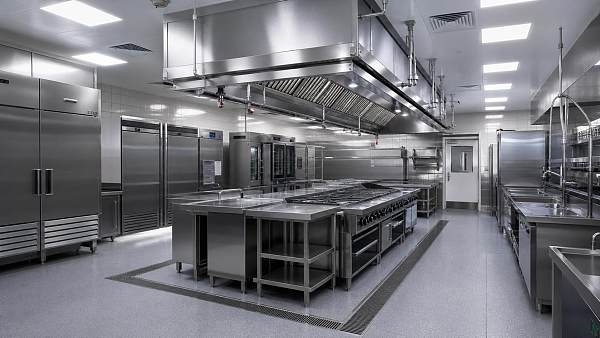
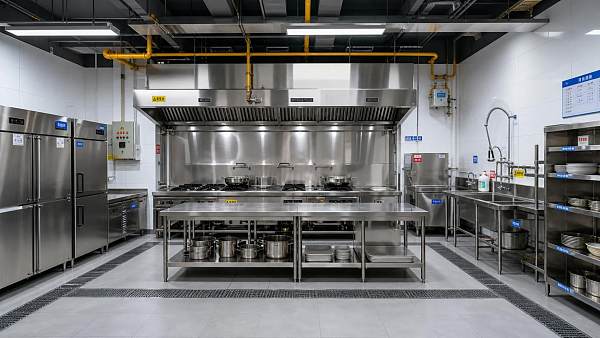
Hotel & Catering Equipment sits at the intersection of MEP coordination, food safety, guest experience, labor efficiency, and energy consumption. Unlike decorative FF&E items, kitchen and catering systems affect utility loads, drainage points, ventilation design, floor finishes, cleaning procedures, and operator training. A specification error often creates a chain reaction across 4–6 other trades.
In new builds, equipment procurement usually needs to align with design freeze dates, mock-up reviews, factory lead times, site readiness, and commissioning windows. If the team chooses equipment before confirming actual menu volume, service style, and kitchen zoning, the result may be oversized capacity, congested workflows, or missing utility allowances.
Where project teams usually underestimate risk
- Assuming all stainless-steel equipment performs similarly across heavy-use hotel operations
- Approving layouts before validating doors, corridor turning radii, and lift dimensions
- Comparing quotes without matching voltage, drainage, ventilation, and accessory scope
- Ignoring preventive maintenance access zones of 600–900 mm around critical units
- Treating after-sales support as secondary, even when response time affects opening schedules
A disciplined buying process should test not only what the equipment does, but also how it fits the building, who will maintain it, what standards apply in the destination market, and whether the supplier can support installation, spare parts, and commissioning within a realistic 12–24 month project timeline.
Mistake 1: Buying on Price Alone Instead of Total Cost of Ownership
The lowest upfront quotation can become the highest long-term cost. In Hotel & Catering Equipment, project teams often focus on procurement savings of 8%–12% while overlooking energy use, water consumption, spare parts cost, downtime frequency, and service labor over the next 3–7 years.
For example, a cheaper warewashing line may appear attractive at tender stage, but if it requires more manual pre-rinsing, higher detergent dosing, or more frequent descaling, the annual operating burden can quickly exceed the initial savings. This is especially important for hotels with banquet operations, all-day dining, and peak occupancy periods above 70%.
What should be included in cost evaluation
A proper evaluation model should cover at least 5 elements: purchase price, installation cost, utility consumption, maintenance frequency, and expected service life. For heavy-use cooking, refrigeration, and dishwashing equipment, replacement cycles often range from 5 to 12 years depending on duty level and preventive care.
The table below shows a practical comparison framework that project managers can apply when reviewing bids for Hotel & Catering Equipment across different suppliers.
The key takeaway is simple: bid comparison should not stop at unit price. A project-smart buyer measures how each equipment package performs over 1 opening cycle, 12 operating months, and multiple peak-service seasons. That is how procurement protects both capex and opex.
Mistake 2: Ignoring Compliance, Utility, and Site Coordination
Many procurement failures happen because the selected Hotel & Catering Equipment does not match local electrical standards, gas requirements, fire rules, food-contact material expectations, or ventilation design. In international hotel projects, this risk increases when equipment is sourced from multiple countries with different standard configurations.
A fryer, salamander, or combi unit may require specific extraction rates, clearances, or fire suppression compatibility. Refrigeration may demand condensate planning and ambient operating limits. If these details are checked too late, site rework can affect ceilings, drains, duct routes, and builder’s work openings.
Four coordination checks before purchase order release
- Verify voltage, phase, frequency, and load schedules against the MEP package.
- Confirm water inlet, waste outlet, grease management, and floor drain positions.
- Review heat rejection, ventilation volume, and extraction interface requirements.
- Check delivery path, installation sequence, and maintenance clearance on site.
Common technical mismatches
Typical mismatches include 50 Hz versus 60 Hz supply assumptions, insufficient floor loading for heavy refrigeration banks, service voids too tight for valve access, and countertop heights that do not suit production workflow. Even a 50–80 mm dimensional mismatch can affect line-up, splashback fitting, or joint sealing quality in food-prep areas.
Before final approval, create a coordination checklist with at least 6 sign-off points shared by design, kitchen consultant, MEP, contractor, operator, and supplier. This one document can prevent expensive late-stage RFIs and fragmented accountability.
Mistake 3: Choosing Equipment That Does Not Match Real Hotel Operations
One of the most damaging mistakes is specifying Hotel & Catering Equipment around assumptions rather than actual operating scenarios. A business hotel with 120 rooms, limited banqueting, and fast breakfast turnover needs a very different kitchen logic from a resort with 4 outlets, room service, event catering, and seasonal occupancy spikes.
Project managers should ask operations teams for practical inputs: expected meal covers per hour, menu complexity, hot versus cold prep ratio, service windows, labor model, and storage rotation frequency. Equipment that is oversized by 20%–30% wastes budget and utilities. Equipment that is undersized creates bottlenecks from day one.
Translate service model into equipment capacity
A banquet kitchen serving 300 covers in 45 minutes needs workflow resilience, not just more appliances. In contrast, a premium à la carte venue may prioritize precision cooking, plating space, holding capability, and quieter front-of-house support equipment. Capacity planning should consider not only peak output, but also prep staging, recovery time, and cleaning turnaround.
The matrix below helps project teams link hotel operating patterns to Hotel & Catering Equipment priorities.
This comparison shows why buying decisions should start with operational reality. Matching capacity, layout, and service style reduces redesign, improves opening readiness, and supports consistent guest delivery across daily and peak-demand periods.
Mistake 4: Overlooking Maintenance, Cleaning, and Spare Parts Planning
Project teams often approve equipment based on showroom appearance or catalog specifications but fail to evaluate how it will be cleaned, serviced, and repaired in a live hotel environment. For Hotel & Catering Equipment, maintainability matters as much as output, especially in 18-hour or 24-hour operational settings.
A unit that requires specialist parts with an 8–10 week import lead time may be acceptable in some markets, but it is a major risk for isolated resorts, airport hotels, and high-volume banquet venues. Similarly, equipment with difficult cleaning access can raise hygiene risk and increase labor time every shift.
Questions every project manager should ask suppliers
- What are the recommended preventive maintenance intervals: monthly, quarterly, or semiannual?
- Which wear parts typically need replacement in the first 12–24 months?
- Is there a local service partner, and what is the target response time: 24, 48, or 72 hours?
- Can frontline staff clean key components without tools, and how long does a standard cleaning cycle take?
- Are user manuals, wiring diagrams, and commissioning checklists available for the project handover file?
Maintenance-friendly design is a project value driver
Look for removable panels, clear service access, standard fasteners, documented fault codes, and practical spare parts kits. These details may seem small at procurement stage, but they strongly affect post-opening stability. A better maintenance profile can reduce unplanned shutdowns and preserve labor productivity during peak occupancy periods.
Mistake 5: Selecting Suppliers Without Verifying Execution Capability
A supplier may offer competitive pricing and an impressive product list, yet still be the wrong partner if they cannot manage submittals, shop drawings, packaging control, export documentation, installation guidance, or punch-list closure. In Hotel & Catering Equipment projects, execution discipline is often the difference between timely opening and last-minute disruption.
Project managers should evaluate suppliers on at least 4 levels: documentation quality, production consistency, logistics reliability, and after-sales support. It is not enough to ask whether they can manufacture or source the equipment. You need to know whether they can support a phased project with multiple handover milestones and strict snagging expectations.
Supplier verification points before final selection
Request sample submittal documents, packing methods, installation requirements, spare parts lists, and project references that demonstrate similar scale or complexity. Also confirm whether the supplier can coordinate mixed categories such as refrigeration, cooking, fabrication, and serving equipment under one delivery schedule.
For many hospitality projects, the practical risk is not whether the order ships, but whether the shipment arrives complete, correctly labeled, site-ready, and matched to room-by-room or zone-by-zone installation sequences. A missing accessory or wrong-side connection can cause a disproportionate delay during a compressed fit-out period.
A simple 5-step procurement control process
- Freeze the operational brief and equipment schedule.
- Validate technical compliance with design and MEP teams.
- Compare bids using lifecycle and service criteria, not price only.
- Approve coordinated shop drawings, utility points, and access routes.
- Track manufacturing, delivery, installation, commissioning, and handover documentation.
This process creates accountability across procurement, engineering, operations, and suppliers. It also gives project leaders a more reliable way to control cost variation, coordination risk, and opening readiness.
Practical Buying Checklist for Project Managers and Engineering Leads
Before issuing final approvals for Hotel & Catering Equipment, use a checklist that reflects real project conditions. A structured review can save far more time than it takes, especially when multiple stakeholders are involved and the project includes central kitchen, satellite pantry, banquet support, bar equipment, and stewarding functions.
Minimum review checklist
- Capacity aligned with realistic cover counts, menu mix, and peak-hour demand
- Utility requirements matched to final MEP drawings and available site infrastructure
- Equipment dimensions verified against access paths, lifts, and installation sequence
- Cleaning, servicing, and parts replacement considered in the layout stage
- Documentation package includes manuals, schematics, and commissioning records
- Supplier support plan defines warranty scope, response time, and escalation path
If even 1 or 2 of these points remain unresolved at purchase order stage, the project team should pause and close the gap. In complex hospitality developments, disciplined verification is usually faster and cheaper than corrective action after delivery.
Hotel & Catering Equipment buying mistakes are rarely caused by one bad product alone. They usually result from weak coordination between design intent, operational reality, technical compliance, and supplier capability. For project managers and engineering leaders, the goal is not just to buy equipment, but to secure a reliable, serviceable, and commercially viable hospitality operation.
Global Commercial Trade supports professional buyers with sourcing intelligence tailored to complex commercial environments, including hospitality projects where equipment decisions shape cost, workflow, and guest-facing performance. If you are planning a hotel new build, refurbishment, or multi-site rollout, now is the right time to review your specification strategy, supplier shortlist, and risk controls.
Contact us to discuss your Hotel & Catering Equipment sourcing priorities, request a tailored procurement framework, or explore solution options that fit your project timeline and operational goals.
Search News
Hot Articles
- Fashion & Gem JewelryThermal Diamond Testers: How They Work and When They Can Misidentify StonesOct 07, 2026
- Commercial KitchenWhat Is Driving Demand for Commercial Hospitality Projects Across the GCC?Oct 06, 2026
- Hotel Room AmenitiesHow to Select Hotel Hair Dryers That Balance Guest Safety, Durability, and CostOct 05, 2026
Popular Tags
Need ExpertConsultation?
Connect with our specialized leisureengineering team for procurementstrategies.
Recommended News
 Oct 06, 2026What Is Driving Demand for Commercial Hospitality Projects Across the GCC?Commercial hospitality GCC demand is rising through destination-led tourism, mixed-use development, and premium operational standards. Explore the procurement strategies shaping resilient projects.● Hospitality Sourcing Dir
 Sep 24, 2026Conveyor Pizza Oven Price: What Buyers Should Budget for Capacity and FeaturesConveyor pizza oven price guide: compare capacity, features, installation costs, and quote factors to choose the right commercial oven for your operation.● Hospitality Sourcing Dir
 Sep 23, 2026How Restaurant Buyers Can Source Hospitality Supplies Without OverorderingHospitality supplies for restaurants: learn practical sourcing strategies to cut excess inventory, protect cash flow, improve supplier reliability, and keep every service running smoothly.● Hospitality Sourcing Dir
 Sep 22, 2026Commercial Kitchen Design Price: Budgeting by Layout, Equipment, and MEP ScopeCommercial kitchen design price explained: budget smarter for layout, equipment, MEP scope, compliance, installation, and long-term operational performance.● Hospitality Sourcing Dir
 Sep 19, 2026How to Select a Spiral Dough Mixer for Bakery Batch Size and Dough HydrationSpiral dough mixer bakery guide: match batch size, flour load, and hydration to select reliable torque, temperature control, and consistent dough results.● Hospitality Sourcing Dir
 Sep 14, 2026How Restaurants Can Choose Disposable Wooden Cutlery for Takeout and CateringDisposable wooden cutlery fork spoon knife guide for restaurants: compare strength, finish, packaging, food-contact needs, and catering performance.● Hospitality Sourcing Dir
 Sep 12, 2026How to Size a Restaurant Walk-In Cooler for Peak Inventory and Kitchen LayoutRestaurant walk in coolers sized for peak inventory and kitchen workflow help improve food safety, staff efficiency, storage access, and long-term operational performance.● Hospitality Sourcing Dir
 Sep 10, 2026How to Choose a CE Hot Dog Roller for Safe, High-Volume Food Service?Choose a CE hot dog roller with confidence: compare compliance documents, heating consistency, cleaning design, capacity, and total cost for safe, high-volume food service.● Hospitality Sourcing Dir
 Sep 04, 2026How to Evaluate a Commercial Food Warmer Manufacturer for Bulk Catering ProjectsCommercial food warmer manufacturer evaluation guide for bulk catering projects: compare thermal performance, compliance, customization, costs, and after-sales support.● Hospitality Sourcing Dir
 Aug 30, 2026How Can Buyers Verify Supplier Qualifications Before a Bulk Order?How to confirm supplier qualifications before placing a bulk order: verify legal identity, factory capability, certificates, samples, quality controls, and payment safeguards.● Hospitality Sourcing Dir
 Aug 28, 2026Commercial Kitchen Design Standards: A Planning Checklist for Code-Compliant LayoutsCommercial kitchen design standards: use this practical checklist to plan safer, code-compliant layouts, streamline approvals, and avoid costly rework.● Hospitality Sourcing Dir
 Aug 06, 2026How to Choose Flake Ice Makers for Seafood Displays, Bars, and Food Prep?Flake ice makers buying guide: compare output, hygiene, storage, energy use, and reliability to choose the best solution for seafood displays, bars, and food prep.● Hospitality Sourcing Dir
 Aug 03, 2026Commercial Kitchen Design Price: What Drives Cost in a New Build Project?Commercial kitchen design price explained: discover what drives cost in a new build, from layout and equipment to ventilation, compliance, and hidden budget risks.● Hospitality Sourcing Dir
 Jul 30, 2026How to Choose a Countertop Commercial Pizza Oven for Capacity, Speed, and Space?Countertop commercial pizza oven buying guide: learn how to match capacity, bake speed, and kitchen space for consistent output, lower costs, and smarter purchasing decisions.● Hospitality Sourcing Dir
 Jul 22, 2026How to Evaluate a Cotton Candy Machine Supplier for Quality, Lead Time, and MOQCotton candy machine supplier selection starts with quality, lead time, and MOQ. Learn how to compare suppliers, reduce sourcing risk, and choose a partner that supports reliable growth.● Hospitality Sourcing Dir
 Jul 21, 2026How to Choose a Charcoal Commercial Grill for Capacity, Heat Control, and Menu FitCharcoal commercial grill buying guide: learn how to match capacity, heat control, and menu fit to boost consistency, service speed, and ROI in commercial kitchens.● Hospitality Sourcing Dir
 Jul 10, 2026FDA Import Alert Adds NSF/ANSI 50-2026 for Commercial Kitchen EquipmentFDA Import Alert now highlights NSF/ANSI 50-2026 for commercial kitchen equipment. Learn how dishwashers, ice machines, and steam cabinets can avoid U.S. port detention.● Hospitality Sourcing Dir
 Jul 05, 2026How to Select Energy Efficient Display Cabinets for Food Retail and HospitalityEnergy efficient display cabinets can cut operating costs while improving food safety, visibility, and service efficiency. Learn how to choose the right model for retail and hospitality.● Hospitality Sourcing Dir
 Jul 04, 2026CPSC Flags New UL 2595 Label Rule for Commercial Ice MakersCPSC flags a new UL 2595 label rule for commercial ice makers entering the U.S. after Aug. 1, 2026. Learn who is affected, key compliance steps, and how to avoid port delays and recall risk.● Hospitality Sourcing Dir
 Jun 29, 2026How to Choose Thermal Receipt Printers for Retail and Restaurant CountersThermal receipt printers for retail and restaurant counters: learn how to compare speed, durability, connectivity, and total operating cost to choose a model that supports smoother service.● Hospitality Sourcing Dir
 Jun 28, 2026Stainless Steel Kitchen Ventilation Systems: Key Specifications for Commercial ProjectsStainless steel kitchen ventilation systems: compare material grades, airflow capture, hygiene, fire safety, and installation specs for commercial projects before you buy.● Hospitality Sourcing Dir
 Jun 27, 2026Commercial Shawarma Machines: What to Check Before Buying for High-Volume ServiceShawarma machines commercial buying guide: learn how to compare capacity, heat control, durability, compliance, and lifecycle cost before choosing equipment for high-volume service.● Hospitality Sourcing Dir
 Jun 26, 2026Restaurant POS Systems: How to Compare Features, Costs, and ScalabilityRestaurant POS systems: compare features, costs, and scalability to find the best fit for your restaurant and boost long-term efficiency.● Hospitality Sourcing Dir
 Jun 25, 2026Kitchen Ventilation Systems Design: How to Size Hoods, Airflow, and Make-Up AirKitchen ventilation systems design explained clearly: learn how to size hoods, set exhaust airflow, and balance make-up air for safer, more efficient commercial kitchens.● Hospitality Sourcing Dir