Stainless Steel Kitchen Ventilation Systems: Key Specifications for Commercial Projects
Commercial kitchens are judged by what guests never see as much as by what they do. In that hidden infrastructure, stainless steel kitchen ventilation systems sit at the center of hygiene, fire control, airflow stability, and equipment longevity. For hotel, catering, campus, and mixed-use projects, early specification decisions often determine whether installation proceeds smoothly or becomes a chain of costly revisions.
That makes this topic especially relevant across the broader commercial sourcing landscape tracked by Global Commercial Trade. In experience-driven environments, ventilation is no longer a background utility. It affects compliance, cleaning workload, acoustic comfort, energy performance, and the operational resilience expected from premium commercial spaces.
What the system really includes
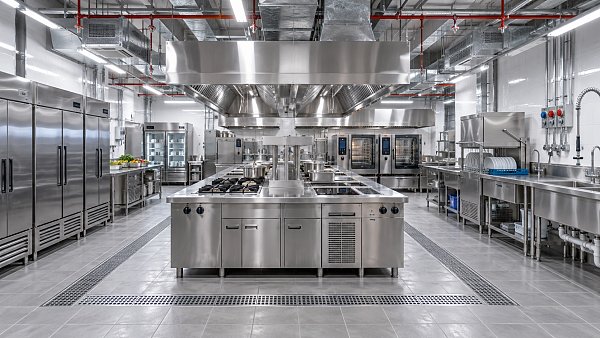
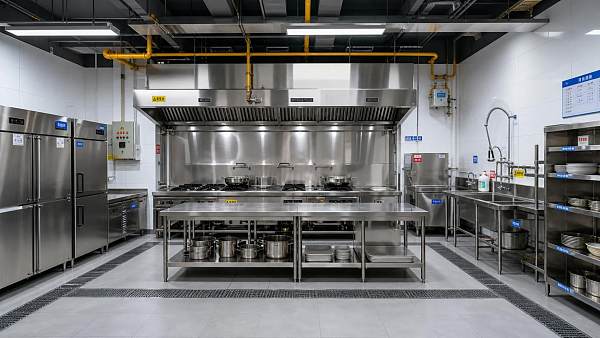
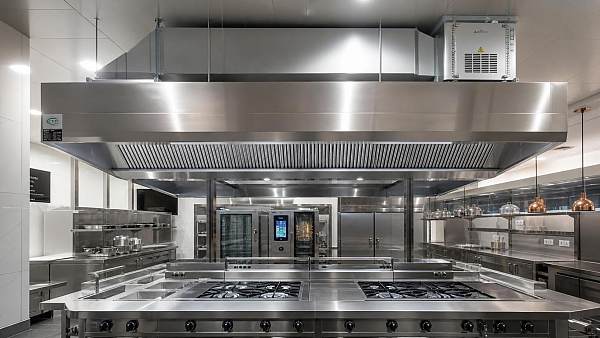
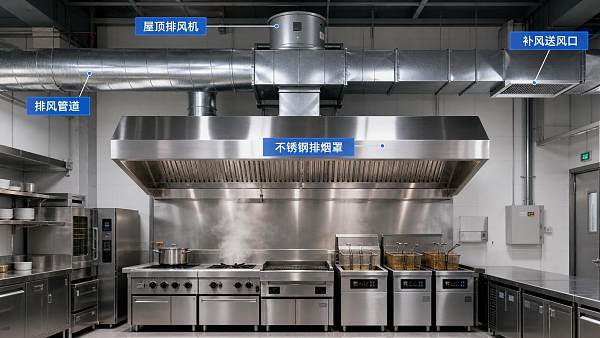
The phrase stainless steel kitchen ventilation systems covers more than an exhaust hood. A complete assembly usually includes hoods, grease filters, duct sections, access panels, exhaust fans, make-up air components, lighting integration, and sometimes fire suppression interfaces.
In commercial projects, stainless steel matters because the material supports washdown routines, resists corrosion, handles grease exposure, and presents a cleaner finish in open or semi-open kitchens. It also aligns with the sanitary expectations seen in hotels, institutional catering, and premium retail foodservice environments.
Simple product descriptions often hide the difference between a basic fabricated hood and a coordinated ventilation package. For technical review, that difference is critical. Material grade, weld quality, drainage design, access for cleaning, and airflow performance all belong in the same assessment.
Why specification quality has become a bigger issue
Foodservice spaces are becoming denser, more design-sensitive, and more heavily regulated. Many projects now combine visible cooking, limited ceiling voids, strict acoustic targets, and sustainability requirements in the same brief.
As a result, stainless steel kitchen ventilation systems are being evaluated against a wider set of criteria. Extraction capacity alone is no longer enough. Projects now need coordinated answers on code compliance, maintenance access, replacement part continuity, and compatibility with building services.
This is where a sourcing-led view becomes useful. GCT’s industry perspective reflects a market in which buyers increasingly compare not only products, but also fabrication discipline, documentation quality, and supplier readiness for international project delivery.
Material and fabrication details that deserve close review
Not all stainless steel assemblies perform the same in real kitchens. Material selection should match the cooking load, cleaning chemicals, humidity, and expected service life.
Common points to verify
- Stainless grade, typically 304 for many commercial interiors, with 316 considered where corrosion risk is higher.
- Sheet thickness, since overly light gauge construction can distort during transport or under heat exposure.
- Weld finish and seam treatment, especially around grease collection points and visible surfaces.
- Grease trough geometry and drain outlet design for easier sanitation.
- Access panel placement for duct cleaning and inspection.
- Edge treatment and reinforcement at fixing points.
A polished exterior alone should not be mistaken for technical quality. In practice, hidden joints, unsupported spans, poor filter seating, or inconsistent internal finishing create most of the long-term service problems.
Airflow performance is about capture, not just volume
One of the most common mistakes in evaluating stainless steel kitchen ventilation systems is reducing performance to a single airflow number. A hood can move high air volume and still fail to capture smoke, steam, or grease effectively.
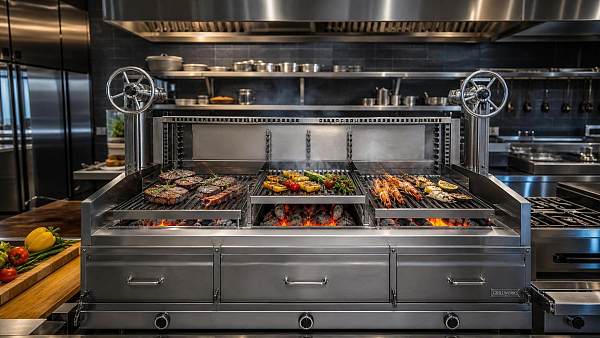
Capture efficiency depends on hood type, overhang, mounting height, appliance lineup, cross-drafts, and the relationship between exhaust and make-up air. Charbroilers, wok stations, combi ovens, and high-output ranges do not behave the same way.
In open kitchens, the stakes are even higher. Poorly balanced systems can push odors into dining zones or create visible plume escape, which quickly undermines the premium atmosphere the project is trying to build.
Fire safety, hygiene, and compliance cannot be separated
Ventilation review often sits between mechanical design and foodservice planning, but fire safety and sanitation rules must remain embedded in that process. Grease-laden exhaust creates a risk profile very different from general room extraction.
That means stainless steel kitchen ventilation systems should be checked for filter type, grease extraction efficiency, fire barrier requirements, duct cleaning access, and compatibility with local suppression standards. Regional codes differ, but documentation discipline matters everywhere.
Hygiene is equally practical. If the hood canopy includes inaccessible corners, rough welds, or poor drainage, cleaning teams compensate with labor, chemicals, and downtime. Over time, that becomes an operating cost issue, not just a maintenance inconvenience.
Red flags during document review
- No clear statement of applicable standards or test basis.
- Airflow data without appliance layout context.
- No maintenance clearance shown on drawings.
- Undefined interface between hood, duct, and suppression scope.
- Material description limited to “stainless steel” without grade or thickness.
How project context changes the right choice
The best specification depends heavily on the venue. A hotel banquet kitchen, a hospital production unit, a university dining hall, and a food hall stall can all require stainless steel kitchen ventilation systems, yet each uses them differently.
High-volume back-of-house kitchens usually prioritize durability, easy cleaning, and stable extraction under long operating hours. Front-facing kitchens often add visual finish, lower noise, coordinated lighting, and tighter odor containment.
Temporary or modular commercial spaces may need segmented fabrication, simplified installation, and transport-friendly dimensions. In retrofit projects, ceiling height, riser capacity, and legacy duct routes often shape the specification more than the equipment list itself.
From a cross-sector sourcing view, this is where generic quoting becomes risky. Comparable-looking systems can differ materially in fabrication logic, transport packaging, lead time, and site coordination requirements.
A practical framework for evaluation
A useful review process starts by matching cooking duty to hood configuration, then validating airflow strategy, material specification, and cleaning access. After that, attention should move to installation interfaces and after-sales continuity.
It helps to compare offers against a structured checklist rather than broad claims. The strongest proposals usually provide drawings, section details, load assumptions, filter data, fabrication notes, and a clear statement of exclusions.
- Confirm cooking equipment schedule and duty classification.
- Check stainless grade, gauge, finish, and weld treatment.
- Review capture design, not just fan capacity.
- Verify cleaning access and grease drainage.
- Align code references with project jurisdiction.
- Assess supplier documentation depth and replacement support.
For international projects, supplier responsiveness also matters. GCT’s sourcing perspective is relevant here because specification quality is often inseparable from communication quality, export readiness, and the ability to coordinate custom fabrication across markets.
Where the next decision should focus
The next step is rarely choosing a hood in isolation. It is building a reliable specification package for the whole ventilation path, from canopy to duct, air balance, cleaning access, and code interface.
For commercial projects with demanding operational targets, stainless steel kitchen ventilation systems should be compared by real application fit, not surface appearance or headline airflow alone. A tighter brief, better drawings, and clearer compliance benchmarks usually lead to stronger procurement outcomes.
That approach also makes market comparison more meaningful. Once the project team defines duty level, material expectations, access requirements, and certification logic, supplier evaluation becomes less subjective and far more useful for long-term performance.
Search News
Hot Articles
- Outdoor RidesHow to Select Leisure Park Equipment for Safe, High-Throughput Visitor AreasOct 03, 2026
- Fashion & Gem JewelryDiamond Tester Wholesale: How to Vet Accuracy, Calibration, and MOQ Before OrderingOct 02, 2026
- Hotel Room AmenitiesHow Hotels Can Choose Amenity Bottles That Balance Brand Image and Refill CostsOct 01, 2026
Popular Tags
Need ExpertConsultation?
Connect with our specialized leisureengineering team for procurementstrategies.
Recommended News
 Sep 24, 2026Conveyor Pizza Oven Price: What Buyers Should Budget for Capacity and FeaturesConveyor pizza oven price guide: compare capacity, features, installation costs, and quote factors to choose the right commercial oven for your operation.● Hospitality Sourcing Dir
 Sep 23, 2026How Restaurant Buyers Can Source Hospitality Supplies Without OverorderingHospitality supplies for restaurants: learn practical sourcing strategies to cut excess inventory, protect cash flow, improve supplier reliability, and keep every service running smoothly.● Hospitality Sourcing Dir
 Sep 22, 2026Commercial Kitchen Design Price: Budgeting by Layout, Equipment, and MEP ScopeCommercial kitchen design price explained: budget smarter for layout, equipment, MEP scope, compliance, installation, and long-term operational performance.● Hospitality Sourcing Dir
 Sep 19, 2026How to Select a Spiral Dough Mixer for Bakery Batch Size and Dough HydrationSpiral dough mixer bakery guide: match batch size, flour load, and hydration to select reliable torque, temperature control, and consistent dough results.● Hospitality Sourcing Dir
 Sep 14, 2026How Restaurants Can Choose Disposable Wooden Cutlery for Takeout and CateringDisposable wooden cutlery fork spoon knife guide for restaurants: compare strength, finish, packaging, food-contact needs, and catering performance.● Hospitality Sourcing Dir
 Sep 12, 2026How to Size a Restaurant Walk-In Cooler for Peak Inventory and Kitchen LayoutRestaurant walk in coolers sized for peak inventory and kitchen workflow help improve food safety, staff efficiency, storage access, and long-term operational performance.● Hospitality Sourcing Dir
 Sep 10, 2026How to Choose a CE Hot Dog Roller for Safe, High-Volume Food Service?Choose a CE hot dog roller with confidence: compare compliance documents, heating consistency, cleaning design, capacity, and total cost for safe, high-volume food service.● Hospitality Sourcing Dir
 Sep 04, 2026How to Evaluate a Commercial Food Warmer Manufacturer for Bulk Catering ProjectsCommercial food warmer manufacturer evaluation guide for bulk catering projects: compare thermal performance, compliance, customization, costs, and after-sales support.● Hospitality Sourcing Dir
 Aug 30, 2026How Can Buyers Verify Supplier Qualifications Before a Bulk Order?How to confirm supplier qualifications before placing a bulk order: verify legal identity, factory capability, certificates, samples, quality controls, and payment safeguards.● Hospitality Sourcing Dir
 Aug 28, 2026Commercial Kitchen Design Standards: A Planning Checklist for Code-Compliant LayoutsCommercial kitchen design standards: use this practical checklist to plan safer, code-compliant layouts, streamline approvals, and avoid costly rework.● Hospitality Sourcing Dir
 Aug 06, 2026How to Choose Flake Ice Makers for Seafood Displays, Bars, and Food Prep?Flake ice makers buying guide: compare output, hygiene, storage, energy use, and reliability to choose the best solution for seafood displays, bars, and food prep.● Hospitality Sourcing Dir
 Aug 03, 2026Commercial Kitchen Design Price: What Drives Cost in a New Build Project?Commercial kitchen design price explained: discover what drives cost in a new build, from layout and equipment to ventilation, compliance, and hidden budget risks.● Hospitality Sourcing Dir
 Jul 30, 2026How to Choose a Countertop Commercial Pizza Oven for Capacity, Speed, and Space?Countertop commercial pizza oven buying guide: learn how to match capacity, bake speed, and kitchen space for consistent output, lower costs, and smarter purchasing decisions.● Hospitality Sourcing Dir
 Jul 22, 2026How to Evaluate a Cotton Candy Machine Supplier for Quality, Lead Time, and MOQCotton candy machine supplier selection starts with quality, lead time, and MOQ. Learn how to compare suppliers, reduce sourcing risk, and choose a partner that supports reliable growth.● Hospitality Sourcing Dir
 Jul 21, 2026How to Choose a Charcoal Commercial Grill for Capacity, Heat Control, and Menu FitCharcoal commercial grill buying guide: learn how to match capacity, heat control, and menu fit to boost consistency, service speed, and ROI in commercial kitchens.● Hospitality Sourcing Dir
 Jul 10, 2026FDA Import Alert Adds NSF/ANSI 50-2026 for Commercial Kitchen EquipmentFDA Import Alert now highlights NSF/ANSI 50-2026 for commercial kitchen equipment. Learn how dishwashers, ice machines, and steam cabinets can avoid U.S. port detention.● Hospitality Sourcing Dir
 Jul 05, 2026How to Select Energy Efficient Display Cabinets for Food Retail and HospitalityEnergy efficient display cabinets can cut operating costs while improving food safety, visibility, and service efficiency. Learn how to choose the right model for retail and hospitality.● Hospitality Sourcing Dir
 Jul 04, 2026CPSC Flags New UL 2595 Label Rule for Commercial Ice MakersCPSC flags a new UL 2595 label rule for commercial ice makers entering the U.S. after Aug. 1, 2026. Learn who is affected, key compliance steps, and how to avoid port delays and recall risk.● Hospitality Sourcing Dir
 Jun 29, 2026How to Choose Thermal Receipt Printers for Retail and Restaurant CountersThermal receipt printers for retail and restaurant counters: learn how to compare speed, durability, connectivity, and total operating cost to choose a model that supports smoother service.● Hospitality Sourcing Dir
 Jun 28, 2026Stainless Steel Kitchen Ventilation Systems: Key Specifications for Commercial ProjectsStainless steel kitchen ventilation systems: compare material grades, airflow capture, hygiene, fire safety, and installation specs for commercial projects before you buy.● Hospitality Sourcing Dir
 Jun 27, 2026Commercial Shawarma Machines: What to Check Before Buying for High-Volume ServiceShawarma machines commercial buying guide: learn how to compare capacity, heat control, durability, compliance, and lifecycle cost before choosing equipment for high-volume service.● Hospitality Sourcing Dir
 Jun 26, 2026Restaurant POS Systems: How to Compare Features, Costs, and ScalabilityRestaurant POS systems: compare features, costs, and scalability to find the best fit for your restaurant and boost long-term efficiency.● Hospitality Sourcing Dir
 Jun 25, 2026Kitchen Ventilation Systems Design: How to Size Hoods, Airflow, and Make-Up AirKitchen ventilation systems design explained clearly: learn how to size hoods, set exhaust airflow, and balance make-up air for safer, more efficient commercial kitchens.● Hospitality Sourcing Dir
 Jun 14, 2026Hot Dog Rollers for Convenience Stores and Cafes: Capacity, Heating Zones, and Cleaning TipsHot dog rollers buying guide for convenience stores and cafes: compare real capacity, heating zones, energy use, and cleaning tips to choose a smarter, lower-waste setup.● Hospitality Sourcing Dir