What Makes a Leisure Park Successful? Planning, Attractions, and Visitor Flow Basics
A strong leisure park is never built by attractions alone. It succeeds when planning, guest psychology, safety, circulation, and commercial logic work together from the beginning.
That matters more now because experience-led spending continues to reshape tourism, retail, hospitality, and mixed-use development. A leisure park often acts as both an entertainment venue and a wider traffic engine.
From GCT’s cross-sector view of commercial spaces, the most durable projects share a clear pattern. They align design ambition with operational discipline, compliance standards, and reliable sourcing decisions.
Success starts with a complete operating idea
A leisure park needs a defined role before any ride list or visual theme is approved. Is it a regional family destination, a resort companion, an urban recreation anchor, or a tourism landmark?
That choice affects land use, budget range, stay duration, staffing, food service, ticket structure, and seasonal programming. Without that foundation, later investments often become fragmented.
The best concepts also match local demand. A park designed for repeat visits will differ from one aimed at one-time tourist spending. Climate, transport access, nearby hotels, and population mix all matter.
What planners usually define early
- Primary visitor groups and age ranges
- Expected peak attendance and off-peak patterns
- Core revenue mix across tickets, food, retail, and events
- Site limitations, regulatory conditions, and expansion room
- Brand position compared with nearby entertainment offers
When these basics are settled, the leisure park becomes easier to evaluate as a business system rather than a collection of impressive components.
Planning is really about balancing experience and operations
Guests see storytelling, comfort, and excitement. Operators see maintenance routes, emergency access, utilities, queue capacity, shade coverage, cleaning schedules, and staff deployment.
A successful leisure park handles both views at once. If the guest journey feels smooth but back-of-house systems are weak, service quality will decline quickly.
In practical terms, early planning should test how the site performs during arrival, midday peaks, weather disruption, and closing time. These moments reveal most operational weaknesses.
Key planning dimensions
Attraction mix matters more than attraction count
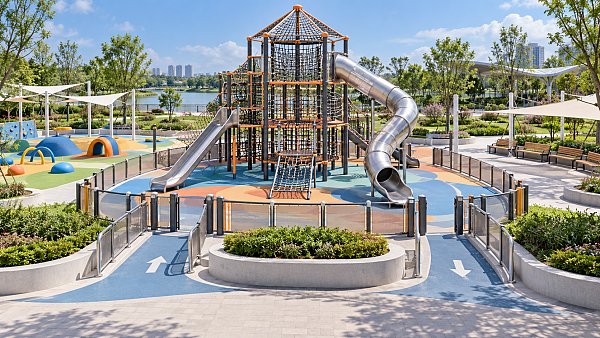
Many underperforming parks have enough rides, but not enough variety, rhythm, or relevance. A good attraction mix creates energy across the day and gives different visitor groups reasons to stay longer.
That usually means combining signature draws with medium-capacity experiences, low-intensity family offers, interactive zones, and non-ride content such as shows, themed dining, or seasonal events.
A leisure park also needs attractions with different throughput profiles. High-thrill rides may generate attention, but they cannot carry total attendance if queues suppress the overall experience.
A balanced attraction portfolio often includes
- One or two marquee attractions that define market identity
- Family-friendly attractions with broad participation
- Indoor or weather-resilient options to stabilize operations
- Low-wait interactive zones for younger visitors
- Programmable spaces for events, performances, or temporary themes
This approach improves not just entertainment value, but also asset utilization. It helps the leisure park absorb demand shifts across age groups, seasons, and daily traffic peaks.
Visitor flow is a design discipline, not a late adjustment
Crowd movement affects comfort, spending, safety, and satisfaction. If circulation is weak, even strong attractions cannot protect the reputation of a leisure park.
Visitor flow begins before ticket scanning. Arrival roads, parking, drop-off points, security screening, and entry visibility shape the first impression and set the tone for the day.
Inside the park, guests should understand where to go without constant signage dependency. Landmarks, sightlines, path width, resting zones, and queue placement all influence movement behavior.
Flow problems often show up in familiar places
- Entry plazas that fill too quickly during opening hours
- Popular rides placed too close together
- Food outlets concentrated in only one zone
- Retail units positioned after fatigue has already set in
- Exit routes that conflict with late-day queues
Usually, the goal is not to make guests walk more. It is to guide them through meaningful circulation, where each movement creates access to attractions, services, and spending opportunities.
Commercial performance depends on support spaces
A leisure park earns revenue through more than admission. Food service, merchandise, paid upgrades, lockers, events, and adjacent hospitality can significantly improve return on investment.
That is why support spaces deserve early design attention. Dining should match traffic patterns and dwell moments. Retail should appear where emotion and convenience meet.
This is one area where GCT’s wider commercial experience is useful. Hospitality equipment, specialty fixtures, sourcing quality, and supply chain reliability can directly affect guest perception and operating resilience.
Poorly chosen furniture, kitchen systems, queue barriers, audio infrastructure, or decorative materials can create hidden costs. A strong leisure park reduces those risks through specification discipline.
Support elements with high business impact
Safety, compliance, and maintenance shape reputation
For any leisure park, safety is not a background requirement. It is part of the guest promise and a core business condition.
Ride systems, surface materials, drainage, fire planning, electrical infrastructure, accessibility, and emergency response all need integrated thinking from concept stage onward.
The same applies to maintenance. If routine inspection or replacement is difficult, downtime rises and presentation quality drops. Visitors notice both, even when they cannot name the cause.
In international projects, procurement choices should also reflect certification pathways, installation support, spare parts planning, and supplier accountability. Those details often decide long-term stability.
How to assess a leisure park concept more clearly
A useful evaluation framework goes beyond visual appeal. It asks whether the concept can perform under real attendance pressure, changing weather, staffing constraints, and lifecycle costs.
- Does the attraction mix support different visit lengths and age groups?
- Can visitor flow remain comfortable during opening, lunch, and closing peaks?
- Are food, rest, retail, and sanitation placed where people actually need them?
- Do specification choices meet safety, durability, and sourcing requirements?
- Is there room for seasonal adaptation, phased upgrades, or future expansion?
Those questions help separate visually attractive ideas from commercially resilient ones. They also create a stronger basis for comparing vendors, layouts, and investment scenarios.
Where the next decisions usually lead
The most useful next step is to turn broad ambition into measurable criteria. Define target attendance, desired dwell time, attraction balance, service ratios, compliance requirements, and sourcing thresholds.
From there, a leisure park can be reviewed as a coordinated commercial environment, not just an entertainment concept. That makes planning conversations more precise and supplier evaluation more credible.
For projects connected to hospitality, retail, or destination development, it is also worth studying adjacent systems. Food equipment, public-space design, audio solutions, and specialty fit-out choices often influence park performance more than expected.
A successful leisure park earns attention through excitement, but it earns longevity through disciplined planning, the right attraction mix, and visitor flow that feels effortless even when the site is busy.
Search News
Hot Articles
- Outdoor RidesHow to Select Leisure Park Equipment for Safe, High-Throughput Visitor AreasOct 03, 2026
- Fashion & Gem JewelryDiamond Tester Wholesale: How to Vet Accuracy, Calibration, and MOQ Before OrderingOct 02, 2026
- Hotel Room AmenitiesHow Hotels Can Choose Amenity Bottles That Balance Brand Image and Refill CostsOct 01, 2026
Popular Tags
Need ExpertConsultation?
Connect with our specialized leisureengineering team for procurementstrategies.
Recommended News
 Oct 03, 2026How to Select Leisure Park Equipment for Safe, High-Throughput Visitor AreasLeisure park equipment selection guide for safe, high-throughput venues—explore capacity, supervision, durability, accessibility, and supplier criteria.● Theme Park Strategist
 Sep 18, 2026What Drives Animatronic Dinosaur Manufacturer Prices for Theme Park Projects?Animatronic dinosaurs manufacturer price guide: compare motion, materials, controls, installation, and lifecycle costs to plan a durable theme park attraction.● Theme Park Strategist
 Sep 06, 2026Do Amusement Ride Safety Compliance Requirements Change Every Year?Do amusement safety compliance requirements change annually? Learn what really changes, from standards and inspections to permits, upgrades, and local approvals.● Theme Park Strategist
 Sep 02, 2026How Long Does It Take to Receive Full Safety Documents From an OEM?How long does it take to get full safety documentation from OEM partners? Discover realistic timelines, common delays, and practical steps to secure compliant files faster.● Theme Park Strategist
 Sep 03, 2026Designing Adventure Park Safety Systems for Zip Lines, Ropes Courses, and Daily InspectionsAdventure park safety systems: learn how to design safer zip lines and ropes courses with daily inspections, defect controls, rescue readiness, and staff training.● Theme Park Strategist
 Aug 22, 2026What to Look for When Choosing Three Seat Jet Skis for Rental or Resort UseThree seat jet skis for rental or resort use should balance stability, safety, maintenance, and guest comfort. Learn how to choose models that boost uptime and guest satisfaction.● Theme Park Strategist
 Aug 17, 2026What Parts Matter Most in a Roller Coaster and How Do They Affect Ride Safety?Roller coaster parts determine ride safety more than most riders realize. Explore how tracks, restraints, brakes, wheels, and control systems work together to protect every ride.● Theme Park Strategist
 Aug 15, 20262026 China Sports Expo Sees 45.74% More Overseas Pre-registered Buyers as POB Expands Procurement Matching2026 China Sports Expo boosts overseas pre-registered buyers by 45.74% as POB expands procurement matching for fitness, outdoor, and venue suppliers.● Theme Park Strategist
 Aug 14, 2026What Should Buyers Check Before Choosing a Flying Chair Ride Exporter?Flying chair ride exporter buyers should check safety, structure, export support, and spare parts before purchase to reduce risk and choose a reliable supplier.● Theme Park Strategist
 Aug 04, 2026EU Issues EN 1176-1:2026 for Playground SafetyEU Issues EN 1176-1:2026 for Playground Safety: learn how the new standard impacts Outdoor Rides, CE certification, inventory checks, and EU compliance before March 2027.● Theme Park Strategist
 Aug 03, 2026CPSC Adopts ASTM F1487-26 for Imported Outdoor RidesOutdoor Rides face a major U.S. compliance shift as CPSC adopts ASTM F1487-26. Learn the new certification, testing, and customs risks before November 1, 2026.● Theme Park Strategist
 Jul 26, 2026Revised EN 1176:2026 Triggers Re-Certification for Outdoor RidesOutdoor Rides face immediate EN 1176:2026 re-certification for new CE applications. Learn how testing, documentation, and EU market access rules now affect exports and delivery plans.● Theme Park Strategist
 Jul 21, 2026CPSC Recall Flags Structural Risk in Outdoor RidesCPSC recall flags structural risk in outdoor rides: learn how ASTM F1487-23 failures affect importers, distributors, and compliance teams across the U.S., Canada, and Australia.● Theme Park Strategist
 Jul 19, 2026How to Choose Outdoor Fitness Equipment for Parks Based on Users, Space, and BudgetOutdoor fitness equipment for parks: learn how to choose the right mix based on users, space, and budget to improve safety, usage, and long-term value.● Theme Park Strategist
 Jul 15, 2026Ocean Freight Spike Pressures Outdoor Rides ExportsOcean Freight Spike Pressures Outdoor Rides Exports as Shanghai-Rotterdam rates surge 42%. See how rising freight costs, delays, and rerouting risks could reshape Europe-bound delivery plans.● Theme Park Strategist
 Jul 14, 2026EN 1176 Revision Takes Effect for Outdoor Ride Weld TestingEN 1176 revision takes effect for outdoor ride weld testing from Sept 1, 2026. Learn ISO 5817 level B, third-party NDT report rules, and key EU compliance steps.● Theme Park Strategist
 Jul 12, 2026Vietnam Requires AI Anti-Collision Systems for Imported Outdoor RidesVietnam Requires AI Anti-Collision Systems for Imported Outdoor Rides from Sept. 15, 2026. Learn compliance rules, VAST certification needs, and how importers can avoid delays.● Theme Park Strategist
 Jul 11, 2026Vietnam Tightens Rules for Imported Outdoor RidesVietnam Tightens Rules for Imported Outdoor Rides: learn how Vietnam’s 2026 compliance update adds AI anti-collision, Vietnamese logs, and local maintenance duties for importers and manufacturers.● Theme Park Strategist
 Jul 09, 2026How to Evaluate a Lazy River Equipment Supplier for Safety, Flow Design, and MaintenanceLazy river equipment supplier selection affects safety, flow design, and maintenance costs. Learn what to compare, what to ask, and how to choose a reliable partner.● Theme Park Strategist
 Jul 08, 2026RCEP Update Cuts ASEAN Tariffs to Zero for Outdoor RidesRCEP update cuts ASEAN tariffs to zero for outdoor rides from China. Learn how FSC-CoC, PEFC traceability, and e-CO compliance affect exports, sourcing, and buyer decisions.● Theme Park Strategist
 Jul 07, 2026RCEP Guide Adds Dual Wood Traceability for Outdoor RidesOutdoor Rides exporters face a new RCEP traceability rule: dual FSC-CoC and PEFC-STS 2023 codes for wood components. See what changes before Oct. 1, 2026.● Theme Park Strategist
 Jul 06, 2026Vietnam Tightens RCEP Rules for Wooden Ride PartsVietnam Tightens RCEP Rules for Wooden Ride Parts: learn how FSC Chain-of-Custody and QR code requirements now affect outdoor rides, RCEP imports, and shipment compliance.● Theme Park Strategist
 Jul 06, 2026How to Evaluate a Bumper Cars on Ice Manufacturer for Safety, Capacity, and ROIBumper cars on ice manufacturer selection starts with safety, capacity, and ROI. Learn how to compare suppliers, reduce risk, and choose a partner built for long-term commercial success.● Theme Park Strategist
 Jul 04, 2026Electric Drift Bumper Cars vs Traditional Bumper Cars: Which Fits Your Venue Better?Electric drift bumper cars or traditional bumper cars? Compare installation, safety, maintenance, guest appeal, and ROI to choose the best fit for your venue.● Theme Park Strategist