Choosing a Theme Park Equipment Manufacturer: Safety, Capacity, and After-Sales Support
Choosing a Theme Park Equipment Manufacturer: Safety, Capacity, and After-Sales Support
Selecting a theme park equipment manufacturer is rarely a simple price comparison. The choice shapes construction risk, opening schedules, operating uptime, and long-term guest satisfaction.
A low quote can look attractive early on. But poor compliance, weak capacity planning, or limited service support often create larger costs after installation.
That is why experienced buyers review safety records, throughput assumptions, spare parts systems, and project delivery discipline before signing a contract.
When comparing any theme park equipment manufacturer, the real question is straightforward: can this supplier keep the attraction safe, productive, and supportable for years?
Start With Safety, Not the Sales Deck
Safety is the first screening layer for any theme park equipment manufacturer. If the foundation is weak, every later discussion about capacity or cost becomes secondary.
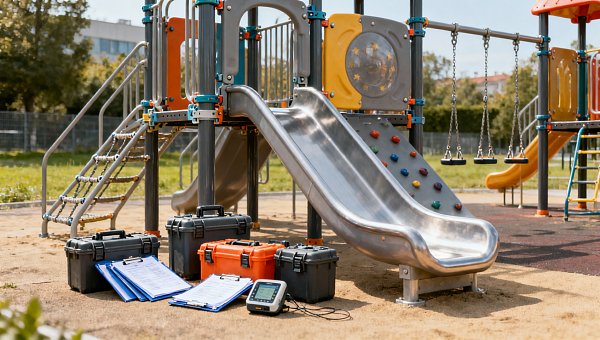
Ask for documented compliance with applicable ride standards, electrical standards, welding procedures, and material traceability. Do not accept broad claims without evidence.
Most serious suppliers should present certification pathways clearly. Depending on the market, that may include ASTM, EN, ISO, CE-related documentation, or local authority approvals.
The stronger signal is not the certificate itself. It is the manufacturer’s ability to explain testing methods, design loads, fatigue assumptions, and inspection routines in plain terms.
In practical procurement work, review these points early:
- Third-party design review and validation process
- Factory quality control checkpoints for critical components
- Non-destructive testing records for structural parts
- Control system redundancy and emergency stop logic
- Commissioning, acceptance testing, and operator training plans
A capable theme park equipment manufacturer should also share incident response procedures. That matters because safe design alone does not guarantee safe operation on site.
Capacity Planning Is a Revenue Decision
Many buyers focus on ride appearance and procurement cost. Yet capacity planning often has a bigger impact on daily revenue and guest flow.
A theme park equipment manufacturer should provide realistic hourly throughput, not best-case figures built around perfect loading and no interruptions.
Look closely at dispatch intervals, seat occupancy assumptions, restraint check time, and recovery time after minor stoppages. Small gaps in these numbers create major forecasting errors.
This becomes more important during peak season. A ride with poor throughput can increase queue pressure across the whole park, not just one attraction zone.
When reviewing proposals, compare operating capacity through these lenses:
- Theoretical capacity versus actual operating capacity
- Average loading cycle under local staffing conditions
- Accessibility procedures and their effect on dispatch time
- Maintenance windows during high-demand periods
- Seasonal weather limitations and restart procedures
An experienced theme park equipment manufacturer will usually model queue behavior against expected attendance. That discussion is far more useful than a brochure headline number.
If a supplier avoids capacity assumptions or cannot explain operating constraints, treat that as a procurement risk rather than a minor information gap.
Evaluate Total Cost, Not Purchase Price Alone
The cheapest theme park equipment manufacturer is not always the lowest-cost option over ten years. Lifecycle cost should be part of the decision from the start.
A lower initial quote may exclude spare parts kits, specialist tools, software licenses, annual inspections, or on-site technical support during the first operating season.
More importantly, downtime carries a direct commercial cost. Lost ticket value, guest complaints, and staffing disruption can quickly exceed an early procurement saving.
Build a total cost view that includes:
A reliable theme park equipment manufacturer will help build this cost model. That openness usually signals mature project management and realistic commercial behavior.
After-Sales Support Deserves Contract-Level Attention
After-sales support often gets discussed late, then reduced to a warranty line. That is a mistake, especially for high-traffic attractions.
A theme park equipment manufacturer should define support coverage in measurable terms. Verbal promises are not enough when an attraction stops during a holiday weekend.
Pay attention to response times, remote troubleshooting capability, regional technician availability, and spare parts stocking commitments. Those items directly affect uptime.
Strong after-sales support usually includes these elements:
- A named service contact with escalation procedures
- Digital manuals, parts catalogs, and maintenance schedules
- Recommended critical spare parts for the first year
- Remote diagnostics for controls and fault history review
- Annual inspection support and retraining options
It is also worth asking how the manufacturer handles discontinued components. Long equipment life means replacement planning matters from day one.
The best theme park equipment manufacturer is usually the one that remains operationally useful long after the opening ceremony ends.
Review Factory Strength and Delivery Discipline
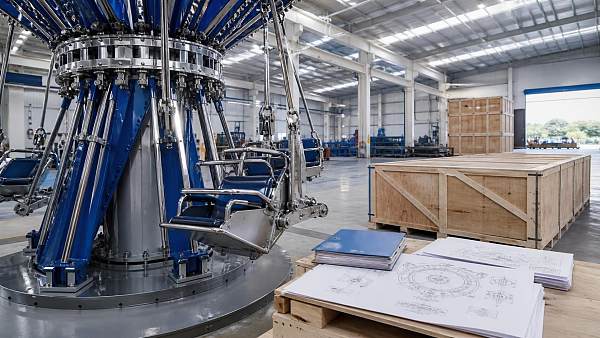
Manufacturing capability matters just as much as design quality. A supplier may present impressive concept visuals while lacking the production control needed for complex delivery schedules.
Before selecting a theme park equipment manufacturer, check factory workload, subcontracting structure, and lead-time assumptions for critical components such as motors, control cabinets, and steel assemblies.
Recent market shifts make this more relevant. Shipping volatility and component shortages can turn an optimistic timeline into a missed opening date.
Useful verification steps include factory audits, reference calls, and milestone-based production reporting. Buyers should see how the manufacturer manages change orders and documentation control.
A dependable theme park equipment manufacturer will not resist this scrutiny. It should already operate with that level of discipline internally.
Questions That Improve Supplier Comparison
Supplier comparison becomes clearer when every bidder answers the same operational questions. That reduces confusion caused by different proposal formats.
- Which standards govern the design, fabrication, and commissioning of this ride?
- What is the actual hourly throughput under normal staffing and safety checks?
- Which components have the longest replacement lead times?
- What first-year spare parts package is required for stable operation?
- How fast can the service team respond on site and remotely?
- What training is included for operators, maintenance staff, and supervisors?
- Which costs are excluded from the quoted scope?
These questions reveal whether a theme park equipment manufacturer understands operating reality, not only sales positioning.
Make the Final Decision on Operational Confidence
A strong procurement decision balances safety, throughput, lifecycle cost, and after-sales support. None of these can be treated as a side issue.
The right theme park equipment manufacturer should make risk easier to understand, not harder to uncover. Clear documentation and practical answers usually separate serious suppliers from risky ones.
In the end, buyers are not only purchasing rides. They are purchasing uptime, compliance confidence, and a support relationship that protects commercial performance.
Build your shortlist around manufacturers that can prove safety, defend capacity numbers, and commit to service after handover. That is where procurement value becomes operational value.
Search News
Hot Articles
- Outdoor RidesHow to Select Leisure Park Equipment for Safe, High-Throughput Visitor AreasOct 03, 2026
- Fashion & Gem JewelryDiamond Tester Wholesale: How to Vet Accuracy, Calibration, and MOQ Before OrderingOct 02, 2026
- Hotel Room AmenitiesHow Hotels Can Choose Amenity Bottles That Balance Brand Image and Refill CostsOct 01, 2026
Popular Tags
Need ExpertConsultation?
Connect with our specialized leisureengineering team for procurementstrategies.
Recommended News
 Oct 03, 2026How to Select Leisure Park Equipment for Safe, High-Throughput Visitor AreasLeisure park equipment selection guide for safe, high-throughput venues—explore capacity, supervision, durability, accessibility, and supplier criteria.● Theme Park Strategist
 Sep 18, 2026What Drives Animatronic Dinosaur Manufacturer Prices for Theme Park Projects?Animatronic dinosaurs manufacturer price guide: compare motion, materials, controls, installation, and lifecycle costs to plan a durable theme park attraction.● Theme Park Strategist
 Sep 06, 2026Do Amusement Ride Safety Compliance Requirements Change Every Year?Do amusement safety compliance requirements change annually? Learn what really changes, from standards and inspections to permits, upgrades, and local approvals.● Theme Park Strategist
 Sep 02, 2026How Long Does It Take to Receive Full Safety Documents From an OEM?How long does it take to get full safety documentation from OEM partners? Discover realistic timelines, common delays, and practical steps to secure compliant files faster.● Theme Park Strategist
 Sep 03, 2026Designing Adventure Park Safety Systems for Zip Lines, Ropes Courses, and Daily InspectionsAdventure park safety systems: learn how to design safer zip lines and ropes courses with daily inspections, defect controls, rescue readiness, and staff training.● Theme Park Strategist
 Aug 22, 2026What to Look for When Choosing Three Seat Jet Skis for Rental or Resort UseThree seat jet skis for rental or resort use should balance stability, safety, maintenance, and guest comfort. Learn how to choose models that boost uptime and guest satisfaction.● Theme Park Strategist
 Aug 17, 2026What Parts Matter Most in a Roller Coaster and How Do They Affect Ride Safety?Roller coaster parts determine ride safety more than most riders realize. Explore how tracks, restraints, brakes, wheels, and control systems work together to protect every ride.● Theme Park Strategist
 Aug 15, 20262026 China Sports Expo Sees 45.74% More Overseas Pre-registered Buyers as POB Expands Procurement Matching2026 China Sports Expo boosts overseas pre-registered buyers by 45.74% as POB expands procurement matching for fitness, outdoor, and venue suppliers.● Theme Park Strategist
 Aug 14, 2026What Should Buyers Check Before Choosing a Flying Chair Ride Exporter?Flying chair ride exporter buyers should check safety, structure, export support, and spare parts before purchase to reduce risk and choose a reliable supplier.● Theme Park Strategist
 Aug 04, 2026EU Issues EN 1176-1:2026 for Playground SafetyEU Issues EN 1176-1:2026 for Playground Safety: learn how the new standard impacts Outdoor Rides, CE certification, inventory checks, and EU compliance before March 2027.● Theme Park Strategist
 Aug 03, 2026CPSC Adopts ASTM F1487-26 for Imported Outdoor RidesOutdoor Rides face a major U.S. compliance shift as CPSC adopts ASTM F1487-26. Learn the new certification, testing, and customs risks before November 1, 2026.● Theme Park Strategist
 Jul 26, 2026Revised EN 1176:2026 Triggers Re-Certification for Outdoor RidesOutdoor Rides face immediate EN 1176:2026 re-certification for new CE applications. Learn how testing, documentation, and EU market access rules now affect exports and delivery plans.● Theme Park Strategist
 Jul 21, 2026CPSC Recall Flags Structural Risk in Outdoor RidesCPSC recall flags structural risk in outdoor rides: learn how ASTM F1487-23 failures affect importers, distributors, and compliance teams across the U.S., Canada, and Australia.● Theme Park Strategist
 Jul 19, 2026How to Choose Outdoor Fitness Equipment for Parks Based on Users, Space, and BudgetOutdoor fitness equipment for parks: learn how to choose the right mix based on users, space, and budget to improve safety, usage, and long-term value.● Theme Park Strategist
 Jul 15, 2026Ocean Freight Spike Pressures Outdoor Rides ExportsOcean Freight Spike Pressures Outdoor Rides Exports as Shanghai-Rotterdam rates surge 42%. See how rising freight costs, delays, and rerouting risks could reshape Europe-bound delivery plans.● Theme Park Strategist
 Jul 14, 2026EN 1176 Revision Takes Effect for Outdoor Ride Weld TestingEN 1176 revision takes effect for outdoor ride weld testing from Sept 1, 2026. Learn ISO 5817 level B, third-party NDT report rules, and key EU compliance steps.● Theme Park Strategist
 Jul 12, 2026Vietnam Requires AI Anti-Collision Systems for Imported Outdoor RidesVietnam Requires AI Anti-Collision Systems for Imported Outdoor Rides from Sept. 15, 2026. Learn compliance rules, VAST certification needs, and how importers can avoid delays.● Theme Park Strategist
 Jul 11, 2026Vietnam Tightens Rules for Imported Outdoor RidesVietnam Tightens Rules for Imported Outdoor Rides: learn how Vietnam’s 2026 compliance update adds AI anti-collision, Vietnamese logs, and local maintenance duties for importers and manufacturers.● Theme Park Strategist
 Jul 09, 2026How to Evaluate a Lazy River Equipment Supplier for Safety, Flow Design, and MaintenanceLazy river equipment supplier selection affects safety, flow design, and maintenance costs. Learn what to compare, what to ask, and how to choose a reliable partner.● Theme Park Strategist
 Jul 08, 2026RCEP Update Cuts ASEAN Tariffs to Zero for Outdoor RidesRCEP update cuts ASEAN tariffs to zero for outdoor rides from China. Learn how FSC-CoC, PEFC traceability, and e-CO compliance affect exports, sourcing, and buyer decisions.● Theme Park Strategist
 Jul 07, 2026RCEP Guide Adds Dual Wood Traceability for Outdoor RidesOutdoor Rides exporters face a new RCEP traceability rule: dual FSC-CoC and PEFC-STS 2023 codes for wood components. See what changes before Oct. 1, 2026.● Theme Park Strategist
 Jul 06, 2026Vietnam Tightens RCEP Rules for Wooden Ride PartsVietnam Tightens RCEP Rules for Wooden Ride Parts: learn how FSC Chain-of-Custody and QR code requirements now affect outdoor rides, RCEP imports, and shipment compliance.● Theme Park Strategist
 Jul 06, 2026How to Evaluate a Bumper Cars on Ice Manufacturer for Safety, Capacity, and ROIBumper cars on ice manufacturer selection starts with safety, capacity, and ROI. Learn how to compare suppliers, reduce risk, and choose a partner built for long-term commercial success.● Theme Park Strategist
 Jul 04, 2026Electric Drift Bumper Cars vs Traditional Bumper Cars: Which Fits Your Venue Better?Electric drift bumper cars or traditional bumper cars? Compare installation, safety, maintenance, guest appeal, and ROI to choose the best fit for your venue.● Theme Park Strategist