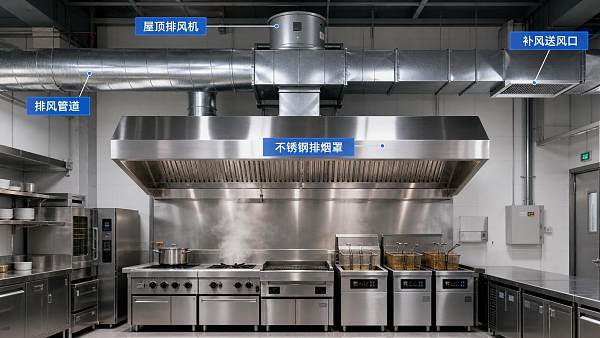
Hotel & Catering Equipment costs more for these reasons
Why does Hotel & Catering Equipment often come with a higher price tag than expected? For project managers and engineering leads, the answer goes far beyond materials alone. From strict safety compliance and custom design requirements to durability, energy efficiency, and global supply chain complexity, every cost factor directly affects long-term project value. Understanding these reasons helps buyers make smarter sourcing decisions and reduce hidden risks.
Why does Hotel & Catering Equipment cost more than standard commercial products?
Hotel & Catering Equipment is rarely a simple commodity purchase. In hospitality projects, every unit must support brand image, operational continuity, hygiene control, guest safety, and heavy daily usage across kitchens, buffets, bars, banquets, and back-of-house areas.
For project managers, the challenge is not just obtaining a lower quotation. The real task is balancing capex, delivery schedules, compliance, installation complexity, maintenance access, and lifecycle cost. A cheaper item can easily become the most expensive line in the project after delays, rework, or early replacement.
This is especially true in premium hospitality, mixed-use developments, institutional foodservice, and cross-border sourcing. Equipment often needs to meet multiple demands at once: food contact safety, electrical reliability, fire resistance, energy efficiency, ergonomic design, and visual consistency with the overall property concept.
- Commercial duty construction must withstand long operating hours, frequent cleaning, heat exposure, moisture, and continuous staff handling.
- Project-based procurement often involves custom dimensions, coordinated MEP integration, and phased delivery rather than off-the-shelf dispatch.
- International sourcing adds documentation, packaging, inspection, testing, freight volatility, and after-sales support requirements.
That is why the apparent price of Hotel & Catering Equipment usually reflects a wider system of risk control, engineering preparation, and operational assurance rather than raw material cost alone.
What are the main cost drivers in Hotel & Catering Equipment procurement?
To make pricing easier to evaluate, project teams should break costs into visible and hidden components. The table below highlights the most common cost drivers behind Hotel & Catering Equipment and why they matter during sourcing and implementation.
For engineering leads, this breakdown shifts the discussion from “Why is the quote high?” to “Which cost elements protect schedule, compliance, and operations?” That is a much more useful framework for approval meetings and supplier evaluation.
Material quality is only one part of the equation
In many tenders, teams focus first on stainless steel grade or visible thickness. Those matter, but they are not the whole story. Internal components, weld quality, drainage design, insulation density, motor protection, and access for maintenance often separate durable Hotel & Catering Equipment from look-alike alternatives.
A unit that looks similar on paper may perform very differently under steam, grease, vibration, repeated door openings, or overloaded service periods. That difference becomes visible only after installation, when replacement is far more disruptive and expensive.
Customization increases engineering time
Hospitality projects rarely follow one universal footprint. Ceiling heights, exhaust routes, drainage points, service corridors, island counters, and operator flow all influence the final specification. Custom fabrication or semi-custom adaptation adds shop drawings, approvals, prototype checks, and closer factory coordination.
This is where experienced sourcing support becomes valuable. GCT helps buyers compare supplier capabilities not only by price, but also by documentation quality, OEM/ODM adaptability, and readiness for complex commercial environments.
Which project scenarios make Hotel & Catering Equipment more expensive?
Not every hospitality project carries the same pricing logic. The application scenario strongly affects cost, especially when equipment must support premium guest experience, operational intensity, or difficult installation conditions.
The following comparison helps project managers identify why one Hotel & Catering Equipment package may be priced well above another, even when both serve foodservice functions.
In practice, scenario fit matters more than chasing the lowest product price. An underspecified package in a luxury or remote project often creates higher downtime, brand inconsistency, and service disruption later.
Front-of-house costs more because experience matters
Guest-facing Hotel & Catering Equipment must do more than function. It must align with interior design, protect food quality during display, maintain safe temperatures, resist visible wear, and still allow staff to serve quickly. That blend of aesthetics and utility is expensive by nature.
Remote or phased projects carry hidden coordination costs
Projects in remote regions or developments with phased openings frequently require split shipments, special packaging, installation sequencing, and spare parts planning. These factors may not appear in basic quotations, but they heavily influence real procurement cost.
How do standards, certification, and risk control affect price?
For project managers, compliance is not a paperwork issue. It is a cost-control issue. If imported Hotel & Catering Equipment fails local electrical, food safety, or fire-related requirements, the result may be customs delays, site rejection, redesign, or replacement.
- Electrical compatibility must match local voltage, frequency, plug type, and protection expectations.
- Food-contact components should be suitable for hygiene-sensitive environments and routine sanitation cycles.
- Gas, ventilation, thermal load, and fire-safety coordination must align with site engineering conditions.
- Documentation should be complete enough for procurement approval, import review, installation, and maintenance handover.
Different markets may request different conformity evidence, and not every factory is equally prepared. This is one reason why qualified Hotel & Catering Equipment suppliers often quote more than general fabricators. They build in engineering discipline, traceable production, and document readiness.
GCT supports buyers by connecting sourcing decisions with practical commercial intelligence. Instead of evaluating suppliers only by brochure claims, project teams can compare manufacturing maturity, export readiness, and category-specific fit across hospitality procurement needs.
How should project managers compare low-price and high-price options?
A lower initial quote may still be the wrong decision if it creates installation delays, poor energy performance, or frequent service calls. The better approach is to compare total project impact over the expected operating life.
Use the following framework when reviewing Hotel & Catering Equipment offers across multiple suppliers.
This type of comparison is particularly useful during owner reviews and value engineering discussions. It helps teams explain that Hotel & Catering Equipment should be judged by project outcome, not by invoice line alone.
A practical procurement checklist
- Confirm actual operating load, service hours, and peak meal volume before selecting equipment capacity.
- Check utility conditions early, including power, gas, water, drainage, heat rejection, and ventilation routes.
- Request detailed documentation, not just brochures: drawings, material details, accessory lists, and maintenance access requirements.
- Review packaging, lead time, spare parts strategy, and installation sequence for imported goods.
- Assess whether the supplier is suitable for hospitality-grade OEM/ODM needs or only basic fabrication.
What mistakes make Hotel & Catering Equipment feel overpriced later?
Mistake 1: Buying to budget only
When teams cut specifications too early, they may save on procurement but spend more on retrofits, labor inefficiency, product loss, or guest-area deterioration. Budget discipline is essential, but it should be paired with lifecycle thinking.
Mistake 2: Ignoring workflow and maintenance access
A technically acceptable unit can still perform poorly if it blocks circulation, complicates cleaning, or limits service access. Equipment that is hard to maintain will cost more in labor, downtime, and emergency repairs.
Mistake 3: Treating all suppliers as equal
Two suppliers may offer similar visuals and specifications, but differ greatly in export coordination, drawing accuracy, consistency control, and responsiveness. In large hospitality projects, these gaps often matter more than a small difference in unit price.
Mistake 4: Underestimating lead time risk
Hotel & Catering Equipment delays can affect kitchen commissioning, operator training, and opening schedules. Any late arrival can trigger a chain of extra costs across contractors, consultants, and operating teams.
FAQ: what do project teams ask most about Hotel & Catering Equipment costs?
How can we tell if a higher quote is justified?
Ask for a breakdown covering material construction, internal components, documentation, accessories, compliance support, packaging, and after-sales scope. A justified quote usually shows where durability, safety, and project coordination are built into the offer.
Is custom Hotel & Catering Equipment always necessary?
Not always. Standard units can work well where layout, capacity, and utility conditions are straightforward. Customization becomes more valuable when space constraints, brand presentation, workflow logic, or unusual site conditions would make standard products inefficient or risky.
What should we prioritize when budget is tight?
Protect the specifications that affect compliance, safety, structural durability, and core throughput. Decorative details or non-critical accessories may be optimized, but core functional quality in Hotel & Catering Equipment should not be compromised.
How early should sourcing start for hospitality projects?
Earlier than many teams expect. Sourcing should begin once concept layouts and utility assumptions are sufficiently stable to guide equipment planning. Early engagement helps avoid redesign, utility clashes, and rushed shipping decisions later.
Why work with GCT when sourcing Hotel & Catering Equipment?
Project managers and engineering leads often need more than a supplier list. They need decision support across product fit, manufacturing capability, market positioning, and sourcing risk. That is where GCT creates value for commercial buyers across hospitality and adjacent experience-driven sectors.
- We help buyers interpret Hotel & Catering Equipment pricing through real procurement logic, not surface-level comparisons.
- We connect sourcing choices with broader commercial requirements such as custom fabrication, project delivery complexity, and premium design expectations.
- We support more informed evaluation of OEM/ODM readiness, export coordination, and supplier suitability for demanding hospitality environments.
If you are reviewing quotations, narrowing supplier options, or preparing a new hospitality project, contact GCT for practical support. You can discuss parameter confirmation, equipment selection, delivery timing, custom solution feasibility, documentation expectations, sample coordination, and quotation comparison. That makes it easier to source Hotel & Catering Equipment with fewer surprises and stronger long-term project value.
Search News
Hot Articles
- Indoor PlaygroundHow to Choose Animatronic Haunted House Props for High-Throughput AttractionsOct 08, 2026
- Fashion & Gem JewelryThermal Diamond Testers: How They Work and When They Can Misidentify StonesOct 07, 2026
- Commercial KitchenWhat Is Driving Demand for Commercial Hospitality Projects Across the GCC?Oct 06, 2026
Popular Tags
Need ExpertConsultation?
Connect with our specialized leisureengineering team for procurementstrategies.
Recommended News
 Oct 06, 2026What Is Driving Demand for Commercial Hospitality Projects Across the GCC?Commercial hospitality GCC demand is rising through destination-led tourism, mixed-use development, and premium operational standards. Explore the procurement strategies shaping resilient projects.● Hospitality Sourcing Dir
 Sep 24, 2026Conveyor Pizza Oven Price: What Buyers Should Budget for Capacity and FeaturesConveyor pizza oven price guide: compare capacity, features, installation costs, and quote factors to choose the right commercial oven for your operation.● Hospitality Sourcing Dir
 Sep 23, 2026How Restaurant Buyers Can Source Hospitality Supplies Without OverorderingHospitality supplies for restaurants: learn practical sourcing strategies to cut excess inventory, protect cash flow, improve supplier reliability, and keep every service running smoothly.● Hospitality Sourcing Dir
 Sep 22, 2026Commercial Kitchen Design Price: Budgeting by Layout, Equipment, and MEP ScopeCommercial kitchen design price explained: budget smarter for layout, equipment, MEP scope, compliance, installation, and long-term operational performance.● Hospitality Sourcing Dir
 Sep 19, 2026How to Select a Spiral Dough Mixer for Bakery Batch Size and Dough HydrationSpiral dough mixer bakery guide: match batch size, flour load, and hydration to select reliable torque, temperature control, and consistent dough results.● Hospitality Sourcing Dir
 Sep 14, 2026How Restaurants Can Choose Disposable Wooden Cutlery for Takeout and CateringDisposable wooden cutlery fork spoon knife guide for restaurants: compare strength, finish, packaging, food-contact needs, and catering performance.● Hospitality Sourcing Dir
 Sep 12, 2026How to Size a Restaurant Walk-In Cooler for Peak Inventory and Kitchen LayoutRestaurant walk in coolers sized for peak inventory and kitchen workflow help improve food safety, staff efficiency, storage access, and long-term operational performance.● Hospitality Sourcing Dir
 Sep 10, 2026How to Choose a CE Hot Dog Roller for Safe, High-Volume Food Service?Choose a CE hot dog roller with confidence: compare compliance documents, heating consistency, cleaning design, capacity, and total cost for safe, high-volume food service.● Hospitality Sourcing Dir
 Sep 04, 2026How to Evaluate a Commercial Food Warmer Manufacturer for Bulk Catering ProjectsCommercial food warmer manufacturer evaluation guide for bulk catering projects: compare thermal performance, compliance, customization, costs, and after-sales support.● Hospitality Sourcing Dir
 Aug 30, 2026How Can Buyers Verify Supplier Qualifications Before a Bulk Order?How to confirm supplier qualifications before placing a bulk order: verify legal identity, factory capability, certificates, samples, quality controls, and payment safeguards.● Hospitality Sourcing Dir
 Aug 28, 2026Commercial Kitchen Design Standards: A Planning Checklist for Code-Compliant LayoutsCommercial kitchen design standards: use this practical checklist to plan safer, code-compliant layouts, streamline approvals, and avoid costly rework.● Hospitality Sourcing Dir
 Aug 06, 2026How to Choose Flake Ice Makers for Seafood Displays, Bars, and Food Prep?Flake ice makers buying guide: compare output, hygiene, storage, energy use, and reliability to choose the best solution for seafood displays, bars, and food prep.● Hospitality Sourcing Dir
 Aug 03, 2026Commercial Kitchen Design Price: What Drives Cost in a New Build Project?Commercial kitchen design price explained: discover what drives cost in a new build, from layout and equipment to ventilation, compliance, and hidden budget risks.● Hospitality Sourcing Dir
 Jul 30, 2026How to Choose a Countertop Commercial Pizza Oven for Capacity, Speed, and Space?Countertop commercial pizza oven buying guide: learn how to match capacity, bake speed, and kitchen space for consistent output, lower costs, and smarter purchasing decisions.● Hospitality Sourcing Dir
 Jul 22, 2026How to Evaluate a Cotton Candy Machine Supplier for Quality, Lead Time, and MOQCotton candy machine supplier selection starts with quality, lead time, and MOQ. Learn how to compare suppliers, reduce sourcing risk, and choose a partner that supports reliable growth.● Hospitality Sourcing Dir
 Jul 21, 2026How to Choose a Charcoal Commercial Grill for Capacity, Heat Control, and Menu FitCharcoal commercial grill buying guide: learn how to match capacity, heat control, and menu fit to boost consistency, service speed, and ROI in commercial kitchens.● Hospitality Sourcing Dir
 Jul 10, 2026FDA Import Alert Adds NSF/ANSI 50-2026 for Commercial Kitchen EquipmentFDA Import Alert now highlights NSF/ANSI 50-2026 for commercial kitchen equipment. Learn how dishwashers, ice machines, and steam cabinets can avoid U.S. port detention.● Hospitality Sourcing Dir
 Jul 05, 2026How to Select Energy Efficient Display Cabinets for Food Retail and HospitalityEnergy efficient display cabinets can cut operating costs while improving food safety, visibility, and service efficiency. Learn how to choose the right model for retail and hospitality.● Hospitality Sourcing Dir
 Jul 04, 2026CPSC Flags New UL 2595 Label Rule for Commercial Ice MakersCPSC flags a new UL 2595 label rule for commercial ice makers entering the U.S. after Aug. 1, 2026. Learn who is affected, key compliance steps, and how to avoid port delays and recall risk.● Hospitality Sourcing Dir
 Jun 29, 2026How to Choose Thermal Receipt Printers for Retail and Restaurant CountersThermal receipt printers for retail and restaurant counters: learn how to compare speed, durability, connectivity, and total operating cost to choose a model that supports smoother service.● Hospitality Sourcing Dir
 Jun 28, 2026Stainless Steel Kitchen Ventilation Systems: Key Specifications for Commercial ProjectsStainless steel kitchen ventilation systems: compare material grades, airflow capture, hygiene, fire safety, and installation specs for commercial projects before you buy.● Hospitality Sourcing Dir
 Jun 27, 2026Commercial Shawarma Machines: What to Check Before Buying for High-Volume ServiceShawarma machines commercial buying guide: learn how to compare capacity, heat control, durability, compliance, and lifecycle cost before choosing equipment for high-volume service.● Hospitality Sourcing Dir
 Jun 26, 2026Restaurant POS Systems: How to Compare Features, Costs, and ScalabilityRestaurant POS systems: compare features, costs, and scalability to find the best fit for your restaurant and boost long-term efficiency.● Hospitality Sourcing Dir
 Jun 25, 2026Kitchen Ventilation Systems Design: How to Size Hoods, Airflow, and Make-Up AirKitchen ventilation systems design explained clearly: learn how to size hoods, set exhaust airflow, and balance make-up air for safer, more efficient commercial kitchens.● Hospitality Sourcing Dir