Is body piercing jewelry bulk worth it for growing stores
For procurement teams scaling a retail or specialty jewelry business, choosing body piercing jewelry bulk can directly affect margins, quality consistency, and inventory efficiency. But is buying in volume always the smartest move? This guide examines the commercial value, sourcing risks, compliance factors, and supplier considerations that growing stores should evaluate before making larger purchasing commitments.
Understanding body piercing jewelry bulk in commercial sourcing
Body piercing jewelry bulk refers to purchasing larger quantities of piercing items through wholesale or factory-direct channels.
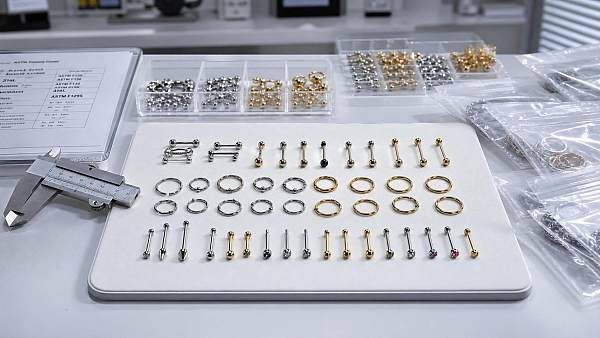
Typical categories include barbells, captive bead rings, segment rings, labrets, nostril studs, and cartilage pieces.
Bulk buying often includes standard sizes, mixed packs, custom finishes, or private-label packaging.
For growing stores, the decision is not only about lower unit cost.
It also affects customer safety, stock turnover, display depth, and brand reputation.
In the broader commercial trade environment, body piercing jewelry bulk sits between fashion accessories and regulated skin-contact products.
That makes material verification and supplier discipline especially important.
What bulk purchasing usually includes
- Volume price breaks by SKU or by total order value
- Assortment packs for popular gauge and length combinations
- OEM or ODM options for branding and packaging
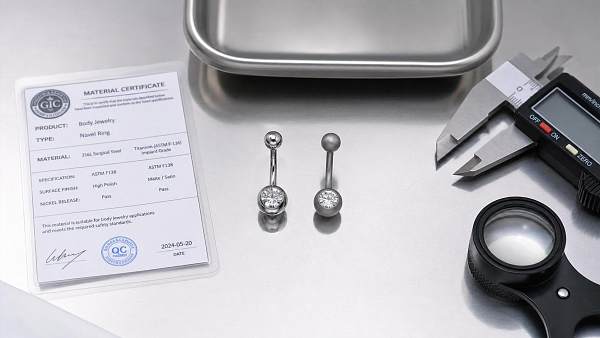
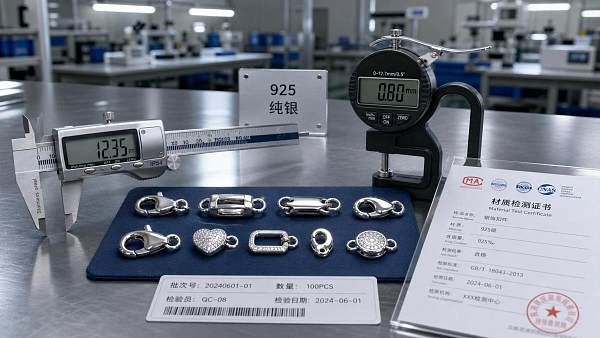
- Material declarations and product test reports
- Regular replenishment plans for fast-moving lines
Market signals shaping bulk purchasing decisions
The body jewelry segment has evolved beyond impulse fashion.
Customers now expect cleaner finishes, safer metals, and better traceability.
At the same time, stores want faster replenishment and stronger gross margins.
These forces make body piercing jewelry bulk attractive, but more technical to manage.
In this context, body piercing jewelry bulk works best when inventory data and product compliance move together.
Commercial value of body piercing jewelry bulk for growing stores
The main advantage of body piercing jewelry bulk is cost efficiency across repeat purchases.
Lower unit pricing can improve margin, especially on staples with stable turnover.
Popular basics often include titanium labrets, surgical steel barbells, and standard hoop sizes.
Bulk orders also support merchandising consistency.
Uniform finishes and accurate sizing create a cleaner display and reduce return friction.
Another benefit is inventory planning.
Stores with predictable demand can reduce emergency restocking costs and stockout losses.
Where bulk delivers measurable value
- Best-selling core SKUs with known monthly velocity
- Entry-level assortments with stable consumer demand
- Private-label collections requiring packaging consistency
- Stores expanding into multiple branches or online channels
- Retailers building stronger supplier negotiation leverage
When managed carefully, body piercing jewelry bulk can strengthen both margin control and service continuity.
Key risks behind larger body jewelry orders
Bulk buying is not automatically efficient.
The biggest risk is locking capital into slow-moving or poorly specified inventory.
If gauge, threading type, or finish demand is misjudged, clearance pressure rises quickly.
Quality drift is another concern.
A good sample does not guarantee stable production across thousands of units.
Surface polish, stone setting, threading smoothness, and plating durability may vary by batch.
Compliance exposure can be even more serious.
Body piercing jewelry bulk often touches expectations around nickel release, lead limits, cadmium restrictions, and biocompatibility claims.
If documentation is weak, reputational damage can outweigh any initial savings.
Common warning signs
- Unclear material naming such as “medical steel” without a recognized grade
- No batch traceability or inconsistent labeling
- Prices far below normal market ranges without explanation
- No sample retention policy or inspection standard
- Long lead times paired with rigid minimum order quantities
Materials, compliance, and quality benchmarks
Material selection is central to evaluating body piercing jewelry bulk.
Common options include 316L surgical steel, titanium, niobium, gold, and bio-compatible polymers.
Each material affects comfort, corrosion resistance, finish durability, and final price.
Titanium often commands a premium because of lightweight wear and strong skin compatibility.
Steel can be cost-effective, but only when grade consistency is documented.
Reliable documentation turns body piercing jewelry bulk from a price play into a managed sourcing category.
Typical store scenarios and order models
Not every growth stage benefits from the same approach to body piercing jewelry bulk.
The right structure depends on assortment maturity, customer profile, and cash flow tolerance.
A flexible order model usually outperforms maximum volume buying in early growth phases.
Practical sourcing guidance before committing to volume
Body piercing jewelry bulk is worth it when supplier selection is disciplined and inventory assumptions are evidence-based.
Start with a structured sampling process.
Compare at least two or three suppliers across the same specification sheet.
Use consistent criteria for polish, threading, packaging, and documentation.
Then test a controlled first bulk run instead of jumping into a very large commitment.
- Map top-selling sizes, gauges, and materials from actual sales data.
- Set acceptable defect rates and inspection checkpoints before production.
- Request batch-linked test reports and retain approved golden samples.
- Negotiate replenishment terms, not only headline unit prices.
- Review packaging efficiency for store display and e-commerce fulfillment.
- Track sell-through by material and style family after the first cycle.
This approach reduces risk while preserving the main advantages of body piercing jewelry bulk.
Final assessment and next-step planning
So, is body piercing jewelry bulk worth it for growing stores?
Yes, when demand is visible, material standards are verified, and supplier control is strong.
No, when volume is used to compensate for weak forecasting or unclear product quality.
The strongest results usually come from targeted bulk purchasing of proven core lines.
Growing stores should treat body piercing jewelry bulk as a strategic sourcing decision, not a simple discount opportunity.
Review current sales velocity, define material requirements, shortlist verified suppliers, and pilot a measured order plan.
That sequence creates a safer path to scale, stronger inventory performance, and more reliable customer satisfaction.
Search News
Hot Articles
- Indoor PlaygroundHow to Choose Animatronic Haunted House Props for High-Throughput AttractionsOct 08, 2026
- Fashion & Gem JewelryThermal Diamond Testers: How They Work and When They Can Misidentify StonesOct 07, 2026
- Commercial KitchenWhat Is Driving Demand for Commercial Hospitality Projects Across the GCC?Oct 06, 2026
Popular Tags
Need ExpertConsultation?
Connect with our specialized leisureengineering team for procurementstrategies.
Recommended News
 Oct 07, 2026Thermal Diamond Testers: How They Work and When They Can Misidentify StonesThermal diamond tester guide: learn how it works, spot false positives from moissanite, and choose reliable verification methods for jewelry trade and retail.● Luxury Retail Analyst
 Oct 02, 2026Diamond Tester Wholesale: How to Vet Accuracy, Calibration, and MOQ Before OrderingDiamond tester wholesale guide: verify accuracy, calibration records, supplier quality controls, and MOQ terms before ordering. Source reliable testers with confidence.● Luxury Retail Analyst
 Sep 09, 2026Wholesale Coral Earrings: How Buyers Can Assess Quality, Treatments, and Supply RiskCoral jewelry earrings wholesale guide for buyers: assess quality, treatments, secure settings, documentation, and supply risks before ordering.● Luxury Retail Analyst
 Sep 01, 2026How to Choose a Jewelry Laser Engraving Machine Manufacturer for Custom ProductionChoose a jewelry laser engraving machine manufacturer with proven sample testing, precision fixtures, workflow-ready software, and reliable support for custom production.● Luxury Retail Analyst
 Aug 27, 2026Evaluating Luxury Retail Accessories Suppliers: Quality, Lead Times, and Brand FitLuxury retail accessories supplier selection made clearer: assess quality, lead times, compliance, costs, and brand fit to protect premium launches and margins.● Luxury Retail Analyst
 Jul 29, 2026Fine Jewelry Price Guide: What Affects Cost and How to Judge Real ValueFine jewelry price guide for buyers: learn what drives cost in metals, gemstones, craftsmanship, certification, and branding so you can judge real value, reduce sourcing risk, and buy with confidence.● Luxury Retail Analyst
 Jul 14, 2026What to Ask an Enamel Jewelry Manufacturer Before Sampling and Mass ProductionEnamel jewelry manufacturer selection starts with the right questions. Learn what to ask about materials, color matching, MOQ, QC, compliance, and lead times before sampling and mass production.● Luxury Retail Analyst
 Jul 12, 2026Surgical Steel Belly Rings vs Titanium: Material Differences, Safety, and CostSurgical steel belly rings vs titanium: compare safety, nickel exposure, comfort, durability, and cost to choose the best option for sensitive skin or budget-friendly style.● Luxury Retail Analyst
 Jul 12, 2026Natural Coral Jewelry Guide: How to Identify Real Coral, Treatments, and QualityNatural coral jewelry guide covering how to identify real coral, spot treatments, assess quality, and buy with confidence. Learn the key signs before you choose.● Luxury Retail Analyst
 Jul 11, 2026Braided Leather Bracelets OEM: Material, Clasp, and MOQ Factors Before SamplingBraided leather bracelets OEM guide covering material grades, clasp options, and MOQ factors before sampling. Learn how to reduce sourcing risk, control cost, and choose the right supplier.● Luxury Retail Analyst
 Jul 09, 2026Jewelry Craftsmanship Gemstone Setting Methods Explained: Prong, Bezel, Pave, and MoreJewelry craftsmanship gemstone setting explained clearly: compare prong, bezel, pavé, channel, and more to choose secure, beautiful, and commercially smart jewelry designs.● Luxury Retail Analyst
 Jul 06, 2026Photo Locket Necklace Manufacturer Selection Guide: Materials, MOQ, and Custom OptionsPhoto locket necklace manufacturer selection guide covering materials, MOQ, custom options, compliance, and quality checks to help buyers source smarter and build stronger jewelry lines.● Luxury Retail Analyst
 Jul 05, 2026What to Check When Comparing a Sterling Silver Clasp ManufacturerChoosing a sterling silver clasp manufacturer? Learn what to check first: 925 silver claims, finish quality, testing, compliance, lead times, and hidden sourcing costs.● Luxury Retail Analyst
 Jul 02, 2026Jewelry Craftsmanship Techniques Explained: Casting, Stone Setting, Engraving, and PolishingJewelry craftsmanship techniques explained: discover how casting, stone setting, engraving, and polishing shape quality, durability, and sourcing confidence.● Luxury Retail Analyst
 Jul 01, 2026Lost Wax Casting Machines Explained: Types, Capacity, and Metal CompatibilityLost wax casting machines explained: compare types, real capacity, and metal compatibility to choose the right system for precision casting, higher quality, and smarter sourcing.● Luxury Retail Analyst
 Jun 29, 2026How to Evaluate a Luxury Accessories Online Store Before You BuyLuxury accessories online store buying guide: learn how to verify authenticity, compare policies, check reviews, and avoid costly mistakes before you place an order.● Luxury Retail Analyst
 Jun 22, 2026Matching Couple Rings: Popular Materials, Fit Differences, and How to ChooseMatching couple rings guide: compare popular materials, fit differences, comfort, durability, and resizing options to choose a stylish pair that truly lasts.● Luxury Retail Analyst
 Jun 19, 2026How to Build a Fashion Accessories Catalog That Improves Product Discovery and SalesFashion accessories catalog strategies that improve product discovery, filtering, and conversions. Learn how to structure pages, categories, and data to drive more qualified sales.● Luxury Retail Analyst
 Jun 19, 2026How to Choose Luxury Accessories for Women by Material, Style, and Price PointLuxury accessories for women: learn how to choose the right pieces by material, style, and price point for better value, timeless appeal, and smarter buying decisions.● Luxury Retail Analyst
 Jun 18, 2026Stainless Steel Rings Bulk: 304 vs 316L, Finishes, and Custom Order FactorsStainless steel rings bulk guide: compare 304 vs 316L, explore finish options, and learn key custom order factors to reduce sourcing risk and improve product value.● Luxury Retail Analyst
 Jun 18, 2026Body Piercing Jewelry Bulk Buying Guide: Materials, Sizes, and MOQ QuestionsBody piercing jewelry bulk buying guide covering safe materials, size checks, MOQ strategy, supplier screening, and compliance tips to reduce risk and source with confidence.● Luxury Retail Analyst
 Jun 18, 2026How to Evaluate a Luxury Jewelry Exporter for Quality, Compliance, and DeliveryLuxury jewelry exporter evaluation starts with more than design. Learn how to verify quality, compliance, and delivery control to source premium jewelry with less risk.● Luxury Retail Analyst
 Jun 17, 2026Iced Out Watches Wholesale: How to Compare MOQ, Stone Quality, and MarginsIced out watches wholesale guide: compare MOQ, stone quality, and real margins to choose reliable suppliers, reduce risk, and grow resale profits with smarter sourcing.● Luxury Retail Analyst
 Jun 15, 2026How to Evaluate an Amber Jewelry Manufacturer: Quality Grades, OEM Options, and Lead TimesAmber jewelry manufacturer selection starts with quality grades, OEM capability, and realistic lead times. Learn how to compare suppliers, reduce sourcing risk, and choose with confidence.● Luxury Retail Analyst