Macau Retail Sales Rise 9.1% in Q3; Watches and Jewellery Up 31.1%
Macau’s retail sales increased in the third quarter of 2026, with watches and jewellery among the categories showing particularly strong annual growth. The figures provide a market signal for retailers, suppliers and service providers reviewing purchasing and delivery plans. The supplied information identifies no new policy, regulation or certification requirement, so the release is best assessed as evidence of sales performance rather than a change in industry rules.
Third-quarter sales reach MOP 18.29 billion
Macau’s Statistics and Census Service released its third-quarter retail trade survey on 20 November 2026. The survey reported retail sales of MOP 18.29 billion for the quarter, an increase of 9.1% from a year earlier and 2.5% from the previous quarter.
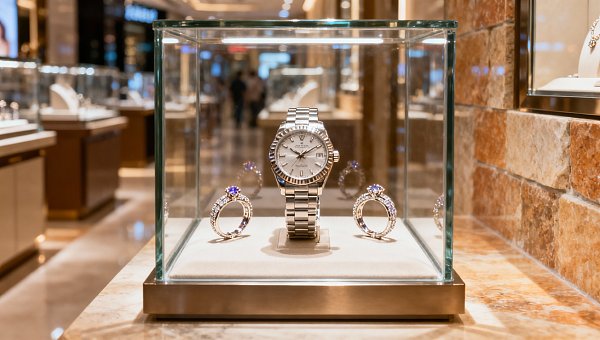
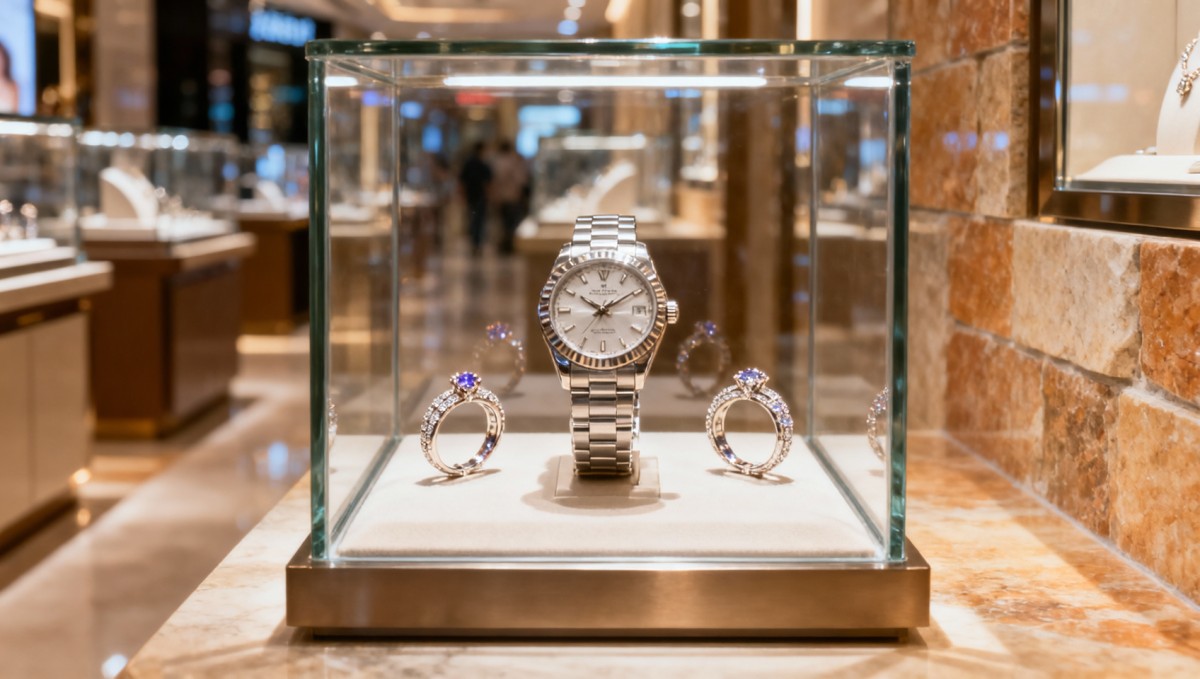
Among the major retail categories, sales of communications equipment and watches and jewellery rose by 31.1% year on year. Sales of cosmetics and personal care products increased by 20.9% over the same comparison. The supplied summary describes the results as reflecting a continuing recovery in higher-end consumer goods and the jewellery and watch market.
These figures describe changes in sales value. The information supplied does not provide sales volumes, price movements, category-level shares of total sales or a breakdown of the reasons for the increases.
Where stronger sales could affect the supply chain
From an industry perspective, a rise in sales value can influence decisions well beyond the point of sale. The reported growth in watches and jewellery gives businesses a reason to review their assumptions, although the survey summary does not establish how much of the change came from quantities sold, product mix or prices. The following effects are therefore possibilities to assess, not outcomes confirmed by the release.
Retailers and purchasing teams
For retailers, the immediate question is whether their own sales patterns are consistent with the reported category growth. A business seeing stronger demand for particular watches or jewellery may consider adjusting order quantities, product selection or replenishment timing. Equally, a retailer whose sales have not followed the broader category may decide that a large purchase would be premature.
Analysis suggests that procurement teams may benefit from comparing recent sales with stock already on hand and orders awaiting delivery. Because the figures are expressed in sales value, a higher total alone does not show that more individual items were sold. Purchasing plans based on unit demand should therefore be checked against the business’s own transaction records before commitments are increased.
Commercial terms also deserve attention when orders are revised. Buyers can review the delivery dates, quantities, product descriptions and acceptance arrangements recorded with suppliers. The survey does not introduce new documentation rules; the practical concern is whether existing records accurately reflect any changes the parties agree to make.
Suppliers and distribution partners
Suppliers and distributors serving these categories could receive requests to replenish products or revise delivery schedules if their customers experience similar demand. The scale and timing of any such requests remain uncertain. A category-wide increase does not demonstrate that every product, supplier or sales channel is growing at the same rate.
Where a buyer asks for faster or larger deliveries, both sides may wish to check available stock, lead times and the accuracy of product information before changing an order. Written confirmation of agreed specifications and delivery terms can help prevent a commercial adjustment from becoming a dispute over what was ordered or when it was due.
From a trade and compliance perspective, the supplied survey does not identify a change to import procedures, product standards or certification. Businesses considering changes to sourcing or distribution should independently verify the requirements applicable to their own products and transactions. Any review of existing certificates, supporting documents or supplier qualifications would be a precaution tied to the transaction, not a newly announced obligation.
After-sales and supply chain services
Service providers may also want to consider whether higher sales at the retailers they support could eventually affect the volume or timing of service requests. That is a planning possibility, not a result established by the survey. The supplied information contains no figures on repairs, returns, warranties or delivery performance.
For watches and jewellery, a business can review whether the product identification and transaction records it already maintains are sufficient to support the services it offers. If sales or sourcing arrangements change, clear records may help staff connect a customer request with the relevant product and supplier. The information provided does not establish a new traceability requirement or a particular recordkeeping format.
Logistics providers and their customers can similarly discuss capacity and delivery expectations before revising schedules. The survey offers no evidence of a transport shortage or delay; the relevant question is whether each proposed order can be fulfilled on the terms agreed.
Turning the sales signal into purchasing decisions
Separate sales value from demand for individual products
Businesses assessing the 31.1% annual increase should first consider what the reported measure can and cannot establish. The input gives a percentage change in sales value for the named categories, but it does not provide unit sales, average prices or a breakdown by product. Analysis based on the figure should avoid treating the percentage as a direct forecast for the number of items a particular business can sell.
A practical response is to compare the broad market signal with internal information on products sold, current inventory and outstanding orders. Those checks may support a targeted purchasing decision without assuming that growth is uniform across watches, jewellery or communications equipment. They can also help a buyer identify whether a proposed order addresses an observed need or depends mainly on an interpretation of the survey.
Check supplier commitments before changing orders
If a retailer decides to place or amend an order, it may be useful to confirm product details, quantities, agreed prices and delivery dates with the supplier. For products accompanied by certificates or other supporting documents, buyers can check that the documents match the goods and the transaction. The supplied information does not specify any new certificate, test or approval, so the appropriate checks depend on the products and arrangements involved.
Businesses may also assess whether a proposed delivery schedule leaves enough time for their normal checks and any agreed customer commitments. Where a supplier cannot meet a requested schedule, an alternative product or delivery arrangement can be evaluated against the buyer’s specifications before it is accepted. None of these steps follows from a newly reported legal requirement; they are commercial precautions that may be relevant when demand or orders change.
Review customer-facing commitments
Retailers considering a wider selection or increased sales activity may wish to review the information they provide about products and any service commitments they offer. The purpose is to ensure that descriptions, supporting records and agreed terms remain consistent as stock or suppliers change. The input does not report a change in consumer rules or establish that existing practices are deficient.
Businesses can also check whether the teams responsible for purchasing, sales and after-sales service have access to the information needed to handle a particular product. If records are incomplete, resolving the issue before a transaction may be easier than reconstructing it after a customer enquiry. The relevance of such a review will vary with the products sold and the services promised.
Watch for subsequent official information
The present release is a survey result, not an announcement of implementation measures. Businesses looking for regulatory implications should distinguish any later official policy or trade announcement from the sales figures themselves. If a subsequent announcement is relevant to their activities, they can examine its scope, effective date and application before changing compliance procedures.
Further retail data and feedback from customers and suppliers may also help businesses judge whether the third-quarter pattern persists. Those sources could support a more informed purchasing decision, but their contents and any future direction are not established by the information supplied here.
A market indicator, with no rule change established
Editorial assessment: the most defensible reading of this release is that it records an increase in retail sales value and highlights strong annual growth in the named categories. It does not establish that a policy has been introduced, that enforcement has changed or that a new certification is required. Nor does one reported quarter, on its own, determine how sales will develop later.
The distinction matters because commercial planning and compliance decisions answer different questions. A retailer may use the data as one input when reviewing inventory, while still checking its own sales and supplier commitments. A compliance team would need a separate, relevant official instrument or authoritative communication before treating any proposed rule change as applicable. The survey summary supplies no such instrument.
What deserves closer attention is whether subsequent information explains the composition of the sales increase and whether businesses report similar patterns in their own operations. Later official data, relevant trade measures or changes in customer demand could alter the assessment. Until such information is available and verified, the reported percentages should not be converted into assumptions about a specific product, company or regulatory outcome.
Keep procurement responsive and claims proportionate
The third-quarter results give retailers and their supply partners a reason to examine demand for watches, jewellery and other named categories alongside their own evidence. They may also prompt a review of order terms, product records and delivery capacity where businesses are considering changes.
At this stage, the figures are best treated as a market signal with possible implications for purchasing and service planning. They do not themselves announce a rule change. Decisions about compliance or future commitments should rest on the requirements and commercial evidence relevant to each transaction.
Basis for this report and points to verify
This article is based on the user-provided news title, event time and summary concerning the third quarter of 2026 and the survey release attributed to Macau’s Statistics and Census Service. No specific official source link was provided in the input, so the original release and its detailed definitions should be checked when available.
For subsequent developments, relevant sources may include official statistical releases, regulatory announcements and information from trade authorities or industry organisations. Continued verification should focus on any later policy or trade measures that actually apply, their stated implementation details, further sales information and feedback from businesses involved in purchasing, delivery and customer service.
Search News
Hot Articles
- Stage Lighting & TrussBuying LED PAR Cans Wholesale: How to Compare Suppliers and CostsNov 21, 2026
- Fashion & Gem JewelryMacau Retail Sales Rise 9.1% in Q3; Watches and Jewellery Up 31.1%Nov 20, 2026
- Fashion & Gem JewelryHow to Assess a Fashion Accessories Supplier: Quality, Delivery and RiskNov 20, 2026
Popular Tags
Need ExpertConsultation?
Connect with our specialized leisureengineering team for procurementstrategies.
Recommended News
 Nov 20, 2026Macau Retail Sales Rise 9.1% in Q3; Watches and Jewellery Up 31.1%Macau retail sales rose 9.1% in Q3 2026, while watches and jewellery climbed 31.1%. Explore what the figures could mean for purchasing and supply chains.● Luxury Retail Analyst
 Nov 20, 2026How to Assess a Fashion Accessories Supplier: Quality, Delivery and RiskLearn how to evaluate fashion accessories supplier reliability with practical checks for product quality, delivery performance, capacity, compliance and risk.● Luxury Retail Analyst
 Nov 11, 2026Choosing an Ultrasonic Jewelry Cleaner Manufacturer: What Buyers Should CheckChoosing an ultrasonic jewelry cleaner manufacturer? Discover the key checks for performance, safety, quality, costs, and support before you buy.● Luxury Retail Analyst
 Nov 06, 2026Rapaport: Small Round Diamond Prices Fell 5.5% in OctoberSmall round diamond prices fell 5.5% in October, according to Rapaport. Explore what the decline may mean for jewelry buyers, suppliers and inventory planning.● Luxury Retail Analyst
 Nov 05, 2026WGC: India's Illegal Gold Imports Surge Over 1,500% in Third QuarterIndia's illegal gold imports surged over 1,500% to 50 tonnes in Q3 2026, the WGC reports. Discover what's driving the rise and its impact on jewellery sales.● Luxury Retail Analyst
 Nov 04, 2026Pandora CEO Warns New Tariffs Could Raise Contemporary Jewelry PricesPandora CEO Alexander Lacik warns that new US tariffs could raise contemporary jewelry prices. Explore the potential impact on businesses and shoppers.● Luxury Retail Analyst
 Nov 02, 2026Shanwei Jewelry Conference Opens as Canton Fair Buyers Begin Sourcing TourShanwei Jewelry Conference connects Canton Fair buyers with local suppliers. Explore sourcing opportunities and key considerations for jewelry procurement.● Luxury Retail Analyst
 Nov 01, 2026US Tariffs on Indian Goods Reach 50%, Raising Jewelry Export ConcernsUS tariffs on Indian goods reach 50%, raising concerns for jewelry exporters. Explore the potential impact on prices, orders, supply chains and jobs.● Luxury Retail Analyst
 Oct 31, 2026US Jewelry Business Closures Ease in Q3, but Active Firms Fall 1.4%US jewelry business closures eased in Q3 2026, but active firms fell 1.4%. Explore the JBT figures and what they reveal about industry contraction.● Luxury Retail Analyst
 Oct 30, 2026Nose Studs and Rings: Which Is Better for a New Piercing?Nose studs and rings: discover which is best for a new nostril piercing, plus expert tips on fit, materials, healing, and when to switch to a hoop.● Luxury Retail Analyst
 Oct 27, 2026Luxury Retail Merchandising: What Sets It Apart From Mass-Market Retail?Discover how luxury retail merchandising differs from mass-market retail, with curated displays, refined spaces, and personalized service that elevate perceived value and inspire purchases.● Luxury Retail Analyst
 Oct 12, 2026How to Choose Designer Eyewear That Fits Your Store’s Customer ProfileDesigner eyewear buying guide for retailers: match frames, price points, brand appeal, fit, and supplier support to your store’s customer profile for stronger sales.● Luxury Retail Analyst
 Oct 07, 2026Thermal Diamond Testers: How They Work and When They Can Misidentify StonesThermal diamond tester guide: learn how it works, spot false positives from moissanite, and choose reliable verification methods for jewelry trade and retail.● Luxury Retail Analyst
 Oct 02, 2026Diamond Tester Wholesale: How to Vet Accuracy, Calibration, and MOQ Before OrderingDiamond tester wholesale guide: verify accuracy, calibration records, supplier quality controls, and MOQ terms before ordering. Source reliable testers with confidence.● Luxury Retail Analyst
 Sep 09, 2026Wholesale Coral Earrings: How Buyers Can Assess Quality, Treatments, and Supply RiskCoral jewelry earrings wholesale guide for buyers: assess quality, treatments, secure settings, documentation, and supply risks before ordering.● Luxury Retail Analyst
 Sep 01, 2026How to Choose a Jewelry Laser Engraving Machine Manufacturer for Custom ProductionChoose a jewelry laser engraving machine manufacturer with proven sample testing, precision fixtures, workflow-ready software, and reliable support for custom production.● Luxury Retail Analyst
 Aug 27, 2026Evaluating Luxury Retail Accessories Suppliers: Quality, Lead Times, and Brand FitLuxury retail accessories supplier selection made clearer: assess quality, lead times, compliance, costs, and brand fit to protect premium launches and margins.● Luxury Retail Analyst
 Jul 29, 2026Fine Jewelry Price Guide: What Affects Cost and How to Judge Real ValueFine jewelry price guide for buyers: learn what drives cost in metals, gemstones, craftsmanship, certification, and branding so you can judge real value, reduce sourcing risk, and buy with confidence.● Luxury Retail Analyst
 Jul 14, 2026What to Ask an Enamel Jewelry Manufacturer Before Sampling and Mass ProductionEnamel jewelry manufacturer selection starts with the right questions. Learn what to ask about materials, color matching, MOQ, QC, compliance, and lead times before sampling and mass production.● Luxury Retail Analyst
 Jul 12, 2026Surgical Steel Belly Rings vs Titanium: Material Differences, Safety, and CostSurgical steel belly rings vs titanium: compare safety, nickel exposure, comfort, durability, and cost to choose the best option for sensitive skin or budget-friendly style.● Luxury Retail Analyst
 Jul 12, 2026Natural Coral Jewelry Guide: How to Identify Real Coral, Treatments, and QualityNatural coral jewelry guide covering how to identify real coral, spot treatments, assess quality, and buy with confidence. Learn the key signs before you choose.● Luxury Retail Analyst
 Jul 11, 2026Braided Leather Bracelets OEM: Material, Clasp, and MOQ Factors Before SamplingBraided leather bracelets OEM guide covering material grades, clasp options, and MOQ factors before sampling. Learn how to reduce sourcing risk, control cost, and choose the right supplier.● Luxury Retail Analyst
 Jul 09, 2026Jewelry Craftsmanship Gemstone Setting Methods Explained: Prong, Bezel, Pave, and MoreJewelry craftsmanship gemstone setting explained clearly: compare prong, bezel, pavé, channel, and more to choose secure, beautiful, and commercially smart jewelry designs.● Luxury Retail Analyst
 Jul 06, 2026Photo Locket Necklace Manufacturer Selection Guide: Materials, MOQ, and Custom OptionsPhoto locket necklace manufacturer selection guide covering materials, MOQ, custom options, compliance, and quality checks to help buyers source smarter and build stronger jewelry lines.● Luxury Retail Analyst