When do stainless steel rings bulk orders make more sense?
For procurement teams, deciding when stainless steel rings bulk orders make sense goes beyond unit price. The right timing depends on demand stability, customization needs, supplier consistency, and total landed cost. Understanding these factors helps buyers reduce sourcing risk, improve margins, and secure reliable inventory for retail, promotional, or OEM projects.
Why order timing matters in stainless steel rings bulk sourcing
Not every buying cycle benefits from large-volume purchasing. Bulk works best when demand is visible, specifications are stable, and replenishment speed matters.
In jewelry and luxury accessories, ring orders often support retail launches, private label collections, event merchandise, or export distribution. Each scenario creates different volume logic.
A small trial order may protect flexibility. A larger stainless steel rings bulk order may improve pricing, finish consistency, and packaging efficiency.
The key is not asking whether bulk is cheaper. The better question is whether bulk aligns with forecast accuracy, sales rhythm, and product lifecycle.
When stable retail collections make stainless steel rings bulk smarter
Bulk purchasing makes strong sense for evergreen retail lines. These are styles with repeat demand, low return rates, and predictable size or finish preferences.
Examples include plain bands, minimalist signet styles, black ion-plated rings, and standard engraved fashion pieces. These products usually move steadily across seasons.
Core judgment points for repeat-selling rings
- Sales history shows consistent monthly movement.
- Size distribution is already proven.
- Color, plating, and finish rarely change.
- Packaging format is standardized.
- Lead times affect shelf availability.
In this situation, stainless steel rings bulk orders can reduce per-unit cost across production, packing, inspection, and freight consolidation.
They also improve collection consistency. Matching color tone, polish level, and logo placement becomes easier when products come from one controlled run.
When promotional campaigns justify stainless steel rings bulk orders
Promotional programs often require large quantities delivered within a narrow launch window. In these cases, bulk buying supports timing, budget control, and brand consistency.
Campaign rings may be used for loyalty gifts, themed merchandise, event souvenirs, or co-branded sales promotions. Volume demand is concentrated, not spread across months.
What makes this scenario suitable
- The campaign has a confirmed launch date.
- Distribution quantity is already allocated.
- Design approval is complete.
- Reordering later would be more expensive.
For event-driven demand, ordering stainless steel rings bulk can prevent split shipments and rushed secondary production, both of which often increase risk and cost.
However, campaign orders should include tolerance planning. A small buffer for damaged units, late distribution requests, or exchange needs is often practical.
When OEM and private label projects benefit most from bulk volume
OEM and ODM ring programs often gain the most from larger order volumes. Tooling, custom molds, logo placement, and special packaging all improve unit economics at scale.
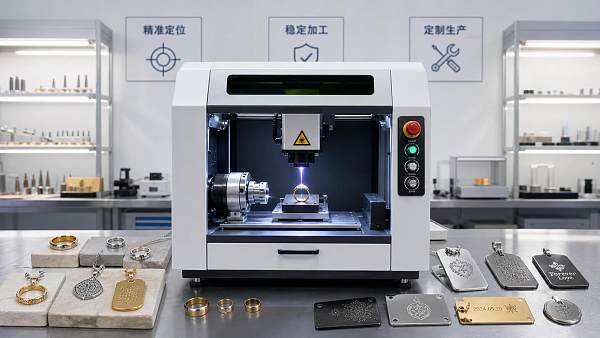
A private label collection may require laser engraving, custom gift boxes, branded inserts, or plated finishes. These elements add setup costs before production begins.
Signs bulk volume is the better route
- Artwork and technical drawings are finalized.
- Brand guidelines are stable.
- The supplier passed samples and QC review.
- The project will run for multiple seasons or regions.
In these conditions, stainless steel rings bulk orders can absorb development costs better. They also reduce the chance of visual variation between later batches.
This matters in premium retail and gift channels, where packaging quality and finish consistency influence perceived value as much as the ring itself.
When bulk orders are risky despite attractive pricing
Low quotes can make bulk look attractive too early. Yet large commitments are risky when demand signals are weak or specifications may still change.
Fashion-sensitive designs, experimental finishes, or influencer-led capsule products may sell quickly or stall suddenly. In such cases, overstock can erase price savings.
Warning signs to watch
- No reliable sales history exists.
- Target markets differ in ring size demand.
- Finish durability remains untested.
- Supplier capacity fluctuates.
- Compliance or labeling requirements may change.
A phased strategy works better here. Start with a pilot order, gather sell-through data, then scale into stainless steel rings bulk once product-market fit becomes clearer.
How application scenarios change stainless steel rings bulk decisions
Different use cases create different volume thresholds. The same ring may be ideal for bulk in one channel and too risky in another.
This comparison shows why stainless steel rings bulk decisions should always be tied to application context, not only supplier discounts.
Practical checks before placing stainless steel rings bulk orders
A structured review helps avoid expensive mistakes. Buyers should test both demand assumptions and supply execution before confirming large volumes.
Recommended evaluation checklist
- Verify twelve-month demand, not only recent spikes.
- Confirm exact size ratio by channel or region.
- Review material grade, plating method, and finish durability.
- Check packaging dimensions for freight efficiency.
- Compare landed cost, not factory price alone.
- Require pre-shipment inspection standards in writing.
- Plan safety stock and replenishment timing together.
These checks turn stainless steel rings bulk buying into a strategic sourcing decision instead of a simple volume gamble.
Common misjudgments in bulk ring sourcing
One common mistake is ignoring ring size imbalance. Bulk savings disappear when fast-moving sizes sell out and slow sizes remain unsold.
Another mistake is underestimating finish variation. Stainless steel rings with plating, brushed texture, or black coatings need batch consistency checks.
A third issue is treating all suppliers as equal. Strong sample quality does not always guarantee stable mass production performance.
Freight planning is also overlooked. Large orders can reduce unit price but raise warehousing pressure, insurance cost, and inventory aging exposure.
Finally, many teams delay packaging decisions. For stainless steel rings bulk programs, packaging should be approved before production scheduling.
How to move forward with the right bulk strategy
The best bulk strategy matches product stability, channel demand, and supplier reliability. It should also reflect branding goals and working capital limits.
For repeat retail, event merchandise, and mature private label programs, stainless steel rings bulk orders often deliver real savings and stronger supply control.
For trend-led launches or untested export channels, a smaller validation run usually protects margin better than aggressive volume commitments.
A practical next step is to map expected demand, size ratio, finish requirements, and landed cost side by side. Then compare pilot and bulk scenarios objectively.
With the right sourcing framework, stainless steel rings bulk stops being a pricing question and becomes a tool for smarter inventory planning, better brand execution, and lower commercial risk.
Search News
Hot Articles
- Fashion & Gem JewelryThermal Diamond Testers: How They Work and When They Can Misidentify StonesOct 07, 2026
- Commercial KitchenWhat Is Driving Demand for Commercial Hospitality Projects Across the GCC?Oct 06, 2026
- Hotel Room AmenitiesHow to Select Hotel Hair Dryers That Balance Guest Safety, Durability, and CostOct 05, 2026
Popular Tags
Need ExpertConsultation?
Connect with our specialized leisureengineering team for procurementstrategies.
Recommended News
 Oct 07, 2026Thermal Diamond Testers: How They Work and When They Can Misidentify StonesThermal diamond tester guide: learn how it works, spot false positives from moissanite, and choose reliable verification methods for jewelry trade and retail.● Luxury Retail Analyst
 Oct 02, 2026Diamond Tester Wholesale: How to Vet Accuracy, Calibration, and MOQ Before OrderingDiamond tester wholesale guide: verify accuracy, calibration records, supplier quality controls, and MOQ terms before ordering. Source reliable testers with confidence.● Luxury Retail Analyst
 Sep 09, 2026Wholesale Coral Earrings: How Buyers Can Assess Quality, Treatments, and Supply RiskCoral jewelry earrings wholesale guide for buyers: assess quality, treatments, secure settings, documentation, and supply risks before ordering.● Luxury Retail Analyst
 Sep 01, 2026How to Choose a Jewelry Laser Engraving Machine Manufacturer for Custom ProductionChoose a jewelry laser engraving machine manufacturer with proven sample testing, precision fixtures, workflow-ready software, and reliable support for custom production.● Luxury Retail Analyst
 Aug 27, 2026Evaluating Luxury Retail Accessories Suppliers: Quality, Lead Times, and Brand FitLuxury retail accessories supplier selection made clearer: assess quality, lead times, compliance, costs, and brand fit to protect premium launches and margins.● Luxury Retail Analyst
 Jul 29, 2026Fine Jewelry Price Guide: What Affects Cost and How to Judge Real ValueFine jewelry price guide for buyers: learn what drives cost in metals, gemstones, craftsmanship, certification, and branding so you can judge real value, reduce sourcing risk, and buy with confidence.● Luxury Retail Analyst
 Jul 14, 2026What to Ask an Enamel Jewelry Manufacturer Before Sampling and Mass ProductionEnamel jewelry manufacturer selection starts with the right questions. Learn what to ask about materials, color matching, MOQ, QC, compliance, and lead times before sampling and mass production.● Luxury Retail Analyst
 Jul 12, 2026Surgical Steel Belly Rings vs Titanium: Material Differences, Safety, and CostSurgical steel belly rings vs titanium: compare safety, nickel exposure, comfort, durability, and cost to choose the best option for sensitive skin or budget-friendly style.● Luxury Retail Analyst
 Jul 12, 2026Natural Coral Jewelry Guide: How to Identify Real Coral, Treatments, and QualityNatural coral jewelry guide covering how to identify real coral, spot treatments, assess quality, and buy with confidence. Learn the key signs before you choose.● Luxury Retail Analyst
 Jul 11, 2026Braided Leather Bracelets OEM: Material, Clasp, and MOQ Factors Before SamplingBraided leather bracelets OEM guide covering material grades, clasp options, and MOQ factors before sampling. Learn how to reduce sourcing risk, control cost, and choose the right supplier.● Luxury Retail Analyst
 Jul 09, 2026Jewelry Craftsmanship Gemstone Setting Methods Explained: Prong, Bezel, Pave, and MoreJewelry craftsmanship gemstone setting explained clearly: compare prong, bezel, pavé, channel, and more to choose secure, beautiful, and commercially smart jewelry designs.● Luxury Retail Analyst
 Jul 06, 2026Photo Locket Necklace Manufacturer Selection Guide: Materials, MOQ, and Custom OptionsPhoto locket necklace manufacturer selection guide covering materials, MOQ, custom options, compliance, and quality checks to help buyers source smarter and build stronger jewelry lines.● Luxury Retail Analyst
 Jul 05, 2026What to Check When Comparing a Sterling Silver Clasp ManufacturerChoosing a sterling silver clasp manufacturer? Learn what to check first: 925 silver claims, finish quality, testing, compliance, lead times, and hidden sourcing costs.● Luxury Retail Analyst
 Jul 02, 2026Jewelry Craftsmanship Techniques Explained: Casting, Stone Setting, Engraving, and PolishingJewelry craftsmanship techniques explained: discover how casting, stone setting, engraving, and polishing shape quality, durability, and sourcing confidence.● Luxury Retail Analyst
 Jul 01, 2026Lost Wax Casting Machines Explained: Types, Capacity, and Metal CompatibilityLost wax casting machines explained: compare types, real capacity, and metal compatibility to choose the right system for precision casting, higher quality, and smarter sourcing.● Luxury Retail Analyst
 Jun 29, 2026How to Evaluate a Luxury Accessories Online Store Before You BuyLuxury accessories online store buying guide: learn how to verify authenticity, compare policies, check reviews, and avoid costly mistakes before you place an order.● Luxury Retail Analyst
 Jun 22, 2026Matching Couple Rings: Popular Materials, Fit Differences, and How to ChooseMatching couple rings guide: compare popular materials, fit differences, comfort, durability, and resizing options to choose a stylish pair that truly lasts.● Luxury Retail Analyst
 Jun 19, 2026How to Build a Fashion Accessories Catalog That Improves Product Discovery and SalesFashion accessories catalog strategies that improve product discovery, filtering, and conversions. Learn how to structure pages, categories, and data to drive more qualified sales.● Luxury Retail Analyst
 Jun 19, 2026How to Choose Luxury Accessories for Women by Material, Style, and Price PointLuxury accessories for women: learn how to choose the right pieces by material, style, and price point for better value, timeless appeal, and smarter buying decisions.● Luxury Retail Analyst
 Jun 18, 2026Stainless Steel Rings Bulk: 304 vs 316L, Finishes, and Custom Order FactorsStainless steel rings bulk guide: compare 304 vs 316L, explore finish options, and learn key custom order factors to reduce sourcing risk and improve product value.● Luxury Retail Analyst
 Jun 18, 2026Body Piercing Jewelry Bulk Buying Guide: Materials, Sizes, and MOQ QuestionsBody piercing jewelry bulk buying guide covering safe materials, size checks, MOQ strategy, supplier screening, and compliance tips to reduce risk and source with confidence.● Luxury Retail Analyst
 Jun 18, 2026How to Evaluate a Luxury Jewelry Exporter for Quality, Compliance, and DeliveryLuxury jewelry exporter evaluation starts with more than design. Learn how to verify quality, compliance, and delivery control to source premium jewelry with less risk.● Luxury Retail Analyst
 Jun 17, 2026Iced Out Watches Wholesale: How to Compare MOQ, Stone Quality, and MarginsIced out watches wholesale guide: compare MOQ, stone quality, and real margins to choose reliable suppliers, reduce risk, and grow resale profits with smarter sourcing.● Luxury Retail Analyst
 Jun 15, 2026How to Evaluate an Amber Jewelry Manufacturer: Quality Grades, OEM Options, and Lead TimesAmber jewelry manufacturer selection starts with quality grades, OEM capability, and realistic lead times. Learn how to compare suppliers, reduce sourcing risk, and choose with confidence.● Luxury Retail Analyst