California EPR Rule Hits Indoor Playground Padded Exports
On July 1, 2026, California began mandatory enforcement of SB 1576, bringing certain flame-retardant padded textile components used in indoor playground equipment into the state’s apparel and textile EPR framework. For exporters, distributors, manufacturers, and supply-chain teams serving the California market, this matters because compliance now extends beyond product production and shipment to registration, fee payment, and product and outer-carton labeling before goods can be legally distributed or sold in the state.
What the California requirement now covers
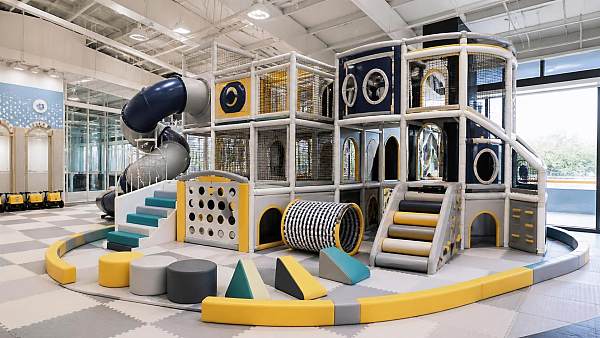
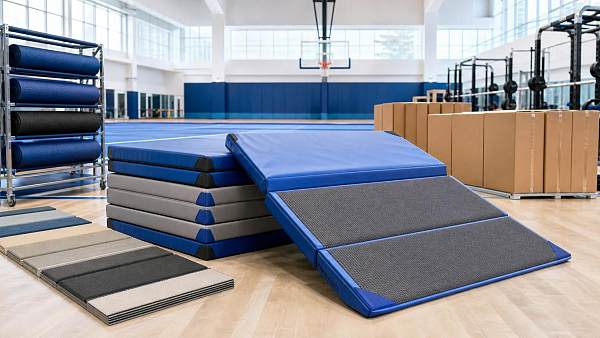
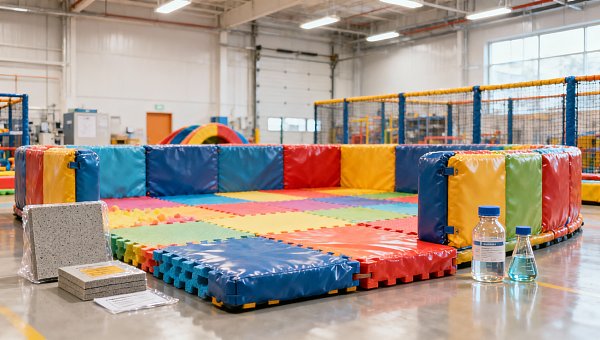
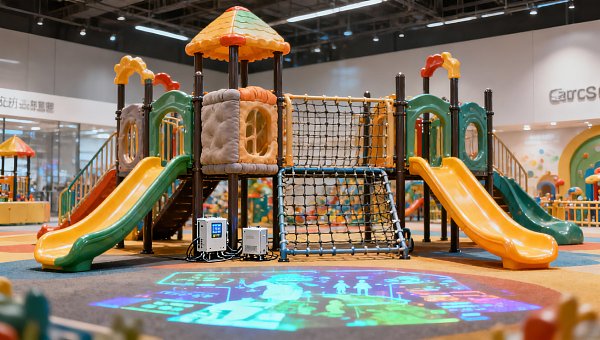
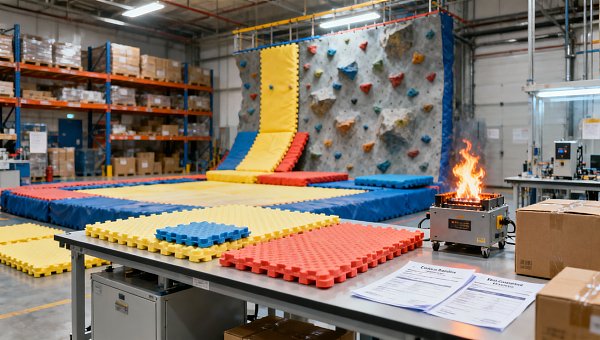
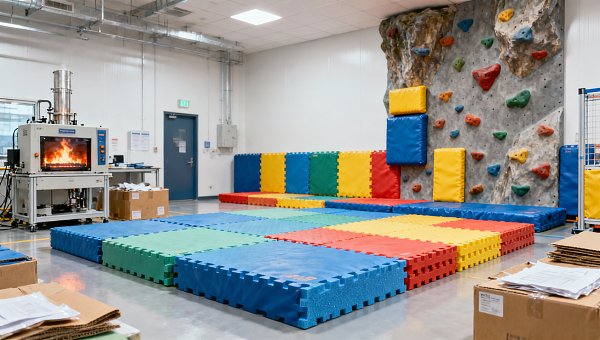
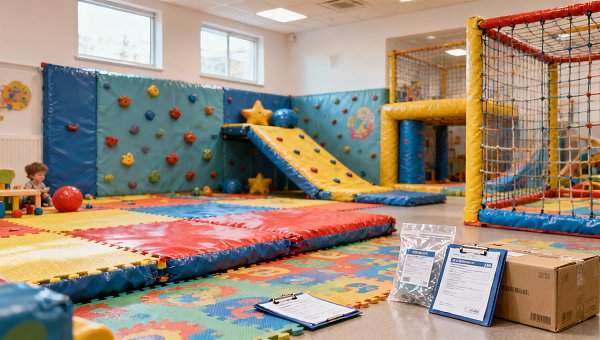
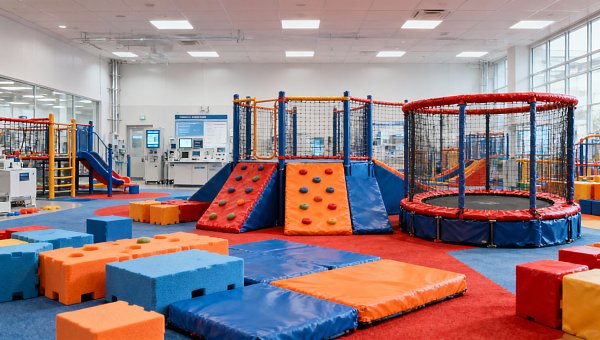
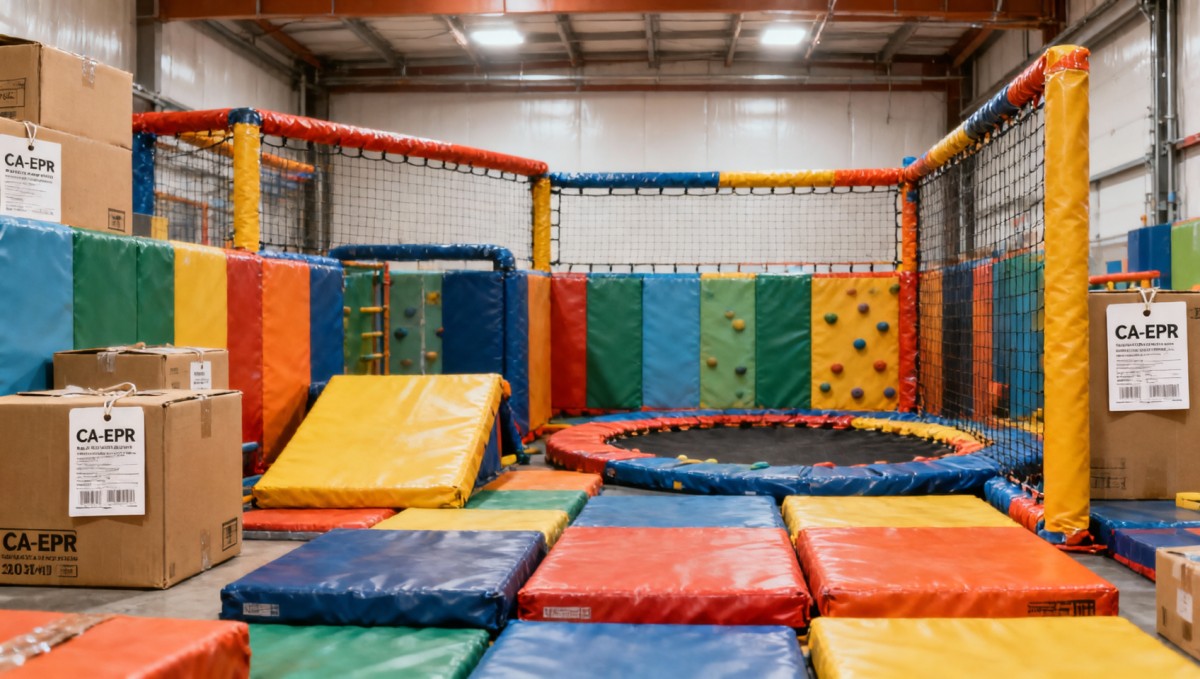
According to the provided information, California’s Apparel and Textile Extended Producer Responsibility law, SB 1576, became mandatory on July 1, 2026. The rule now covers flame-retardant padded fabrics used in children’s play facilities, including items such as indoor playground climbing pads, trampoline enclosure netting, and padded wall systems.
The same information states that exporters must complete PRO registration, pay an eco-processing fee, and apply a “CA-EPR” eco-label carrying a unique identification code on both product hangtags and outer cartons. If these requirements are not met, the products cannot be distributed or sold in California.
Where the immediate business impact is likely to appear
Export operations face a new market-entry checkpoint
Direct trading companies and exporters may be affected first because California market access is now tied to compliance steps that sit outside the traditional shipment process. The impact is likely to show up in registration readiness, label preparation, carton marking, and shipment release planning for goods intended for California distribution.
Manufacturing and packaging teams must align with labeling execution
Processing and manufacturing businesses involved in indoor playground padded products may need to pay closer attention to which textile-based components fall within the described scope. The operational effect is likely to concentrate on product tag production, outer-carton packaging workflows, and coordination between factory output and destination-market compliance requirements.
Distributors and channel partners carry a sales eligibility risk
Channel and distribution businesses may be affected because the provided rule description ties compliance directly to whether products can be distributed or sold in California. What deserves closer attention is whether incoming goods already carry the required “CA-EPR” label and whether supporting compliance status has been clarified before products enter downstream sales channels.
Supply-chain service providers may need tighter document coordination
From an industry perspective, logistics, packaging, and trade-compliance service providers may also see an impact at the execution level. The practical pressure point is not only moving goods, but also aligning registration status, fee-related readiness, labeling accuracy, and shipment documentation across multiple parties before California delivery.
What companies should watch in day-to-day execution
Confirm whether targeted product categories are implicated
Companies involved with indoor playground equipment should pay close attention to whether their products include the flame-retardant padded textile applications described in the input, especially where the textile element is part of climbing pads, netting, or padded wall structures destined for California.
Check compliance timing against shipment and delivery cycles
The rule is described as mandatory from July 1, 2026, so businesses should focus on the timing relationship between compliance completion and actual distribution into California. In practice, this makes the handoff between production, export, warehousing, and local sales particularly sensitive.
Prepare labeling and carton control as an execution issue
The requirement to place a unique-code “CA-EPR” eco-label on both hangtags and outer cartons means labeling is not a minor packaging detail. Companies should pay attention to how labeling instructions are transmitted to factories, how carton versions are controlled, and how buyers or channel partners confirm that goods are ready for California entry.
Keep communication records with customers and suppliers clear
Observably, the gap between a policy requirement and practical delivery risk often appears in communication rather than in product design itself. For that reason, exporters, suppliers, and buyers may need to keep responsibilities clear around registration status, fee handling, label application, and shipment acceptance for California-bound orders.
Why this reads as more than a simple labeling update
Analysis shows this development is not only about adding one more mark to export packaging. It indicates that for some indoor playground soft-padded product applications, market access in California is now being linked to post-production responsibility mechanisms under an EPR framework.
It is more appropriate to understand this as a concrete compliance signal rather than a purely short-term shipping adjustment. At the same time, based on the limited confirmed information provided here, it should still be treated as a development that requires continued observation in terms of implementation details, category interpretation, and day-to-day enforcement practice.
How the sector may best interpret the change now
At this stage, the most balanced reading is that California has created a clear compliance threshold for certain textile-based components used in indoor playground equipment when those goods are destined for in-state distribution and sale. The immediate significance lies in registration, fee payment, and identifiable labeling becoming part of normal export readiness for affected products.
From an industry angle, this is best viewed as an actionable regulatory change with longer-term signaling value. It does not by itself answer every operational question, but it does make clear that affected businesses should not treat padded textile components in play equipment as outside the reach of textile EPR obligations when serving California.
Basis of this article and points for continued verification
This article is generated from the user-provided news title, event date, and event summary. The specific official source link was not provided in the input, so the underlying wording and any subsequent implementation details still require ongoing verification.
For this type of industry development, commonly relevant source categories may include official government notices, company compliance notices, industry association updates, authoritative media coverage, and standard or regulatory documents. The main areas that still deserve continued attention are any later official clarification on covered products, operational compliance wording, and how the stated requirements are applied in actual California distribution and sales practice.
Search News
Hot Articles
- Outdoor RidesHow to Select Leisure Park Equipment for Safe, High-Throughput Visitor AreasOct 03, 2026
- Fashion & Gem JewelryDiamond Tester Wholesale: How to Vet Accuracy, Calibration, and MOQ Before OrderingOct 02, 2026
- Hotel Room AmenitiesHow Hotels Can Choose Amenity Bottles That Balance Brand Image and Refill CostsOct 01, 2026
Popular Tags
Need ExpertConsultation?
Connect with our specialized leisureengineering team for procurementstrategies.
Recommended News
 Sep 29, 2026Poured Playground Safety Surfacing: How to Specify Thickness for Fall HeightsPoured playground safety surfacing: learn how to specify tested thickness by fall height, ASTM standards, substrate conditions, accessibility, and field verification.● Theme Park Strategist
 Sep 27, 2026Custom Trampoline Park Equipment: Planning Capacity, Safety, and LayoutCustom trampoline park equipment for safer capacity, smooth guest flow, and efficient layouts. Explore practical planning insights for a high-performing park.● Theme Park Strategist
 Aug 30, 2026Entertainment Venue Master Planning: How to Balance Capacity, Flow, and RevenueEntertainment venue development master planning: balance capacity, guest flow, and revenue with practical strategies for resilient, high-performing venues.● Theme Park Strategist
 Sep 07, 2026What Should Buyers Do When a Supplier Delivers Non-Compliant Products?What to do if a supplier delivers non-compliant commercial products: contain risks, document evidence, protect your project, and secure the right remedy.● Theme Park Strategist
 Sep 02, 2026Waterpark Capacity Management: Balancing Queue Times, Safety, and Guest ThroughputWaterpark capacity management strategies to reduce queue times, protect safety, optimize guest throughput, and build a smoother, more profitable park operation.● Theme Park Strategist
 Sep 01, 2026ASTM F2075 Explained: Testing Engineered Wood Fiber for Playground Impact SafetyASTM F2075 explained: learn how engineered wood fiber supports playground impact safety, smarter sourcing, compliance documentation, and reliable maintenance planning.● Theme Park Strategist
 Aug 24, 2026How to Evaluate an Indoor Ninja Warrior Course Supplier in Europe?indoor ninja warrior course Europe supplier guide: learn how to assess safety, EN compliance, engineering, installation, and maintenance support before you choose.● Theme Park Strategist
 Aug 20, 2026How to Choose Modular Indoor Play Equipment for Different Venue Sizes and Age GroupsModular indoor play equipment buying guide: learn how to match venue size, ceiling height, traffic flow, and age groups to create safer, smarter, and more profitable play spaces.● Theme Park Strategist
 Aug 14, 2026POB Push Lifts Overseas Pre-Registrations 45.74%POB boosts overseas pre-registrations for the 2026 China Sport Show by 45.74%, signaling stronger global buyer interest and smarter sourcing opportunities in sports manufacturing.● Theme Park Strategist
 Aug 02, 2026What to Check Before Buying Thick Gymnastic Mats Wholesale for Schools and GymsThick gymnastic mats wholesale buying guide for schools and gyms: learn how to check foam, cover durability, safety documents, samples, and true long-term value before placing a bulk order.● Theme Park Strategist
 Jul 28, 2026How to Design Inclusive Sensory Play Areas for Different Age Groups and NeedsInclusive sensory play starts with smart zoning, age planning, accessibility, and acoustics. Discover practical design tips to create safer, engaging spaces that truly work.● Theme Park Strategist
 Jul 26, 2026How to Evaluate a Bowling Alley Equipment Factory Before Requesting a QuoteBowling alley equipment factory evaluation starts before price. Learn how to check manufacturing scope, engineering, compliance, spare parts, and installation support to avoid costly sourcing mistakes.● Theme Park Strategist
 Jul 16, 2026EN 1176:2026 Takes Effect for Indoor PlaygroundsEN 1176:2026 takes effect for indoor playgrounds in the EU, making conformity assessment mandatory. Learn how this impacts certification, customs clearance, suppliers, and market access.● Theme Park Strategist
 Jul 15, 2026CPSC Sets New ASTM Impact Test for Indoor Playground Metal PartsCPSC sets new ASTM impact test rules for indoor playground metal parts effective Oct. 1, 2026. Learn how the 15kN requirement may affect compliance, testing timelines, and U.S. export delivery.● Theme Park Strategist
 Jul 14, 2026CPSC Tightens Phthalate Limit for Indoor Playground Soft MaterialsCPSC tightens phthalate limits for indoor playground soft materials from Aug 15, 2026. Learn how DIBP control, CBP detention risk, and testing changes impact sourcing, exports, and compliance.● Theme Park Strategist
 Jul 13, 2026Vietnam Tightens IoT Rule for Indoor Playground ImportsVietnam Tightens IoT Rule for Indoor Playground Imports: learn how VNSS-2025 gateway requirements affect exporters, buyers, installers, and delivery timelines before the 2026 deadline.● Theme Park Strategist
 Jul 13, 2026How a Recreational Facility Planning Company Helps Reduce Layout MistakesRecreational facility planning company insights: learn how early layout strategy reduces costly mistakes, improves flow, compliance, and buildability for smoother project delivery.● Theme Park Strategist
 Jul 12, 2026CPSC Halts Imports of Indoor Playground Soft PartsCPSC halts imports of indoor playground soft parts from China under ASTM F3432-26. Learn the compliance risks, testing requirements, and urgent steps importers must take now.● Theme Park Strategist
 Jul 11, 2026CPSC Import Alert Tightens Fire Test Rule for Indoor Playground PaddingCPSC import alert updates indoor playground padding rules to ASTM F3432-26. See how the new fire test affects foam mats, shipments, and U.S. market access.● Theme Park Strategist
 Jul 11, 2026Ice Bumper Cars Bulk Order Checklist for Indoor Parks: Space, Power, and Safety PointsIce bumper cars bulk order guide for indoor parks: learn how to assess space, power, safety, and throughput before buying, so you can avoid costly mistakes and choose the right fleet with confidence.● Theme Park Strategist
 Jul 10, 2026Commercial Playground Equipment for Campuses: Key Safety Standards and Planning TipsCommercial playground equipment for campuses: explore key safety standards, inclusive layout planning, durable materials, and smart procurement tips to avoid costly mistakes.● Theme Park Strategist
 Jul 09, 2026CPSC Recall Escalates Over Phthalates in Indoor Playground PadsCPSC recall escalates over phthalates in indoor playground pads as affected batches exceed CPSIA limits. Learn the risks, supply chain impact, and what buyers should monitor now.● Theme Park Strategist
 Jul 07, 2026How to Choose Ice Skating Rink Equipment in Europe: Key Systems, Standards, and Budget Factorsice skating rink equipment Europe guide: compare refrigeration, rink floors, boards, EU compliance, and total budget factors to choose a safer, more efficient commercial rink solution.● Theme Park Strategist
 Jul 06, 2026CPSC Flags New Flame Test for Indoor Playground PaddingCPSC flags a new flame test for indoor playground padding under ASTM F1487-23b. Learn how this urgent compliance alert affects materials, testing, imports, and U.S. market access.● Theme Park Strategist