CPSC Review Extends VR Compliance Pressure to Stage Audio Gear
On June 22, 2026, the U.S. Consumer Product Safety Commission (CPSC) announced a focused review of VR headsets centered on optical safety and thermal management, and the signal matters beyond headset makers alone. Because the review covers consumer and commercial devices with active light emission, infrared tracking, and synchronized audio-visual feedback, it also reaches Pro Stage Audio-related equipment integrated with VR systems, including laser effect controllers and DMX-linked audio processors. For manufacturers, exporters, buyers, testing partners, and project integrators, the practical issue is no longer only product design, but whether required safety reports and test certificates are ready for compliance, procurement, and delivery review.
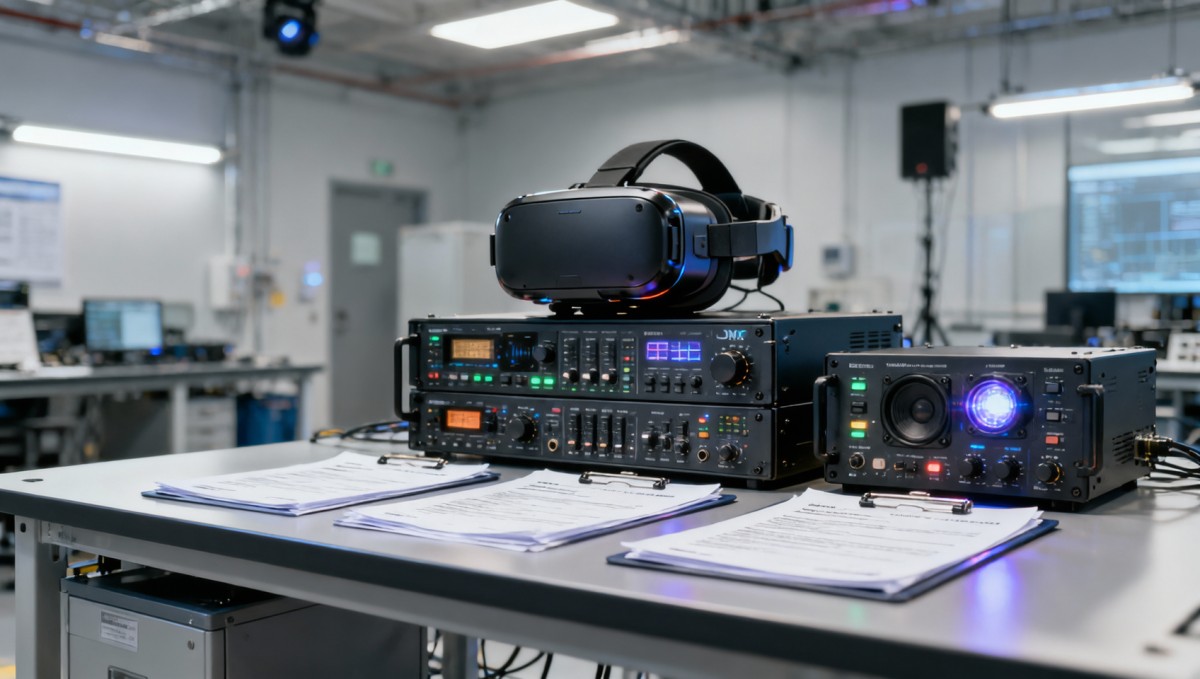
What the CPSC review now covers
The confirmed facts are limited but clear. The CPSC announced the review on June 22, 2026, and stated that it targets VR headsets for optical safety and thermal management. The stated scope covers consumer-grade and commercial-grade devices that include active light emission, infrared tracking, and synchronized sound-and-light feedback functions.
The review scope also extends to supporting equipment used in the Pro Stage Audio field when such products are integrated with VR systems. The examples provided in the event summary are laser lighting controllers and DMX-linked audio processors. The stated documentation requirement is the provision of an IEC 62471 photobiological safety report and an enhanced UL 8800 test certificate.
Where the pressure is likely to appear first
VR device makers and system designers face a narrower compliance window
From an industry perspective, manufacturers and system developers are the first group likely to feel the change because the review is framed around specific technical functions rather than a broad product category alone. That means products combining light emission, infrared tracking, and synchronized feedback may need their technical files, safety testing records, and supporting certificates organized in a way that can withstand closer review. The immediate effect is likely to appear in product release preparation, model qualification, and document readiness.
Stage-linked equipment suppliers may be drawn into end-product scrutiny
For suppliers of laser effect controllers and DMX-linked audio processors used with VR systems, the practical issue is that supporting equipment is no longer outside the compliance conversation simply because it is not the headset itself. Analysis shows that suppliers may need to confirm whether their products are described, tested, and delivered as components within a VR-linked use scenario, especially where sound-and-light synchronization is part of the installed function. This can affect quotation materials, technical annexes, and buyer requests for evidence packages.
Procurement and channel decisions may shift toward document-complete products
Buyers, distributors, and project channels may be affected because the stated requirement for IEC 62471 and enhanced UL 8800 documentation creates a clearer screening point during sourcing. Observably, products with incomplete reports or unclear certificate status could face slower approval in procurement review, project onboarding, or shipment scheduling. The impact is less about headline regulation language and more about whether purchasing teams can verify that the required documents match the actual integrated product configuration.
Testing and certification service providers may see a documentation bottleneck
Testing partners and certification-related service firms may be affected through timing and scope questions. Where a product stack includes both VR hardware and linked Pro Stage Audio equipment, the business challenge may lie in defining which documents apply to which configuration and whether existing reports are sufficient for the review context described by the CPSC announcement. That can influence lead times for testing, certificate updates, and submission preparation.
What companies should check now
Reconfirm whether the product falls inside the stated scope
Companies should first review whether their products include the functional elements identified in the announcement: active light emission, infrared tracking, and synchronized sound-and-light feedback. For Pro Stage Audio businesses, the key question is whether a device is sold or delivered as part of a VR-integrated solution rather than as a standalone audio or lighting unit.
Check the availability and consistency of required reports
What deserves closer attention is document completeness. The event summary specifically mentions an IEC 62471 photobiological safety report and an enhanced UL 8800 test certificate. Companies should therefore verify whether these materials exist, whether they correspond to the actual delivered model or integrated configuration, and whether internal sales, compliance, and engineering teams are using consistent document versions.
Review procurement files and delivery documentation
For exporters, integrators, and suppliers, contract packages, bid materials, model lists, and delivery files may need closer review. Analysis shows that even without further published execution detail in the input, buyers and downstream partners may begin asking earlier for safety reports, certificate copies, and technical descriptions tied to light, thermal, and synchronization functions. That makes document control a near-term operational issue.
Track follow-up wording and execution signals carefully
The current information does not provide detailed enforcement steps, timelines, or case outcomes. For that reason, companies should treat this as a trigger to monitor how the review is described in later official wording, procurement specifications, testing requests, and market feedback, rather than assuming that all practical requirements have already been fully standardized.
Why this looks more like an execution signal than a closed rule set
Observably, this development is best read as a compliance signal with immediate practical relevance, but not yet as a fully detailed rulebook in the information currently available. The presence of named technical documentation requirements gives the announcement operational weight, especially for integrated VR and stage-control products. At the same time, the input does not provide fuller detail on implementation rhythm, review thresholds, or how broadly supporting devices will be assessed in different commercial settings. That is why continued attention to later compliance wording and market-side document requests remains important.
How to read the development at this stage
From an industry perspective, the significance of this event lies in the widening compliance lens around VR-related systems. It is not only headset manufacturers that may need to react, but also linked suppliers in audio, lighting control, integration, testing, and procurement. A balanced reading is that the development already matters for internal self-checks and document preparation, while the full execution path still requires observation through subsequent regulatory communication, certification practice, tender language, and industry response.
Basis of this article and points still to verify
This article is generated from the user-provided news title, event date, and event summary. For developments of this kind, commonly relevant source types may include official regulator announcements, releases from supervisory agencies, information from trade or customs-related authorities, industry association notices, standards organization documents, and reporting by authoritative media. A specific official source link was not provided in the input, so that part still requires ongoing verification. Follow-up attention should remain on later policy detail, certification interpretation, tender document changes, industry feedback, and how companies implement related compliance checks in practice.
Search News
Hot Articles
- Outdoor RidesHow to Select Leisure Park Equipment for Safe, High-Throughput Visitor AreasOct 03, 2026
- Fashion & Gem JewelryDiamond Tester Wholesale: How to Vet Accuracy, Calibration, and MOQ Before OrderingOct 02, 2026
- Hotel Room AmenitiesHow Hotels Can Choose Amenity Bottles That Balance Brand Image and Refill CostsOct 01, 2026
Popular Tags
Need ExpertConsultation?
Connect with our specialized leisureengineering team for procurementstrategies.
Recommended News
 Sep 30, 2026How to Choose an Aluminum Projector Ceiling Mount for Load, Drop, and Ceiling TypeChoose an aluminum projector ceiling mount with confidence. Learn how load capacity, drop length, ceiling structure, safety retention, and service access shape a reliable commercial AV installation.● Pro Audio Engineer
 Sep 26, 2026How to Choose Dynamic Microphones for Vocals in Live Stage SettingsDynamic microphones for vocals: learn how to match polar patterns, feedback control, durability, and clarity to live stage needs for reliable, professional sound.● Pro Audio Engineer
 Sep 07, 2026How to Choose Wall Mount Speakers for Clear Audio in Commercial SpacesWall mount speakers for commercial spaces: learn how to optimize coverage, SPL, directivity, installation, and system design for clear, reliable audio.● Pro Audio Engineer
 Sep 03, 2026How to Choose Locking Speakon Speaker Cables for Reliable Live Sound ConnectionsLocking Speakon speaker cables: learn how to select the right gauge, connector pinout, strain relief, and durable construction for reliable live sound connections.● Pro Audio Engineer
 Sep 08, 2026Is It Worth Upgrading a Stage Sound System Mid-Project?Is it worth upgrading stage sound systems mid-project? Discover how to assess performance gaps, costs, compatibility, and long-term venue value.● Pro Audio Engineer
 Sep 04, 2026Can AV Systems Be Retrofitted Into Older Commercial Buildings?Can AV integration be retrofitted into older commercial buildings? Discover practical strategies for reliable, code-aware AV upgrades with minimal disruption.● Pro Audio Engineer
 Jul 17, 2026How to Choose a Crossover Networks Supplier: Key Specs, Quality Checks, and OEM FactorsFind the right crossover networks supplier with this practical guide to key specs, quality checks, OEM factors, and supply chain risks for better audio performance and sourcing confidence.● Pro Audio Engineer
 Jul 16, 2026How to Evaluate ODM Services for Pro Audio: Design, Certification, and Production CapabilitiesODM services for pro audio: learn how to assess design depth, certification readiness, and production strength to choose a reliable partner and launch better audio products with less risk.● Pro Audio Engineer
 Jul 15, 2026JETRO Flags Modular, Low-Power Shift in Pro Stage AudioPro Stage Audio buyers in Japan are shifting fast: JETRO flags modular amplifiers, IP65 line arrays, low standby power, and JIS compliance as key to channel entry.● Pro Audio Engineer
 Jul 15, 2026Paper Speaker Cones Explained: How Cone Weight and Stiffness Affect SoundPaper speaker cones explained: discover how cone weight and stiffness shape sensitivity, clarity, breakup control, and real-world speaker performance for smarter audio sourcing.● Pro Audio Engineer
 Jul 15, 2026Performance Venues Compliance Checklist: Fire Safety, Accessibility, and Crowd RulesPerformance venues compliance checklist covering fire safety, accessibility, and crowd rules. Learn how to reduce delays, improve approvals, and open safer, more resilient venues.● Pro Audio Engineer
 Jul 14, 2026Japan Adds EMC Immunity Test for Stage AmplifiersJapan Adds EMC Immunity Test for Stage Amplifiers: learn how Japan’s 2026 JIS update affects EMC testing, JIS marking, certification timing, and market access for exporters.● Pro Audio Engineer
 Jul 13, 2026CISCE 2026 Adds Pro Stage Audio ZoneCISCE 2026 Adds Pro Stage Audio Zone as free overseas pre-registration opens. Explore key updates for pro audio suppliers, distributors, and system integrators before the Shanghai expo.● Pro Audio Engineer
 Jul 12, 2026Japan Tightens Pro Stage Audio Efficiency Limits Under JIS C 8105-2026Japan Tightens Pro Stage Audio Efficiency Limits Under JIS C 8105-2026: learn how new PSE compliance rules reshape market access, product eligibility, and shipment planning in Japan.● Pro Audio Engineer
 Jul 12, 2026How to Choose Low Profile Ceiling Speakers for Hotels, Offices, and Retrofit ProjectsLow profile ceiling speakers for hotels, offices, and retrofit projects: learn how to compare depth, coverage, compliance, and installation factors to choose the right fit.● Pro Audio Engineer
 Jul 11, 2026Japan Tightens JIS C 8105-2026 for Pro AudioJapan Tightens JIS C 8105-2026 for Pro Audio: learn how stricter standby power, PSE diamond mark rules, and the 2026 deadline impact exports, compliance, and market access.● Pro Audio Engineer
 Jul 10, 2026JETRO Q2 Outlook Signals Higher Stage Audio DemandJETRO Q2 Outlook signals higher stage audio demand in Japan, with 37% procurement growth and stricter PSE Annex D compliance. See what importers, manufacturers, and rental channels must act on now.● Pro Audio Engineer
 Jul 10, 2026How to Choose Wall Mount Speakers for Restaurants by Layout, Coverage, and SPLWall mount speakers for restaurants should match layout, coverage, and SPL. Learn how to choose the right setup for even sound, guest comfort, and reliable performance.● Pro Audio Engineer
 Jul 09, 2026JIS T 9001:2026 Adds Mandatory AI Noise LabelsJIS T 9001:2026 adds mandatory AI noise labels for pro audio gear from October 2026. Learn how it impacts compliance, testing, exports, and product launches.● Pro Audio Engineer
 Jul 06, 2026Improving Sound Reinforcement Speech Clarity: Key Causes of Muddiness and How to Fix ThemSound reinforcement speech clarity starts with identifying reverberation, coverage, noise, and timing issues. Discover practical fixes that make announcements clearer and commercial spaces perform better.● Pro Audio Engineer
 Jul 05, 2026Saudi Rule Adds Arabic UI Requirement for Pro Audio ImportsSaudi Rule Adds Arabic UI Requirement for Pro Audio Imports: learn how SASO’s new Arabic UI mandate affects digital amplifiers, DSP processors, and network audio interfaces before Sept. 1, 2026.● Pro Audio Engineer
 Jul 02, 2026How to Choose Audio Mixing Consoles for Live Venues: Channels, Buses, and I/O ExplainedAudio mixing consoles explained for live venues: learn how to choose the right channels, buses, and I/O to improve workflow, support growth, and avoid costly mistakes.● Pro Audio Engineer
 Jul 01, 2026UL 62368-3:2026 Adds EMC Rules for Pro Stage AudioUL 62368-3:2026 adds EMC rules for Pro Stage Audio, requiring Level 4 immunity and manual labeling by Oct 1, 2026. See what exporters, makers, and buyers must do now.● Pro Audio Engineer
 Jun 30, 2026Sound Reinforcement Design Basics: How to Plan Coverage, SPL, and Speaker PlacementSound reinforcement design starts with smarter coverage, target SPL, and speaker placement. Learn how to plan clearer, more reliable audio performance for commercial spaces.● Pro Audio Engineer