Sound Reinforcement Design Basics: How to Plan Coverage, SPL, and Speaker Placement
Effective sound reinforcement design begins long before equipment selection. In commercial venues, hospitality projects, campuses, and entertainment spaces, the real task is to shape consistent listening conditions across the audience area.
That is why early decisions about coverage, target SPL, and speaker placement deserve close attention. When these fundamentals are defined well, intelligibility improves, specification reviews become clearer, and installation risks are easier to control.
Within Global Commercial Trade's cross-sector view of commercial environments, audio performance is rarely an isolated concern. It connects to interior design, safety compliance, operational reliability, and the overall quality of the customer experience.
What sound reinforcement design actually covers
At its core, sound reinforcement design is the planning process that turns an acoustic goal into a workable system layout. It addresses where sound must go, how loud it should be, and how evenly it should arrive.
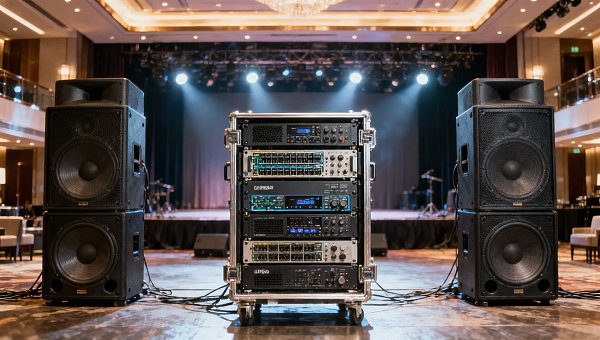
This includes loudspeaker type, quantity, mounting height, aiming angle, amplifier headroom, signal distribution, and the interaction between the system and the room itself.
A common mistake is to treat speaker power as the main indicator of performance. In practice, poor coverage geometry can undermine even high-end equipment, while a well-planned layout often delivers better results with moderate hardware.
Why the topic matters more in current commercial projects
Commercial spaces now demand more from audio systems. Hotels host mixed-use events, schools combine speech and multimedia, retail environments seek atmosphere without listener fatigue, and leisure venues require controlled impact.
At the same time, buyers increasingly compare global suppliers on measurable outcomes, not just brand recognition. A proposal that explains coverage maps, SPL targets, and speaker placement logic is easier to trust than one built around product names alone.
This is where sound reinforcement design becomes a decision framework. It helps separate systems that look impressive on paper from systems that will actually perform under operational conditions.
Coverage comes first, because uniform listening matters
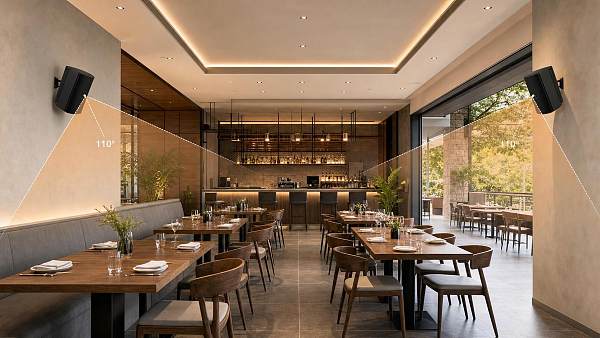
Coverage describes how sound energy is distributed across the listening area. Good coverage means front, middle, and rear seats receive similar clarity, tonal balance, and level.
In speech-driven environments, uneven coverage usually shows up as missing consonants, inconsistent speech intelligibility, or areas that feel either harsh or distant. In music-focused spaces, it often appears as tonal imbalance and unstable audience experience.
The design question is not simply how far a speaker can throw. It is whether the chosen dispersion pattern matches the room width, ceiling height, seating rake, and reflective surfaces.
Key coverage variables to review
- Horizontal and vertical dispersion relative to audience geometry
- Mounting height and aiming tolerance
- Distance to the farthest listening position
- Overlap between adjacent speakers
- Potential reflections from glass, stone, or hard ceilings
In many commercial interiors, narrower is not always better. A tight pattern may protect walls and ceilings, but it can also leave dead zones if the room is broad or irregular.
Target SPL should match use, not assumptions
SPL planning is often reduced to a single loudness number. That is too simplistic. Useful sound reinforcement design defines target SPL by program type, background noise, audience density, and the dynamic range expected during operation.
Speech systems need enough level above ambient noise to remain intelligible without becoming aggressive. Music systems usually require more headroom, especially in venues with energetic crowd noise.
A practical evaluation often looks at average operating level, peak capability, and level consistency across the coverage zone. Wide variation between seats can be as problematic as insufficient maximum output.
Speaker placement is where design intent becomes real
Speaker placement is not just a mounting exercise. It determines arrival time, direct-to-reverberant ratio, visual integration, maintenance access, and the amount of corrective processing needed later.
In many projects, speaker positions are compromised by ceiling design, lighting grids, sightlines, or architectural constraints. That is normal. The important point is to evaluate those constraints early enough to avoid forcing the system into inefficient angles.
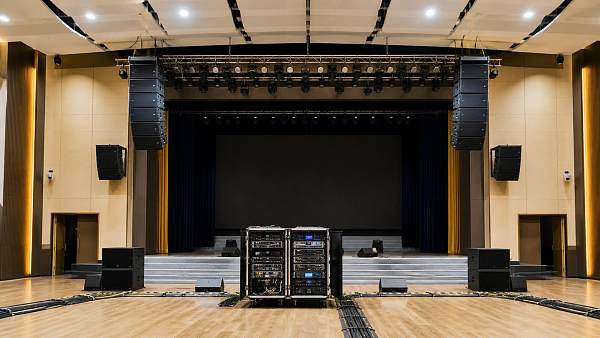
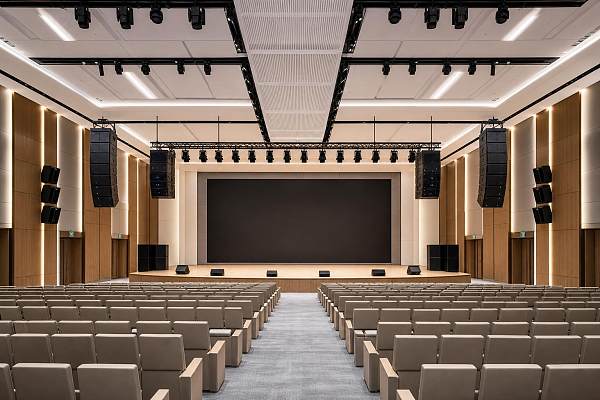
Distributed systems may suit long rooms, low ceilings, or speech-heavy spaces. Point-source clusters or array-based solutions may fit larger audience areas that need longer throw and controlled vertical coverage.
Placement issues that often create avoidable problems
- Speakers mounted too high, increasing reflections and reducing clarity
- Coverage patterns crossing hard side walls
- Front fills omitted in shallow audience zones
- Delay speakers added without proper time alignment
- Subwoofer placement chosen only for convenience
Room behavior can change the result more than expected
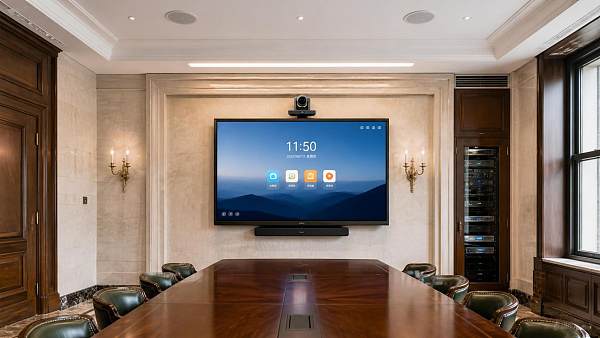
Even a careful sound reinforcement design can underperform in a highly reflective room. Glass facades, marble finishes, exposed concrete, and decorative metal surfaces can blur speech and exaggerate brightness.
This matters in upscale hospitality and branded commercial environments, where visual materials are often selected for aesthetics first. Audio planning should therefore run alongside interior coordination, not after finishes are fixed.
Acoustic treatment is not always extensive or expensive. Sometimes the better move is tighter aiming, lower mounting, shorter throw distances, or more localized speaker zones.
How to compare proposals with more confidence
When reviewing system options, the strongest proposals usually explain their assumptions. They identify audience areas, ambient conditions, target use cases, and expected performance variation.
That level of detail is especially important in international sourcing. Across GCT-covered sectors, supplier claims should be read alongside documentation quality, compliance evidence, commissioning scope, and after-installation support.
Useful comparison points include:
- Predicted coverage maps and SPL variation
- Loudspeaker model suitability for the room geometry
- Mounting and rigging compliance details
- DSP, tuning, and commissioning methodology
- Integration with architectural and operational constraints
If those elements are missing, pricing alone offers little insight into long-term value.
Typical commercial scenarios need different design logic
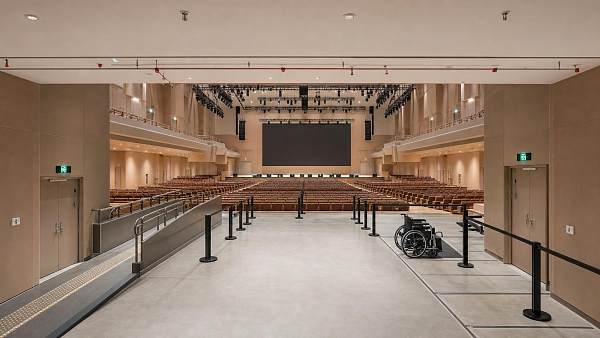
A ballroom, a campus auditorium, a flagship store, and an attraction queue line may all require reinforcement, but the design priorities are not interchangeable.
In hospitality, flexibility matters. Systems often need to handle speeches, background music, hybrid events, and room reconfiguration with minimal operational friction.
In educational environments, intelligibility and consistent coverage usually outrank sheer output. In leisure venues, directional control and environmental zoning become more important. In premium retail, discreet placement and tonal comfort may drive the decision.
Good sound reinforcement design responds to those differences instead of applying the same package across every venue type.
A practical path for the next evaluation round
The most useful next step is to document the room, the listening zones, the operating goals, and the expected noise conditions before comparing equipment lists.
From there, review sound reinforcement design proposals against three basics: whether coverage is even, whether target SPL is appropriate, and whether speaker placement supports the room instead of fighting it.
That approach creates a more reliable basis for specification review, supplier comparison, and long-term performance planning. In commercial environments where experience quality shapes business value, those fundamentals are rarely minor details.
Search News
Hot Articles
- Outdoor RidesHow to Select Leisure Park Equipment for Safe, High-Throughput Visitor AreasOct 03, 2026
- Fashion & Gem JewelryDiamond Tester Wholesale: How to Vet Accuracy, Calibration, and MOQ Before OrderingOct 02, 2026
- Hotel Room AmenitiesHow Hotels Can Choose Amenity Bottles That Balance Brand Image and Refill CostsOct 01, 2026
Popular Tags
Need ExpertConsultation?
Connect with our specialized leisureengineering team for procurementstrategies.
Recommended News
 Sep 30, 2026How to Choose an Aluminum Projector Ceiling Mount for Load, Drop, and Ceiling TypeChoose an aluminum projector ceiling mount with confidence. Learn how load capacity, drop length, ceiling structure, safety retention, and service access shape a reliable commercial AV installation.● Pro Audio Engineer
 Sep 26, 2026How to Choose Dynamic Microphones for Vocals in Live Stage SettingsDynamic microphones for vocals: learn how to match polar patterns, feedback control, durability, and clarity to live stage needs for reliable, professional sound.● Pro Audio Engineer
 Sep 07, 2026How to Choose Wall Mount Speakers for Clear Audio in Commercial SpacesWall mount speakers for commercial spaces: learn how to optimize coverage, SPL, directivity, installation, and system design for clear, reliable audio.● Pro Audio Engineer
 Sep 03, 2026How to Choose Locking Speakon Speaker Cables for Reliable Live Sound ConnectionsLocking Speakon speaker cables: learn how to select the right gauge, connector pinout, strain relief, and durable construction for reliable live sound connections.● Pro Audio Engineer
 Sep 08, 2026Is It Worth Upgrading a Stage Sound System Mid-Project?Is it worth upgrading stage sound systems mid-project? Discover how to assess performance gaps, costs, compatibility, and long-term venue value.● Pro Audio Engineer
 Sep 04, 2026Can AV Systems Be Retrofitted Into Older Commercial Buildings?Can AV integration be retrofitted into older commercial buildings? Discover practical strategies for reliable, code-aware AV upgrades with minimal disruption.● Pro Audio Engineer
 Jul 17, 2026How to Choose a Crossover Networks Supplier: Key Specs, Quality Checks, and OEM FactorsFind the right crossover networks supplier with this practical guide to key specs, quality checks, OEM factors, and supply chain risks for better audio performance and sourcing confidence.● Pro Audio Engineer
 Jul 16, 2026How to Evaluate ODM Services for Pro Audio: Design, Certification, and Production CapabilitiesODM services for pro audio: learn how to assess design depth, certification readiness, and production strength to choose a reliable partner and launch better audio products with less risk.● Pro Audio Engineer
 Jul 15, 2026JETRO Flags Modular, Low-Power Shift in Pro Stage AudioPro Stage Audio buyers in Japan are shifting fast: JETRO flags modular amplifiers, IP65 line arrays, low standby power, and JIS compliance as key to channel entry.● Pro Audio Engineer
 Jul 15, 2026Paper Speaker Cones Explained: How Cone Weight and Stiffness Affect SoundPaper speaker cones explained: discover how cone weight and stiffness shape sensitivity, clarity, breakup control, and real-world speaker performance for smarter audio sourcing.● Pro Audio Engineer
 Jul 15, 2026Performance Venues Compliance Checklist: Fire Safety, Accessibility, and Crowd RulesPerformance venues compliance checklist covering fire safety, accessibility, and crowd rules. Learn how to reduce delays, improve approvals, and open safer, more resilient venues.● Pro Audio Engineer
 Jul 14, 2026Japan Adds EMC Immunity Test for Stage AmplifiersJapan Adds EMC Immunity Test for Stage Amplifiers: learn how Japan’s 2026 JIS update affects EMC testing, JIS marking, certification timing, and market access for exporters.● Pro Audio Engineer
 Jul 13, 2026CISCE 2026 Adds Pro Stage Audio ZoneCISCE 2026 Adds Pro Stage Audio Zone as free overseas pre-registration opens. Explore key updates for pro audio suppliers, distributors, and system integrators before the Shanghai expo.● Pro Audio Engineer
 Jul 12, 2026Japan Tightens Pro Stage Audio Efficiency Limits Under JIS C 8105-2026Japan Tightens Pro Stage Audio Efficiency Limits Under JIS C 8105-2026: learn how new PSE compliance rules reshape market access, product eligibility, and shipment planning in Japan.● Pro Audio Engineer
 Jul 12, 2026How to Choose Low Profile Ceiling Speakers for Hotels, Offices, and Retrofit ProjectsLow profile ceiling speakers for hotels, offices, and retrofit projects: learn how to compare depth, coverage, compliance, and installation factors to choose the right fit.● Pro Audio Engineer
 Jul 11, 2026Japan Tightens JIS C 8105-2026 for Pro AudioJapan Tightens JIS C 8105-2026 for Pro Audio: learn how stricter standby power, PSE diamond mark rules, and the 2026 deadline impact exports, compliance, and market access.● Pro Audio Engineer
 Jul 10, 2026JETRO Q2 Outlook Signals Higher Stage Audio DemandJETRO Q2 Outlook signals higher stage audio demand in Japan, with 37% procurement growth and stricter PSE Annex D compliance. See what importers, manufacturers, and rental channels must act on now.● Pro Audio Engineer
 Jul 10, 2026How to Choose Wall Mount Speakers for Restaurants by Layout, Coverage, and SPLWall mount speakers for restaurants should match layout, coverage, and SPL. Learn how to choose the right setup for even sound, guest comfort, and reliable performance.● Pro Audio Engineer
 Jul 09, 2026JIS T 9001:2026 Adds Mandatory AI Noise LabelsJIS T 9001:2026 adds mandatory AI noise labels for pro audio gear from October 2026. Learn how it impacts compliance, testing, exports, and product launches.● Pro Audio Engineer
 Jul 06, 2026Improving Sound Reinforcement Speech Clarity: Key Causes of Muddiness and How to Fix ThemSound reinforcement speech clarity starts with identifying reverberation, coverage, noise, and timing issues. Discover practical fixes that make announcements clearer and commercial spaces perform better.● Pro Audio Engineer
 Jul 05, 2026Saudi Rule Adds Arabic UI Requirement for Pro Audio ImportsSaudi Rule Adds Arabic UI Requirement for Pro Audio Imports: learn how SASO’s new Arabic UI mandate affects digital amplifiers, DSP processors, and network audio interfaces before Sept. 1, 2026.● Pro Audio Engineer
 Jul 02, 2026How to Choose Audio Mixing Consoles for Live Venues: Channels, Buses, and I/O ExplainedAudio mixing consoles explained for live venues: learn how to choose the right channels, buses, and I/O to improve workflow, support growth, and avoid costly mistakes.● Pro Audio Engineer
 Jul 01, 2026UL 62368-3:2026 Adds EMC Rules for Pro Stage AudioUL 62368-3:2026 adds EMC rules for Pro Stage Audio, requiring Level 4 immunity and manual labeling by Oct 1, 2026. See what exporters, makers, and buyers must do now.● Pro Audio Engineer
 Jun 30, 2026Sound Reinforcement Design Basics: How to Plan Coverage, SPL, and Speaker PlacementSound reinforcement design starts with smarter coverage, target SPL, and speaker placement. Learn how to plan clearer, more reliable audio performance for commercial spaces.● Pro Audio Engineer