Tungsten carbide rings vs gold for daily wear
Choosing between tungsten carbide rings and gold for daily wear now reflects a wider shift in jewelry buying. Buyers increasingly want style, resilience, predictable upkeep, and long-term value in one piece.
That is why the debate around tungsten carbide rings versus gold has grown stronger. Daily wear expectations have changed, especially as people seek materials matching active routines and modern aesthetics.
This comparison looks beyond surface appearance. It examines durability, comfort, maintenance, price stability, and practical suitability, helping clarify which ring performs better in everyday life.
Why daily-wear priorities are shifting in favor of performance
Jewelry is no longer judged only by tradition or prestige. Everyday accessories are now evaluated like lifestyle tools, expected to survive work, travel, exercise, and constant handling.
This shift has increased interest in tungsten carbide rings. They are often chosen by people who want a ring that keeps its finish with minimal attention.
Gold still holds strong emotional and cultural value. Yet for daily wear, practical concerns often move to the front of the decision.
The result is a clearer split in buyer behavior. Some prefer enduring symbolism and resale value, while others prioritize scratch resistance and stable appearance.
The core difference between tungsten carbide rings and gold is becoming more visible
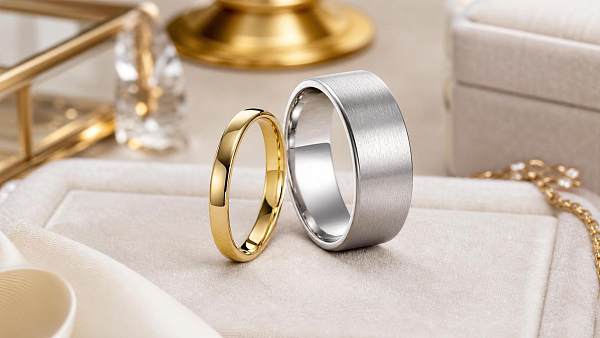
At first glance, both materials can look refined and premium. However, their performance over time differs sharply, especially under frequent daily use.
In simple terms, tungsten carbide rings are optimized for wear resistance. Gold is optimized for heritage, adaptability, and precious material status.
Several forces are driving stronger demand for tungsten carbide rings
The rise of tungsten carbide rings is not random. It reflects broader consumer behavior and product expectations across jewelry and lifestyle categories.
- Active lifestyles increase demand for rings that resist daily abrasion.
- Minimal-maintenance products are preferred in fast-paced routines.
- Modern buyers often value appearance retention over traditional material prestige.
- Alternative metals appeal to those seeking contemporary, industrial-inspired design.
- Price sensitivity encourages interest in durable options below precious metal costs.
These forces help explain why tungsten carbide rings are discussed more often in daily-wear comparisons. They answer a modern use case better than many classic materials.
Why gold still remains relevant despite changing preferences
Gold continues to matter because emotional significance is still powerful. It carries associations with commitment, luxury, inheritance, and recognized material worth.
Gold also offers flexibility that tungsten carbide rings often cannot. It can be resized, repaired, engraved, and reworked more easily in many cases.
Durability trends show tungsten carbide rings winning in surface performance
For everyday scratches, tungsten carbide rings usually outperform gold by a wide margin. Keys, desks, tools, bags, and hard surfaces leave less visible wear.
Gold, especially in higher karats, is softer. Over time, small scratches accumulate, edges soften, and polished finishes lose sharpness.
This does not mean gold is poor quality. It means gold ages visibly, while tungsten carbide rings tend to preserve a cleaner exterior longer.
Still, hardness has a tradeoff. Tungsten carbide rings resist scratches well, but under severe impact they may crack rather than bend.
Gold behaves differently. It is more likely to dent or deform, yet it can often be repaired instead of replaced.
Comfort, fit, and maintenance are influencing final decisions more than before
Comfort has become a leading decision factor in jewelry selection. A ring worn every day must feel stable, smooth, and easy to live with.
Tungsten carbide rings usually feel heavier. Many people enjoy that solid, premium sensation, while others prefer a lighter ring for constant wear.
Gold offers broader variation by alloy and karat. That gives more room to choose weight, color, and softness based on personal preference.
- Choose tungsten carbide rings for low-polish upkeep and strong scratch resistance.
- Choose gold if future resizing is likely.
- Choose gold if repairability is important.
- Choose tungsten carbide rings if consistent appearance matters most.
In maintenance terms, tungsten carbide rings are usually easier. Gold often needs periodic polishing to restore its original look after regular wear.
Different daily routines produce different winners
No single material is perfect for everyone. The better choice depends on movement patterns, work environments, travel frequency, and aesthetic expectations.
This is where the tungsten carbide rings versus gold question becomes practical. Lifestyle often matters more than prestige once the ring enters daily rotation.
What deserves closer attention before making a final choice
A smart decision comes from weighing use conditions, not just showroom appearance. Several details deserve special attention before purchase.
- Confirm exact sizing, since tungsten carbide rings are rarely resizable.
- Check edge design and inner comfort fit for all-day wear.
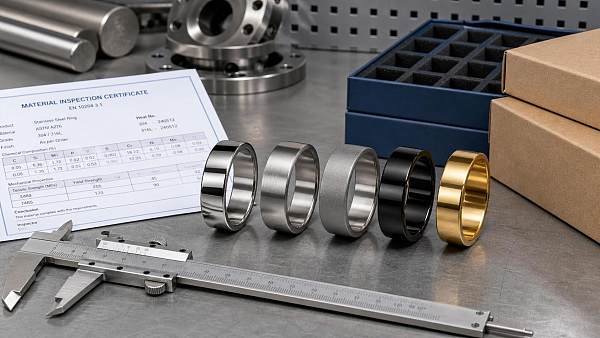
- Compare finish types, including polished, brushed, matte, or plated styles.
- Ask about impact resistance, warranty coverage, and replacement options.
- Consider whether sentimental value or wear performance matters more.
These points are especially important when reviewing tungsten carbide rings online. The material is dependable, but sizing and product quality still vary by maker.
A balanced decision usually comes down to value, not just price
Gold often costs more upfront, and its market value gives it a different financial profile. Tungsten carbide rings usually cost less and deliver strong daily-use efficiency.
That means value should be defined carefully. If value means precious metal ownership, gold leads. If value means lasting appearance with less maintenance, tungsten carbide rings lead.
For many everyday users, the best answer is simple. Choose gold for heritage, flexibility, and long-term symbolic worth. Choose tungsten carbide rings for durability, modern style, and daily convenience.
Before deciding, review your routine, your tolerance for maintenance, and whether future resizing may matter. That final check usually makes the right ring choice clear.
If daily wear performance is the priority, start by comparing tungsten carbide rings with clear sizing details, finish options, and warranty support. A better match begins with how the ring will actually be worn.
Search News
Hot Articles
- Indoor PlaygroundHow to Choose Animatronic Haunted House Props for High-Throughput AttractionsOct 08, 2026
- Fashion & Gem JewelryThermal Diamond Testers: How They Work and When They Can Misidentify StonesOct 07, 2026
- Commercial KitchenWhat Is Driving Demand for Commercial Hospitality Projects Across the GCC?Oct 06, 2026
Popular Tags
Need ExpertConsultation?
Connect with our specialized leisureengineering team for procurementstrategies.
Recommended News
 Oct 07, 2026Thermal Diamond Testers: How They Work and When They Can Misidentify StonesThermal diamond tester guide: learn how it works, spot false positives from moissanite, and choose reliable verification methods for jewelry trade and retail.● Luxury Retail Analyst
 Oct 02, 2026Diamond Tester Wholesale: How to Vet Accuracy, Calibration, and MOQ Before OrderingDiamond tester wholesale guide: verify accuracy, calibration records, supplier quality controls, and MOQ terms before ordering. Source reliable testers with confidence.● Luxury Retail Analyst
 Sep 09, 2026Wholesale Coral Earrings: How Buyers Can Assess Quality, Treatments, and Supply RiskCoral jewelry earrings wholesale guide for buyers: assess quality, treatments, secure settings, documentation, and supply risks before ordering.● Luxury Retail Analyst
 Sep 01, 2026How to Choose a Jewelry Laser Engraving Machine Manufacturer for Custom ProductionChoose a jewelry laser engraving machine manufacturer with proven sample testing, precision fixtures, workflow-ready software, and reliable support for custom production.● Luxury Retail Analyst
 Aug 27, 2026Evaluating Luxury Retail Accessories Suppliers: Quality, Lead Times, and Brand FitLuxury retail accessories supplier selection made clearer: assess quality, lead times, compliance, costs, and brand fit to protect premium launches and margins.● Luxury Retail Analyst
 Jul 29, 2026Fine Jewelry Price Guide: What Affects Cost and How to Judge Real ValueFine jewelry price guide for buyers: learn what drives cost in metals, gemstones, craftsmanship, certification, and branding so you can judge real value, reduce sourcing risk, and buy with confidence.● Luxury Retail Analyst
 Jul 14, 2026What to Ask an Enamel Jewelry Manufacturer Before Sampling and Mass ProductionEnamel jewelry manufacturer selection starts with the right questions. Learn what to ask about materials, color matching, MOQ, QC, compliance, and lead times before sampling and mass production.● Luxury Retail Analyst
 Jul 12, 2026Surgical Steel Belly Rings vs Titanium: Material Differences, Safety, and CostSurgical steel belly rings vs titanium: compare safety, nickel exposure, comfort, durability, and cost to choose the best option for sensitive skin or budget-friendly style.● Luxury Retail Analyst
 Jul 12, 2026Natural Coral Jewelry Guide: How to Identify Real Coral, Treatments, and QualityNatural coral jewelry guide covering how to identify real coral, spot treatments, assess quality, and buy with confidence. Learn the key signs before you choose.● Luxury Retail Analyst
 Jul 11, 2026Braided Leather Bracelets OEM: Material, Clasp, and MOQ Factors Before SamplingBraided leather bracelets OEM guide covering material grades, clasp options, and MOQ factors before sampling. Learn how to reduce sourcing risk, control cost, and choose the right supplier.● Luxury Retail Analyst
 Jul 09, 2026Jewelry Craftsmanship Gemstone Setting Methods Explained: Prong, Bezel, Pave, and MoreJewelry craftsmanship gemstone setting explained clearly: compare prong, bezel, pavé, channel, and more to choose secure, beautiful, and commercially smart jewelry designs.● Luxury Retail Analyst
 Jul 06, 2026Photo Locket Necklace Manufacturer Selection Guide: Materials, MOQ, and Custom OptionsPhoto locket necklace manufacturer selection guide covering materials, MOQ, custom options, compliance, and quality checks to help buyers source smarter and build stronger jewelry lines.● Luxury Retail Analyst
 Jul 05, 2026What to Check When Comparing a Sterling Silver Clasp ManufacturerChoosing a sterling silver clasp manufacturer? Learn what to check first: 925 silver claims, finish quality, testing, compliance, lead times, and hidden sourcing costs.● Luxury Retail Analyst
 Jul 02, 2026Jewelry Craftsmanship Techniques Explained: Casting, Stone Setting, Engraving, and PolishingJewelry craftsmanship techniques explained: discover how casting, stone setting, engraving, and polishing shape quality, durability, and sourcing confidence.● Luxury Retail Analyst
 Jul 01, 2026Lost Wax Casting Machines Explained: Types, Capacity, and Metal CompatibilityLost wax casting machines explained: compare types, real capacity, and metal compatibility to choose the right system for precision casting, higher quality, and smarter sourcing.● Luxury Retail Analyst
 Jun 29, 2026How to Evaluate a Luxury Accessories Online Store Before You BuyLuxury accessories online store buying guide: learn how to verify authenticity, compare policies, check reviews, and avoid costly mistakes before you place an order.● Luxury Retail Analyst
 Jun 22, 2026Matching Couple Rings: Popular Materials, Fit Differences, and How to ChooseMatching couple rings guide: compare popular materials, fit differences, comfort, durability, and resizing options to choose a stylish pair that truly lasts.● Luxury Retail Analyst
 Jun 19, 2026How to Build a Fashion Accessories Catalog That Improves Product Discovery and SalesFashion accessories catalog strategies that improve product discovery, filtering, and conversions. Learn how to structure pages, categories, and data to drive more qualified sales.● Luxury Retail Analyst
 Jun 19, 2026How to Choose Luxury Accessories for Women by Material, Style, and Price PointLuxury accessories for women: learn how to choose the right pieces by material, style, and price point for better value, timeless appeal, and smarter buying decisions.● Luxury Retail Analyst
 Jun 18, 2026Stainless Steel Rings Bulk: 304 vs 316L, Finishes, and Custom Order FactorsStainless steel rings bulk guide: compare 304 vs 316L, explore finish options, and learn key custom order factors to reduce sourcing risk and improve product value.● Luxury Retail Analyst
 Jun 18, 2026Body Piercing Jewelry Bulk Buying Guide: Materials, Sizes, and MOQ QuestionsBody piercing jewelry bulk buying guide covering safe materials, size checks, MOQ strategy, supplier screening, and compliance tips to reduce risk and source with confidence.● Luxury Retail Analyst
 Jun 18, 2026How to Evaluate a Luxury Jewelry Exporter for Quality, Compliance, and DeliveryLuxury jewelry exporter evaluation starts with more than design. Learn how to verify quality, compliance, and delivery control to source premium jewelry with less risk.● Luxury Retail Analyst
 Jun 17, 2026Iced Out Watches Wholesale: How to Compare MOQ, Stone Quality, and MarginsIced out watches wholesale guide: compare MOQ, stone quality, and real margins to choose reliable suppliers, reduce risk, and grow resale profits with smarter sourcing.● Luxury Retail Analyst
 Jun 15, 2026How to Evaluate an Amber Jewelry Manufacturer: Quality Grades, OEM Options, and Lead TimesAmber jewelry manufacturer selection starts with quality grades, OEM capability, and realistic lead times. Learn how to compare suppliers, reduce sourcing risk, and choose with confidence.● Luxury Retail Analyst