What Shortens the Lifespan of Musical Instruments in Daily Use?
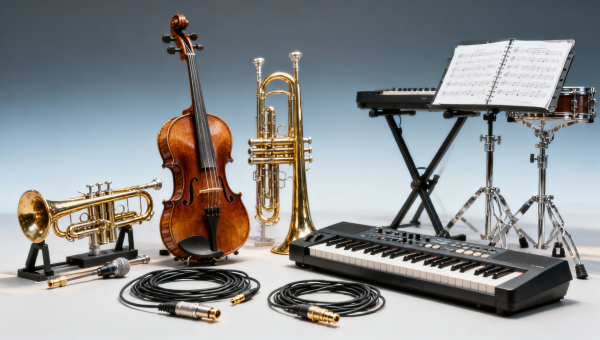
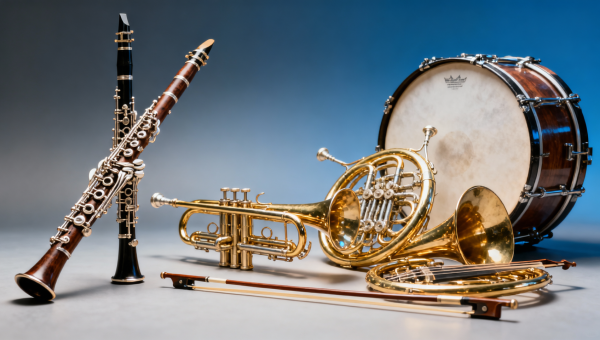
From string instruments and wind instruments to percussion instruments, the lifespan of musical instruments is shaped by daily handling, storage, climate, and maintenance habits. For buyers, distributors, and commercial venue operators sourcing for schools, studios, or entertainment spaces, understanding what causes premature wear is essential to protecting value, performance, and long-term procurement decisions.
In commercial settings, instrument failure is rarely caused by one dramatic event. More often, it results from repeated exposure to humidity swings, rough transport, infrequent servicing, improper cleaning, or mismatched usage intensity. For procurement teams, these issues affect replacement cycles, warranty claims, resale value, and user satisfaction across music classrooms, rental fleets, live venues, and rehearsal spaces.
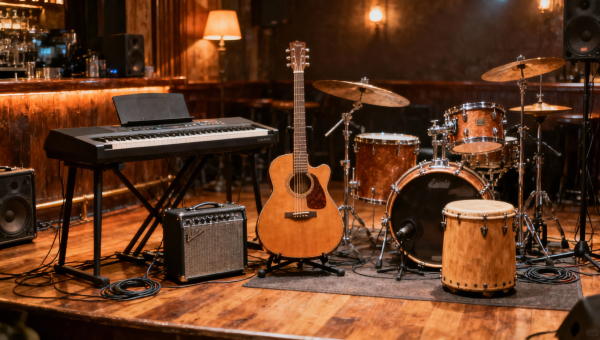
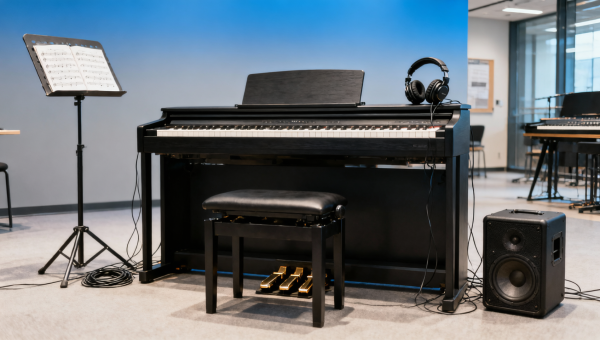
A piano in a hotel lounge, a drum kit in an entertainment venue, and a batch of student violins in a school program all face different stress factors. The practical question is not only how long an instrument can last, but what shortens that lifespan in day-to-day use and how sourcing decisions can reduce avoidable deterioration.
Daily Wear Factors That Damage Musical Instruments Faster
The most common causes of shortened musical instrument lifespan are mechanical stress, environmental exposure, and inconsistent care. In daily use, instruments may be handled by multiple users, moved between rooms, or stored in spaces without climate control. Over a period of 12 to 24 months, these small issues can create major declines in tuning stability, finish condition, pad sealing, key alignment, or shell integrity.
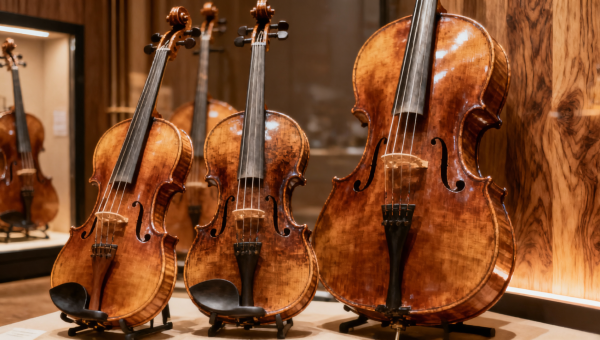
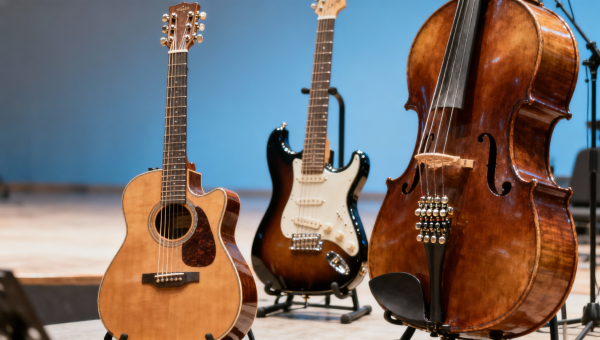
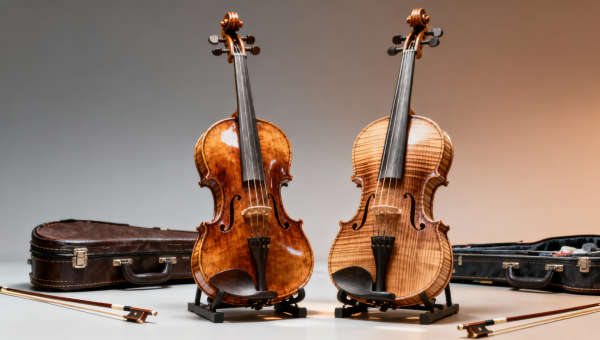
String instruments are especially vulnerable to humidity fluctuation. When relative humidity falls below 40% or rises above 60%, wood may shrink, swell, crack, or lose structural balance. For violins, cellos, guitars, and upright pianos, repeated movement between air-conditioned rooms and humid loading areas often causes more harm than normal playing itself.
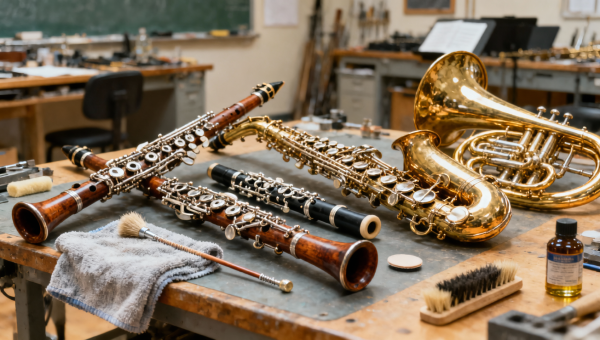
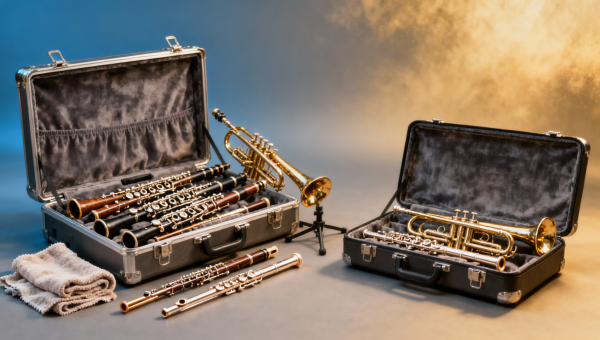
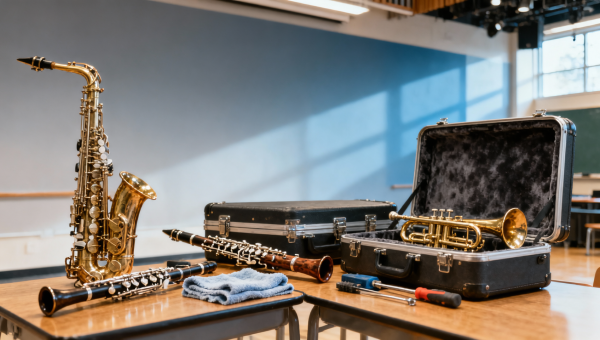
Wind instruments face a different risk profile. Moisture buildup, residue from breath, and infrequent swabbing accelerate corrosion, pad wear, and odor formation. Brass instruments can also suffer finish breakdown from skin oils and acidic perspiration, especially when shared by students or rental users and cleaned less than once per week.
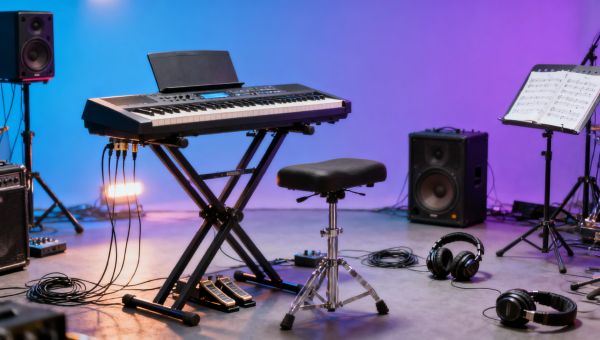
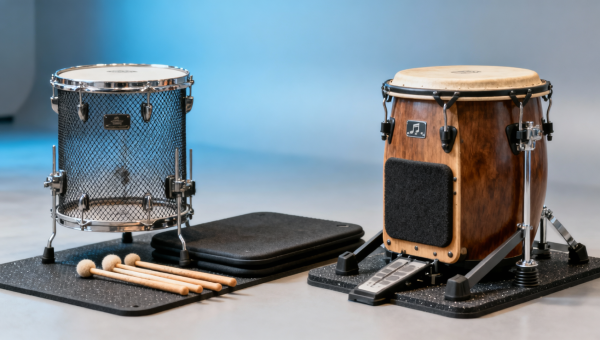
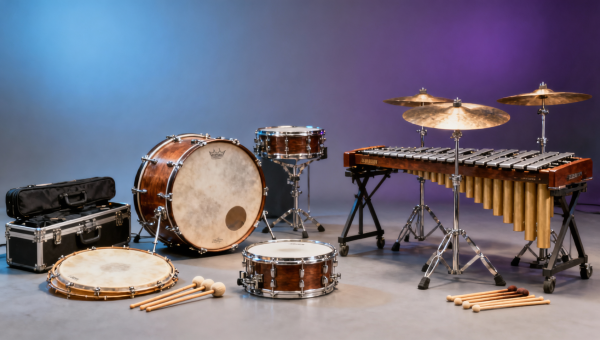
Percussion equipment and keyboards often deteriorate through impact abuse, unstable stands, and poor transport methods. Cymbals crack when mounted too tightly, drum heads deform under uneven tension, and digital keyboards fail early when exposed to dust, spilled beverages, or unstable voltage. In entertainment venues with 4 to 6 nights of weekly operation, these risks multiply quickly.
High-frequency damage points by instrument category
For commercial buyers, identifying the weak points of each category helps build better maintenance schedules and stock planning. The table below outlines common daily-use threats and their operational consequences.
The key takeaway is that daily-use wear is highly predictable. Most premature failures are not random defects; they are linked to repetitive operational conditions. That makes lifespan management a sourcing and facility issue, not only a player issue.
Common operational mistakes
- Storing instruments within 1 to 2 meters of HVAC vents, windows, or exterior doors where temperature swings are highest.
- Using one generic cleaning routine for wood, brass, lacquered, and electronic surfaces instead of material-specific care.
- Allowing shared-use fleets to operate without check-in and check-out inspection records.
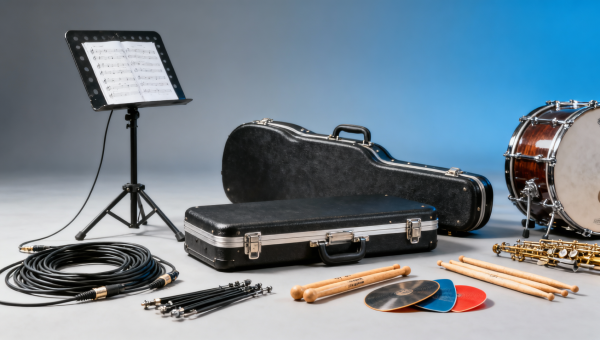
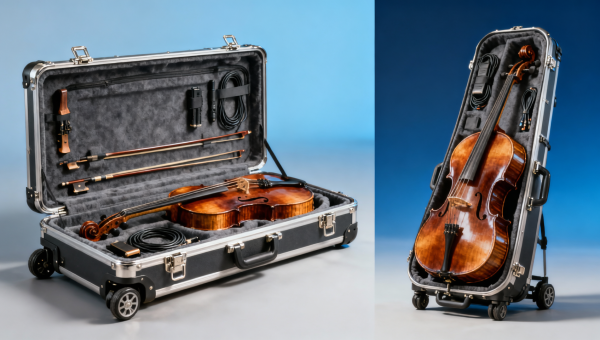
- Transporting instruments without padded hard cases or internal support during weekly venue rotation.
Storage Conditions and Climate Control Matter More Than Many Buyers Expect
Storage quality has a direct effect on how long musical instruments remain stable in commercial service. Even a well-built instrument can degrade quickly if it is left in a humid storeroom, exposed to direct sunlight, or stacked in crowded back-of-house areas. For institutions that hold inventory for 3 to 5 years before full replacement, storage policy is a financial control point.
Wood-based instruments perform best in relatively stable conditions, typically around 18°C to 24°C with 45% to 55% relative humidity. Sudden shifts are often more harmful than moderately imperfect conditions. A guitar that moves from a dry rehearsal room to a humid vehicle compartment within 30 minutes may experience repeated expansion stress that weakens glue joints and finish layers over time.
Electronic instruments and amplified keyboard systems are also sensitive to dust and heat. Internal circuits, connectors, and key contacts may deteriorate faster when stored in unsealed spaces with airborne debris. In mixed-use leisure and entertainment sites, food and beverage contamination is another overlooked factor, especially where equipment is set up near audience areas.
Commercial operators should also separate active-use instruments from reserve inventory. Instruments in daily rotation need fast access and routine checks, while reserve units need stable long-term storage and periodic condition cycling every 30 to 90 days. Without this distinction, reserve stock may silently age into nonperforming inventory.
Recommended storage ranges for common commercial environments
The following reference ranges are commonly used in music rooms, studios, and venue back-of-house spaces. Exact targets may vary by instrument construction and local climate, but these ranges offer a practical baseline for procurement planning and facility management.
For distributors and venue operators, climate control should be treated as part of the instrument system rather than a building issue alone. A lower purchase price can become costly if the storage environment shortens service life by even 1 to 2 years.
Practical storage controls for B2B users
- Install basic hygrometers in each storage zone and log readings at least twice per week during seasonal change.
- Use hard cases or rack systems with spacing to avoid body contact and pressure on keys, bridges, or tuning hardware.
- Separate student-use, rental, performance-grade, and reserve inventory to avoid mixed handling standards.
- Plan loading routes so instruments spend less than 15 to 20 minutes in uncontrolled outdoor conditions when possible.
How Maintenance Habits and User Training Extend Service Life
Maintenance does not always require advanced technical service. In many environments, lifespan improves significantly when users follow a basic care routine after each session. Wiping surfaces, releasing excess tension where appropriate, emptying moisture traps, and returning instruments to cases can reduce cumulative wear. The problem is that multi-user environments often assume someone else is responsible.
For schools, rehearsal centers, and rental programs, the first line of defense is user training. A 10-minute orientation at handover can prevent years of misuse. Players should know how to hold the instrument, how to assemble it without force, what products not to use, and when to report mechanical changes. This is especially important when one inventory pool serves dozens or even hundreds of users per semester.
Scheduled professional servicing is the second layer. Wind instruments may need pad and mechanism review every 6 to 12 months in heavy use. Acoustic pianos in public venues often require tuning 2 to 4 times per year depending on traffic and climate stability. Drum hardware, electronic contacts, and amplification accessories also benefit from routine inspection before failure becomes visible.
Procurement teams should budget for maintenance consumables and service intervals from the start. An instrument fleet without swabs, valve oil, string sets, humidification tools, protective covers, and spare wear parts will age faster even if the original product quality is good. Total cost of ownership is determined by the first 24 to 36 months, not only by the purchase order.
Core maintenance schedule by usage intensity
Maintenance frequency should match actual operating load. The table below offers a practical planning model for low-, medium-, and high-use environments.
A simple schedule like this helps reduce emergency downtime, especially for venues where one failed instrument can disrupt programming, lesson schedules, or revenue-generating events.
What user training should include
- Correct lifting and carrying methods for cases, stands, and larger instruments such as keyboards or percussion setups.
- Approved cleaning materials by surface type, with a clear list of chemicals that should never be applied.
- Basic pre-use checks such as key movement, string tension visibility, stand stability, and cable integrity.
- A reporting protocol so small issues are logged within 24 hours instead of becoming major repairs later.
Procurement Choices That Influence Lifespan Before the Instrument Is Even Used
Many lifespan problems begin at the sourcing stage. Buyers often compare only unit cost, appearance, and headline specifications, but daily durability depends on construction details, replaceable parts, service access, and packaging quality. An instrument intended for occasional private use may not survive the same duty cycle as one selected for rental turnover, institutional education, or hospitality entertainment.
Commercial buyers should evaluate at least 4 dimensions before purchase: material resilience, maintenance accessibility, spare parts availability, and use-case fit. For example, reinforced cases, standard-sized replacement components, accessible tuning hardware, and protected finishes can significantly lower lifecycle cost. This matters even more when procurement covers 20, 50, or 200 units across multiple sites.
Packaging and logistics are also part of durability. Instruments that arrive with poor internal cushioning or weak carton protection may develop alignment or finish issues before installation. For international distribution, buyers should review carton strength, moisture barriers, handling labels, and palletization methods, especially for fragile wooden or lacquered products traveling 2 to 6 weeks in transit.
The best procurement strategy is to define the operating scenario first. A hotel lobby piano, a music school clarinet fleet, and a leisure venue backline package require different durability priorities. Matching the instrument grade to actual use reduces both overbuying and under-specification.
B2B sourcing checklist for longer-lasting instruments
The table below can support commercial evaluations during RFQ, product comparison, or supplier shortlisting.
For distributors and procurement evaluators, a lower initial quote should always be weighed against service frequency, replacement lead times, and expected handling intensity. In many cases, durability-related sourcing criteria create stronger long-term margins than small upfront savings.
Questions to ask suppliers before ordering
- What wear parts are expected to need replacement within the first 12 to 24 months of regular use?
- Are spare parts standardized and available regionally, or only through factory special order?
- What packaging method is used for sea freight, air freight, and domestic redistribution?
- Is the instrument designed for light personal use or repeated multi-user commercial handling?
Common Misconceptions, Risk Signals, and FAQ for Commercial Buyers
A frequent misconception is that expensive instruments automatically last longer. In reality, lifespan depends on fit between design grade and operating environment. A premium instrument may deliver outstanding sound, but if it is placed into rough shared-use circulation without climate control and service scheduling, its useful life may shorten faster than a well-specified commercial-grade alternative.
Another mistake is waiting for visible damage before taking action. By the time a bridge shifts, keys stick, cymbals crack, or keyboard sensors fail, the underlying issue has often been present for weeks or months. Buyers should train site managers to identify early signals such as tuning instability, odor, condensation marks, corrosion spots, loose fittings, or inconsistent response.
For distributors, hidden wear also affects resale and returns management. Instruments that look acceptable externally may still have internal stress, moisture damage, or misalignment from poor storage and transport. Condition verification at intake and dispatch is essential when products move through multiple hands.
FAQ: How can buyers reduce premature wear across multiple sites?
How often should commercial instruments be inspected?
For active school, studio, or venue inventory, a quick inspection every week and a more detailed review every 30 to 90 days is a practical baseline. High-use wind and percussion fleets may need shorter intervals, especially during peak program periods.
Which environments are most damaging?
The highest-risk environments are those with unstable humidity, direct sunlight, poor storage discipline, and frequent transport. Backstage areas, shared classrooms, and mixed hospitality spaces often combine 3 or 4 of these factors at once.
Do hard cases really make a measurable difference?
Yes. A properly fitted hard case can reduce impact exposure, dust accumulation, and rapid climate change during transit. For mobile or shared-use inventory, hard-case protection is often one of the most cost-effective durability upgrades.
What should a multi-site buyer standardize first?
Start with 4 controls: storage conditions, cleaning protocols, inspection forms, and approved accessories. These are easier to standardize than advanced repair capability and usually deliver the fastest reduction in avoidable damage.
Premature instrument wear is not only a maintenance issue. It is a combined result of sourcing decisions, user behavior, storage standards, and service planning. For buyers, distributors, and commercial venue operators, the goal is to create a system in which the instrument, the environment, and the operating routine support one another.
When evaluating pro audio and musical instrument supply options, durability in daily use should be treated as a core commercial metric alongside sound quality and price. A better-managed fleet means fewer disruptions, more predictable replacement cycles, and stronger asset value across schools, studios, and entertainment spaces.
Global Commercial Trade supports B2B buyers with sourcing intelligence tailored to real operating environments. If you are comparing instrument categories, reviewing supplier capability, or building a procurement plan for hospitality, education, or leisure projects, contact us to explore more solutions, request a tailored sourcing approach, or discuss product selection in detail.
Search News
Hot Articles
- Stage Lighting & TrussCCTV5 Snooker Broadcast Drives 37% Surge in Stage Lighting Export InquiriesApr 21, 2026
- Indoor PlaygroundVietnam Mandates Child Finger-Trap Sensors for Indoor Play EquipmentApr 21, 2026
- Stage Lighting & TrussGuangdong vs. Shanxi CBA Game Highlights Domestic Smart Arena LightingApr 21, 2026
Popular Tags
Need ExpertConsultation?
Connect with our specialized leisureengineering team for procurementstrategies.
Recommended News
 Apr 22, 2026Why String Instruments Can Look Similar but Sound Very DifferentString instruments may look alike yet sound vastly different. Explore sourcing insights across musical instruments, plus comparisons with wind instruments and percussion instruments.● Pro Audio Engineer
 Apr 22, 2026String Instruments: Solid Wood or Laminate for Long-Term Use?String instruments guide: compare solid wood vs laminate for long-term use, durability, tone, and sourcing value across musical instruments. Click for smarter B2B buying insights.● Pro Audio Engineer
 Apr 22, 2026What Affects Tone Consistency in Student Wind Instruments?Wind instruments buying guide: discover what affects tone consistency in student musical instruments, with insights comparing percussion instruments and string instruments for smarter school sourcing.● Pro Audio Engineer
 Apr 22, 2026Wind Instruments That Need More Maintenance Than ExpectedWind instruments maintenance guide for buyers: compare musical instruments, string instruments and percussion instruments to reduce service costs and source smarter.● Pro Audio Engineer
 Apr 22, 2026Common Tuning Problems in Percussion Instruments and Their CausesPercussion instruments tuning problems explained for buyers of musical instruments, with practical tips on comparing percussion instruments, string instruments, and wind instruments for reliable commercial sourcing.● Pro Audio Engineer
 Apr 22, 2026Percussion Instruments That Handle Heavy Use Better in ClassroomsPercussion instruments built for classrooms: compare durable musical instruments, from percussion instruments to wind instruments and string instruments, for safer, longer-lasting school use.● Pro Audio Engineer
 Apr 22, 2026What Shortens the Lifespan of Musical Instruments in Daily Use?Musical instruments wear out faster from humidity, poor storage, and rough handling. Learn how string instruments, wind instruments, and percussion instruments last longer with smarter B2B care.● Pro Audio Engineer
 Apr 22, 2026Musical Instruments With the Strongest School Market DemandMusical instruments with strong school demand: compare percussion instruments, wind instruments, and string instruments to find durable, curriculum-ready solutions for smarter school sourcing.● Pro Audio Engineer
 Apr 21, 2026Choosing musical instruments for bands in small venuesMusical instruments for bands in small venues: learn how buyers choose compact, durable setups with better sound control, lower costs, and stronger audience appeal.● Pro Audio Engineer
 Apr 20, 2026Music Accessories Often Overlooked Until They Start Causing ProblemsMusic accessories often cause hidden issues across musical instruments, percussion instruments, wind instruments, string instruments, keyboard instruments, orchestral instruments, music stands, instrument cables, and pro audio equipment.● Pro Audio Engineer
 Apr 20, 2026When Orchestral Instruments Need Custom Cases and Why It MattersMusical instruments and orchestral instruments need custom cases to protect string instruments, wind instruments, percussion instruments, and keyboard instruments during transport. Learn when buyers should upgrade for safer logistics.● Pro Audio Engineer
 Apr 20, 2026Keyboard Instruments in 2026: What Features Are Becoming Standard?Keyboard instruments in 2026 are redefining musical instruments with smarter connectivity, durable builds, and seamless integration with pro audio equipment, instrument cables, music stands, and music accessories.● Pro Audio Engineer
 Apr 20, 2026Music Stands With Folding Designs: Convenient or Less Reliable?Music stands buyers compare folding convenience with long-term reliability across musical instruments, percussion instruments, wind instruments, string instruments, and pro audio equipment.● Pro Audio Engineer
 Apr 20, 2026String Instruments With Better Tuning Stability in Busy Use CyclesExplore string instruments with better tuning stability for busy venues. Compare musical instruments, percussion instruments, and wind instruments to source reliable, low-maintenance performance solutions.● Pro Audio Engineer
 Apr 20, 2026Why Wind Instruments React So Differently to Climate and StorageWind instruments react fast to climate and storage. Compare musical instruments, percussion instruments, string instruments, and music accessories to cut maintenance risk and buy smarter.● Pro Audio Engineer
 Apr 20, 2026Percussion Instruments for Shared Spaces: What Reduces Noise Most?Percussion instruments for shared spaces: discover what reduces noise most across musical instruments, with smart comparisons to wind instruments, string instruments, keyboard instruments, and practical accessories.● Pro Audio Engineer
 Apr 20, 2026How to Spot Musical Instruments That Look Fine but Wear Out FastDiscover how to spot musical instruments that look premium but wear out fast. Learn key checks for percussion instruments, wind instruments, string instruments, keyboard instruments, music stands, instrument cables, pro audio equipment, and music accessories before you buy.● Pro Audio Engineer
 Apr 20, 2026Music Accessories That Quietly Affect Daily Performance QualityExplore how music accessories shape daily performance quality—from music stands and instrument cables to pro audio equipment for musical instruments, percussion instruments, wind instruments, string instruments, and keyboard instruments.● Pro Audio Engineer
 Apr 20, 2026Orchestral Instruments With the Highest Repair RatesExplore which orchestral instruments have the highest repair rates across wind instruments, string instruments, percussion instruments, and keyboard instruments, with smart buying tips for musical instruments, music accessories, music stands, instrument cables, and pro audio equipment.● Pro Audio Engineer
 Apr 20, 2026Are Keyboard Instruments With Weighted Keys Worth the Extra Cost?Keyboard instruments with weighted keys: discover if the extra cost pays off for musical instruments buyers, with smart tips on music accessories, instrument cables, and pro audio equipment.● Pro Audio Engineer
 Apr 20, 2026Music Stands That Stay Stable on Stage: What Makes the Difference?Music stands for musical instruments: discover what keeps them stable on stage for string instruments, wind instruments, percussion instruments, and keyboard instruments—plus smart buying tips.● Pro Audio Engineer
 Apr 20, 2026String Instruments: Solid Wood or Laminated for Regular Use?String instruments guide for regular use: compare solid wood vs laminated models across musical instruments setups with music accessories, pro audio equipment, and smarter sourcing insights.● Pro Audio Engineer
 Apr 20, 2026Wind Instruments for Schools and Venues: What Affects Longevity?Wind instruments longevity guide for schools and venues: compare musical instruments, percussion instruments, string instruments, and keyboard instruments to source smarter and reduce total cost.● Pro Audio Engineer
 Apr 20, 2026Why Some Percussion Instruments Cost More to Maintain Than ExpectedExplore why percussion instruments can cost more to maintain than expected, and compare musical instruments, orchestral instruments, music accessories, music stands, instrument cables, and pro audio equipment.● Pro Audio Engineer