Wind Instruments That Need More Maintenance Than Expected
In the world of musical instruments, wind instruments often appear easier to manage than string instruments or percussion instruments, yet many demand more maintenance than buyers expect. For procurement teams, distributors, and commercial evaluators, understanding these hidden care requirements is essential when comparing product lifespan, service costs, and supplier reliability in the broader musical instruments market.
Why do some wind instruments create higher maintenance burdens than expected?
For commercial buyers in schools, music retailers, rental fleets, entertainment venues, and training institutions, maintenance is not a minor afterthought. It directly affects warranty claims, spare-part planning, technician workload, and replacement cycles. A wind instrument may look durable on the shelf, but once it enters repeated use, the true cost is shaped by moisture exposure, pad wear, joint stability, key regulation, and cleaning frequency.
In practical sourcing, 3 categories usually create the biggest gap between purchase expectation and real upkeep: woodwinds with many pads and moving keys, brass instruments with slides or rotary systems, and specialty student instruments used in high-frequency rotation. In busy use environments, weekly cleaning and quarterly inspection become common rather than optional, especially where multiple users share the same instrument.
This matters in the sports and entertainment sector because instrument programs often serve performance-based experiences. Marching bands, themed attractions, music education venues, and commercial performance operators do not buy only for sound. They buy for uptime, consistency, and audience readiness. If one instrument family needs 2–4 times more adjustment work than another, the procurement decision changes immediately.
Global Commercial Trade supports these decisions by focusing on sourcing intelligence rather than simple catalog listing. For buyers comparing OEM capability, after-sales structure, and replacement-part availability across markets, the hidden maintenance profile of a wind instrument should be reviewed alongside finish quality, case design, humidity sensitivity, and service support windows.
Key maintenance drivers buyers often underestimate
- Moisture accumulation inside bores, pads, and tone holes, especially in shared-use educational or rental settings.
- Mechanical complexity, where 15–30 moving points can gradually shift out of regulation.
- Material sensitivity, including wood cracking risk, tarnish, plating wear, and cork shrinkage in changing climates.
- Cleaning discipline gaps, where users may wipe the exterior but skip internal drying after each session.
Which wind instruments usually require more service attention?
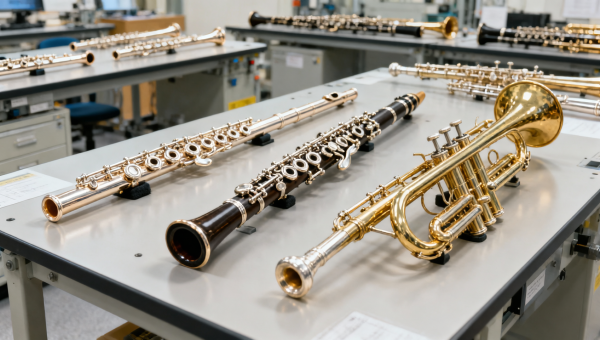
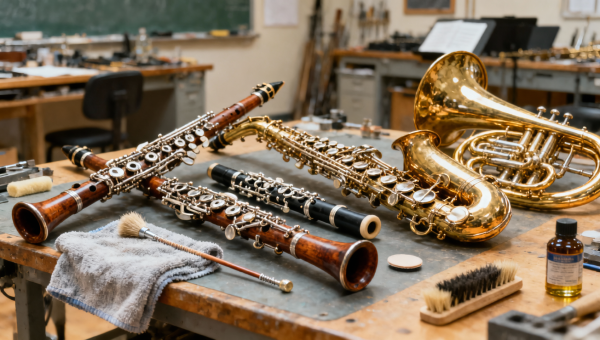
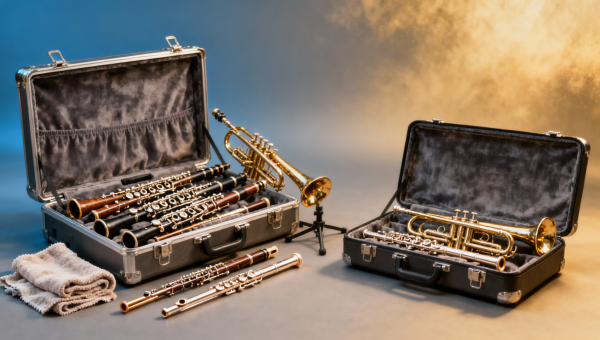
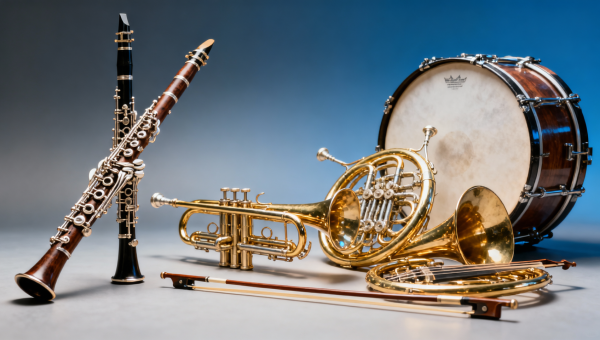
Not all wind instruments carry the same maintenance load. Flutes may appear simple, but pad seating, headjoint cleanliness, and key alignment can become recurring issues. Clarinets and oboes often demand more careful handling because pads, tenon corks, and wooden bodies react to use intensity and environmental shifts. Saxophones are durable in many settings, yet their larger pad system and busy keywork create more service events over time.
Among brass instruments, trombones and French horns often surprise procurement teams. Trombones depend on smooth slide alignment and regular lubrication; even minor dents can affect operation. French horns involve compact tubing, rotary valves, and more complex handling, so repair time may be longer and technician skill requirements higher. Trumpets and tubas can also need regular valve care, but their upkeep expectations are often better understood by buyers.
The table below helps compare common wind instruments by likely maintenance pressure, typical service points, and procurement implications. This is especially useful when evaluating instruments for institutional purchase, dealer portfolios, or mixed commercial inventories.
The main lesson is simple: the more complex the mechanism and the more moisture-sensitive the construction, the more maintenance planning matters. For a distributor or dealer, this affects return rates and customer education. For an institutional buyer, it affects annual service budgets and instrument rotation strategy.
Why clarinets, oboes, and horns are frequently underestimated
These instruments often perform beautifully in commercial and educational settings, but they ask for disciplined care. Oboes and clarinets may need more cautious temperature transition handling, especially after shipping or seasonal storage. French horns may need service intervals that are harder to support in smaller local markets. When parts or repair skill are not locally available within 7–15 days, downtime becomes a commercial issue.
That is why buyers should not evaluate wind instruments by tone and finish alone. After-sales service geography, spare-part lead time, and service documentation can be worth as much as a favorable unit price when the instrument is intended for repeated institutional use.
How should procurement teams compare maintenance cost, lifespan, and sourcing risk?
A sound procurement review usually combines 4 dimensions: upfront acquisition cost, maintenance frequency, availability of parts, and expected service life under target usage. This is especially relevant in sports and entertainment environments where instruments may be transported weekly, used by multiple performers, or stored in changing humidity conditions. One low-cost instrument can become expensive if repairs start within the first 6–12 months.
Procurement teams should also separate light-use and heavy-use scenarios. A clarinet in a private studio may remain stable with routine care, while the same model in a school fleet may require repeated cork replacement, pad attention, and alignment checks each semester. Bulk buyers should request maintenance guidance based on actual use intensity rather than marketing positioning.
The comparison table below can help business evaluators and dealers identify where service costs may rise, and where alternative instrument categories or material choices may reduce long-term maintenance burden.
This framework helps buyers move from product comparison to operational comparison. A dealer may still choose higher-maintenance instruments for premium performance tiers, but the sales plan should include maintenance kits, user training, and realistic service commitments. For institutions, standardized fleets often reduce support complexity and training burden.
A practical procurement checklist
- Confirm intended usage frequency: occasional, weekly, or daily rotation.
- Review spare-part supply for pads, corks, springs, valve oils, and slide accessories.
- Ask whether service guidance covers storage temperature, moisture handling, and transport conditions.
- Compare sample unit consistency before moving from pilot order to medium or large batch purchasing.
- Check whether repair support can be handled locally within a workable commercial timeframe.
What maintenance planning works best in schools, venues, rental fleets, and distribution channels?
Different commercial environments require different maintenance planning. A music school usually needs straightforward cleaning routines, protective cases, and semester-based inspections. A performance venue needs quick readiness, meaning backup inventory and rapid response for emergency repairs. A rental business needs instruments that can survive repeated handling and still remain economical after frequent cleaning and setup checks.
For distributors and agents, the challenge is broader. They must choose models that match market maturity. In some regions, advanced oboes and French horns may attract demand, but technician availability is limited. In such cases, stocking these instruments without a service support plan may create customer dissatisfaction, even if initial sales look promising.
A useful operating model is to divide maintenance into 3 layers: after-each-use care, monthly visual and mechanical checks, and professional service every 6–12 months depending on intensity. For student-use fleets or high-turnover rental stock, the inspection frequency may need to tighten to every 8–12 weeks.
Application-based maintenance priorities
School and training institutions
These buyers should favor wind instruments with predictable part replacement cycles, simple cleaning routines, and durable cases. Shared use raises hygiene and moisture risks, so interior drying tools and user instruction cards are not minor accessories. They are part of the purchasing package.
Performance venues and themed entertainment operators
These operators should emphasize response time. A premium horn or saxophone may be appropriate, but only if backup coverage, fast spare-part access, and technician contact routes are in place. Event schedules do not wait for delayed repairs.
Distributors, wholesalers, and rental fleets
This channel benefits from product lines with stable quality across batches, clearly documented consumables, and lower sensitivity to inconsistent user care. When comparing suppliers, ask for packing standards, transit protection details, and recommended inspection routines on arrival. Damage during shipping can create maintenance costs before first use.
Global Commercial Trade is particularly relevant here because sourcing decisions for commercial experiences are rarely single-variable decisions. Buyers often need alignment across appearance, durability, supply reliability, and service practicality. An instrument that sounds good but disrupts operations is not a strong commercial fit.
Common misconceptions, compliance considerations, and buyer questions
One common misconception is that metal instruments are automatically low-maintenance while wood instruments are always high-maintenance. In reality, the maintenance burden depends on construction details, user handling, transport frequency, and service support. A brass instrument with alignment or valve issues can become just as disruptive as a woodwind with pad problems.
Another mistake is ignoring accessory and case quality. In many commercial purchasing situations, the protective case, humidity exposure during shipment, and quality of cleaning tools influence maintenance cost as much as the instrument body itself. This is especially important when products move through international trade routes with multi-stage logistics and variable climate exposure over 2–6 weeks.
Compliance may also matter depending on market destination and institutional policy. Buyers may need to verify material declarations, packaging expectations, and general product safety documentation for commercial import programs. The exact requirement varies by region, but asking suppliers for complete technical documentation early in the quotation stage helps avoid sourcing delays later.
FAQ for research and sourcing teams
Which wind instruments are hardest to maintain in commercial use?
Oboes, clarinets, French horns, and some saxophones often create the most service attention because they combine complex mechanisms with moisture sensitivity or tighter adjustment tolerances. The challenge grows in shared-use or rental environments, where user discipline is inconsistent and wear accumulates faster.
How often should wind instruments be professionally serviced?
For light private use, annual servicing may be sufficient. For schools, venues, and rental operations, 2 service checkpoints per year are common, with additional monthly inspections for visible wear, alignment, or moisture-related issues. High-turnover fleets may need shorter cycles depending on usage density.
What should buyers ask suppliers before placing a bulk order?
Ask about spare-part lead times, consumable components, packing protection, user-care instructions, warranty boundaries, and whether parts such as pads, corks, springs, felts, or valve accessories can be supplied continuously. Also ask whether the same specification remains stable across future production batches.
Are lower-maintenance alternatives available?
Yes, depending on the use case. Synthetic-body student instruments, robust brass models with simpler service needs, or standardized fleet-friendly product lines can reduce upkeep. The trade-off may involve tone preference, brand positioning, or premium-market appeal, so the right choice depends on customer segment and operating model.
Why work with GCT when evaluating wind instruments for commercial sourcing?
For B2B buyers, sourcing wind instruments is no longer just about securing a catalog and unit price. It requires judging maintenance burden, operational suitability, supplier responsiveness, and long-term commercial value. Global Commercial Trade helps bridge that gap by connecting market intelligence, sourcing logic, and sector-specific evaluation for pro audio and musical instruments within broader experience-driven commercial markets.
This is valuable for procurement teams, business evaluators, and channel partners who need more than generic product copy. They need help comparing servicing risk, discussing OEM or ODM feasibility, understanding delivery windows, and preparing for certification or documentation questions across international sourcing programs. In many projects, these details decide whether an order scales smoothly or becomes operationally expensive.
If you are reviewing wind instruments that need more maintenance than expected, GCT can support practical decision-making around 5 key areas: product selection, maintenance-sensitive model screening, sample evaluation, supply continuity, and commercial quotation alignment. This is especially useful when the target market includes institutions, hospitality entertainment programs, educational venues, or specialist distribution networks.
Contact GCT to discuss maintenance-sensitive instrument categories, compare sourcing options for student and commercial-use models, verify lead times, review spare-part support, or clarify documentation and packaging expectations. If your team needs sample coordination, specification confirmation, or a more reliable shortlist for distributors and institutional procurement, those discussions can start before you commit to bulk purchasing.
Search News
Hot Articles
- Stage Lighting & TrussCCTV5 Snooker Broadcast Drives 37% Surge in Stage Lighting Export InquiriesApr 21, 2026
- Indoor PlaygroundVietnam Mandates Child Finger-Trap Sensors for Indoor Play EquipmentApr 21, 2026
- Stage Lighting & TrussGuangdong vs. Shanxi CBA Game Highlights Domestic Smart Arena LightingApr 21, 2026
Popular Tags
Need ExpertConsultation?
Connect with our specialized leisureengineering team for procurementstrategies.
Recommended News
 Apr 22, 2026Which Instrument Cables Sound BestWhich instrument cables sound best? Discover how capacitance, shielding, and durability affect performance, plus sourcing tips for instrument cables and related commercial needs.● Pro Audio Engineer
 Apr 22, 2026Why String Instruments Can Look Similar but Sound Very DifferentString instruments may look alike yet sound vastly different. Explore sourcing insights across musical instruments, plus comparisons with wind instruments and percussion instruments.● Pro Audio Engineer
 Apr 22, 2026String Instruments: Solid Wood or Laminate for Long-Term Use?String instruments guide: compare solid wood vs laminate for long-term use, durability, tone, and sourcing value across musical instruments. Click for smarter B2B buying insights.● Pro Audio Engineer
 Apr 22, 2026What Affects Tone Consistency in Student Wind Instruments?Wind instruments buying guide: discover what affects tone consistency in student musical instruments, with insights comparing percussion instruments and string instruments for smarter school sourcing.● Pro Audio Engineer
 Apr 22, 2026Wind Instruments That Need More Maintenance Than ExpectedWind instruments maintenance guide for buyers: compare musical instruments, string instruments and percussion instruments to reduce service costs and source smarter.● Pro Audio Engineer
 Apr 22, 2026Common Tuning Problems in Percussion Instruments and Their CausesPercussion instruments tuning problems explained for buyers of musical instruments, with practical tips on comparing percussion instruments, string instruments, and wind instruments for reliable commercial sourcing.● Pro Audio Engineer
 Apr 22, 2026Percussion Instruments That Handle Heavy Use Better in ClassroomsPercussion instruments built for classrooms: compare durable musical instruments, from percussion instruments to wind instruments and string instruments, for safer, longer-lasting school use.● Pro Audio Engineer
 Apr 22, 2026What Shortens the Lifespan of Musical Instruments in Daily Use?Musical instruments wear out faster from humidity, poor storage, and rough handling. Learn how string instruments, wind instruments, and percussion instruments last longer with smarter B2B care.● Pro Audio Engineer
 Apr 22, 2026Musical Instruments With the Strongest School Market DemandMusical instruments with strong school demand: compare percussion instruments, wind instruments, and string instruments to find durable, curriculum-ready solutions for smarter school sourcing.● Pro Audio Engineer
 Apr 21, 2026Choosing musical instruments for bands in small venuesMusical instruments for bands in small venues: learn how buyers choose compact, durable setups with better sound control, lower costs, and stronger audience appeal.● Pro Audio Engineer
 Apr 20, 2026Music Accessories Often Overlooked Until They Start Causing ProblemsMusic accessories often cause hidden issues across musical instruments, percussion instruments, wind instruments, string instruments, keyboard instruments, orchestral instruments, music stands, instrument cables, and pro audio equipment.● Pro Audio Engineer
 Apr 20, 2026When Orchestral Instruments Need Custom Cases and Why It MattersMusical instruments and orchestral instruments need custom cases to protect string instruments, wind instruments, percussion instruments, and keyboard instruments during transport. Learn when buyers should upgrade for safer logistics.● Pro Audio Engineer
 Apr 20, 2026Keyboard Instruments in 2026: What Features Are Becoming Standard?Keyboard instruments in 2026 are redefining musical instruments with smarter connectivity, durable builds, and seamless integration with pro audio equipment, instrument cables, music stands, and music accessories.● Pro Audio Engineer
 Apr 20, 2026Music Stands With Folding Designs: Convenient or Less Reliable?Music stands buyers compare folding convenience with long-term reliability across musical instruments, percussion instruments, wind instruments, string instruments, and pro audio equipment.● Pro Audio Engineer
 Apr 20, 2026String Instruments With Better Tuning Stability in Busy Use CyclesExplore string instruments with better tuning stability for busy venues. Compare musical instruments, percussion instruments, and wind instruments to source reliable, low-maintenance performance solutions.● Pro Audio Engineer
 Apr 20, 2026Why Wind Instruments React So Differently to Climate and StorageWind instruments react fast to climate and storage. Compare musical instruments, percussion instruments, string instruments, and music accessories to cut maintenance risk and buy smarter.● Pro Audio Engineer
 Apr 20, 2026Percussion Instruments for Shared Spaces: What Reduces Noise Most?Percussion instruments for shared spaces: discover what reduces noise most across musical instruments, with smart comparisons to wind instruments, string instruments, keyboard instruments, and practical accessories.● Pro Audio Engineer
 Apr 20, 2026How to Spot Musical Instruments That Look Fine but Wear Out FastDiscover how to spot musical instruments that look premium but wear out fast. Learn key checks for percussion instruments, wind instruments, string instruments, keyboard instruments, music stands, instrument cables, pro audio equipment, and music accessories before you buy.● Pro Audio Engineer
 Apr 20, 2026Music Accessories That Quietly Affect Daily Performance QualityExplore how music accessories shape daily performance quality—from music stands and instrument cables to pro audio equipment for musical instruments, percussion instruments, wind instruments, string instruments, and keyboard instruments.● Pro Audio Engineer
 Apr 20, 2026Orchestral Instruments With the Highest Repair RatesExplore which orchestral instruments have the highest repair rates across wind instruments, string instruments, percussion instruments, and keyboard instruments, with smart buying tips for musical instruments, music accessories, music stands, instrument cables, and pro audio equipment.● Pro Audio Engineer
 Apr 20, 2026Are Keyboard Instruments With Weighted Keys Worth the Extra Cost?Keyboard instruments with weighted keys: discover if the extra cost pays off for musical instruments buyers, with smart tips on music accessories, instrument cables, and pro audio equipment.● Pro Audio Engineer
 Apr 20, 2026Music Stands That Stay Stable on Stage: What Makes the Difference?Music stands for musical instruments: discover what keeps them stable on stage for string instruments, wind instruments, percussion instruments, and keyboard instruments—plus smart buying tips.● Pro Audio Engineer
 Apr 20, 2026String Instruments: Solid Wood or Laminated for Regular Use?String instruments guide for regular use: compare solid wood vs laminated models across musical instruments setups with music accessories, pro audio equipment, and smarter sourcing insights.● Pro Audio Engineer
 Apr 20, 2026Wind Instruments for Schools and Venues: What Affects Longevity?Wind instruments longevity guide for schools and venues: compare musical instruments, percussion instruments, string instruments, and keyboard instruments to source smarter and reduce total cost.● Pro Audio Engineer