Sanya Asian Beach Games Closure Spurs Halal Certification Demand for Sand Sports Gear
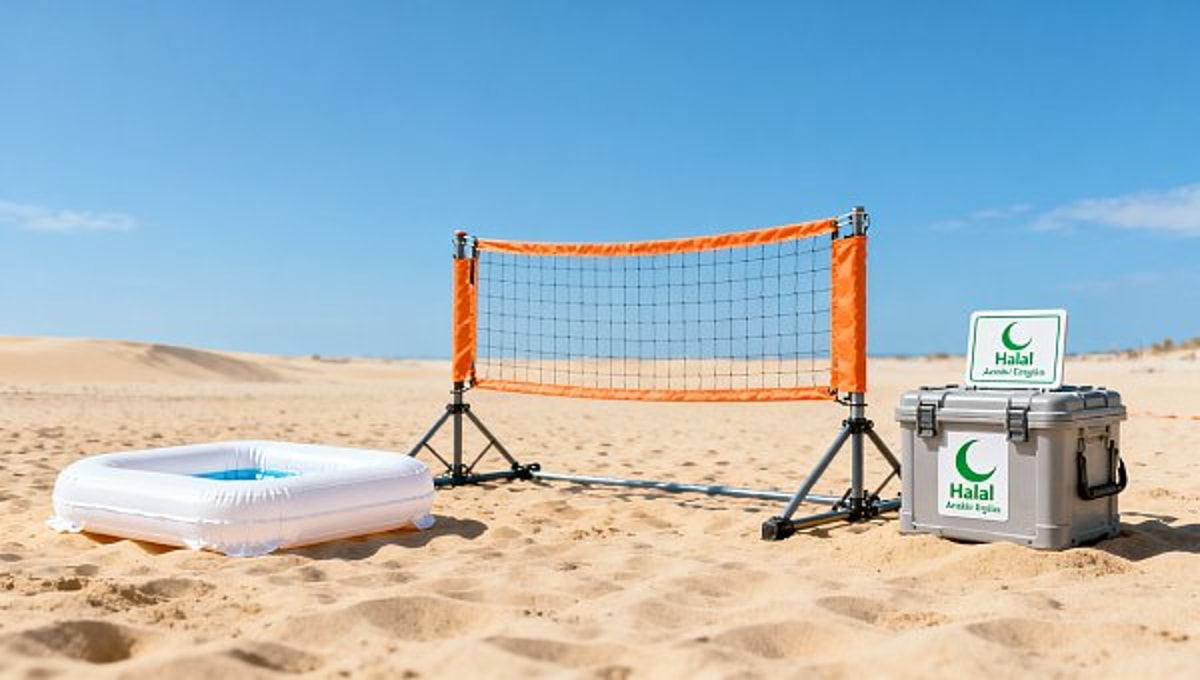
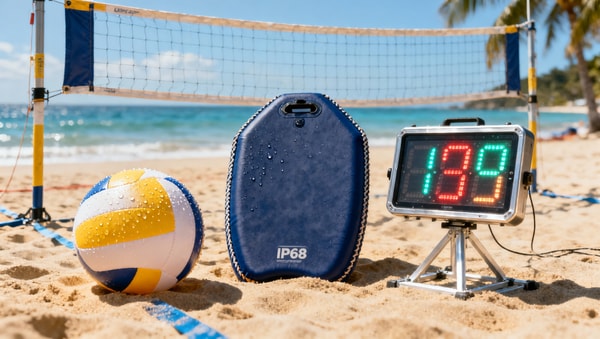
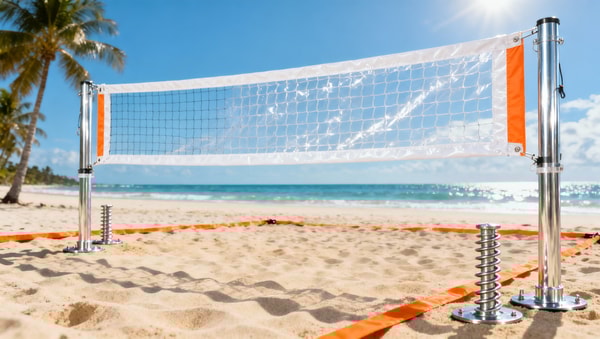
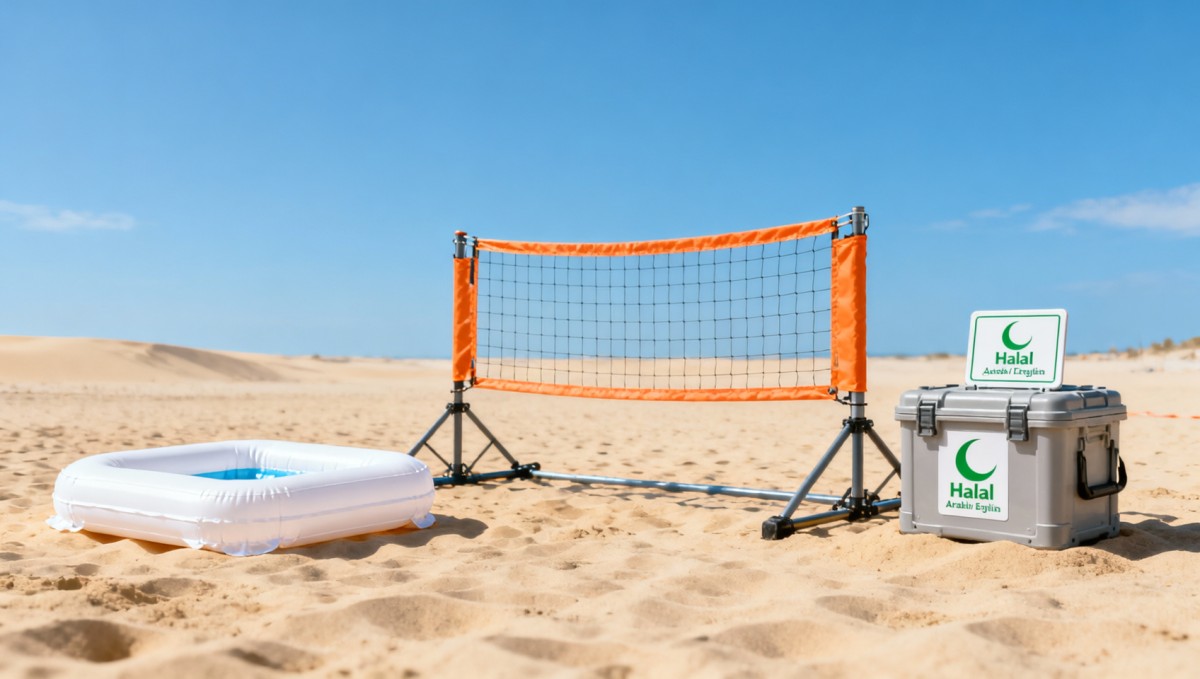
On April 28, 2026, the closing of the Sanya Asian Beach Games triggered a notable uptick in formal inquiries from Middle Eastern resort operators—particularly from the UAE and Saudi Arabia—for Halal-certified beach sports equipment. This development signals emerging requirements for manufacturers and exporters in the sand sports gear sector, especially those supplying volleyball nets, inflatable water parks, and related outdoor recreational infrastructure.
Event Overview
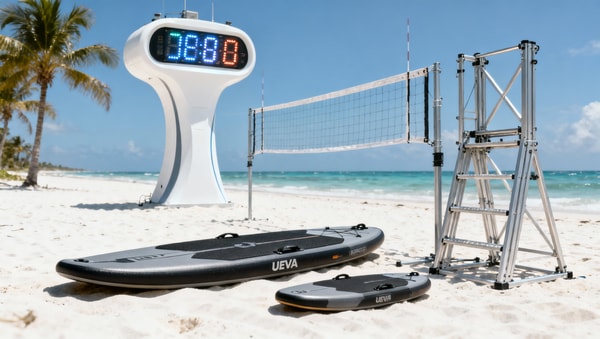
On April 28, 2026—the official closing date of the Sanya Asian Beach Games—multiple resort operators based in the United Arab Emirates and Saudi Arabia contacted Chinese suppliers of beach volleyball frames and inflatable aquatic park equipment. They formally requested Halal certification for such products under the designation ‘Halal-certified Sports Equipment’. Specific stipulations cited include: absence of alcohol-based substances in materials and prevention of contact with prohibited (haram) substances during manufacturing. As of now, only two testing institutions in China hold authorization from the GCC Halal Alliance; the standard certification cycle takes 22 working days—a newly identified bottleneck for timely delivery to Middle Eastern markets.
Which Sub-Sectors Are Affected
Direct Exporters & Trading Enterprises
These firms face immediate operational impact: certification is now being treated as a de facto prerequisite for contract finalization—not merely a post-sale compliance formality. Delays in obtaining Halal certification directly extend order lead times and may trigger renegotiation of delivery terms or penalties under new commercial agreements.
Raw Material Suppliers
Suppliers of polymers, adhesives, coatings, and fabric treatments must verify that their formulations contain zero alcohol derivatives (e.g., ethanol-based solvents, isopropyl alcohol residues) and are produced in facilities segregated from haram-contact processes. Traceability documentation—especially for upstream chemical inputs—is now subject to increased scrutiny during certification audits.
Manufacturing Facilities & OEMs
Production lines must undergo procedural review to ensure no cross-contamination with non-Halal substances (e.g., shared equipment used previously for leather tanning agents or animal-derived lubricants). Facility-level hygiene protocols, staff training records, and cleaning validation logs may be required as part of the certification dossier.
Supply Chain & Certification Support Providers
Logistics intermediaries, compliance consultants, and third-party lab coordinators are seeing rising demand for Halal-specific advisory services. However, with only two GCC Halal Alliance–authorized labs in China—and no public indication of near-term expansion—their capacity to absorb additional volume remains constrained.
What Relevant Enterprises or Practitioners Should Focus On Now
Monitor official updates from GCC Halal Alliance and Chinese accreditation bodies
Analysis shows that current certification bottlenecks stem partly from limited authorized capacity—not policy ambiguity. Any expansion of authorized labs or streamlined mutual recognition arrangements would materially ease constraints. Stakeholders should track announcements from CNAS (China National Accreditation Service) and the GCC Standardization Organization.
Prioritize high-value product categories and export destinations
Observably, initial demand originates from UAE/Saudi resort operators targeting premium leisure infrastructure. Firms should assess whether Halal certification applies first to best-selling items (e.g., modular inflatable park components) rather than full product portfolios—balancing cost, timeline, and market-entry priority.
Distinguish between contractual requirement and regulatory mandate
From an industry perspective, this is currently a buyer-driven commercial condition—not a legal import requirement enforced by GCC customs authorities. Companies should verify whether certification is mandated by end-client procurement policy or by national regulatory frameworks before committing resources.
Prepare documentation and internal process alignment ahead of application
Current certification cycles assume submission readiness—including material safety data sheets (MSDS), production flowcharts, and facility sanitation records. Firms are advised to conduct internal pre-audits and assign dedicated personnel to manage documentation consistency across R&D, procurement, and production departments.
Editorial Perspective / Industry Observation
This development is better understood as an early-market signal—not yet a standardized regulatory threshold. Observably, it reflects growing purchasing influence of Gulf-based hospitality investors in global leisure equipment sourcing, particularly where experiential tourism targets Muslim-majority demographics. Analysis suggests the trend aligns with broader regional investments in faith-aligned infrastructure (e.g., Halal-friendly resorts, prayer-accessible venues), but does not yet indicate imminent mandatory certification across all GCC jurisdictions. Continued monitoring is warranted, especially as the 2027 GCC Tourism Strategy enters implementation phase.
It is not yet clear whether this demand will consolidate into a unified technical specification—or remain fragmented across individual buyer requirements. What is evident is that Halal compliance is shifting from a food-and-pharma domain into adjacent physical goods categories, demanding cross-functional coordination among engineering, procurement, and quality assurance teams.
Conclusion
This incident underscores a structural shift: Halal certification is evolving from a niche assurance mechanism into a commercially decisive factor for specific export segments—notably beach and outdoor recreation equipment bound for Gulf Cooperation Council markets. It is neither a broad regulatory change nor a passing trend, but a targeted, buyer-initiated requirement with tangible supply chain implications. The most pragmatic interpretation is that it marks the beginning of a new layer of technical due diligence for exporters serving premium leisure infrastructure projects in the Middle East.
Information Sources
- Confirmed event timing and participant origin: Official closing date of the Sanya Asian Beach Games (April 28, 2026); verified outreach from UAE and Saudi resort operators.
- Certification scope and criteria: Publicly stated requirements for ‘Halal-certified Sports Equipment’, including material and process stipulations.
- Capacity constraints: Confirmed number of GCC Halal Alliance–authorized testing institutions in China (2) and published average processing time (22 working days).
- Note on ongoing observation: No official GCC-wide regulation mandating Halal certification for sports equipment has been issued to date; this remains a commercial procurement condition subject to further evolution.
Search News
Hot Articles
- Watch OEM & SmartwatchesZheng Qinwen’s Madrid Exit Delays EU Orders for Smart Tennis WearablesMay 02, 2026
- Indoor Playground2026 Jiujiang Guokong Cup Tennis Open Spurs ASEAN Demand for AI Ball MachinesMay 02, 2026
- Stationery & UniformsKenya Marathon Record Break Sparks Carbon-Plate Shoe Export Surge to AfricaMay 02, 2026
Popular Tags
Need ExpertConsultation?
Connect with our specialized leisureengineering team for procurementstrategies.
Recommended News
 May 02, 2026Sanya Asian Beach Games Closure Spurs Halal Certification Demand for Sand Sports GearHalal certification demand surges for sand sports gear post-Sanya Asian Beach Games—key for volleyball nets, inflatable parks & Middle East exports.● Theme Park Strategist
 May 01, 2026Sanya Asian Beach Games Closure Triggers Halal Certification Demand for Sand Sports EquipmentHalal certification demand surges for sand sports equipment post-Sanya Asian Beach Games—key for beach volleyball, kite surfing & football gear exporters targeting GCC markets.● Theme Park Strategist
 May 01, 2026AI Football Training Robots Export Surge After Man Utd MatchAI football training robots surge in EU demand after Man Utd’s match—FIFA-certified, GPS+IMU equipped, CE-compliant & multilingual ready.● Theme Park Strategist
 May 01, 2026Shanghai Extreme Sports Association Re-elected; EN 15613 Certification Urgency RisesEN 15613 certification urgency surges as Shanghai Extreme Sports Association re-elected—key for EU-bound skateboards, climbing walls & wind tunnels.● Theme Park Strategist
 May 01, 2026Amusement Park Signage That Improves Flow Without Adding ClutterAmusement park signage that improves guest flow, reduces confusion, and supports safety without visual clutter. Discover practical strategies for clearer wayfinding and better park operations.● Theme Park Strategist
 Apr 30, 2026Asian Beach Games Boost Export Demand for Commercial Beach Sports EquipmentCommercial beach sports equipment export demand surges post-Asian Beach Games—key for manufacturers targeting Middle East markets with ISO/ASTM compliance.● Theme Park Strategist
 Apr 30, 2026Water park equipment choices that affect downtime the mostWater park equipment choices can make or break uptime. Learn which pumps, controls, filtration, and material specs reduce downtime, cut maintenance risk, and improve sourcing decisions.● Theme Park Strategist
 Apr 30, 2026Theme park rides with shorter queues and stronger repeat appealTheme park rides with shorter queues and stronger repeat appeal: learn how smarter capacity, ride mix, and sourcing decisions can improve guest flow, ROI, and park performance.● Theme Park Strategist
 Apr 29, 2026Asian Beach Games Boost Demand for UV-Resistant Beach Sports EquipmentUV-resistant beach sports equipment demand surges after China's gold sweep at Sanya Asian Beach Games—key for exporters targeting Middle East markets.● Theme Park Strategist
 Apr 28, 2026Asia Beach Games Boost Export Inquiries for Commercial Sand Sports EquipmentCommercial sand sports equipment exporters see 210% surge in inquiries amid Asia Beach Games—IP68, ISO 22301 & maritime packaging demand spikes from KSA, UAE, Indonesia, Thailand.● Theme Park Strategist
 Apr 27, 2026Asia Beach Games Boost Demand for Portable Sand Sports EquipmentPortable sand sports equipment demand surges 217% amid Asia Beach Games—discover UV-resistant, anchor-stable volleyball & soccer systems for export.● Theme Park Strategist
 Apr 26, 2026China FA Warns Nanjing City Over Fan Conduct; Security Compliance Tightens for International MatchesChina FA warns Nanjing City over fan conduct—key alert for venues, security providers & tech integrators ahead of June 30, 2026 compliance deadline.● Theme Park Strategist
 Apr 25, 2026China FA Warns Nanjing City Over Fan Conduct, Ups Security RulesChina FA warns Nanjing City over fan conduct—new AI security, drone countermeasures & spectrum monitoring now mandated for AFC matches.● Theme Park Strategist
 Apr 24, 2026China FA Warns Nanjing City Over Fan Conduct; ISO 20785 Compliance AcceleratesISO 20785 compliance accelerates as China FA warns Nanjing City over fan conduct—key for sports security integrators targeting Middle East & SEA tenders.● Theme Park Strategist
 Apr 28, 2026How Long Does Amusement Equipment Really Stay Profitable?Amusement equipment profitability lasts 5–12 years. Compare lifecycle ROI with park benches, luxury furniture, hotel beds, custom furniture, hotel furniture, hotel chairs, hotel tables, and hotel equipment.● Theme Park Strategist
 Apr 24, 2026How to Source Park Trash Cans That LastPark trash cans sourcing guide: compare durable materials, supplier options, capacity, and lifecycle cost for playground planning, hospitality procurement, and safer outdoor spaces.● Theme Park Strategist
 Apr 24, 2026Park Trash Cans: What Specs Matter Most?Park trash cans buying guide: compare material, capacity, maintenance, and safety specs for playground planning, playground surfacing, and hospitality procurement projects.● Theme Park Strategist
 Apr 24, 2026What to Check Before Buying Amusement EquipmentAmusement equipment buyers: check playground safety, playground borders, playground climbers, and sensory playground features before purchase to reduce risk and improve long-term value.● Theme Park Strategist
 Apr 24, 2026Amusement Equipment: Buy New or Used?Amusement equipment buying guide: compare new vs. used options for playground climbers, playground borders, sensory playground design, and playground safety to reduce risk and improve ROI.● Theme Park Strategist
 Apr 23, 2026Amusement Equipment Upgrades That Change Guest ExperienceAmusement equipment upgrades improve guest experience with sensory playground features, playground climbers, playground safety, playground borders, and smart commercial furniture solutions.● Theme Park Strategist
 Apr 23, 2026Amusement Equipment Safety Issues Often Missed at InstallAmusement equipment and playground safety start at install. Learn how sensory playground, playground borders, and playground climbers affect compliance, durability, and safer commercial projects.● Theme Park Strategist
 Apr 25, 2026Theme Park Rides That Cut MaintenanceTheme park rides that cut maintenance: compare durable theme park rides, playground structures, inclusive playground and playground swings for leisure park projects. Learn how smart materials and supplier support reduce downtime and lifecycle costs.● Theme Park Strategist
 Apr 25, 2026How to Plan a Profitable Leisure ParkLearn how to build a profitable leisure park with smart theme park rides, inclusive playground design, playground structures, catering equipment, custom furniture, hotel beds, and more.● Theme Park Strategist
 Apr 23, 2026Playground Swings for Parks or SchoolsPlayground swings for parks or schools: compare durable playground structures, inclusive playground options, and leisure park solutions with expert sourcing tips for safer, smarter buying.● Theme Park Strategist