How to choose ear gauges and plugs without sizing mistakes
Choosing ear gauges and plugs should never feel like guesswork. Whether stretching is new or familiar, accurate sizing protects comfort, appearance, and tissue health.
This guide explains how to choose ear gauges and plugs without sizing mistakes. It covers sizes, materials, fit, style, and practical checks before buying.
In jewelry and specialty accessories, precision matters. Small sizing errors can lead to pain, blowouts, poor healing, or products that simply do not stay secure.
Understanding ear gauges and plugs
Ear gauges and plugs are jewelry used in stretched earlobes. “Gauge” often describes size, while “plug” describes the jewelry shape placed inside the stretched piercing.
Many people use “ear gauges and plugs” to mean the full category. However, size naming can be confusing because gauge numbers get smaller as jewelry gets larger.
For larger sizes, measurement usually switches from gauge to millimeters or inches. That is where mistakes often begin, especially when stores label products differently.
The most important idea is simple. Always buy ear gauges and plugs by exact millimeter size, not by guessing from a familiar gauge label alone.
Key sizing terms
- Gauge: a traditional size system for smaller jewelry.
- Millimeter size: the most precise way to measure ear gauges and plugs.
- Wearable area: the section that actually sits inside the earlobe.
- Flare: the widened edge that helps keep plugs in place.
- O-ring: a rubber or silicone ring that secures single-flare jewelry.
Why sizing mistakes happen in the current market
Today’s jewelry market offers massive variety, but product labeling is not always standardized. That increases the risk of buying ear gauges and plugs that differ from expected dimensions.
Handmade materials, mixed regional sizing charts, and decorative flares all affect fit. A product can be beautiful and still be wrong for the actual lobe measurement.
As consumer expectations rise, accurate specifications matter more. In specialty retail, transparency around dimensions, material grade, and finish quality has become a basic trust signal.
How to measure ear gauges and plugs correctly
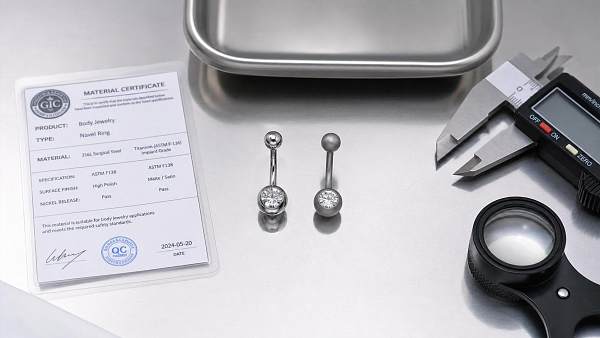
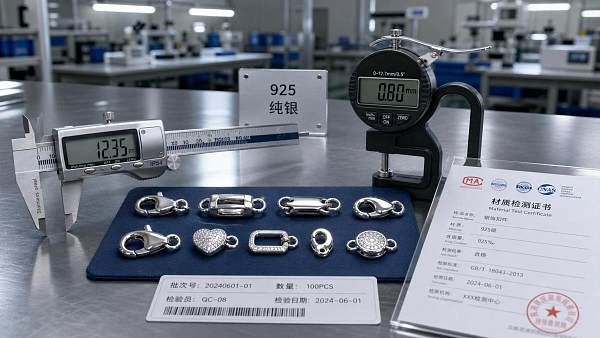
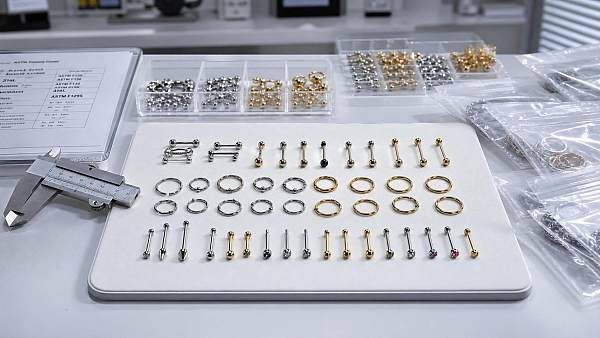
The safest starting point is measuring current jewelry with digital calipers. If current jewelry fits well, its true millimeter size becomes the best reference.
Do not rely on memory. Two plugs that seem identical can differ slightly, and that small difference matters when skin is under tension.
What to measure
- Diameter of the wearable section.
- Length of the wearable area.
- Flare size, if using double-flare plugs.
- Lobe thickness when relaxed.
When selecting ear gauges and plugs online, compare these measurements against the product listing. If the listing lacks wearable length, ask before purchasing.
A good rule is to stretch gradually in small increments. Jumping between sizes increases the chance of tearing, thinning, and uneven healing.
Approximate reference points
Material selection and fit performance
Material affects more than appearance. It changes weight, surface smoothness, hygiene, and comfort, all of which influence how ear gauges and plugs behave during daily wear.
For healing or newly stretched ears, implant-grade steel, titanium, or glass are usually safer choices. They are smooth, stable, and easier to keep clean.
Organic materials like wood, stone, or horn can look premium, but they vary naturally. That means sizing and moisture response may not be as predictable.
Material comparison
- Titanium: lightweight, corrosion-resistant, suitable for sensitive skin.
- Glass: smooth and stable, often preferred for healing.
- Surgical steel: durable, but not ideal for every metal sensitivity.
- Silicone: flexible, comfortable for healed lobes, not best for fresh stretches.
- Wood or stone: stylish and natural, but check exact dimensions carefully.
Weight also matters. Heavy ear gauges and plugs may create a dramatic look, yet constant downward pull can thin the bottom of the lobe over time.
Choosing the right style for different situations
Different styles serve different purposes. The best ear gauges and plugs for stretching are not always the best for all-day comfort or formal styling.
For everyday wear, stable fit usually matters more than decoration. Smooth edges, correct wearable length, and consistent finish often outperform flashy designs.
Practical advice to avoid buying the wrong ear gauges and plugs
Before ordering, review the product page as if checking technical specifications. This habit reduces returns and helps separate quality listings from vague descriptions.
Pre-purchase checklist
- Confirm the exact size in millimeters.
- Check whether the size refers to wearable area only.
- Review flare dimensions and insertion requirements.
- Verify material composition and finish quality.
- Read reviews mentioning comfort, weight, and fit consistency.
- Avoid stretching with jewelry not designed for healing use.
If ears feel tight, swollen, or irritated, delay size changes. Forcing ear gauges and plugs into a resistant lobe often causes damage that takes much longer to correct.
Lubrication can help insertion, but it should not replace proper sizing. Jewelry that only fits with force is usually the wrong choice for that moment.
Next-step selection framework
To choose ear gauges and plugs confidently, follow a simple sequence. Measure current size, match millimeters, confirm wearable length, then select a body-safe material and suitable style.
For stretching stages, prioritize precision and healing support. For healed lobes, expand choices only after checking flare type, weight, and daily comfort.
Accurate ear gauges and plugs improve safety, appearance, and long-term wearability. With careful measurement and clear product specifications, sizing mistakes become far easier to avoid.
Use this guide as a practical buying standard whenever comparing ear gauges and plugs. A few careful checks now can prevent discomfort, wasted purchases, and unnecessary healing setbacks later.
Search News
Hot Articles
- Musical InstrumentsA Practical Guide to Identifying Wooden Orchestral Instruments by Family and ToneOct 10, 2026
- Indoor PlaygroundHow to Choose Animatronic Haunted House Props for High-Throughput AttractionsOct 08, 2026
- Fashion & Gem JewelryThermal Diamond Testers: How They Work and When They Can Misidentify StonesOct 07, 2026
Popular Tags
Need ExpertConsultation?
Connect with our specialized leisureengineering team for procurementstrategies.
Recommended News
 Oct 07, 2026Thermal Diamond Testers: How They Work and When They Can Misidentify StonesThermal diamond tester guide: learn how it works, spot false positives from moissanite, and choose reliable verification methods for jewelry trade and retail.● Luxury Retail Analyst
 Oct 02, 2026Diamond Tester Wholesale: How to Vet Accuracy, Calibration, and MOQ Before OrderingDiamond tester wholesale guide: verify accuracy, calibration records, supplier quality controls, and MOQ terms before ordering. Source reliable testers with confidence.● Luxury Retail Analyst
 Sep 09, 2026Wholesale Coral Earrings: How Buyers Can Assess Quality, Treatments, and Supply RiskCoral jewelry earrings wholesale guide for buyers: assess quality, treatments, secure settings, documentation, and supply risks before ordering.● Luxury Retail Analyst
 Sep 01, 2026How to Choose a Jewelry Laser Engraving Machine Manufacturer for Custom ProductionChoose a jewelry laser engraving machine manufacturer with proven sample testing, precision fixtures, workflow-ready software, and reliable support for custom production.● Luxury Retail Analyst
 Aug 27, 2026Evaluating Luxury Retail Accessories Suppliers: Quality, Lead Times, and Brand FitLuxury retail accessories supplier selection made clearer: assess quality, lead times, compliance, costs, and brand fit to protect premium launches and margins.● Luxury Retail Analyst
 Jul 29, 2026Fine Jewelry Price Guide: What Affects Cost and How to Judge Real ValueFine jewelry price guide for buyers: learn what drives cost in metals, gemstones, craftsmanship, certification, and branding so you can judge real value, reduce sourcing risk, and buy with confidence.● Luxury Retail Analyst
 Jul 14, 2026What to Ask an Enamel Jewelry Manufacturer Before Sampling and Mass ProductionEnamel jewelry manufacturer selection starts with the right questions. Learn what to ask about materials, color matching, MOQ, QC, compliance, and lead times before sampling and mass production.● Luxury Retail Analyst
 Jul 12, 2026Surgical Steel Belly Rings vs Titanium: Material Differences, Safety, and CostSurgical steel belly rings vs titanium: compare safety, nickel exposure, comfort, durability, and cost to choose the best option for sensitive skin or budget-friendly style.● Luxury Retail Analyst
 Jul 12, 2026Natural Coral Jewelry Guide: How to Identify Real Coral, Treatments, and QualityNatural coral jewelry guide covering how to identify real coral, spot treatments, assess quality, and buy with confidence. Learn the key signs before you choose.● Luxury Retail Analyst
 Jul 11, 2026Braided Leather Bracelets OEM: Material, Clasp, and MOQ Factors Before SamplingBraided leather bracelets OEM guide covering material grades, clasp options, and MOQ factors before sampling. Learn how to reduce sourcing risk, control cost, and choose the right supplier.● Luxury Retail Analyst
 Jul 09, 2026Jewelry Craftsmanship Gemstone Setting Methods Explained: Prong, Bezel, Pave, and MoreJewelry craftsmanship gemstone setting explained clearly: compare prong, bezel, pavé, channel, and more to choose secure, beautiful, and commercially smart jewelry designs.● Luxury Retail Analyst
 Jul 06, 2026Photo Locket Necklace Manufacturer Selection Guide: Materials, MOQ, and Custom OptionsPhoto locket necklace manufacturer selection guide covering materials, MOQ, custom options, compliance, and quality checks to help buyers source smarter and build stronger jewelry lines.● Luxury Retail Analyst
 Jul 05, 2026What to Check When Comparing a Sterling Silver Clasp ManufacturerChoosing a sterling silver clasp manufacturer? Learn what to check first: 925 silver claims, finish quality, testing, compliance, lead times, and hidden sourcing costs.● Luxury Retail Analyst
 Jul 02, 2026Jewelry Craftsmanship Techniques Explained: Casting, Stone Setting, Engraving, and PolishingJewelry craftsmanship techniques explained: discover how casting, stone setting, engraving, and polishing shape quality, durability, and sourcing confidence.● Luxury Retail Analyst
 Jul 01, 2026Lost Wax Casting Machines Explained: Types, Capacity, and Metal CompatibilityLost wax casting machines explained: compare types, real capacity, and metal compatibility to choose the right system for precision casting, higher quality, and smarter sourcing.● Luxury Retail Analyst
 Jun 29, 2026How to Evaluate a Luxury Accessories Online Store Before You BuyLuxury accessories online store buying guide: learn how to verify authenticity, compare policies, check reviews, and avoid costly mistakes before you place an order.● Luxury Retail Analyst
 Jun 22, 2026Matching Couple Rings: Popular Materials, Fit Differences, and How to ChooseMatching couple rings guide: compare popular materials, fit differences, comfort, durability, and resizing options to choose a stylish pair that truly lasts.● Luxury Retail Analyst
 Jun 19, 2026How to Build a Fashion Accessories Catalog That Improves Product Discovery and SalesFashion accessories catalog strategies that improve product discovery, filtering, and conversions. Learn how to structure pages, categories, and data to drive more qualified sales.● Luxury Retail Analyst
 Jun 19, 2026How to Choose Luxury Accessories for Women by Material, Style, and Price PointLuxury accessories for women: learn how to choose the right pieces by material, style, and price point for better value, timeless appeal, and smarter buying decisions.● Luxury Retail Analyst
 Jun 18, 2026Stainless Steel Rings Bulk: 304 vs 316L, Finishes, and Custom Order FactorsStainless steel rings bulk guide: compare 304 vs 316L, explore finish options, and learn key custom order factors to reduce sourcing risk and improve product value.● Luxury Retail Analyst
 Jun 18, 2026Body Piercing Jewelry Bulk Buying Guide: Materials, Sizes, and MOQ QuestionsBody piercing jewelry bulk buying guide covering safe materials, size checks, MOQ strategy, supplier screening, and compliance tips to reduce risk and source with confidence.● Luxury Retail Analyst
 Jun 18, 2026How to Evaluate a Luxury Jewelry Exporter for Quality, Compliance, and DeliveryLuxury jewelry exporter evaluation starts with more than design. Learn how to verify quality, compliance, and delivery control to source premium jewelry with less risk.● Luxury Retail Analyst
 Jun 17, 2026Iced Out Watches Wholesale: How to Compare MOQ, Stone Quality, and MarginsIced out watches wholesale guide: compare MOQ, stone quality, and real margins to choose reliable suppliers, reduce risk, and grow resale profits with smarter sourcing.● Luxury Retail Analyst
 Jun 15, 2026How to Evaluate an Amber Jewelry Manufacturer: Quality Grades, OEM Options, and Lead TimesAmber jewelry manufacturer selection starts with quality grades, OEM capability, and realistic lead times. Learn how to compare suppliers, reduce sourcing risk, and choose with confidence.● Luxury Retail Analyst