MIDI Controllers Wholesale Trends Shaping Product Selection
As demand for studio gear, live performance tools, and creator-focused technology continues to rise, midi controllers wholesale is becoming a key factor in smarter product selection. For information-driven buyers, understanding current sourcing trends, feature priorities, and supplier capabilities can reveal which products offer the strongest commercial value in a fast-evolving global market.
Market Definition and Product Scope
MIDI controllers are hardware interfaces used to trigger, shape, and automate digital music production and live performance systems.
They do not generate sound on their own in most cases. Instead, they send MIDI data to software, synthesizers, or production environments.
In midi controllers wholesale, the category usually includes keyboard controllers, pad controllers, DJ-style hybrid units, wind controllers, and compact mobile devices.
It may also cover controller accessories, bundled software licenses, stands, carry solutions, and OEM or ODM customization services.
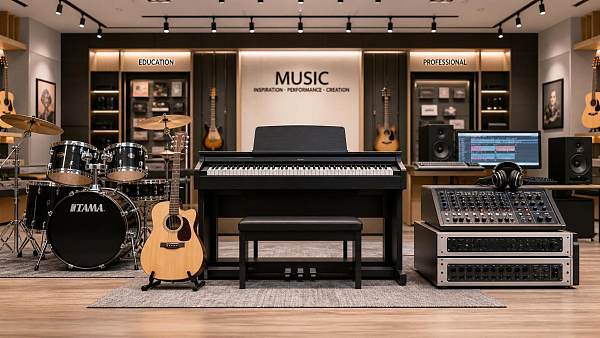
Within the broader commercial trade environment, this category connects pro audio, education, live entertainment, content creation, and retail technology.
That cross-sector relevance makes midi controllers wholesale more than a niche topic. It influences product planning, channel strategy, and inventory timing.
Current Signals Shaping MIDI Controllers Wholesale
Several global trends are changing how products are evaluated in midi controllers wholesale. Feature balance now matters as much as unit cost.
- Compact footprints are gaining share because home studios and mobile creators need efficient workspace solutions.
- USB-C connectivity is becoming standard, improving compatibility with tablets, laptops, and newer production ecosystems.
- Bundled software adds commercial value, especially when DAW integration reduces setup time for end users.
- RGB pads, assignable knobs, and transport controls remain high-interest features for live and hybrid performers.
- Educational demand supports durable entry-level units with intuitive layouts and low training barriers.
- Private label development is expanding as distributors seek differentiated offerings in crowded retail channels.
These signals show that midi controllers wholesale is no longer driven by specifications alone. It is shaped by usability, ecosystem fit, and sell-through potential.
Trend Summary Table
Product Selection Criteria in Wholesale Evaluation
In midi controllers wholesale, product selection works best when hardware design is reviewed together with software compatibility and market positioning.
A strong product often performs well across multiple selling environments rather than only one specialist use case.
Core Hardware Factors
- Key count: 25, 37, 49, and 61-key formats align with different space and workflow expectations.
- Pad quality: Velocity response and tactile consistency matter in beat production and live triggering.
- Control layout: Faders, knobs, and encoders should support clear navigation and low learning friction.
- Build strength: Chassis durability affects shipping resilience, return rates, and institutional suitability.
- Power options: Bus-powered devices simplify deployment in classrooms, events, and mobile studios.
Software and Ecosystem Factors
- DAW support should cover major platforms such as Ableton Live, Logic Pro, FL Studio, and Cubase.
- Preset mapping reduces setup barriers and improves first-use success.
- Firmware update systems should be stable and easy to access.
- Bundled sound packs or lessons can increase retail conversion without changing core hardware cost.
When these elements align, midi controllers wholesale decisions become more predictable and commercially defensible.
Business Value Across Commercial Channels
The commercial value of midi controllers wholesale extends well beyond music stores. It supports diversified channel strategies across several sectors.
In content production environments, controllers act as entry tools for creators building home-based audio or multimedia workflows.
In education, they help modernize music labs, media classrooms, and training centers with manageable budgets.
In performance settings, they serve keyboardists, DJs, worship teams, and event technicians needing flexible control surfaces.
In specialty retail, bundled controller packages can increase basket size through headphones, monitors, software, and accessories.
This broad application base improves the resilience of midi controllers wholesale by reducing dependence on a single end market.
Representative Commercial Scenarios
Supplier Capability and Risk Review
A reliable midi controllers wholesale program depends heavily on supplier maturity. Specification sheets alone do not show operational quality.
Supplier review should cover production stability, component sourcing, quality control routines, and post-shipment technical support.
- Check certification readiness for destination markets, including electrical and environmental compliance requirements.
- Review sample consistency across multiple production batches, not just one demonstration unit.
- Confirm firmware management procedures for updates, bug fixes, and version control.
- Assess packaging design for transit protection and shelf presentation.
- Verify communication speed for technical questions, replacement policies, and documentation support.
In midi controllers wholesale, these checks help protect margin, reduce disruption, and support long-term assortment planning.
Practical Selection Guidance for Sustainable Results
A practical sourcing approach starts with demand mapping rather than chasing the highest feature count.
It is often better to build a balanced assortment across entry, mid-range, and specialized performance products.
- Match controller sizes to the most common user environments, such as desktop studios, classrooms, or stage rigs.
- Prioritize models with broad software compatibility to reduce support complexity.
- Use sample testing to compare key feel, pad response, encoder stability, and latency behavior.
- Evaluate accessory bundling opportunities to improve commercial value per shipment.
- Monitor replacement parts availability for knobs, keys, cables, and adapters.
- Plan reorder cycles around product launches, seasonal demand, and education procurement windows.
This method keeps midi controllers wholesale decisions grounded in long-term usability and channel fit rather than short-term pricing alone.
Next-Step Outlook
The next phase of midi controllers wholesale will likely be shaped by deeper software integration, portable production habits, and stronger customization demand.
Products that combine intuitive control, reliable build quality, and clear ecosystem compatibility will remain the most resilient choices.
For organizations tracking commercial technology categories, this segment offers a useful example of how user behavior influences sourcing priorities.
A structured review of product tiers, supplier capabilities, compliance status, and application scenarios can turn midi controllers wholesale into a measurable strategic advantage.
With accurate market intelligence and disciplined evaluation, product selection becomes more efficient, scalable, and aligned with evolving global demand.
Search News
Hot Articles
- Restaurant FurnitureFast-Casual Restaurant Interiors: Design Choices That Improve Speed and Guest FlowOct 04, 2026
- Outdoor RidesHow to Select Leisure Park Equipment for Safe, High-Throughput Visitor AreasOct 03, 2026
- Fashion & Gem JewelryDiamond Tester Wholesale: How to Vet Accuracy, Calibration, and MOQ Before OrderingOct 02, 2026
Popular Tags
Need ExpertConsultation?
Connect with our specialized leisureengineering team for procurementstrategies.
Recommended News
 Sep 11, 2026How to Choose Touring Instrument Cases for Flights, Trucks, and Daily Load-InsInstrument cases for touring: learn how to balance flight protection, truck durability, weight, fit, and serviceable hardware for safer, faster load-ins.● Pro Audio Engineer
 Sep 07, 2026How to Choose Wood Frame Tambourines for Sound Quality and Long-Term UseWood frame tambourines: learn how to compare frame construction, jingle tone, head options, durability, and supplier quality for reliable long-term performance.● Pro Audio Engineer
 Sep 05, 2026How Often Should Music Education Equipment Be Serviced?How often should music education equipment be serviced? Explore practical schedules, maintenance tips, and lifecycle planning to keep instruments and audio systems reliable.● Pro Audio Engineer
 Aug 21, 2026How to Choose Marching Band Drums for Sound Projection, Weight, and DurabilityMarching band drums buying guide: learn how to balance sound projection, weight, and durability for better field performance, easier carrying, and longer-lasting value.● Pro Audio Engineer
 Aug 09, 2026How to Evaluate a MIDI Cable Manufacturer for Audio Quality and OEM ReliabilityMIDI cable manufacturer evaluation guide: learn how to assess signal stability, connector quality, OEM process control, and batch consistency to reduce failures and source with confidence.● Pro Audio Engineer
 Aug 08, 2026How to Evaluate a Trumpets OEM Manufacturer for Quality, MOQ, and Custom DesignTrumpets OEM manufacturer selection starts with quality, MOQ, and custom design control. Learn how to compare suppliers, reduce sourcing risk, and choose a reliable long-term factory partner.● Pro Audio Engineer
 Jul 27, 2026How to Source Conga Drums in Bulk for Schools, Bands, and Event ProgramsConga drums bulk sourcing for schools, bands, and event programs made easier. Learn how to compare quality, durability, compliance, and total cost before you place a large order.● Pro Audio Engineer
 Jul 24, 2026How to Choose Low Dust Violin Rosin for Cleaner Practice and Better Bow ControlLow dust violin rosin buying guide: learn how to compare formula, climate fit, grip, and string compatibility for cleaner practice, better bow control, and smarter purchase decisions.● Pro Audio Engineer
 Jul 15, 2026Plastic Tambourines Bulk Buying Guide: Sizes, Materials, and MOQ QuestionsPlastic tambourines bulk buying guide covering sizes, ABS vs PP materials, sound consistency, customization, and MOQ questions to help buyers cut risk and choose the right supplier.● Pro Audio Engineer
 Jul 13, 2026Acoustic Guitars Wholesale China: How to Evaluate Build Quality and OEM OptionsAcoustic guitars wholesale China guide: learn how to assess build quality, factory consistency, and OEM options to choose reliable suppliers and reduce sourcing risk.● Pro Audio Engineer
 Jul 12, 2026Mini Effect Pedals Wholesale: MOQ, OEM Options, Testing, and Supplier ComparisonMini effect pedals wholesale guide covering MOQ, OEM options, testing standards, and supplier comparison to help buyers reduce risk, improve margins, and choose reliable partners.● Pro Audio Engineer
 Jul 11, 2026DJ Turntables OEM Guide: Key Torque, Drive, and Build Specs to CompareDJ turntables OEM guide covering torque, drive type, speed stability, platter build, and manufacturing consistency. Compare the specs that impact performance, reliability, and sourcing confidence.● Pro Audio Engineer
 Jul 08, 2026Guitar Capos Wholesale: What Materials, Clamp Types, and MOQ Terms Should You Compare?Guitar capos wholesale buying starts with more than price. Compare materials, clamp types, quality checks, and MOQ terms to reduce returns, protect margins, and choose a supplier with confidence.● Pro Audio Engineer
 Jul 07, 2026Birch Drum Kits Manufacturer Comparison: Shell Construction, Hardware Quality, and OEM OptionsBirch drum kits manufacturer comparison covering shell construction, hardware quality, and OEM options to help buyers reduce sourcing risk and choose reliable suppliers.● Pro Audio Engineer
 Jul 06, 2026Spruce Top Acoustic Guitars Explained: Tone, Wood Grades, and Who They Suit BestSpruce top acoustic guitars explained: compare tone, wood grades, and build quality to find the best fit for players, retailers, and commercial buyers.● Pro Audio Engineer
 Jun 30, 2026Xylophones and Glockenspiels: Key Differences in Range, Tone, and Classroom UseXylophones and glockenspiels compared: discover key differences in range, tone, durability, and classroom use to choose the right instrument for teaching, buying, or school programs.● Pro Audio Engineer
 Jun 25, 2026Musical Instrument Industry Report: Key Market Segments, Demand Drivers, and Price TrendsMusical instrument industry report covering key market segments, demand drivers, and price trends. Explore sourcing risks, premium growth, and where buyer demand is shifting next.● Pro Audio Engineer
 Jun 23, 2026Metronomes and Tuners Explained: Types, Key Features, and Who Needs BothMetronomes and tuners explained: compare types, key features, and who needs both. Learn how to choose the right tool for better timing, pitch, and practical daily use.● Pro Audio Engineer
 Jun 22, 2026How the Musical Instrument Industry Supply Chain Affects Lead Times, Cost, and QualityMusical instrument industry supply chain trends now shape lead times, cost, and quality. Discover how smarter sourcing and supplier transparency reduce risk and improve buying outcomes.● Pro Audio Engineer
 Jun 20, 2026DJ Headphones Wholesale Buying Guide: OEM Options, MOQ, and Audio Specs to CompareDJ headphones wholesale guide covering OEM options, MOQ strategy, and key audio specs. Compare build quality, compliance, and total cost to source smarter and reduce returns.● Pro Audio Engineer
 Jun 19, 2026Acoustic Guitars Wholesale: 7 Specs Buyers Should Compare Before Placing an OrderAcoustic guitars wholesale buyers can compare 7 key specs before ordering, from tonewoods and playability to OEM, packaging, and QC, to reduce risk and protect margins.● Pro Audio Engineer
 Jun 15, 2026Tambourines Bulk Buying Guide: Materials, Sound Quality, and Pack Size DifferencesTambourines bulk buying guide covering material choices, sound consistency, and pack size differences. Compare suppliers smarter, reduce risk, and choose the best fit for schools, retail, and events.● Pro Audio Engineer
 Jun 14, 2026Professional Musical Instruments Explained: Types, Skill Levels, and Buying CriteriaProfessional musical instruments explained: discover key types, ideal skill levels, and practical buying criteria to choose reliable, high-performance instruments with confidence.● Pro Audio Engineer
 Jun 10, 2026Drum Kits Manufacturer Comparison: What to Check Before OEM or Bulk OrdersDrum kits manufacturer comparison guide for OEM and bulk buyers: check quality, compliance, lead times, packaging, and true cost before placing large orders.● Pro Audio Engineer