Plastic Tambourines Bulk Buying Guide: Sizes, Materials, and MOQ Questions
Plastic Tambourines Bulk Buying Guide: Sizes, Materials, and MOQ Questions
Sourcing plastic tambourines bulk for schools, events, music retailers, or promotional programs requires more than comparing unit prices.
Buyers need clarity on size options, plastic quality, sound consistency, customization potential, and realistic MOQ terms.
This guide explains how to evaluate suppliers, control total cost, and choose the right bulk tambourines for actual commercial use.
Why plastic tambourines bulk buying needs a structured review
At first glance, a tambourine looks simple. In practice, bulk orders often fail on details that seem minor during quotation.
Sound output may be too weak for classroom rhythm work. Plastic frames may crack during transport. Jingles may loosen after repeated handling.
That is why plastic tambourines bulk procurement should start with application, not price alone.
For school use, durability and hand comfort usually matter most. For promotions, color consistency and logo printing often move to the top.
For music retail, buyers usually want a better balance between appearance, sound brightness, and acceptable reorder quantities.
A structured review reduces replacement costs, complaint rates, and freight waste. It also makes supplier comparison far more reliable.
Common size options and how they affect buying decisions
Size is one of the first filters in plastic tambourines bulk sourcing because it affects users, packing, and landed cost.
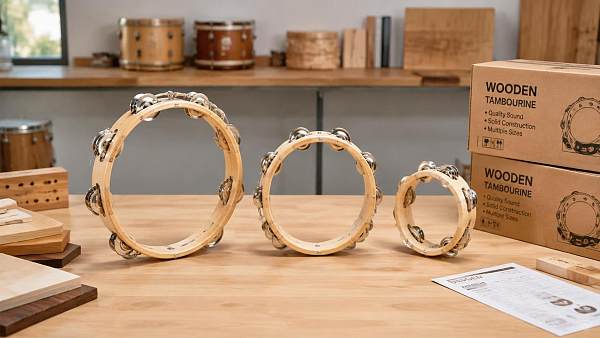
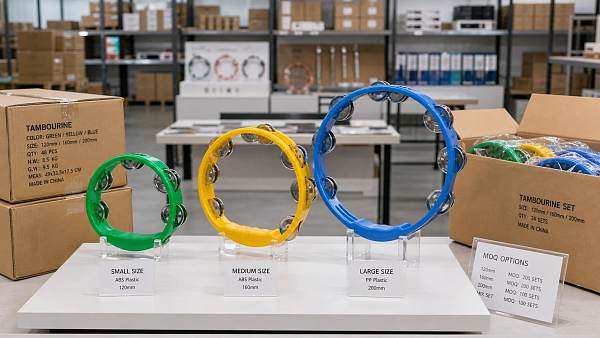
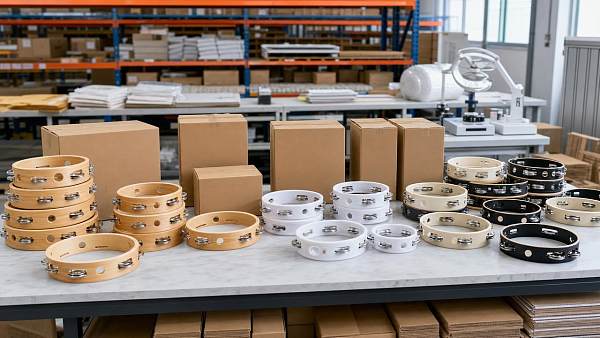
Most suppliers offer small, medium, and large diameters. The exact range varies, but common sizes run from 4 inches to 10 inches.
Small sizes
Small tambourines are usually chosen for children, party favors, giveaways, and entry-level rhythm sets.
They are lighter and cheaper to ship. However, sound volume is usually lower, and grip space may feel limited for adults.
Medium sizes
Medium sizes are often the safest commercial choice. They work across schools, music shops, and event kits.
This size usually offers a usable sound level without creating major carton inefficiency.
Large sizes
Large tambourines tend to deliver stronger projection and a more visible shelf presence.
They suit stage activity, group music sessions, and retail displays. The tradeoff is higher carton volume and higher freight cost.
In actual sourcing, request size drawings and packed carton data together. This helps avoid selecting a size that looks right but ships poorly.
Plastic materials: what buyers should really check
When comparing plastic tambourines bulk offers, material labels can be vague. “Plastic” alone is not enough for a real buying decision.
The frame material affects crack resistance, color stability, grip feel, and long-term handling performance.
ABS and PP are the most common choices
ABS usually feels stronger and more rigid. It often supports cleaner finishing and more stable shape consistency.
PP is often lighter and more cost-friendly. For some promotional orders, that can be enough.
But very thin PP frames may flex too much. That can reduce perceived quality and shorten product life.
Recycled content needs careful confirmation
Some factories offer recycled plastic to reduce cost. That can work, but only with stable quality control.
Ask whether recycled material changes color tolerance, surface finish, odor level, or impact resistance.
Surface finish matters more than many buyers expect
A smooth frame is not always better. For children or high-use environments, a slight texture may improve grip and handling safety.
Also confirm whether the edge finishing is rounded. Rough edges create immediate quality complaints.
Sound consistency is a real procurement issue
For plastic tambourines bulk orders, sound quality does not need to be premium in every case. It does need to be consistent.
Inconsistent jingles create problems in schools, ensemble kits, and retail programs where customers compare units side by side.
Ask suppliers about jingle material, thickness, attachment method, and unit sound checks.
Metal jingles can vary from bright and sharp to softer and lighter. The frame shape also changes response.
Request a pre-shipment sample set pulled from production, not only a development sample. This reveals actual batch consistency.
MOQ questions that matter before placing plastic tambourines bulk orders
MOQ is often discussed too late. That creates friction after pricing seems approved.
With plastic tambourines bulk sourcing, MOQ can apply to several layers at once.
- Base product MOQ for standard models
- Color MOQ for custom frame colors
- Logo MOQ for pad print or sticker application
- Packaging MOQ for printed boxes or retail sets
A supplier may quote a low unit price, then raise the practical minimum once customization begins.
That is common with special colors, mixed sizes, or branded packaging.
The key question is not only “What is your MOQ?” Ask “What changes the MOQ?”
Also confirm whether trial orders are possible. Some factories accept a smaller first run if standard colors are used.
Cost drivers beyond unit price
A practical plastic tambourines bulk decision should include total acquisition cost, not factory price alone.
From a sourcing view, freight is often underestimated. Large tambourines can quickly consume carton space relative to item value.
That makes packaging efficiency a serious factor when reviewing plastic tambourines bulk quotations.
Supplier questions that improve negotiation outcomes
Good sourcing results usually come from better questions, not only harder price pressure.
- Which sizes are standard stock, and which require new production?
- What plastic material is used for the frame, and can you provide specification details?
- How do you control jingle attachment strength during mass production?
- What are the MOQ levels for product, color, logo, and packaging?
- Can mixed colors or mixed sizes be packed in one shipment?
- What testing or compliance documents are available for target markets?
These questions push discussions toward execution quality. They also expose whether the supplier truly understands commercial orders.
How to match plastic tambourines bulk orders to real use cases
Different channels require different buying priorities. A single “best” tambourine rarely exists.
For educational programs, choose medium size, durable plastic, rounded edges, and stable jingle fastening.
For promotional campaigns, lightweight frames, bright colors, and flexible MOQ terms may create better commercial value.
For music retailers, appearance quality, display packaging, and reorder consistency often carry more weight.
This is where plastic tambourines bulk sourcing becomes less about finding the cheapest option and more about channel fit.
Final checklist before confirming the order
- Confirm target size with carton dimensions and shipment volume
- Verify frame material and thickness expectations
- Review sound consistency using production samples
- Document MOQ by model, color, logo, and packaging
- Approve artwork, color references, and barcode details early
- Set inspection points before shipment release
A disciplined plastic tambourines bulk process protects margin and reduces avoidable supplier disputes.
When size, material, sound, and MOQ terms are clarified early, bulk buying becomes faster, cleaner, and easier to scale.
Use this framework to compare offers with confidence and move the final order forward on facts, not assumptions.
Search News
Hot Articles
- Office Furniture & EquipChoosing Commercial Air Conditioners for Offices: Capacity, Zoning, and NoiseOct 13, 2026
- Fashion & Gem JewelryHow to Choose Designer Eyewear That Fits Your Store’s Customer ProfileOct 12, 2026
- Musical InstrumentsA Practical Guide to Identifying Wooden Orchestral Instruments by Family and ToneOct 10, 2026
Popular Tags
Need ExpertConsultation?
Connect with our specialized leisureengineering team for procurementstrategies.
Recommended News
 Oct 10, 2026A Practical Guide to Identifying Wooden Orchestral Instruments by Family and ToneWooden orchestral instruments made simple: identify strings, flutes, clarinets, oboes, and bassoons by sound source, design, and tone.● Pro Audio Engineer
 Sep 11, 2026How to Choose Touring Instrument Cases for Flights, Trucks, and Daily Load-InsInstrument cases for touring: learn how to balance flight protection, truck durability, weight, fit, and serviceable hardware for safer, faster load-ins.● Pro Audio Engineer
 Sep 07, 2026How to Choose Wood Frame Tambourines for Sound Quality and Long-Term UseWood frame tambourines: learn how to compare frame construction, jingle tone, head options, durability, and supplier quality for reliable long-term performance.● Pro Audio Engineer
 Sep 05, 2026How Often Should Music Education Equipment Be Serviced?How often should music education equipment be serviced? Explore practical schedules, maintenance tips, and lifecycle planning to keep instruments and audio systems reliable.● Pro Audio Engineer
 Aug 21, 2026How to Choose Marching Band Drums for Sound Projection, Weight, and DurabilityMarching band drums buying guide: learn how to balance sound projection, weight, and durability for better field performance, easier carrying, and longer-lasting value.● Pro Audio Engineer
 Aug 09, 2026How to Evaluate a MIDI Cable Manufacturer for Audio Quality and OEM ReliabilityMIDI cable manufacturer evaluation guide: learn how to assess signal stability, connector quality, OEM process control, and batch consistency to reduce failures and source with confidence.● Pro Audio Engineer
 Aug 08, 2026How to Evaluate a Trumpets OEM Manufacturer for Quality, MOQ, and Custom DesignTrumpets OEM manufacturer selection starts with quality, MOQ, and custom design control. Learn how to compare suppliers, reduce sourcing risk, and choose a reliable long-term factory partner.● Pro Audio Engineer
 Jul 27, 2026How to Source Conga Drums in Bulk for Schools, Bands, and Event ProgramsConga drums bulk sourcing for schools, bands, and event programs made easier. Learn how to compare quality, durability, compliance, and total cost before you place a large order.● Pro Audio Engineer
 Jul 24, 2026How to Choose Low Dust Violin Rosin for Cleaner Practice and Better Bow ControlLow dust violin rosin buying guide: learn how to compare formula, climate fit, grip, and string compatibility for cleaner practice, better bow control, and smarter purchase decisions.● Pro Audio Engineer
 Jul 15, 2026Plastic Tambourines Bulk Buying Guide: Sizes, Materials, and MOQ QuestionsPlastic tambourines bulk buying guide covering sizes, ABS vs PP materials, sound consistency, customization, and MOQ questions to help buyers cut risk and choose the right supplier.● Pro Audio Engineer
 Jul 13, 2026Acoustic Guitars Wholesale China: How to Evaluate Build Quality and OEM OptionsAcoustic guitars wholesale China guide: learn how to assess build quality, factory consistency, and OEM options to choose reliable suppliers and reduce sourcing risk.● Pro Audio Engineer
 Jul 12, 2026Mini Effect Pedals Wholesale: MOQ, OEM Options, Testing, and Supplier ComparisonMini effect pedals wholesale guide covering MOQ, OEM options, testing standards, and supplier comparison to help buyers reduce risk, improve margins, and choose reliable partners.● Pro Audio Engineer
 Jul 11, 2026DJ Turntables OEM Guide: Key Torque, Drive, and Build Specs to CompareDJ turntables OEM guide covering torque, drive type, speed stability, platter build, and manufacturing consistency. Compare the specs that impact performance, reliability, and sourcing confidence.● Pro Audio Engineer
 Jul 08, 2026Guitar Capos Wholesale: What Materials, Clamp Types, and MOQ Terms Should You Compare?Guitar capos wholesale buying starts with more than price. Compare materials, clamp types, quality checks, and MOQ terms to reduce returns, protect margins, and choose a supplier with confidence.● Pro Audio Engineer
 Jul 07, 2026Birch Drum Kits Manufacturer Comparison: Shell Construction, Hardware Quality, and OEM OptionsBirch drum kits manufacturer comparison covering shell construction, hardware quality, and OEM options to help buyers reduce sourcing risk and choose reliable suppliers.● Pro Audio Engineer
 Jul 06, 2026Spruce Top Acoustic Guitars Explained: Tone, Wood Grades, and Who They Suit BestSpruce top acoustic guitars explained: compare tone, wood grades, and build quality to find the best fit for players, retailers, and commercial buyers.● Pro Audio Engineer
 Jun 30, 2026Xylophones and Glockenspiels: Key Differences in Range, Tone, and Classroom UseXylophones and glockenspiels compared: discover key differences in range, tone, durability, and classroom use to choose the right instrument for teaching, buying, or school programs.● Pro Audio Engineer
 Jun 25, 2026Musical Instrument Industry Report: Key Market Segments, Demand Drivers, and Price TrendsMusical instrument industry report covering key market segments, demand drivers, and price trends. Explore sourcing risks, premium growth, and where buyer demand is shifting next.● Pro Audio Engineer
 Jun 23, 2026Metronomes and Tuners Explained: Types, Key Features, and Who Needs BothMetronomes and tuners explained: compare types, key features, and who needs both. Learn how to choose the right tool for better timing, pitch, and practical daily use.● Pro Audio Engineer
 Jun 22, 2026How the Musical Instrument Industry Supply Chain Affects Lead Times, Cost, and QualityMusical instrument industry supply chain trends now shape lead times, cost, and quality. Discover how smarter sourcing and supplier transparency reduce risk and improve buying outcomes.● Pro Audio Engineer
 Jun 20, 2026DJ Headphones Wholesale Buying Guide: OEM Options, MOQ, and Audio Specs to CompareDJ headphones wholesale guide covering OEM options, MOQ strategy, and key audio specs. Compare build quality, compliance, and total cost to source smarter and reduce returns.● Pro Audio Engineer
 Jun 19, 2026Acoustic Guitars Wholesale: 7 Specs Buyers Should Compare Before Placing an OrderAcoustic guitars wholesale buyers can compare 7 key specs before ordering, from tonewoods and playability to OEM, packaging, and QC, to reduce risk and protect margins.● Pro Audio Engineer
 Jun 15, 2026Tambourines Bulk Buying Guide: Materials, Sound Quality, and Pack Size DifferencesTambourines bulk buying guide covering material choices, sound consistency, and pack size differences. Compare suppliers smarter, reduce risk, and choose the best fit for schools, retail, and events.● Pro Audio Engineer
 Jun 14, 2026Professional Musical Instruments Explained: Types, Skill Levels, and Buying CriteriaProfessional musical instruments explained: discover key types, ideal skill levels, and practical buying criteria to choose reliable, high-performance instruments with confidence.● Pro Audio Engineer