Xylophones and Glockenspiels: Key Differences in Range, Tone, and Classroom Use
Xylophones and Glockenspiels: Key Differences in Range, Tone, and Classroom Use
When comparing xylophones and glockenspiels, the differences go far beyond appearance.
From pitch range and tonal character to durability and classroom suitability, each instrument serves a distinct purpose.
That matters in schools, rehearsal rooms, therapy spaces, and commercial procurement.
A buyer choosing between xylophones and glockenspiels is not simply picking a percussion instrument.
They are choosing a sound profile, a learning tool, and a maintenance commitment.
This guide explains the main differences clearly, with a focus on range, tone, and classroom use.
It also highlights practical buying factors that shape better decisions in music education and sourcing.
What Are Xylophones and Glockenspiels?
Both instruments are tuned percussion, arranged in bar form like a keyboard.
Players strike the bars with mallets to produce specific pitches.
That simple similarity often causes confusion.
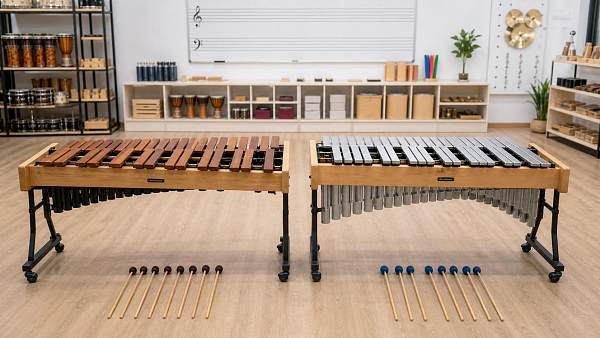
A xylophone usually has wooden bars and a dry, focused sound.
A glockenspiel usually has metal bars and a bright, bell-like tone.
Because of those materials, xylophones and glockenspiels respond very differently in use.
Even before discussing range, the tonal identity already sets them apart.
Range Differences: Where Each Instrument Sits
Range is one of the clearest technical differences between xylophones and glockenspiels.
A classroom xylophone often covers soprano, alto, or bass registers.
In Orff-style settings, multiple xylophones may work together across a wider range.
A glockenspiel usually operates in a higher pitch area.
Its sound cuts through an ensemble because the upper register is naturally more penetrating.
This also means the glockenspiel is less suited to carrying the main harmonic texture.
In practical terms, xylophones support melodic and rhythmic foundations more easily.
Glockenspiels are better for accents, simple melodies, and color effects.
Tone and Sound Character
Tone is where the contrast between xylophones and glockenspiels becomes unmistakable.
A xylophone sounds short, woody, and articulate.
Notes speak quickly, which helps rhythm exercises stay clean.
That clarity is useful when several students play together.
A glockenspiel sounds bright, ringing, and sustained.
Each note lingers longer, which creates shimmer but also more overlap.
In a classroom, that can be beautiful or distracting, depending on the activity.
For ear training, the glockenspiel helps students notice pitch clearly.
For groove-based work, the xylophone usually feels easier to manage.
How Mallets Change the Result
Mallet choice can shift the sound, but it does not erase the core identity.
Harder mallets bring out attack and brightness.
Softer mallets reduce harshness and make practice more controlled.
Even so, xylophones and glockenspiels remain distinct in projection and decay.
Classroom Use: Which One Fits Better?
In music education, the better choice depends on the learning objective.
Xylophones are usually more flexible for group instruction.
They support rhythm drills, movement-based learning, and simple harmony.
Removable bars also make pentatonic setups easy for younger learners.
That reduces wrong-note frustration and keeps participation high.
Glockenspiels work well when space is limited and pitch clarity matters more.
They are common in elementary music rooms, especially for melody recognition.
Because they are compact, they also fit mobile teaching carts and smaller programs.
- Choose xylophones for ensemble layering and rhythmic coordination.
- Choose glockenspiels for pitch focus and bright melodic punctuation.
- Use both when a program wants tonal variety without adding complex instruments.
Noise, Control, and Student Age
Younger students often strike harder than intended.
That makes glockenspiels harder to balance in a live classroom.
Their high frequencies can dominate quickly.
Xylophones usually feel more forgiving, especially in larger groups.
Durability, Maintenance, and Procurement Considerations
For institutional buyers, sound is only part of the decision.
Durability, storage, replacement parts, and compliance all matter.
Wooden bars on xylophones can wear if humidity shifts sharply.
Metal bars on glockenspiels resist some environmental stress better.
However, metal instruments can show scratches, dents, or excessive ringing if mishandled.
In actual procurement, after-sales support is a stronger signal than catalog claims.
Bar replacement availability should be checked before bulk purchase.
The same is true for frame stability, tuning consistency, and mallet compatibility.
- Confirm the intended age group and room size.
- Review tuning standard and manufacturing consistency.
- Check whether individual bars can be replaced.
- Request information on safety testing and material quality.
- Evaluate packaging for school, export, or distributor handling.
When to Choose Xylophones and When to Choose Glockenspiels
The best decision usually comes down to musical function.
Choose xylophones when the goal is broader ensemble work.
They fit rhythm-heavy instruction, layered classroom arrangements, and repeated daily use.
Choose glockenspiels when the goal is brightness, pitch definition, and compact deployment.
They are especially useful for melodic reinforcement and tonal contrast.
For many programs, the strongest setup includes both xylophones and glockenspiels.
That creates a balanced percussion palette without moving into higher-cost orchestral inventory.
It also gives teachers more flexibility across age levels and lesson formats.
Final Takeaway
Understanding xylophones and glockenspiels starts with three core factors: range, tone, and use case.
Xylophones offer warmth, rhythmic clarity, and stronger classroom versatility.
Glockenspiels offer brilliance, higher pitch focus, and efficient melodic support.
Seen this way, the comparison becomes much more practical.
The right choice depends on teaching goals, sound environment, and lifecycle value.
For research, sourcing, or educational planning, that framework leads to better instrument selection.
When evaluating xylophones and glockenspiels, compare real usage conditions first, then let specifications confirm the decision.
Search News
Hot Articles
- Restaurant FurnitureFast-Casual Restaurant Interiors: Design Choices That Improve Speed and Guest FlowOct 04, 2026
- Outdoor RidesHow to Select Leisure Park Equipment for Safe, High-Throughput Visitor AreasOct 03, 2026
- Fashion & Gem JewelryDiamond Tester Wholesale: How to Vet Accuracy, Calibration, and MOQ Before OrderingOct 02, 2026
Popular Tags
Need ExpertConsultation?
Connect with our specialized leisureengineering team for procurementstrategies.
Recommended News
 Sep 11, 2026How to Choose Touring Instrument Cases for Flights, Trucks, and Daily Load-InsInstrument cases for touring: learn how to balance flight protection, truck durability, weight, fit, and serviceable hardware for safer, faster load-ins.● Pro Audio Engineer
 Sep 07, 2026How to Choose Wood Frame Tambourines for Sound Quality and Long-Term UseWood frame tambourines: learn how to compare frame construction, jingle tone, head options, durability, and supplier quality for reliable long-term performance.● Pro Audio Engineer
 Sep 05, 2026How Often Should Music Education Equipment Be Serviced?How often should music education equipment be serviced? Explore practical schedules, maintenance tips, and lifecycle planning to keep instruments and audio systems reliable.● Pro Audio Engineer
 Aug 21, 2026How to Choose Marching Band Drums for Sound Projection, Weight, and DurabilityMarching band drums buying guide: learn how to balance sound projection, weight, and durability for better field performance, easier carrying, and longer-lasting value.● Pro Audio Engineer
 Aug 09, 2026How to Evaluate a MIDI Cable Manufacturer for Audio Quality and OEM ReliabilityMIDI cable manufacturer evaluation guide: learn how to assess signal stability, connector quality, OEM process control, and batch consistency to reduce failures and source with confidence.● Pro Audio Engineer
 Aug 08, 2026How to Evaluate a Trumpets OEM Manufacturer for Quality, MOQ, and Custom DesignTrumpets OEM manufacturer selection starts with quality, MOQ, and custom design control. Learn how to compare suppliers, reduce sourcing risk, and choose a reliable long-term factory partner.● Pro Audio Engineer
 Jul 27, 2026How to Source Conga Drums in Bulk for Schools, Bands, and Event ProgramsConga drums bulk sourcing for schools, bands, and event programs made easier. Learn how to compare quality, durability, compliance, and total cost before you place a large order.● Pro Audio Engineer
 Jul 24, 2026How to Choose Low Dust Violin Rosin for Cleaner Practice and Better Bow ControlLow dust violin rosin buying guide: learn how to compare formula, climate fit, grip, and string compatibility for cleaner practice, better bow control, and smarter purchase decisions.● Pro Audio Engineer
 Jul 15, 2026Plastic Tambourines Bulk Buying Guide: Sizes, Materials, and MOQ QuestionsPlastic tambourines bulk buying guide covering sizes, ABS vs PP materials, sound consistency, customization, and MOQ questions to help buyers cut risk and choose the right supplier.● Pro Audio Engineer
 Jul 13, 2026Acoustic Guitars Wholesale China: How to Evaluate Build Quality and OEM OptionsAcoustic guitars wholesale China guide: learn how to assess build quality, factory consistency, and OEM options to choose reliable suppliers and reduce sourcing risk.● Pro Audio Engineer
 Jul 12, 2026Mini Effect Pedals Wholesale: MOQ, OEM Options, Testing, and Supplier ComparisonMini effect pedals wholesale guide covering MOQ, OEM options, testing standards, and supplier comparison to help buyers reduce risk, improve margins, and choose reliable partners.● Pro Audio Engineer
 Jul 11, 2026DJ Turntables OEM Guide: Key Torque, Drive, and Build Specs to CompareDJ turntables OEM guide covering torque, drive type, speed stability, platter build, and manufacturing consistency. Compare the specs that impact performance, reliability, and sourcing confidence.● Pro Audio Engineer
 Jul 08, 2026Guitar Capos Wholesale: What Materials, Clamp Types, and MOQ Terms Should You Compare?Guitar capos wholesale buying starts with more than price. Compare materials, clamp types, quality checks, and MOQ terms to reduce returns, protect margins, and choose a supplier with confidence.● Pro Audio Engineer
 Jul 07, 2026Birch Drum Kits Manufacturer Comparison: Shell Construction, Hardware Quality, and OEM OptionsBirch drum kits manufacturer comparison covering shell construction, hardware quality, and OEM options to help buyers reduce sourcing risk and choose reliable suppliers.● Pro Audio Engineer
 Jul 06, 2026Spruce Top Acoustic Guitars Explained: Tone, Wood Grades, and Who They Suit BestSpruce top acoustic guitars explained: compare tone, wood grades, and build quality to find the best fit for players, retailers, and commercial buyers.● Pro Audio Engineer
 Jun 30, 2026Xylophones and Glockenspiels: Key Differences in Range, Tone, and Classroom UseXylophones and glockenspiels compared: discover key differences in range, tone, durability, and classroom use to choose the right instrument for teaching, buying, or school programs.● Pro Audio Engineer
 Jun 25, 2026Musical Instrument Industry Report: Key Market Segments, Demand Drivers, and Price TrendsMusical instrument industry report covering key market segments, demand drivers, and price trends. Explore sourcing risks, premium growth, and where buyer demand is shifting next.● Pro Audio Engineer
 Jun 23, 2026Metronomes and Tuners Explained: Types, Key Features, and Who Needs BothMetronomes and tuners explained: compare types, key features, and who needs both. Learn how to choose the right tool for better timing, pitch, and practical daily use.● Pro Audio Engineer
 Jun 22, 2026How the Musical Instrument Industry Supply Chain Affects Lead Times, Cost, and QualityMusical instrument industry supply chain trends now shape lead times, cost, and quality. Discover how smarter sourcing and supplier transparency reduce risk and improve buying outcomes.● Pro Audio Engineer
 Jun 20, 2026DJ Headphones Wholesale Buying Guide: OEM Options, MOQ, and Audio Specs to CompareDJ headphones wholesale guide covering OEM options, MOQ strategy, and key audio specs. Compare build quality, compliance, and total cost to source smarter and reduce returns.● Pro Audio Engineer
 Jun 19, 2026Acoustic Guitars Wholesale: 7 Specs Buyers Should Compare Before Placing an OrderAcoustic guitars wholesale buyers can compare 7 key specs before ordering, from tonewoods and playability to OEM, packaging, and QC, to reduce risk and protect margins.● Pro Audio Engineer
 Jun 15, 2026Tambourines Bulk Buying Guide: Materials, Sound Quality, and Pack Size DifferencesTambourines bulk buying guide covering material choices, sound consistency, and pack size differences. Compare suppliers smarter, reduce risk, and choose the best fit for schools, retail, and events.● Pro Audio Engineer
 Jun 14, 2026Professional Musical Instruments Explained: Types, Skill Levels, and Buying CriteriaProfessional musical instruments explained: discover key types, ideal skill levels, and practical buying criteria to choose reliable, high-performance instruments with confidence.● Pro Audio Engineer
 Jun 10, 2026Drum Kits Manufacturer Comparison: What to Check Before OEM or Bulk OrdersDrum kits manufacturer comparison guide for OEM and bulk buyers: check quality, compliance, lead times, packaging, and true cost before placing large orders.● Pro Audio Engineer