How the Musical Instrument Industry Supply Chain Affects Lead Times, Cost, and Quality
Why the musical instrument industry supply chain now shapes buying outcomes more directly
The musical instrument industry supply chain is no longer a backstage issue.
It now influences delivery timing, landed cost, and consistency at a very visible level.
That shift matters across commercial projects, education fit-outs, hospitality venues, and specialist retail programs.
Instruments are still emotional products, but sourcing decisions are becoming far more operational.
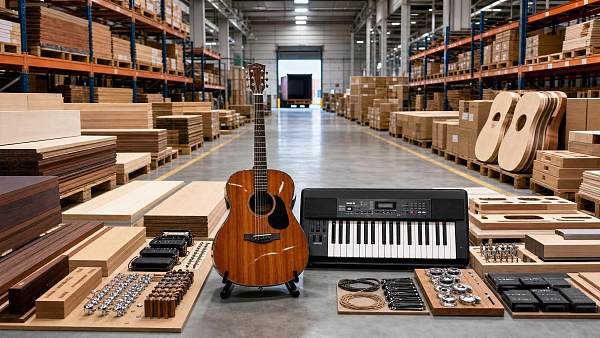
Wood availability, electronics lead times, freight volatility, and factory scheduling now move together.
When one link tightens, the effect quickly reaches pricing, order planning, and quality assurance.
From a broader commercial trade perspective, this mirrors what GCT tracks across experience-driven sectors.
Premium spaces demand design, compliance, and reliable execution at the same time.
That is why the musical instrument industry supply chain deserves closer market attention than before.
Recent signals show the market is becoming less forgiving
Several changes have become more visible over the last few buying cycles.
Lead times have stopped behaving like a simple factory calendar.
They now reflect bottlenecks in timber processing, metal parts, pickups, chips, packaging, and shipping capacity.
More noticeably, the spread between quoted lead time and actual delivery has widened.
That creates planning risk even when base demand looks stable.
At the same time, cost pressure is no longer limited to freight surcharges.
It appears in smaller component substitutions, minimum order thresholds, and more fragmented production runs.
Quality also feels the pressure.
When factories re-sequence orders or switch sub-suppliers too quickly, finish consistency and setup quality can drift.
This does not always show up on a specification sheet.
It often appears later, during inspection, installation, or after-sale claims.
The most common pressure points now appearing in sourcing conversations
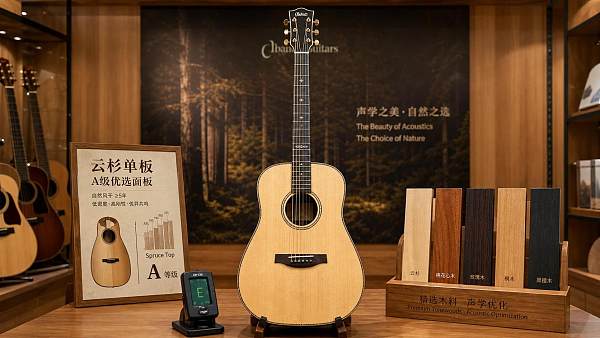
- Tonewoods face tighter scrutiny, legality checks, and uneven regional supply.
- Electronic components remain exposed to demand swings from other industries.
- OEM capacity shifts toward higher-margin programs during peak periods.
- Finishing and craftsmanship stages stay labor-sensitive and harder to accelerate.
- Cross-border freight still adds uncertainty to final delivery commitments.
Why these disruptions are becoming more structural, not temporary
The current pattern is not driven by one isolated shock.
It comes from several structural forces moving at once.
Demand is more segmented than before.
Entry-level instruments, branded mid-range lines, and custom commercial requirements now follow different sourcing rhythms.
Factories therefore manage more SKU variation with less scheduling simplicity.
Another factor is the premiumization of commercial environments.
Hotels, entertainment venues, and education spaces increasingly expect instruments to support brand experience, not just function.
That raises finish standards, customization requests, and documentation needs.
Compliance is also a larger variable.
Material traceability, safety expectations, and packaging standards are now linked to market access and risk control.
In practical terms, the musical instrument industry supply chain is carrying more non-price responsibilities than in earlier cycles.
Impact is spreading beyond factories into budgeting and project delivery
One important shift is that supply chain stress now affects commercial timelines much earlier.
A venue opening, a campus upgrade, or a retail launch can be delayed by one missing component family.
This makes the musical instrument industry supply chain a planning issue, not just a replenishment issue.
Budget accuracy is also harder to maintain.
Quoted unit price may look acceptable, yet final landed cost changes after packaging revisions, route changes, or duty adjustments.
That is especially relevant in mixed commercial projects where instruments sit beside lighting, furniture, or AV equipment.
If one category becomes less predictable, the whole project absorbs the shock.
Quality risk is the third layer.
A rushed shipment can arrive on time while still creating hidden costs through rework, tuning instability, cosmetic issues, or early failure rates.
Where the effect tends to show up first
- Project budgeting becomes less reliable at quotation stage.
- Delivery milestones need more contingency than before.
- Inspection standards become more important than brand claims alone.
- After-sales planning matters more for high-touch installations.
The stronger suppliers are not only faster, they are more transparent
Speed still matters, but it is no longer the best standalone signal.
More dependable suppliers usually perform better in visibility, documentation, and change control.
That includes clearer material sourcing records, realistic production windows, and stable communication around substitutions.
In the musical instrument industry supply chain, transparency increasingly protects both cost and quality.
This aligns with a broader sourcing pattern across commercial sectors tracked by GCT.
Buyers now value verified capability and execution evidence more than broad catalog promises.
That applies to OEM partners, branded exporters, and specialized fabricators alike.
The practical question is no longer only who can produce.
It is who can keep outcomes stable when supply conditions shift.
What deserves closer attention in the next sourcing cycle
The next phase will likely reward preparation more than opportunistic buying.
Lead time expectations should be reviewed by component group, not only by finished product category.
Cost analysis should also separate ex-works pricing from packaging, freight, compliance, and failure risk.
More useful decisions often come from comparing total sourcing exposure rather than headline price.
Quality planning deserves the same treatment.
Inspection checkpoints, finish tolerances, setup standards, and spare parts continuity should be defined earlier.
That reduces expensive surprises later in the project chain.
Useful next steps for a more resilient approach
- Map critical materials and components behind each instrument family.
- Check whether current suppliers disclose substitution and delay protocols.
- Review landed cost assumptions against current freight and compliance realities.
- Align quality checks with real-use commercial environments, not factory samples alone.
- Build phased sourcing plans for standard items and customized orders separately.
The musical instrument industry supply chain will remain a decisive market variable.
The clearest advantage now comes from reading supply signals early and acting before pressure becomes visible in delivery or quality.
That means watching change at the component level, validating execution discipline, and reassessing assumptions each sourcing cycle.
In a market where commercial experience and product reliability increasingly intersect, better decisions start with better supply chain visibility.
Search News
Hot Articles
- Stationery & UniformsHow Schools Can Cut Printing Costs When Buying Ink Cartridges in BulkSep 21, 2026
- Jewelry Packaging & DisplayHow to Evaluate a Luxury Retail Packaging Supplier for Premium Brand ConsistencySep 20, 2026
- Commercial KitchenHow to Select a Spiral Dough Mixer for Bakery Batch Size and Dough HydrationSep 19, 2026
Popular Tags
Need ExpertConsultation?
Connect with our specialized leisureengineering team for procurementstrategies.
Recommended News
 Sep 11, 2026How to Choose Touring Instrument Cases for Flights, Trucks, and Daily Load-InsInstrument cases for touring: learn how to balance flight protection, truck durability, weight, fit, and serviceable hardware for safer, faster load-ins.● Pro Audio Engineer
 Sep 07, 2026How to Choose Wood Frame Tambourines for Sound Quality and Long-Term UseWood frame tambourines: learn how to compare frame construction, jingle tone, head options, durability, and supplier quality for reliable long-term performance.● Pro Audio Engineer
 Sep 05, 2026How Often Should Music Education Equipment Be Serviced?How often should music education equipment be serviced? Explore practical schedules, maintenance tips, and lifecycle planning to keep instruments and audio systems reliable.● Pro Audio Engineer
 Aug 21, 2026How to Choose Marching Band Drums for Sound Projection, Weight, and DurabilityMarching band drums buying guide: learn how to balance sound projection, weight, and durability for better field performance, easier carrying, and longer-lasting value.● Pro Audio Engineer
 Aug 09, 2026How to Evaluate a MIDI Cable Manufacturer for Audio Quality and OEM ReliabilityMIDI cable manufacturer evaluation guide: learn how to assess signal stability, connector quality, OEM process control, and batch consistency to reduce failures and source with confidence.● Pro Audio Engineer
 Aug 08, 2026How to Evaluate a Trumpets OEM Manufacturer for Quality, MOQ, and Custom DesignTrumpets OEM manufacturer selection starts with quality, MOQ, and custom design control. Learn how to compare suppliers, reduce sourcing risk, and choose a reliable long-term factory partner.● Pro Audio Engineer
 Jul 27, 2026How to Source Conga Drums in Bulk for Schools, Bands, and Event ProgramsConga drums bulk sourcing for schools, bands, and event programs made easier. Learn how to compare quality, durability, compliance, and total cost before you place a large order.● Pro Audio Engineer
 Jul 24, 2026How to Choose Low Dust Violin Rosin for Cleaner Practice and Better Bow ControlLow dust violin rosin buying guide: learn how to compare formula, climate fit, grip, and string compatibility for cleaner practice, better bow control, and smarter purchase decisions.● Pro Audio Engineer
 Jul 15, 2026Plastic Tambourines Bulk Buying Guide: Sizes, Materials, and MOQ QuestionsPlastic tambourines bulk buying guide covering sizes, ABS vs PP materials, sound consistency, customization, and MOQ questions to help buyers cut risk and choose the right supplier.● Pro Audio Engineer
 Jul 13, 2026Acoustic Guitars Wholesale China: How to Evaluate Build Quality and OEM OptionsAcoustic guitars wholesale China guide: learn how to assess build quality, factory consistency, and OEM options to choose reliable suppliers and reduce sourcing risk.● Pro Audio Engineer
 Jul 12, 2026Mini Effect Pedals Wholesale: MOQ, OEM Options, Testing, and Supplier ComparisonMini effect pedals wholesale guide covering MOQ, OEM options, testing standards, and supplier comparison to help buyers reduce risk, improve margins, and choose reliable partners.● Pro Audio Engineer
 Jul 11, 2026DJ Turntables OEM Guide: Key Torque, Drive, and Build Specs to CompareDJ turntables OEM guide covering torque, drive type, speed stability, platter build, and manufacturing consistency. Compare the specs that impact performance, reliability, and sourcing confidence.● Pro Audio Engineer
 Jul 08, 2026Guitar Capos Wholesale: What Materials, Clamp Types, and MOQ Terms Should You Compare?Guitar capos wholesale buying starts with more than price. Compare materials, clamp types, quality checks, and MOQ terms to reduce returns, protect margins, and choose a supplier with confidence.● Pro Audio Engineer
 Jul 07, 2026Birch Drum Kits Manufacturer Comparison: Shell Construction, Hardware Quality, and OEM OptionsBirch drum kits manufacturer comparison covering shell construction, hardware quality, and OEM options to help buyers reduce sourcing risk and choose reliable suppliers.● Pro Audio Engineer
 Jul 06, 2026Spruce Top Acoustic Guitars Explained: Tone, Wood Grades, and Who They Suit BestSpruce top acoustic guitars explained: compare tone, wood grades, and build quality to find the best fit for players, retailers, and commercial buyers.● Pro Audio Engineer
 Jun 30, 2026Xylophones and Glockenspiels: Key Differences in Range, Tone, and Classroom UseXylophones and glockenspiels compared: discover key differences in range, tone, durability, and classroom use to choose the right instrument for teaching, buying, or school programs.● Pro Audio Engineer
 Jun 25, 2026Musical Instrument Industry Report: Key Market Segments, Demand Drivers, and Price TrendsMusical instrument industry report covering key market segments, demand drivers, and price trends. Explore sourcing risks, premium growth, and where buyer demand is shifting next.● Pro Audio Engineer
 Jun 23, 2026Metronomes and Tuners Explained: Types, Key Features, and Who Needs BothMetronomes and tuners explained: compare types, key features, and who needs both. Learn how to choose the right tool for better timing, pitch, and practical daily use.● Pro Audio Engineer
 Jun 22, 2026How the Musical Instrument Industry Supply Chain Affects Lead Times, Cost, and QualityMusical instrument industry supply chain trends now shape lead times, cost, and quality. Discover how smarter sourcing and supplier transparency reduce risk and improve buying outcomes.● Pro Audio Engineer
 Jun 20, 2026DJ Headphones Wholesale Buying Guide: OEM Options, MOQ, and Audio Specs to CompareDJ headphones wholesale guide covering OEM options, MOQ strategy, and key audio specs. Compare build quality, compliance, and total cost to source smarter and reduce returns.● Pro Audio Engineer
 Jun 19, 2026Acoustic Guitars Wholesale: 7 Specs Buyers Should Compare Before Placing an OrderAcoustic guitars wholesale buyers can compare 7 key specs before ordering, from tonewoods and playability to OEM, packaging, and QC, to reduce risk and protect margins.● Pro Audio Engineer
 Jun 15, 2026Tambourines Bulk Buying Guide: Materials, Sound Quality, and Pack Size DifferencesTambourines bulk buying guide covering material choices, sound consistency, and pack size differences. Compare suppliers smarter, reduce risk, and choose the best fit for schools, retail, and events.● Pro Audio Engineer
 Jun 14, 2026Professional Musical Instruments Explained: Types, Skill Levels, and Buying CriteriaProfessional musical instruments explained: discover key types, ideal skill levels, and practical buying criteria to choose reliable, high-performance instruments with confidence.● Pro Audio Engineer
 Jun 10, 2026Drum Kits Manufacturer Comparison: What to Check Before OEM or Bulk OrdersDrum kits manufacturer comparison guide for OEM and bulk buyers: check quality, compliance, lead times, packaging, and true cost before placing large orders.● Pro Audio Engineer