How to Evaluate a Musical Instruments Manufacturer for OEM and Bulk Orders
Selecting the right musical instruments manufacturer for OEM and bulk orders requires more than comparing prices.
Quality, compliance, customization, delivery discipline, and support all affect commercial performance across schools, retailers, venues, and professional programs.
A structured evaluation helps reduce sourcing risk, protect brand reputation, and identify partners capable of stable growth.
How Scenario Requirements Change the Musical Instruments Manufacturer Decision
Every buying scenario creates different pressure points for a musical instruments manufacturer.
A school program values durability, simple maintenance, and predictable replacement supply.
A specialty retailer may focus on finish quality, packaging appeal, and consistent product storytelling.
A hospitality venue needs instruments that support atmosphere, visual identity, and reliable performance under frequent use.
Professional music programs require tighter tonal control, component traceability, and refined setup standards.
Before comparing quotations, define where the products will be used, who will maintain them, and how often they will be played.
This turns supplier selection into a practical scenario-matching process, not a narrow price negotiation.
School and Institutional Programs Need Durability First
For education-related bulk orders, the musical instruments manufacturer must prove consistency across large batches.
Student instruments face frequent transport, shared use, rapid learning wear, and uneven maintenance habits.
Evaluation should begin with material stability, joint strength, tuning reliability, and repair-friendly construction.
Ask for batch inspection reports, sample failure records, and spare parts availability.
A reliable musical instruments manufacturer should offer standardized SKUs, clear warranty rules, and fast replenishment for common parts.
For brass, woodwind, percussion, or beginner strings, packaging also matters.
Strong cartons, protective interiors, moisture control, and barcode labeling reduce damage during campus distribution.
In this scenario, the lowest unit cost can become expensive if repair rates rise after delivery.
Retail and E-Commerce Orders Require Visual Consistency
Retail channels need products that look consistent online, in stores, and after unboxing.
The musical instruments manufacturer should control color, coating, logo placement, accessories, and packaging presentation.
Small differences in finish, grain, hardware, or printed materials can create returns and negative reviews.
Request golden samples and define acceptance standards before mass production begins.
For OEM orders, branding control is critical.
A qualified musical instruments manufacturer should manage private labels, user manuals, carton marks, serial numbers, and channel-specific packaging.
E-commerce orders also require drop-test data, dimensional accuracy, and clear outer-carton labeling.
These details help protect conversion rates and reduce avoidable logistics claims.
Hospitality, Leisure, and Experience Spaces Need Aesthetic Fit
Hotels, resorts, clubs, cruise venues, and cultural spaces often use instruments as both functional assets and visual design elements.
In this setting, a musical instruments manufacturer must understand décor, usage intensity, acoustic placement, and brand atmosphere.
A lobby piano, lounge guitar set, or themed percussion display cannot be evaluated only by technical specification.
Finish durability, humidity resistance, surface protection, and coordinated design become important.
The musical instruments manufacturer should provide finish samples, customization drawings, and maintenance guidance for commercial environments.
For venues with live entertainment, sound reliability is equally important.
Check whether the musical instruments manufacturer can tune, set up, and inspect instruments before shipment.
For international projects, confirm climate packaging and documentation before final approval.
Professional Programs Demand Performance-Level Control
Professional use places stronger demands on response, projection, tuning stability, and long-term playability.
The musical instruments manufacturer must demonstrate skilled setup, material grading, and consistent acoustic evaluation.
For string instruments, review wood aging, carving accuracy, bridge setup, and varnish control.
For guitars, examine neck relief, fret finishing, pickup installation, and intonation standards.
For wind instruments, check valve action, pad sealing, bore accuracy, and plating quality.
A capable musical instruments manufacturer should support pre-production samples, technical notes, and approval cycles.
This scenario rewards partners with genuine craft knowledge, not only assembly capacity.
Key Differences Across Bulk Order Scenarios
This comparison shows why one musical instruments manufacturer may fit one channel but fail another.
The best partner is not always the largest factory.
It is the supplier whose strengths match the actual usage scenario.
How to Verify Production Capacity Before OEM Approval
Capacity claims should be tested through evidence, not accepted as marketing language.
Ask the musical instruments manufacturer for monthly output, peak-season records, equipment lists, and worker specialization details.
Review whether production lines are suitable for the requested category.
A factory strong in entry-level guitars may not manage advanced wind instruments with equal control.
Capacity should also include quality control time.
If schedules leave no room for tuning, testing, drying, curing, or inspection, shipment risk increases.
A dependable musical instruments manufacturer will explain process stages clearly and identify realistic lead times.
Material and Component Consistency Protects Brand Trust
Musical instruments are sensitive to material variation.
Wood moisture, metal hardness, felt density, string quality, adhesives, and coatings can affect performance.
A serious musical instruments manufacturer should maintain approved supplier lists and incoming inspection records.
For long-term OEM projects, define material substitution rules in writing.
Unapproved substitutions may reduce tonal quality, change appearance, or create compliance exposure.
Component traceability is especially valuable for bulk orders crossing multiple markets.
It supports recall management, warranty analysis, and continuous improvement.
Compliance Checks Should Match the Destination Market
International sourcing requires more than basic factory certificates.
The musical instruments manufacturer must understand destination-market requirements for materials, labeling, safety, and restricted substances.
Depending on product category, relevant checks may include CPSIA, REACH, RoHS, Prop 65, or wood documentation.
Electrical instruments may require additional adapter, battery, or electromagnetic compliance review.
Ask whether test reports apply to the exact product, material, and production period.
Expired or unrelated reports should not be treated as sufficient evidence.
A professional musical instruments manufacturer will cooperate with third-party testing and document preparation.
Scenario-Based Supplier Evaluation Checklist
- Confirm the product scenario before requesting final pricing.
- Compare samples from the musical instruments manufacturer against actual use conditions.
- Define quality acceptance criteria before production.
- Check material sources, component records, and substitution controls.
- Verify production capacity with recent order evidence.
- Review compliance documents for the destination market.
- Test packaging through realistic shipping routes.
- Set warranty, spare parts, and after-sales response expectations.
This checklist keeps the musical instruments manufacturer discussion practical, measurable, and aligned with commercial outcomes.
Common Misjudgments When Comparing Suppliers
The most common mistake is treating all instruments as simple consumer goods.
Unlike many products, instruments combine acoustics, craftsmanship, materials, and emotional user expectations.
Another mistake is approving a musical instruments manufacturer based only on a perfect showroom sample.
Bulk production may reveal problems that one handmade sample hides.
A third issue is ignoring after-sales support.
Accessories, replacement parts, tuning support, and warranty communication affect total ownership cost.
Some evaluations also underestimate packaging.
For fragile instruments, poor cartons can damage products before any user experiences them.
How GCT Supports Smarter Musical Instruments Sourcing
Global Commercial Trade focuses on sourcing intelligence for commercial experience sectors, including pro audio and musical instruments.
GCT connects scenario insight, supplier capability analysis, OEM guidance, and market expectations for global commercial projects.
For complex sourcing decisions, verified information helps separate strong claims from dependable manufacturing capability.
When evaluating a musical instruments manufacturer, the strongest decision combines product knowledge, scenario planning, and supply chain evidence.
Action Steps Before Placing an OEM or Bulk Order
Start with a written usage scenario and a clear product specification.
Then request samples, compliance documents, production records, packaging details, and warranty policies.
Compare each musical instruments manufacturer against the same evaluation framework.
Shortlist partners that demonstrate stable quality, transparent communication, realistic lead times, and scenario-specific expertise.
The right musical instruments manufacturer should help deliver dependable instruments, protect commercial reputation, and support repeatable growth.
Use structured evaluation before committing volume, and turn sourcing from a cost exercise into a strategic advantage.
Search News
Hot Articles
Popular Tags
Need ExpertConsultation?
Connect with our specialized leisureengineering team for procurementstrategies.
Recommended News
 Oct 15, 2026How Do You Choose Music Education Equipment for a New Campus?Learn how to choose music education equipment for a new campus with practical tips on curriculum fit, acoustics, suppliers, and ownership costs. Equip classrooms confidently and avoid costly mistakes.● Pro Audio Engineer
 Oct 10, 2026A Practical Guide to Identifying Wooden Orchestral Instruments by Family and ToneWooden orchestral instruments made simple: identify strings, flutes, clarinets, oboes, and bassoons by sound source, design, and tone.● Pro Audio Engineer
 Sep 11, 2026How to Choose Touring Instrument Cases for Flights, Trucks, and Daily Load-InsInstrument cases for touring: learn how to balance flight protection, truck durability, weight, fit, and serviceable hardware for safer, faster load-ins.● Pro Audio Engineer
 Sep 07, 2026How to Choose Wood Frame Tambourines for Sound Quality and Long-Term UseWood frame tambourines: learn how to compare frame construction, jingle tone, head options, durability, and supplier quality for reliable long-term performance.● Pro Audio Engineer
 Sep 05, 2026How Often Should Music Education Equipment Be Serviced?How often should music education equipment be serviced? Explore practical schedules, maintenance tips, and lifecycle planning to keep instruments and audio systems reliable.● Pro Audio Engineer
 Aug 21, 2026How to Choose Marching Band Drums for Sound Projection, Weight, and DurabilityMarching band drums buying guide: learn how to balance sound projection, weight, and durability for better field performance, easier carrying, and longer-lasting value.● Pro Audio Engineer
 Aug 09, 2026How to Evaluate a MIDI Cable Manufacturer for Audio Quality and OEM ReliabilityMIDI cable manufacturer evaluation guide: learn how to assess signal stability, connector quality, OEM process control, and batch consistency to reduce failures and source with confidence.● Pro Audio Engineer
 Aug 08, 2026How to Evaluate a Trumpets OEM Manufacturer for Quality, MOQ, and Custom DesignTrumpets OEM manufacturer selection starts with quality, MOQ, and custom design control. Learn how to compare suppliers, reduce sourcing risk, and choose a reliable long-term factory partner.● Pro Audio Engineer
 Jul 27, 2026How to Source Conga Drums in Bulk for Schools, Bands, and Event ProgramsConga drums bulk sourcing for schools, bands, and event programs made easier. Learn how to compare quality, durability, compliance, and total cost before you place a large order.● Pro Audio Engineer
 Jul 24, 2026How to Choose Low Dust Violin Rosin for Cleaner Practice and Better Bow ControlLow dust violin rosin buying guide: learn how to compare formula, climate fit, grip, and string compatibility for cleaner practice, better bow control, and smarter purchase decisions.● Pro Audio Engineer
 Jul 15, 2026Plastic Tambourines Bulk Buying Guide: Sizes, Materials, and MOQ QuestionsPlastic tambourines bulk buying guide covering sizes, ABS vs PP materials, sound consistency, customization, and MOQ questions to help buyers cut risk and choose the right supplier.● Pro Audio Engineer
 Jul 13, 2026Acoustic Guitars Wholesale China: How to Evaluate Build Quality and OEM OptionsAcoustic guitars wholesale China guide: learn how to assess build quality, factory consistency, and OEM options to choose reliable suppliers and reduce sourcing risk.● Pro Audio Engineer
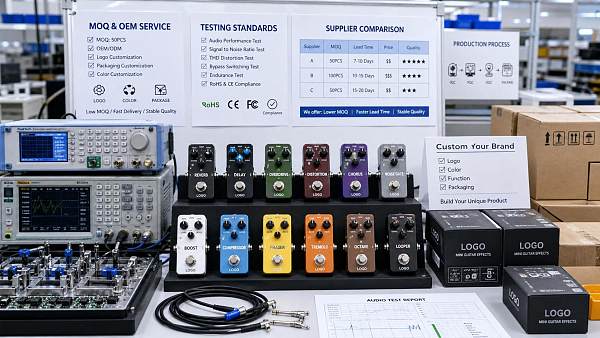
 Jul 12, 2026Mini Effect Pedals Wholesale: MOQ, OEM Options, Testing, and Supplier ComparisonMini effect pedals wholesale guide covering MOQ, OEM options, testing standards, and supplier comparison to help buyers reduce risk, improve margins, and choose reliable partners.● Pro Audio Engineer
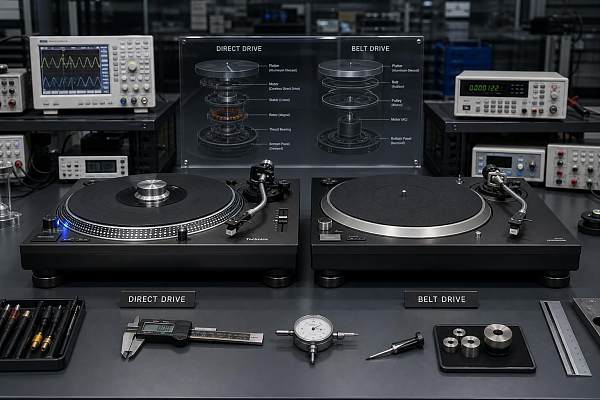
 Jul 11, 2026DJ Turntables OEM Guide: Key Torque, Drive, and Build Specs to CompareDJ turntables OEM guide covering torque, drive type, speed stability, platter build, and manufacturing consistency. Compare the specs that impact performance, reliability, and sourcing confidence.● Pro Audio Engineer
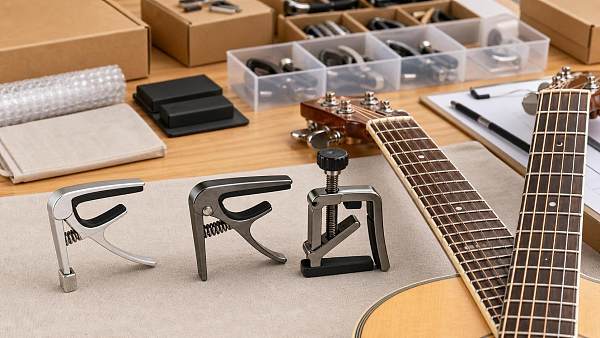
 Jul 08, 2026Guitar Capos Wholesale: What Materials, Clamp Types, and MOQ Terms Should You Compare?Guitar capos wholesale buying starts with more than price. Compare materials, clamp types, quality checks, and MOQ terms to reduce returns, protect margins, and choose a supplier with confidence.● Pro Audio Engineer
 Jul 07, 2026Birch Drum Kits Manufacturer Comparison: Shell Construction, Hardware Quality, and OEM OptionsBirch drum kits manufacturer comparison covering shell construction, hardware quality, and OEM options to help buyers reduce sourcing risk and choose reliable suppliers.● Pro Audio Engineer
 Jul 06, 2026Spruce Top Acoustic Guitars Explained: Tone, Wood Grades, and Who They Suit BestSpruce top acoustic guitars explained: compare tone, wood grades, and build quality to find the best fit for players, retailers, and commercial buyers.● Pro Audio Engineer
 Jun 30, 2026Xylophones and Glockenspiels: Key Differences in Range, Tone, and Classroom UseXylophones and glockenspiels compared: discover key differences in range, tone, durability, and classroom use to choose the right instrument for teaching, buying, or school programs.● Pro Audio Engineer
 Jun 25, 2026Musical Instrument Industry Report: Key Market Segments, Demand Drivers, and Price TrendsMusical instrument industry report covering key market segments, demand drivers, and price trends. Explore sourcing risks, premium growth, and where buyer demand is shifting next.● Pro Audio Engineer
 Jun 23, 2026Metronomes and Tuners Explained: Types, Key Features, and Who Needs BothMetronomes and tuners explained: compare types, key features, and who needs both. Learn how to choose the right tool for better timing, pitch, and practical daily use.● Pro Audio Engineer
 Jun 22, 2026How the Musical Instrument Industry Supply Chain Affects Lead Times, Cost, and QualityMusical instrument industry supply chain trends now shape lead times, cost, and quality. Discover how smarter sourcing and supplier transparency reduce risk and improve buying outcomes.● Pro Audio Engineer
 Jun 20, 2026DJ Headphones Wholesale Buying Guide: OEM Options, MOQ, and Audio Specs to CompareDJ headphones wholesale guide covering OEM options, MOQ strategy, and key audio specs. Compare build quality, compliance, and total cost to source smarter and reduce returns.● Pro Audio Engineer
 Jun 19, 2026Acoustic Guitars Wholesale: 7 Specs Buyers Should Compare Before Placing an OrderAcoustic guitars wholesale buyers can compare 7 key specs before ordering, from tonewoods and playability to OEM, packaging, and QC, to reduce risk and protect margins.● Pro Audio Engineer
 Jun 15, 2026Tambourines Bulk Buying Guide: Materials, Sound Quality, and Pack Size DifferencesTambourines bulk buying guide covering material choices, sound consistency, and pack size differences. Compare suppliers smarter, reduce risk, and choose the best fit for schools, retail, and events.● Pro Audio Engineer