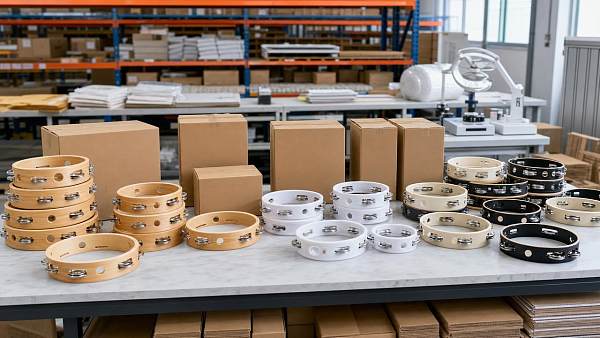
Wholesale Musical Instruments for Schools: What to Check Before Buying
Buying wholesale musical instruments for schools is not just about finding the lowest unit price.
It is about securing durable, student-friendly, curriculum-ready products that can withstand daily classroom use.
The right supplier should provide consistent quality, compliance documents, reliable support, and flexible bulk purchasing options.
Before any order, evaluate materials, warranties, safety standards, delivery timelines, and long-term maintenance needs.
Why School Scenarios Change the Buying Standard
The same instrument may perform differently in a classroom, rehearsal hall, storage room, or outdoor performance.
That is why wholesale musical instruments for schools require scenario-based evaluation, not only catalog comparison.
A beginner program needs forgiving playability, stable tuning, and simple maintenance.
An advanced ensemble may need better tone projection, replaceable parts, and stronger cases for frequent transport.
In institutional sourcing, poor fit creates hidden costs through repairs, replacements, teaching delays, and student frustration.
A clear scenario map helps align quality level, budget, delivery schedule, and after-sales expectations.
Scenario 1: Beginner Classrooms Need Rugged, Easy-to-Use Instruments
Beginner classrooms often handle the highest daily wear because instruments pass through many inexperienced hands.
For this setting, wholesale musical instruments for schools should prioritize comfort, durability, and quick setup.
Recorders, ukuleles, percussion kits, keyboards, and starter band instruments should have consistent build quality.
Check smooth edges, stable tuning parts, non-toxic finishes, and accessories suitable for repeated student use.
Beginner instruments should not feel disposable, even when priced for bulk education programs.
Core checks for beginner programs
- Lightweight bodies that fit younger students comfortably.
- Stable tuning systems that reduce lesson interruptions.
- Rounded contact points and safe surface coatings.
- Spare parts available for common classroom repairs.
- Packaging that supports easy storage and distribution.
When wholesale musical instruments for schools serve first-year learners, simplicity often matters more than decorative features.
Scenario 2: Band and Orchestra Rooms Need Consistency Across Large Sets
Band and orchestra rooms depend on tonal balance across many instruments in the same section.
Wholesale musical instruments for schools should come from production batches with tight quality control.
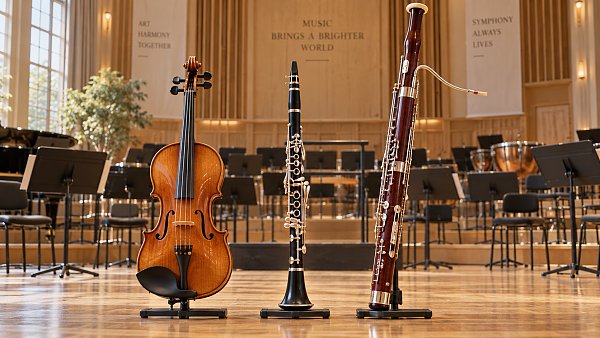
For brass and woodwind items, inspect valve action, key alignment, pad sealing, and soldering quality.
For strings, check bridge fitting, peg function, fingerboard smoothness, and bow hair consistency.
Inconsistent instruments make ensemble teaching harder and can distort performance assessment.
Request batch inspection reports, sample approvals, and acceptable tolerance ranges before confirming bulk quantities.
What to verify before shipping
- Serial number tracking or batch labeling.
- Pre-shipment tuning and functional testing.
- Case strength for daily movement.
- Accessory completeness, including mouthpieces, reeds, rosin, or straps.
- Clear replacement procedures for defective units.
Reliable wholesale musical instruments for schools reduce the burden on music rooms that manage large inventories.
Scenario 3: Performance Halls Need Better Projection and Presentation
Concert halls, auditoriums, and recital spaces need instruments that support confidence under performance conditions.
Here, wholesale musical instruments for schools should balance budget discipline with sound quality and stage reliability.
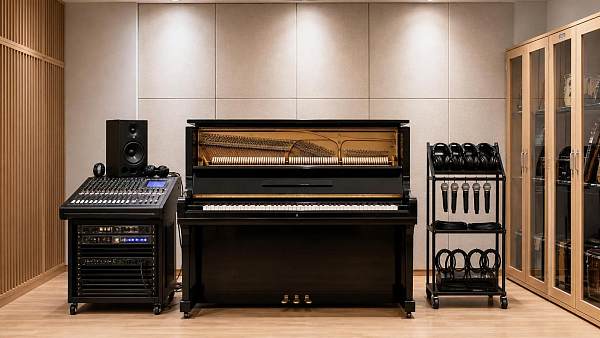
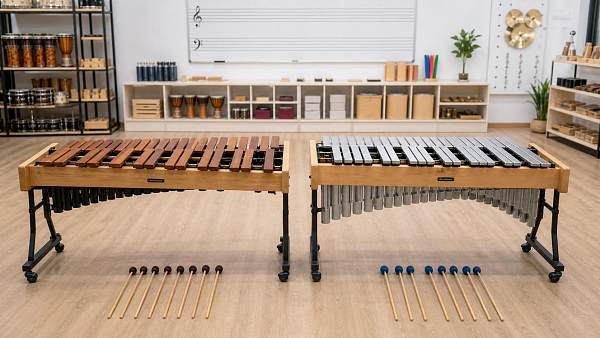
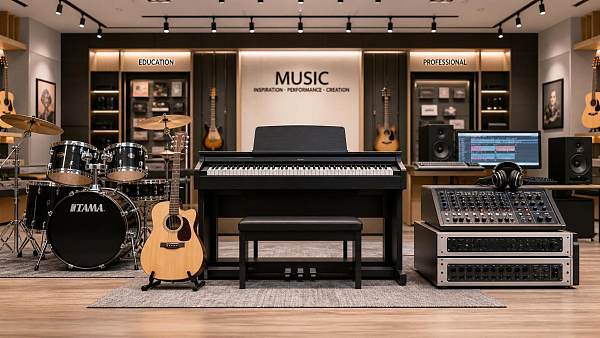
Digital pianos, drum sets, orchestral percussion, guitars, and amplifiers require stronger performance testing.
Projection, tonal clarity, pedal response, hardware stability, and noise control deserve special attention.
Visual appearance also matters when instruments are used for concerts, ceremonies, open days, or community events.
A lower-cost instrument may become expensive if it fails during public performances.
Scenario 4: Mobile Music Programs Need Portability and Protection
Some programs move instruments between classrooms, campuses, buses, storage areas, and outdoor venues.
For mobile use, wholesale musical instruments for schools must include practical cases, strong handles, and labeled storage.
Lightweight design should not weaken joints, stands, hinges, zippers, or hardware mounts.
Portable keyboards need reliable power adapters, durable keys, and protective covers.
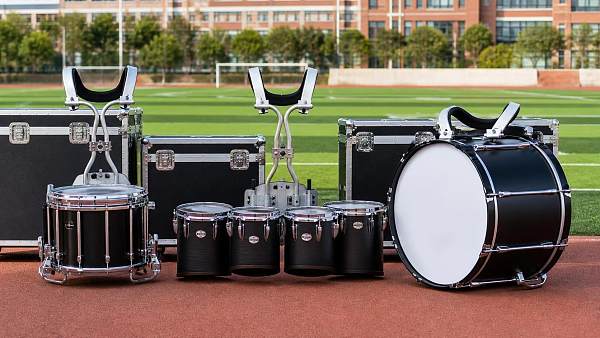
Marching or outdoor instruments need finishes that tolerate humidity, temperature shifts, and frequent handling.
Transport conditions should shape the purchasing standard as much as classroom sound quality.
Scenario 5: Inclusive Music Learning Needs Adaptable Designs
Modern music education increasingly supports different ages, abilities, and learning styles.
Wholesale musical instruments for schools should include options that reduce physical barriers and improve participation.
Consider smaller sizes, adjustable stands, color-coded learning tools, simplified percussion, and accessible digital interfaces.
Adaptive accessories can make one instrument set useful across more teaching situations.
This approach improves asset utilization and supports broader educational outcomes.
How Requirements Differ by School Music Scenario
This comparison shows why wholesale musical instruments for schools should be selected by use case first.
A single price list cannot reveal classroom life cycle value.
Supplier Checks That Protect Long-Term Value
A good supplier should make quality visible before payment, not only after delivery.
When comparing wholesale musical instruments for schools, request documents that support safety, consistency, and serviceability.
- Material declarations for finishes, plastics, metals, and contact surfaces.
- Compliance references for relevant destination markets.
- Warranty scope covering parts, labor, and replacement conditions.
- Spare-part lists with prices and lead times.
- Quality control photos, videos, or inspection reports.
- Packing standards for bulk shipment and storage.
For international orders, Incoterms, insurance, customs documents, and delivery milestones should be clear.
Global Commercial Trade focuses on sourcing intelligence where compliance, design, and supply reliability matter together.
Bulk Purchasing Terms That Deserve Careful Review
Bulk pricing can hide different cost structures, especially when accessories and cases are not included.
Wholesale musical instruments for schools should be priced as complete educational kits whenever possible.
A low unit price may exclude reeds, cables, stands, tuning tools, replacement strings, or protective storage.
Clarify minimum order quantities, sample fees, customization costs, and replacement policies before approval.
If a logo, color, case label, or inventory code is needed, confirm artwork requirements early.
Delivery timing should match school calendars, holidays, installation schedules, and training periods.
Useful cost questions
- Are accessories included in every carton?
- Are replacements shipped locally or internationally?
- What damage rate is covered after arrival?
- Can future repeat orders match the same specification?
- Are inspection costs included or separate?
Maintenance Planning Before the First Order
Instrument maintenance should be planned before products arrive, not after problems appear.
Wholesale musical instruments for schools should come with cleaning guidance, storage advice, and repair access.
Wind instruments need hygiene procedures, swabs, mouthpiece care, and pad protection.
String instruments need humidity awareness, bridge checks, bow care, and replacement strings.
Keyboards and audio-connected instruments need cable management, power safety, and dust prevention.
Maintenance planning extends usable life and protects the total investment.
Common Misjudgments in School Instrument Sourcing
The most common mistake is treating school instruments like casual consumer purchases.
Wholesale musical instruments for schools must survive structured, repeated, and sometimes rough educational use.
- Choosing the cheapest option without checking repairability.
- Ignoring storage space and case dimensions.
- Ordering mixed specifications that complicate teaching.
- Forgetting accessories needed for the first lesson.
- Overlooking humidity, transport, and seasonal delivery risks.
- Accepting unclear warranty language for bulk orders.
Another risk is approving samples that differ from mass-production goods.
Sample confirmation should include materials, finish, accessories, packaging, and inspection criteria.
Practical Fit Checklist Before Buying
Use a fit checklist to connect educational use with sourcing decisions.
This keeps wholesale musical instruments for schools aligned with curriculum, operations, and budget control.
This checklist supports faster comparison between suppliers and reduces emotional buying decisions.
Next Step: Build a Scenario-Based Sourcing Brief
Before requesting quotations, prepare a sourcing brief based on real teaching and performance scenarios.
List quantities, student age groups, classroom conditions, storage limits, delivery dates, and accessory requirements.
Then compare wholesale musical instruments for schools by life cycle value, not only initial price.
GCT’s sourcing intelligence model helps connect commercial buyers with suppliers that demonstrate quality, compliance, and reliability.
A stronger brief leads to better quotations, fewer surprises, and instruments that support learning for years.
For every order of wholesale musical instruments for schools, the best result starts with scenario clarity.
Search News
Hot Articles
Popular Tags
Need ExpertConsultation?
Connect with our specialized leisureengineering team for procurementstrategies.
Recommended News
 Oct 15, 2026How Do You Choose Music Education Equipment for a New Campus?Learn how to choose music education equipment for a new campus with practical tips on curriculum fit, acoustics, suppliers, and ownership costs. Equip classrooms confidently and avoid costly mistakes.● Pro Audio Engineer
 Oct 10, 2026A Practical Guide to Identifying Wooden Orchestral Instruments by Family and ToneWooden orchestral instruments made simple: identify strings, flutes, clarinets, oboes, and bassoons by sound source, design, and tone.● Pro Audio Engineer
 Sep 11, 2026How to Choose Touring Instrument Cases for Flights, Trucks, and Daily Load-InsInstrument cases for touring: learn how to balance flight protection, truck durability, weight, fit, and serviceable hardware for safer, faster load-ins.● Pro Audio Engineer
 Sep 07, 2026How to Choose Wood Frame Tambourines for Sound Quality and Long-Term UseWood frame tambourines: learn how to compare frame construction, jingle tone, head options, durability, and supplier quality for reliable long-term performance.● Pro Audio Engineer
 Sep 05, 2026How Often Should Music Education Equipment Be Serviced?How often should music education equipment be serviced? Explore practical schedules, maintenance tips, and lifecycle planning to keep instruments and audio systems reliable.● Pro Audio Engineer
 Aug 21, 2026How to Choose Marching Band Drums for Sound Projection, Weight, and DurabilityMarching band drums buying guide: learn how to balance sound projection, weight, and durability for better field performance, easier carrying, and longer-lasting value.● Pro Audio Engineer
 Aug 09, 2026How to Evaluate a MIDI Cable Manufacturer for Audio Quality and OEM ReliabilityMIDI cable manufacturer evaluation guide: learn how to assess signal stability, connector quality, OEM process control, and batch consistency to reduce failures and source with confidence.● Pro Audio Engineer
 Aug 08, 2026How to Evaluate a Trumpets OEM Manufacturer for Quality, MOQ, and Custom DesignTrumpets OEM manufacturer selection starts with quality, MOQ, and custom design control. Learn how to compare suppliers, reduce sourcing risk, and choose a reliable long-term factory partner.● Pro Audio Engineer
 Jul 27, 2026How to Source Conga Drums in Bulk for Schools, Bands, and Event ProgramsConga drums bulk sourcing for schools, bands, and event programs made easier. Learn how to compare quality, durability, compliance, and total cost before you place a large order.● Pro Audio Engineer
 Jul 24, 2026How to Choose Low Dust Violin Rosin for Cleaner Practice and Better Bow ControlLow dust violin rosin buying guide: learn how to compare formula, climate fit, grip, and string compatibility for cleaner practice, better bow control, and smarter purchase decisions.● Pro Audio Engineer
 Jul 15, 2026Plastic Tambourines Bulk Buying Guide: Sizes, Materials, and MOQ QuestionsPlastic tambourines bulk buying guide covering sizes, ABS vs PP materials, sound consistency, customization, and MOQ questions to help buyers cut risk and choose the right supplier.● Pro Audio Engineer
 Jul 13, 2026Acoustic Guitars Wholesale China: How to Evaluate Build Quality and OEM OptionsAcoustic guitars wholesale China guide: learn how to assess build quality, factory consistency, and OEM options to choose reliable suppliers and reduce sourcing risk.● Pro Audio Engineer
 Jul 12, 2026Mini Effect Pedals Wholesale: MOQ, OEM Options, Testing, and Supplier ComparisonMini effect pedals wholesale guide covering MOQ, OEM options, testing standards, and supplier comparison to help buyers reduce risk, improve margins, and choose reliable partners.● Pro Audio Engineer
 Jul 11, 2026DJ Turntables OEM Guide: Key Torque, Drive, and Build Specs to CompareDJ turntables OEM guide covering torque, drive type, speed stability, platter build, and manufacturing consistency. Compare the specs that impact performance, reliability, and sourcing confidence.● Pro Audio Engineer
 Jul 08, 2026Guitar Capos Wholesale: What Materials, Clamp Types, and MOQ Terms Should You Compare?Guitar capos wholesale buying starts with more than price. Compare materials, clamp types, quality checks, and MOQ terms to reduce returns, protect margins, and choose a supplier with confidence.● Pro Audio Engineer
 Jul 07, 2026Birch Drum Kits Manufacturer Comparison: Shell Construction, Hardware Quality, and OEM OptionsBirch drum kits manufacturer comparison covering shell construction, hardware quality, and OEM options to help buyers reduce sourcing risk and choose reliable suppliers.● Pro Audio Engineer
 Jul 06, 2026Spruce Top Acoustic Guitars Explained: Tone, Wood Grades, and Who They Suit BestSpruce top acoustic guitars explained: compare tone, wood grades, and build quality to find the best fit for players, retailers, and commercial buyers.● Pro Audio Engineer
 Jun 30, 2026Xylophones and Glockenspiels: Key Differences in Range, Tone, and Classroom UseXylophones and glockenspiels compared: discover key differences in range, tone, durability, and classroom use to choose the right instrument for teaching, buying, or school programs.● Pro Audio Engineer
 Jun 25, 2026Musical Instrument Industry Report: Key Market Segments, Demand Drivers, and Price TrendsMusical instrument industry report covering key market segments, demand drivers, and price trends. Explore sourcing risks, premium growth, and where buyer demand is shifting next.● Pro Audio Engineer
 Jun 23, 2026Metronomes and Tuners Explained: Types, Key Features, and Who Needs BothMetronomes and tuners explained: compare types, key features, and who needs both. Learn how to choose the right tool for better timing, pitch, and practical daily use.● Pro Audio Engineer
 Jun 22, 2026How the Musical Instrument Industry Supply Chain Affects Lead Times, Cost, and QualityMusical instrument industry supply chain trends now shape lead times, cost, and quality. Discover how smarter sourcing and supplier transparency reduce risk and improve buying outcomes.● Pro Audio Engineer
 Jun 20, 2026DJ Headphones Wholesale Buying Guide: OEM Options, MOQ, and Audio Specs to CompareDJ headphones wholesale guide covering OEM options, MOQ strategy, and key audio specs. Compare build quality, compliance, and total cost to source smarter and reduce returns.● Pro Audio Engineer
 Jun 19, 2026Acoustic Guitars Wholesale: 7 Specs Buyers Should Compare Before Placing an OrderAcoustic guitars wholesale buyers can compare 7 key specs before ordering, from tonewoods and playability to OEM, packaging, and QC, to reduce risk and protect margins.● Pro Audio Engineer
 Jun 15, 2026Tambourines Bulk Buying Guide: Materials, Sound Quality, and Pack Size DifferencesTambourines bulk buying guide covering material choices, sound consistency, and pack size differences. Compare suppliers smarter, reduce risk, and choose the best fit for schools, retail, and events.● Pro Audio Engineer