Lead
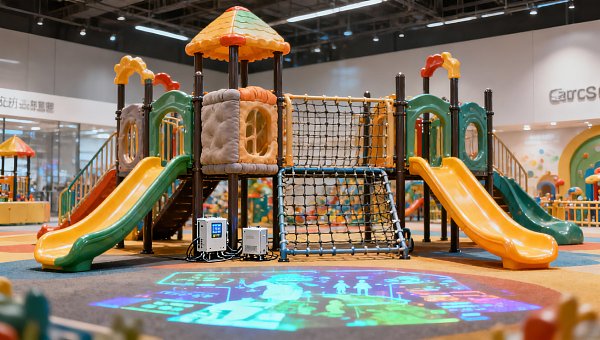
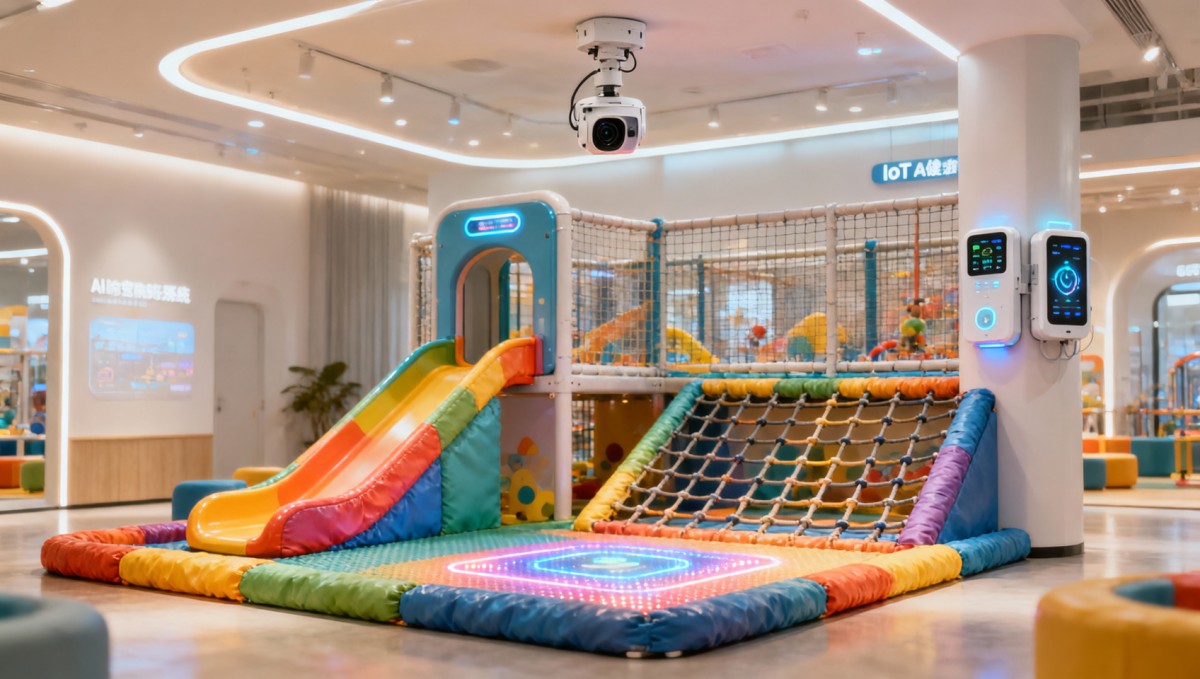
The Guangzhou International Leisure Sports Equipment Exhibition, held from May 29 to May 31, 2026, closed with strong attention on smart Indoor Playground systems equipped with AI fall detection, pressure-sensing floors, and IoT health monitoring modules. The development is especially relevant to indoor playground manufacturers, export traders, channel distributors, safety certification service providers, and procurement teams serving European and U.S. markets, as buyer interest is now closely linked to smart safety functions and certification readiness.
Event Overview
According to information released after the close of the Guangzhou International Leisure Sports Equipment Exhibition on May 31, 2026, Indoor Playground systems featuring AI fall recognition, pressure-sensing flooring, and IoT health monitoring modules attracted significant attention from European and U.S. buying groups.
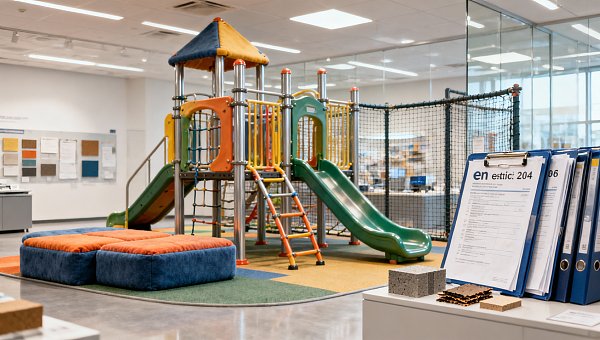
The publicly available information states that intended orders reached more than USD 120 million during the event. Leading channel companies, including Germany’s Kinderland and U.S.-based Playworld, stated that in the second half of 2026 they will treat smart safety certification under EN 1176-7:2025 as a mandatory entry requirement for new suppliers.
Which Segments Are Affected
Export Trading Companies Serving Europe and the United States
Export trading companies are directly affected because the reported buyer attention came mainly from European and U.S. procurement groups. The impact is likely to appear in supplier screening, product documentation, and quotation communication.
From an industry perspective, traders handling Indoor Playground orders may need to explain whether products include AI fall detection, pressure-sensing floors, IoT health monitoring modules, and certification preparation related to EN 1176-7:2025. The issue is not only whether a product can be shipped, but whether it can pass the buyer’s new-supplier access review.
Indoor Playground Equipment Manufacturers
Manufacturers are affected because the products receiving attention were not conventional playground systems, but systems integrating smart sensing and safety monitoring functions. This shifts part of buyer evaluation from physical equipment structure toward integrated safety technology.
Analysis shows that manufacturers may face higher expectations in product design coordination, sensor integration, safety documentation, and testing preparation. For companies targeting European and U.S. channels, smart safety certification may become a more visible part of supplier qualification discussions.
Channel Distributors and Brand Operators
Channel distributors are affected because Kinderland and Playworld were reported to have clearly indicated future supplier access requirements. Their statements suggest that downstream channels may use certification and smart safety functions as filters when selecting new suppliers.
Observably, distributors may need to review whether existing and prospective supplier portfolios can meet smart safety certification expectations. The impact may appear in product listing decisions, supplier onboarding, and communication with venue operators or project buyers.
Certification, Testing, and Compliance Service Providers
Certification and testing service providers are affected because EN 1176-7:2025 was mentioned as a mandatory entry requirement by leading channel companies for new suppliers in the second half of 2026.
What deserves closer attention now is whether more buyers will reference the same standard in supplier qualification. If this buyer-side requirement expands, compliance service providers may see stronger demand for documentation review, pre-assessment, and certification-related support for smart Indoor Playground systems.
Component and Smart Module Suppliers
Suppliers of AI recognition modules, pressure-sensing flooring components, and IoT health monitoring modules may be indirectly affected because these functions were the core features highlighted in the products that drew buyer attention.
From an industry perspective, component suppliers may need to align more closely with playground equipment manufacturers on integration reliability, product compatibility, and evidence needed for downstream safety certification discussions.
What Companies and Practitioners Should Watch and How to Respond
Track Follow-Up Statements from Major Buyers
Companies should monitor whether Kinderland, Playworld, and other European and U.S. procurement channels provide more detailed supplier access requirements after the exhibition. The currently disclosed information points to EN 1176-7:2025 as a mandatory condition for new suppliers in the second half of 2026, but implementation details may affect how companies prepare.
It is more appropriate to understand this as an immediate buyer-side signal that requires verification through follow-up communication, rather than assuming all buyers will apply the requirement in the same way.
Review Product Lines Against Smart Safety Functions
Manufacturers and traders should identify which Indoor Playground products already include AI fall detection, pressure-sensing floors, or IoT health monitoring modules, and which products would require redesign or supplier coordination.
Analysis shows that a practical first step is to separate products into categories: systems ready for certification discussion, systems requiring technical upgrades, and systems suitable only for markets or buyers that have not introduced smart safety requirements.
Distinguish Buyer Signals from Confirmed Market-Wide Rules
The reported statements came from named channel companies and were linked to new supplier access in the second half of 2026. Companies should avoid treating this as a confirmed universal regulatory change unless further official or buyer-side documentation is available.
Observably, the more practical approach is to treat the news as a procurement threshold signal from influential channels. Sales teams should ask buyers whether EN 1176-7:2025 is required for quotation, sample approval, or final supplier onboarding.
Prepare Documentation and Communication in Advance
Suppliers targeting Europe and the United States should prepare technical descriptions, safety function explanations, module integration records, and certification-related communication materials for smart Indoor Playground systems.
From an industry perspective, early preparation can reduce delays when buyers request proof of compliance readiness. This is particularly relevant for companies seeking to enter new distributor networks in the second half of 2026.
Editorial View / Industry Observation
Analysis shows that the exhibition result is less about a single product trend and more about a shift in procurement criteria. Buyer attention to AI fall detection, pressure-sensing floors, and IoT health monitoring suggests that smart safety functions are becoming more important in the evaluation of Indoor Playground systems for European and U.S. channels.
It is more appropriate to understand this as both a short-term business outcome and a longer-term industry signal. The intended orders of more than USD 120 million indicate immediate purchasing interest, while the stated use of EN 1176-7:2025 as a new-supplier access condition points to a possible tightening of channel requirements.
What deserves closer attention now is whether more distributors and procurement groups adopt similar certification expectations. If they do, smart safety capability may become a key differentiator in supplier selection, especially for manufacturers and traders focused on Europe and the United States.
Conclusion
The close of the 2026 Guangzhou International Leisure Sports Equipment Exhibition highlighted a clear point for the Indoor Playground supply chain: European and U.S. buyers are paying closer attention to smart safety systems and certification readiness.
At this stage, the development should be viewed in a balanced way. It is not enough to read it only as an exhibition sales result, nor should it be overstated as a confirmed industry-wide rule. It is more appropriate to understand this information as a strong procurement signal from important channels, with practical implications for product planning, supplier qualification, and compliance preparation in the second half of 2026.
Information Source Statement
Main source: Publicly provided information from the 2026 Guangzhou International Leisure Sports Equipment Exhibition regarding the event held from May 29 to May 31, 2026.
Referenced disclosed details: buyer attention to Indoor Playground systems with AI fall detection, pressure-sensing floors, and IoT health monitoring modules; intended orders exceeding USD 120 million; statements from Kinderland and Playworld regarding EN 1176-7:2025 as a new-supplier access requirement in the second half of 2026.
Items for continued observation: follow-up buyer implementation details, broader adoption of EN 1176-7:2025 requirements by other European and U.S. channels, and the actual pace of smart safety certification preparation among Indoor Playground suppliers.