Bowling Alley Equipment Checklist: Lanes, Pinsetters, Scoring and Seating
Bowling Alley Equipment Checklist: Lanes, Pinsetters, Scoring and Seating
Planning a new bowling center or upgrading an existing venue requires more than choosing attractive lanes.
Every piece of bowling alley equipment affects installation schedules, operating efficiency, guest experience, safety, and long-term commercial return.
From lane systems and pinsetters to scoring software, seating, lighting, and maintenance tools, each decision changes project risk.
This checklist helps compare technical specifications, supplier capability, compliance needs, and budget control before commercial sourcing begins.
Scenario First: Why Bowling Alley Equipment Choices Change by Venue
A family entertainment center does not need the same bowling alley equipment profile as a premium boutique lounge.
High-throughput venues prioritize durability, fast resets, easy cleaning, and predictable service intervals.
Luxury hospitality projects often focus on finishes, acoustic comfort, seating design, lighting scenes, and integrated food service.
Campus, club, and mixed-use projects may require flexible operations, compact layouts, and simplified control systems.
The best bowling alley equipment checklist begins with use pattern, guest profile, space limits, and expected daily lane cycles.
Core Lane Systems for Commercial Bowling Scenarios
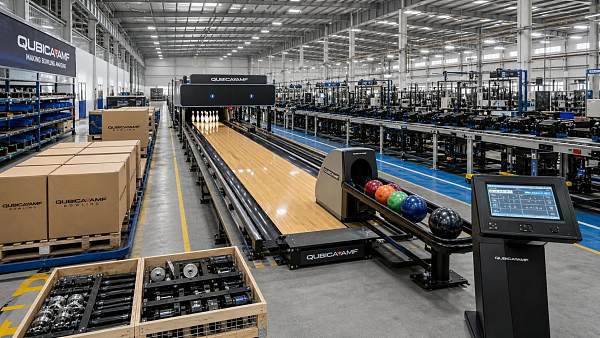
Lane systems form the visible and technical foundation of bowling alley equipment.
Synthetic lanes are common for commercial projects because they offer stable performance, lower maintenance, and strong wear resistance.
Wood lanes create heritage appeal, but require more specialized care and tighter humidity management.
Before ordering, verify lane dimensions, approach materials, kickbacks, gutters, capping, and subfloor conditions.
- Check lane surface warranty and rated commercial usage.
- Confirm compatibility with selected pinsetters and ball returns.
- Review moisture control requirements before site construction.
- Plan access routes for lane panel delivery and installation.
Reliable lane planning reduces future downtime and protects the investment in bowling alley equipment.
Pinsetter Selection for Traffic, Maintenance, and Noise Control
Pinsetters are among the most operationally sensitive parts of bowling alley equipment.
Mechanical reliability directly influences lane availability, staffing pressure, and guest satisfaction during peak hours.
Traditional pinsetters may offer familiar service routines, while string pinsetters can reduce energy use and maintenance complexity.
The right choice depends on competition requirements, entertainment focus, local rules, and service skill availability.
- Evaluate frames per hour under real operating conditions.
- Ask for spare part lead times and service documentation.
- Measure machine noise against nearby dining or lounge areas.
- Confirm safety guarding, emergency stop access, and inspection procedures.
Pinsetter decisions should never be isolated from scoring, pit design, and back-of-house maintenance access.
Scoring, Control Software, and Guest Interaction Needs
Modern bowling alley equipment includes digital systems that manage scoring, reservations, payments, displays, and lane control.
For entertainment venues, scoring interfaces should be intuitive, multilingual where needed, and visually engaging.
For league or event operations, accuracy, player profiles, reporting, and tournament support become more important.
Cloud connectivity can improve reporting, but cybersecurity, data ownership, and offline operation must be reviewed.
- Confirm integration with POS, booking, and membership platforms.
- Test screen visibility under planned lighting scenes.
- Review software update fees and support response windows.
- Check whether lane controls support birthday parties and corporate events.
Scoring is no longer only a functional component of bowling alley equipment; it shapes the whole guest journey.
Seating, Tables, and Social Zones by Venue Type
Seating connects technical bowling alley equipment with hospitality experience.
In high-volume centers, seating should resist spills, frequent cleaning, and constant movement.
In premium lounges, comfort, upholstery, table layout, and service circulation support longer dwell time.
For compact venues, modular seating can improve flexibility between casual bowling, private events, and team activities.
- Allow clear circulation behind players and service staff.
- Choose materials tested for abrasion and stain resistance.
- Coordinate seating height with tables, monitors, and ball racks.
- Plan accessible seating positions within active social zones.
Seating mistakes can make premium bowling alley equipment feel inconvenient, even when lane performance is excellent.
Lighting, Audio, and Atmosphere for Different Experiences
Lighting and audio are essential supporting categories in commercial bowling alley equipment planning.
Bright, balanced lighting supports family play, safety, cleaning, and equipment inspection.
Dynamic LED scenes support glow bowling, themed nights, private parties, and evening revenue programs.
Audio systems must cover seating areas clearly without overwhelming lanes, dining spaces, or reception counters.
- Specify task lighting for approaches and maintenance areas.
- Avoid glare on scoring screens and polished lane surfaces.
- Coordinate lighting controllers with event presets.
- Check acoustic treatment before final speaker placement.
Atmosphere systems should be planned early, not added after major bowling alley equipment installation is complete.
Ball Returns, Racks, Shoes, and Daily Operating Assets
Operational assets often receive less attention than major bowling alley equipment, yet they strongly affect usability.
Ball returns should match lane count, player volume, safety expectations, and service access.
Ball racks need stable construction, clear organization, and convenient placement away from crowded approach zones.
Rental shoes require size depth, sanitation planning, storage systems, and replacement budgeting.
- Stock ball weights suitable for children, casual players, and experienced users.
- Specify shoe materials that balance comfort, durability, and hygiene.
- Include cleaning stations, disinfecting systems, and repair tools.
- Plan storage for pins, lane supplies, and consumable maintenance items.
These support items complete the bowling alley equipment ecosystem and reduce daily service friction.
Different Venue Scenarios and Equipment Priorities
This comparison shows why bowling alley equipment procurement should follow scenario priorities, not generic product lists.
Scenario-Based Sourcing Checklist Before Purchase
A structured sourcing checklist reduces specification gaps and hidden installation costs.
It also supports supplier comparison beyond headline pricing.
- Define lane count, operating hours, peak traffic, and guest profile.
- Request complete bowling alley equipment drawings and installation schedules.
- Verify electrical, HVAC, floor loading, and access requirements.
- Review compliance with local building, fire, and safety regulations.
- Compare warranty scope, spare parts, training, and remote support.
- Ask for comparable project references in similar venue scenarios.
- Separate equipment price from freight, duty, installation, and commissioning costs.
Strong suppliers should explain how each bowling alley equipment category supports the intended operating model.
Common Misjudgments That Increase Project Risk
Many project delays begin with underestimated site preparation.
Lane leveling, power routing, machine access, and ceiling coordination must be settled before shipment.
Another frequent mistake is selecting bowling alley equipment without confirming local service capability.
A low purchase price can become expensive when spare parts are slow or technical support is limited.
Some venues also overlook cleaning workflows, shoe hygiene, pin storage, and ball inspection routines.
These small omissions affect reviews, staff efficiency, and repeat visits more than expected.
- Do not choose pinsetters before confirming service resources.
- Do not finalize seating before testing circulation paths.
- Do not ignore noise transfer to dining or retail zones.
- Do not treat software as a minor accessory.
Avoiding these errors improves the lifecycle value of bowling alley equipment.
Budget Control and Lifecycle Value Evaluation
Commercial bowling alley equipment should be evaluated by total lifecycle cost, not only initial purchase price.
Energy use, maintenance labor, software fees, part replacement, and downtime all influence profitability.
Higher-quality systems may deliver better uptime, cleaner operation, and fewer guest disruptions.
Budget planning should include commissioning, staff training, maintenance contracts, and future upgrade paths.
A lifecycle view helps choose bowling alley equipment that supports stable revenue beyond opening day.
Action Guide: Turning the Checklist into a Sourcing Plan
Begin with a venue scenario brief covering audience, service style, lane count, floor plan, and target operating hours.
Then map every required bowling alley equipment category against construction milestones and supplier responsibilities.
Request technical drawings, compliance documents, installation manuals, and after-sales commitments before price negotiation.
For global sourcing, compare suppliers by project evidence, engineering communication, logistics reliability, and service transparency.
GCT supports commercial sourcing decisions with scenario-driven insight across experiential venues, hospitality spaces, and leisure projects.
A disciplined checklist turns bowling alley equipment procurement into a controlled, measurable, and scalable investment decision.
Search News
Hot Articles
Popular Tags
Need ExpertConsultation?
Connect with our specialized leisureengineering team for procurementstrategies.
Recommended News
 Oct 08, 2026How to Choose Animatronic Haunted House Props for High-Throughput AttractionsAnimatronic haunted house props for high-throughput attractions: compare motion, triggers, safety, and maintenance to create reliable scares that keep guests moving.● Theme Park Strategist
 Sep 29, 2026Poured Playground Safety Surfacing: How to Specify Thickness for Fall HeightsPoured playground safety surfacing: learn how to specify tested thickness by fall height, ASTM standards, substrate conditions, accessibility, and field verification.● Theme Park Strategist
 Sep 27, 2026Custom Trampoline Park Equipment: Planning Capacity, Safety, and LayoutCustom trampoline park equipment for safer capacity, smooth guest flow, and efficient layouts. Explore practical planning insights for a high-performing park.● Theme Park Strategist
 Aug 30, 2026Entertainment Venue Master Planning: How to Balance Capacity, Flow, and RevenueEntertainment venue development master planning: balance capacity, guest flow, and revenue with practical strategies for resilient, high-performing venues.● Theme Park Strategist
 Sep 07, 2026What Should Buyers Do When a Supplier Delivers Non-Compliant Products?What to do if a supplier delivers non-compliant commercial products: contain risks, document evidence, protect your project, and secure the right remedy.● Theme Park Strategist
 Sep 02, 2026Waterpark Capacity Management: Balancing Queue Times, Safety, and Guest ThroughputWaterpark capacity management strategies to reduce queue times, protect safety, optimize guest throughput, and build a smoother, more profitable park operation.● Theme Park Strategist
 Sep 01, 2026ASTM F2075 Explained: Testing Engineered Wood Fiber for Playground Impact SafetyASTM F2075 explained: learn how engineered wood fiber supports playground impact safety, smarter sourcing, compliance documentation, and reliable maintenance planning.● Theme Park Strategist
 Aug 24, 2026How to Evaluate an Indoor Ninja Warrior Course Supplier in Europe?indoor ninja warrior course Europe supplier guide: learn how to assess safety, EN compliance, engineering, installation, and maintenance support before you choose.● Theme Park Strategist
 Aug 20, 2026How to Choose Modular Indoor Play Equipment for Different Venue Sizes and Age GroupsModular indoor play equipment buying guide: learn how to match venue size, ceiling height, traffic flow, and age groups to create safer, smarter, and more profitable play spaces.● Theme Park Strategist
 Aug 14, 2026POB Push Lifts Overseas Pre-Registrations 45.74%POB boosts overseas pre-registrations for the 2026 China Sport Show by 45.74%, signaling stronger global buyer interest and smarter sourcing opportunities in sports manufacturing.● Theme Park Strategist
 Aug 02, 2026What to Check Before Buying Thick Gymnastic Mats Wholesale for Schools and GymsThick gymnastic mats wholesale buying guide for schools and gyms: learn how to check foam, cover durability, safety documents, samples, and true long-term value before placing a bulk order.● Theme Park Strategist
 Jul 28, 2026How to Design Inclusive Sensory Play Areas for Different Age Groups and NeedsInclusive sensory play starts with smart zoning, age planning, accessibility, and acoustics. Discover practical design tips to create safer, engaging spaces that truly work.● Theme Park Strategist
 Jul 26, 2026How to Evaluate a Bowling Alley Equipment Factory Before Requesting a QuoteBowling alley equipment factory evaluation starts before price. Learn how to check manufacturing scope, engineering, compliance, spare parts, and installation support to avoid costly sourcing mistakes.● Theme Park Strategist
 Jul 16, 2026EN 1176:2026 Takes Effect for Indoor PlaygroundsEN 1176:2026 takes effect for indoor playgrounds in the EU, making conformity assessment mandatory. Learn how this impacts certification, customs clearance, suppliers, and market access.● Theme Park Strategist
 Jul 15, 2026CPSC Sets New ASTM Impact Test for Indoor Playground Metal PartsCPSC sets new ASTM impact test rules for indoor playground metal parts effective Oct. 1, 2026. Learn how the 15kN requirement may affect compliance, testing timelines, and U.S. export delivery.● Theme Park Strategist
 Jul 14, 2026CPSC Tightens Phthalate Limit for Indoor Playground Soft MaterialsCPSC tightens phthalate limits for indoor playground soft materials from Aug 15, 2026. Learn how DIBP control, CBP detention risk, and testing changes impact sourcing, exports, and compliance.● Theme Park Strategist
 Jul 13, 2026Vietnam Tightens IoT Rule for Indoor Playground ImportsVietnam Tightens IoT Rule for Indoor Playground Imports: learn how VNSS-2025 gateway requirements affect exporters, buyers, installers, and delivery timelines before the 2026 deadline.● Theme Park Strategist
 Jul 13, 2026How a Recreational Facility Planning Company Helps Reduce Layout MistakesRecreational facility planning company insights: learn how early layout strategy reduces costly mistakes, improves flow, compliance, and buildability for smoother project delivery.● Theme Park Strategist
 Jul 12, 2026CPSC Halts Imports of Indoor Playground Soft PartsCPSC halts imports of indoor playground soft parts from China under ASTM F3432-26. Learn the compliance risks, testing requirements, and urgent steps importers must take now.● Theme Park Strategist
 Jul 11, 2026CPSC Import Alert Tightens Fire Test Rule for Indoor Playground PaddingCPSC import alert updates indoor playground padding rules to ASTM F3432-26. See how the new fire test affects foam mats, shipments, and U.S. market access.● Theme Park Strategist
 Jul 11, 2026Ice Bumper Cars Bulk Order Checklist for Indoor Parks: Space, Power, and Safety PointsIce bumper cars bulk order guide for indoor parks: learn how to assess space, power, safety, and throughput before buying, so you can avoid costly mistakes and choose the right fleet with confidence.● Theme Park Strategist
 Jul 10, 2026Commercial Playground Equipment for Campuses: Key Safety Standards and Planning TipsCommercial playground equipment for campuses: explore key safety standards, inclusive layout planning, durable materials, and smart procurement tips to avoid costly mistakes.● Theme Park Strategist
 Jul 09, 2026CPSC Recall Escalates Over Phthalates in Indoor Playground PadsCPSC recall escalates over phthalates in indoor playground pads as affected batches exceed CPSIA limits. Learn the risks, supply chain impact, and what buyers should monitor now.● Theme Park Strategist
 Jul 07, 2026How to Choose Ice Skating Rink Equipment in Europe: Key Systems, Standards, and Budget Factorsice skating rink equipment Europe guide: compare refrigeration, rink floors, boards, EU compliance, and total budget factors to choose a safer, more efficient commercial rink solution.● Theme Park Strategist