Tambourines Bulk Buying Guide: Materials, Sound Quality, and Pack Size Differences
Why does buying tambourines bulk require more than a price check?
Bulk tambourine sourcing looks simple at first. In practice, unit cost tells only part of the story.
When tambourines bulk orders go into schools, retail shelves, event kits, or music programs, usage conditions change fast.
Some orders need bright sound for group activities. Others need safer edges, longer frame life, and consistent quality across cartons.
That is why serious evaluation usually starts with three questions: what material is used, how stable is the sound, and how practical is the pack size.
In commercial sourcing, those details affect return rates, replacement cycles, freight efficiency, and the overall user experience.
Across categories covered by Global Commercial Trade, the same rule appears again and again. Functional products must balance performance, durability, compliance, and supply reliability.
For tambourines bulk decisions, the smarter approach is to compare total value rather than chase the lowest quote.
Which tambourine materials make the most sense for different bulk uses?
Material choice changes both feel and lifespan. It also influences shipping weight, sound character, and maintenance needs.
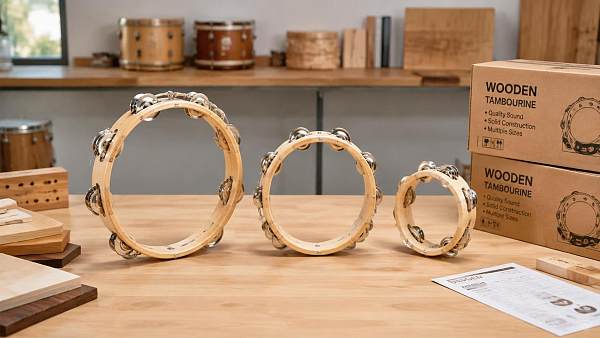
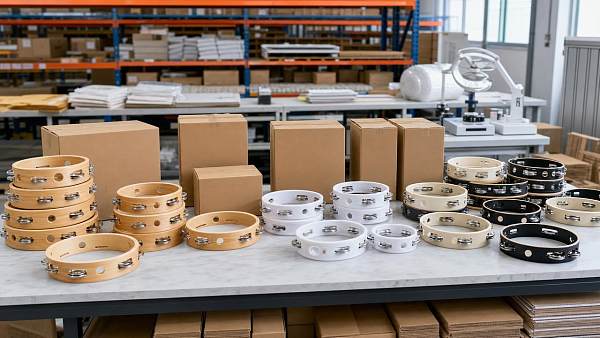
Wood-frame tambourines usually feel more traditional. They often suit music education, stage use, and retail buyers looking for a warmer appearance.
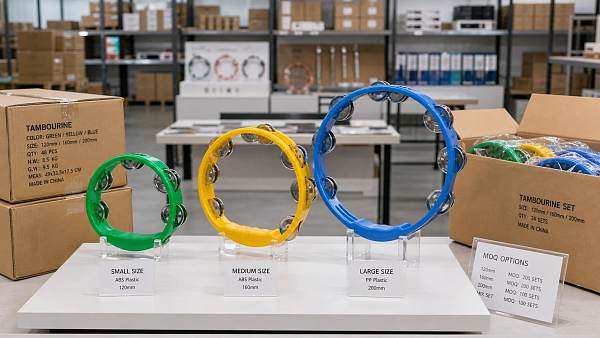
Plastic-frame tambourines are often selected for high-volume programs. They are lighter, easier to clean, and generally more tolerant of rough handling.
There are also mixed-material models. These combine synthetic frames with metal jingles to balance durability and cost.
A simple comparison helps narrow down tambourines bulk options before requesting samples.
In actual use, frame material should be matched to environment, not just preference. Indoor classroom storage and mobile event transport create different stress patterns.
It is also worth checking coating quality, edge finishing, and fastener security. These details often matter more than the headline material itself.
How should sound quality be judged in tambourines bulk orders?
Sound quality is one of the easiest points to misunderstand. A tambourine may look acceptable but still perform poorly in group use.
The first factor is jingle material. Steel and nickel-plated jingles often sound brighter. Brass-like finishes may produce a slightly warmer tone.
The second factor is jingle spacing and mounting. Loose mounting creates volume, but too much movement can cause uncontrolled rattle.
Frame rigidity also matters. A stable frame helps produce more repeatable sound from piece to piece.
For tambourines bulk purchases, consistency is usually more important than premium tone. In educational and event settings, uneven sound across units causes frustration quickly.
A practical sample test often includes these checkpoints:
- Shake three to five samples from different cartons, not one pre-selected piece.
- Check whether jingles stick, scrape, or mute after repeated strikes.
- Listen for large volume gaps between units.
- Test grip comfort during longer use, especially for children’s programs.
- Inspect whether rivets or slots loosen under moderate force.
More careful buyers also ask for audio or batch inspection records. That request is common in other commercial categories and increasingly relevant here.
Does pack size really change cost, storage, and reorder efficiency?
Yes, and often more than expected. Pack size affects landed cost, warehouse handling, replenishment logic, and damage exposure during transport.
Smaller packs are easier to distribute across multiple sites. They work well when inventory is split by classroom, venue, or retail branch.
Larger master cartons may reduce packaging cost per unit. However, they can increase breakage risk if internal protection is weak.
For tambourines bulk orders, pack size should be aligned with the final deployment method, not just factory packing convenience.
A useful rule is to compare three layers at once: unit pack, inner pack, and master carton. This gives a clearer picture of handling efficiency.
Needless to say, carton markings, barcode requirements, and drop-test protection should be confirmed before mass production.
What mistakes are most common when comparing tambourines bulk suppliers?
One common mistake is comparing only by ex-works price. Low quotes can hide weak finishing, unstable jingles, or thin packaging.
Another issue is treating all samples as representative. Factories sometimes send stronger samples than average production quality.
Lead time assumptions also create problems. Tambourines bulk orders with custom colors, private labels, or mixed pack counts may require longer preparation.
Compliance should not be ignored either. Depending on destination and user group, material safety and labeling rules may apply.
A more reliable comparison usually includes this checklist:
- Request batch-level consistency details, not only one sample approval.
- Confirm frame thickness, jingle count, and hardware attachment method.
- Review packaging specifications with carton dimensions and net or gross weight.
- Check defect handling terms, replacement policy, and inspection timing.
- Ask whether the supplier can support repeated orders without changing material grade.
This broader view reflects how experienced sourcing platforms assess commercial goods. The aim is stable procurement, not a one-time bargain.
How can you decide the right tambourines bulk specification before placing an order?
The clearest decisions usually start with the end-use map. Where will the tambourines go, how often will they be used, and who will handle them?
If frequent handling is expected, durable plastic frames may be the safer option. If visual presentation matters, wood may support better shelf appeal.
If sound uniformity matters, ask suppliers to define tolerance standards for jingle count, frame shape, and finish quality.
If freight cost is under pressure, compare carton efficiency alongside unit price. Sometimes a slightly higher product cost results in lower delivered cost.
For repeat programs, it helps to create a short specification sheet before final negotiation.
- Define preferred frame material and acceptable substitutes.
- Set a target sound profile: bright, moderate, or softer classroom use.
- State required pack count by site or channel.
- Note labeling, barcode, and packaging documentation needs.
- Decide inspection points before shipment, not after arrival.
That process may feel detailed, but it reduces rework. It also makes supplier quotations more comparable and easier to defend internally.
What is the practical next step if you are narrowing tambourines bulk options?
A useful next step is to shortlist two or three specifications, not ten. Too many variations slow the decision and blur meaningful differences.
Then compare each option across material, sound consistency, pack format, and delivery stability. Those four points usually reveal the real winner.
In the broader commercial sourcing world, reliable buying decisions come from structured comparison, documented standards, and realistic use-case testing.
Tambourines bulk sourcing follows the same logic. Better results come from matching product details to application needs, not from chasing the lowest visible number.
If the requirement is still evolving, build a simple evaluation sheet, test samples from different batches, and confirm packing logic before committing volume.
That approach creates a more dependable cost picture and reduces avoidable surprises in delivery, performance, and long-term replacement planning.
Search News
Hot Articles
- Jewelry Packaging & DisplayHow U.S. Retailers Can Choose Jewelry Displays for Better Security and SalesSep 13, 2026
- Commercial KitchenHow to Size a Restaurant Walk-In Cooler for Peak Inventory and Kitchen LayoutSep 12, 2026
- Musical InstrumentsHow to Choose Touring Instrument Cases for Flights, Trucks, and Daily Load-InsSep 11, 2026
Popular Tags
Need ExpertConsultation?
Connect with our specialized leisureengineering team for procurementstrategies.
Recommended News
 Sep 11, 2026How to Choose Touring Instrument Cases for Flights, Trucks, and Daily Load-InsInstrument cases for touring: learn how to balance flight protection, truck durability, weight, fit, and serviceable hardware for safer, faster load-ins.● Pro Audio Engineer
 Sep 07, 2026How to Choose Wood Frame Tambourines for Sound Quality and Long-Term UseWood frame tambourines: learn how to compare frame construction, jingle tone, head options, durability, and supplier quality for reliable long-term performance.● Pro Audio Engineer
 Sep 05, 2026How Often Should Music Education Equipment Be Serviced?How often should music education equipment be serviced? Explore practical schedules, maintenance tips, and lifecycle planning to keep instruments and audio systems reliable.● Pro Audio Engineer
 Aug 21, 2026How to Choose Marching Band Drums for Sound Projection, Weight, and DurabilityMarching band drums buying guide: learn how to balance sound projection, weight, and durability for better field performance, easier carrying, and longer-lasting value.● Pro Audio Engineer
 Aug 09, 2026How to Evaluate a MIDI Cable Manufacturer for Audio Quality and OEM ReliabilityMIDI cable manufacturer evaluation guide: learn how to assess signal stability, connector quality, OEM process control, and batch consistency to reduce failures and source with confidence.● Pro Audio Engineer
 Aug 08, 2026How to Evaluate a Trumpets OEM Manufacturer for Quality, MOQ, and Custom DesignTrumpets OEM manufacturer selection starts with quality, MOQ, and custom design control. Learn how to compare suppliers, reduce sourcing risk, and choose a reliable long-term factory partner.● Pro Audio Engineer
 Jul 27, 2026How to Source Conga Drums in Bulk for Schools, Bands, and Event ProgramsConga drums bulk sourcing for schools, bands, and event programs made easier. Learn how to compare quality, durability, compliance, and total cost before you place a large order.● Pro Audio Engineer
 Jul 24, 2026How to Choose Low Dust Violin Rosin for Cleaner Practice and Better Bow ControlLow dust violin rosin buying guide: learn how to compare formula, climate fit, grip, and string compatibility for cleaner practice, better bow control, and smarter purchase decisions.● Pro Audio Engineer
 Jul 15, 2026Plastic Tambourines Bulk Buying Guide: Sizes, Materials, and MOQ QuestionsPlastic tambourines bulk buying guide covering sizes, ABS vs PP materials, sound consistency, customization, and MOQ questions to help buyers cut risk and choose the right supplier.● Pro Audio Engineer
 Jul 13, 2026Acoustic Guitars Wholesale China: How to Evaluate Build Quality and OEM OptionsAcoustic guitars wholesale China guide: learn how to assess build quality, factory consistency, and OEM options to choose reliable suppliers and reduce sourcing risk.● Pro Audio Engineer
 Jul 12, 2026Mini Effect Pedals Wholesale: MOQ, OEM Options, Testing, and Supplier ComparisonMini effect pedals wholesale guide covering MOQ, OEM options, testing standards, and supplier comparison to help buyers reduce risk, improve margins, and choose reliable partners.● Pro Audio Engineer
 Jul 11, 2026DJ Turntables OEM Guide: Key Torque, Drive, and Build Specs to CompareDJ turntables OEM guide covering torque, drive type, speed stability, platter build, and manufacturing consistency. Compare the specs that impact performance, reliability, and sourcing confidence.● Pro Audio Engineer
 Jul 08, 2026Guitar Capos Wholesale: What Materials, Clamp Types, and MOQ Terms Should You Compare?Guitar capos wholesale buying starts with more than price. Compare materials, clamp types, quality checks, and MOQ terms to reduce returns, protect margins, and choose a supplier with confidence.● Pro Audio Engineer
 Jul 07, 2026Birch Drum Kits Manufacturer Comparison: Shell Construction, Hardware Quality, and OEM OptionsBirch drum kits manufacturer comparison covering shell construction, hardware quality, and OEM options to help buyers reduce sourcing risk and choose reliable suppliers.● Pro Audio Engineer
 Jul 06, 2026Spruce Top Acoustic Guitars Explained: Tone, Wood Grades, and Who They Suit BestSpruce top acoustic guitars explained: compare tone, wood grades, and build quality to find the best fit for players, retailers, and commercial buyers.● Pro Audio Engineer
 Jun 30, 2026Xylophones and Glockenspiels: Key Differences in Range, Tone, and Classroom UseXylophones and glockenspiels compared: discover key differences in range, tone, durability, and classroom use to choose the right instrument for teaching, buying, or school programs.● Pro Audio Engineer
 Jun 25, 2026Musical Instrument Industry Report: Key Market Segments, Demand Drivers, and Price TrendsMusical instrument industry report covering key market segments, demand drivers, and price trends. Explore sourcing risks, premium growth, and where buyer demand is shifting next.● Pro Audio Engineer
 Jun 23, 2026Metronomes and Tuners Explained: Types, Key Features, and Who Needs BothMetronomes and tuners explained: compare types, key features, and who needs both. Learn how to choose the right tool for better timing, pitch, and practical daily use.● Pro Audio Engineer
 Jun 22, 2026How the Musical Instrument Industry Supply Chain Affects Lead Times, Cost, and QualityMusical instrument industry supply chain trends now shape lead times, cost, and quality. Discover how smarter sourcing and supplier transparency reduce risk and improve buying outcomes.● Pro Audio Engineer
 Jun 20, 2026DJ Headphones Wholesale Buying Guide: OEM Options, MOQ, and Audio Specs to CompareDJ headphones wholesale guide covering OEM options, MOQ strategy, and key audio specs. Compare build quality, compliance, and total cost to source smarter and reduce returns.● Pro Audio Engineer
 Jun 19, 2026Acoustic Guitars Wholesale: 7 Specs Buyers Should Compare Before Placing an OrderAcoustic guitars wholesale buyers can compare 7 key specs before ordering, from tonewoods and playability to OEM, packaging, and QC, to reduce risk and protect margins.● Pro Audio Engineer
 Jun 15, 2026Tambourines Bulk Buying Guide: Materials, Sound Quality, and Pack Size DifferencesTambourines bulk buying guide covering material choices, sound consistency, and pack size differences. Compare suppliers smarter, reduce risk, and choose the best fit for schools, retail, and events.● Pro Audio Engineer
 Jun 14, 2026Professional Musical Instruments Explained: Types, Skill Levels, and Buying CriteriaProfessional musical instruments explained: discover key types, ideal skill levels, and practical buying criteria to choose reliable, high-performance instruments with confidence.● Pro Audio Engineer
 Jun 10, 2026Drum Kits Manufacturer Comparison: What to Check Before OEM or Bulk OrdersDrum kits manufacturer comparison guide for OEM and bulk buyers: check quality, compliance, lead times, packaging, and true cost before placing large orders.● Pro Audio Engineer